

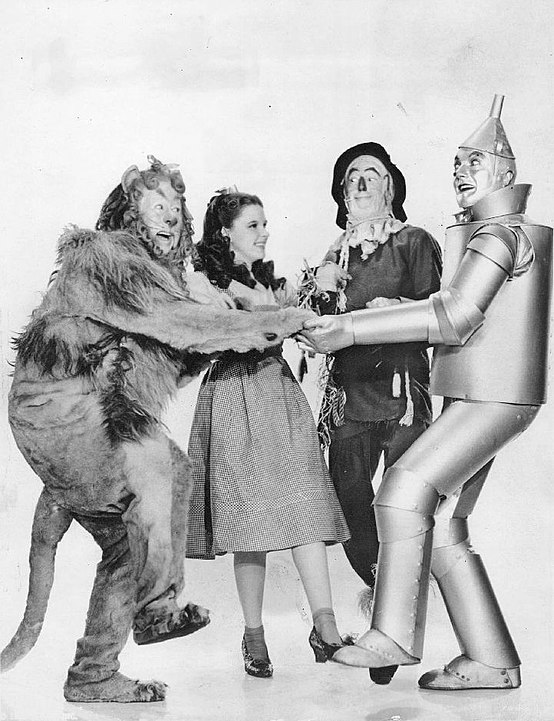
The Wizard of Oz remains one of the most beloved films from Hollywood’s Golden Age. Released in 1939, this adaptation of L. Frank Baum’s children’s novel captivated audiences with its magical story and groundbreaking Technicolor visuals. The tale of Dorothy’s journey through the Land of Oz alongside her companions the Scarecrow, Tin Man, and Cowardly Lion has enchanted generations of viewers.
Behind the scenes, the making of The Wizard of Oz was far from smooth. The production faced many challenges, including multiple director changes, dangerous stunts, and alleged mistreatment of cast members. Despite these difficulties, the film went on to become a classic, praised for its music, special effects, and performances. Its enduring popularity has cemented its place as one of the greatest and most influential movies in cinema history.
Judy Garland’s Time on The Wizard of Oz Set

Judy Garland faced many challenges while filming The Wizard of Oz at age 16. She earned $500 weekly, much less than her male co-stars who made $3,000. Even Margaret Hamilton, playing the Wicked Witch, got $1,000 per week.
Garland dealt with harsh treatment on set. One director slapped her for laughing during takes. She also faced inappropriate behavior from some adult male actors playing Munchkins.
The studio pushed Garland to change her looks and gave her drugs to control her weight and energy. They made her take uppers during the day and downers at night. This was common but harmful for young actors then.
The film’s impact lasted long after shooting wrapped. It became a beloved classic, but at a high cost to its young star. Garland struggled with addiction and other issues tied to her early Hollywood experiences.
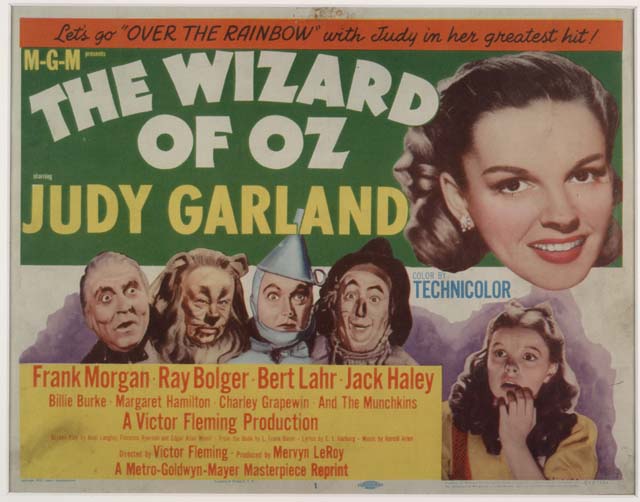
Key cast members:
- Judy Garland as Dorothy
- Ray Bolger as Scarecrow
- Jack Haley as Tin Man
- Bert Lahr as Cowardly Lion
- Frank Morgan as the Wizard
- Billie Burke as Glinda the Good Witch
- Margaret Hamilton as Wicked Witch of the West
Despite the problems, the film won praise and awards. It earned six Academy Award nominations and won two. The movie’s songs and colorful world captivated viewers. But behind the magic, Garland’s struggles show the dark side of early Hollywood’s treatment of child stars.
The Memorable Melodies of Oz
The Wizard of Oz brought magic to the screen with its unforgettable songs. “Somewhere Over the Rainbow” became a classic, despite almost being cut from the film. The song’s structure follows a typical Broadway pattern, letting Dorothy share her dreams with the audience.
The music has some interesting quirks. The song starts with a big jump in notes, which was common for the composer. One part of the tune copies a piano exercise for kids. Another bit came from how the composer called his dog. The ending of the song got help from a famous friend when the writers got stuck.
Not all the planned music made it into the final movie. “The Jitterbug” was a lively dance number that got left out. In the film, you only hear about a “little insect” in the spooky forest. The full dance scene can be found online now.
The songs help tell the story as Dorothy and her friends travel to the Emerald City. They face dangers like magical sleep-inducing poppies along the way. The music adds excitement and emotion to their journey.
Here are some key songs from the movie:
- “Somewhere Over the Rainbow”
- “Follow the Yellow Brick Road”
- “If I Only Had a Brain”
- “We’re Off to See the Wizard”
These tunes became part of pop culture. They help make The Wizard of Oz a beloved musical that people still enjoy today.
Technicolor Magic in The Wizard of Oz
The Wizard of Oz broke new ground in 1939 with its stunning use of color. The movie’s famous transition from sepia to vibrant hues left audiences in awe. This effect was achieved through clever tricks behind the scenes.
The filmmakers painted the entire set, including Dorothy’s stand-in, in sepia tones. When the door opened to reveal the colorful land beyond, it created a striking contrast. Judy Garland then stepped into the frame, replacing her stand-in seamlessly.
This groundbreaking scene required bright lights and high temperatures on set. The new Technicolor process demanded intense lighting, often reaching 100 degrees Fahrenheit. Despite these challenges, the result was magical.
Victor Fleming, the main director, oversaw much of the film’s production. The movie’s use of color helped cement its place as a timeless classic. It showcased the power of Technicolor to bring fantasy worlds to life on the big screen.
Asbestos Snow in The Wizard of Oz
The Wizard of Oz, a beloved classic from 1939, used some risky materials during filming. One of these was asbestos, which played the role of snow in the movie. The fake snow fell on the actors‘ heads and faces. At the time, people didn’t know how dangerous asbestos could be for lungs.
Movie makers back then cared more about how things looked on screen than safety. Now, we know better. Film companies avoid using harmful stuff like asbestos. They could get sued if actors get hurt. Also, if someone needs to be replaced due to injury, the new actor must be told why.
The Wizard of Oz had other unsafe practices too. The green makeup for the Wicked Witch had metal in it. Margaret Hamilton, who played the witch, had to clean it off carefully every day. She also got badly burned during a scene and had to take three months off to heal.
The Cowardly Lion’s costume was another problem. It weighed about 90 pounds and used real lion fur. Today, using animal parts like that isn’t allowed. Bert Lahr, who played the Lion, got very hot in the costume under the bright lights. His outfit had to be washed daily because he sweated so much.
The Tin Man role had issues too. Buddy Ebsen was first picked to play this part. But the silver makeup was made with aluminum powder. This made Ebsen very sick after just nine days of filming. He got a lung infection and had to go to the hospital. In his own words, Ebsen said:
“I would breathe and exhale and then get the panicky feeling I hadn’t breathed at all. Then I would gasp for another quick breath with the same result. My fingers began to cramp, and then my toes.”
Jack Haley replaced Ebsen as the Tin Man. The makeup was changed to a paste instead of powder. But Haley still got a bad eye infection from it.
These stories show how different things were in old Hollywood. Safety rules were not as strict as they are now. Actors often worked in tough conditions without knowing the risks. While The Wizard of Oz is still loved by many, its making came at a cost to the health of its cast.
The Wizard of Oz Bird Myth Debunked
The famous scene in The Wizard of Oz where Dorothy, Scarecrow, and Tin Man walk down the Yellow Brick Road has sparked a strange urban legend. Some viewers claim to see a hanging munchkin in the background. This idea has spread on YouTube and other platforms, fueling talk of a cursed film set.
In reality, the shadowy figure is just a large bird. Different video versions show varying levels of detail. Some older VHS tapes have a fuzzy shadow that’s hard to make out. But newer, high-quality digital versions clearly reveal a bird spreading its wings.
The film used several exotic birds as set decorations to create a fantasy atmosphere. What some mistook for a dark event was simply one of these birds moving around. This shows how grainy old footage can spark wild stories that don’t match the facts.