

Julie Andrews is one of the most loved and respected stars in the world of entertainment. Known for her beautiful singing voice and unforgettable performances, she has charmed audiences on both the stage and the screen. From her early days in theater to starring in classic films like Mary Poppins and The Sound of Music, Julie Andrews has left a lasting mark on Hollywood and Broadway. Her career has spanned decades, and her work continues to inspire people of all ages. In this article, we’ll give you more information about the life and legacy of Julie Andrews.
Early Life
Julie Andrews, born as Julia Elizabeth Wells, came from humble beginnings but quickly rose to prominence due to her extraordinary talent. Her early years set the stage for a remarkable career in entertainment, where she would captivate audiences with her unique voice and performances.
Birth and Family Background
Julie Andrews was born on October 1, 1935, in Walton-on-Thames, a small town in Surrey, England. She grew up in a family with ties to the entertainment world, which helped shape her future in the arts. Her mother, Barbara, was a pianist, and her stepfather, Ted Andrews, was a vaudeville performer. The family’s involvement in the performing arts exposed Julie to music and performance from a young age, nurturing her early interest in entertainment.
Musical Beginnings
Julie’s extraordinary singing ability was discovered when she was just a child. Her stepfather recognized her talent and began to include her in his performances. By the time she was eight years old, her remarkable vocal range, particularly her ability to hit extremely high notes, had already gained attention.
To refine her talent, Julie received vocal training from one of the top singing instructors in London. Her formal lessons helped her develop the control and range that would later become her signature style. By age 12, she was performing in front of large audiences, making her professional debut on the London stage, where she quickly became a sensation. This early training laid the foundation for her future success in both theater and film.
Theater and Broadway Career
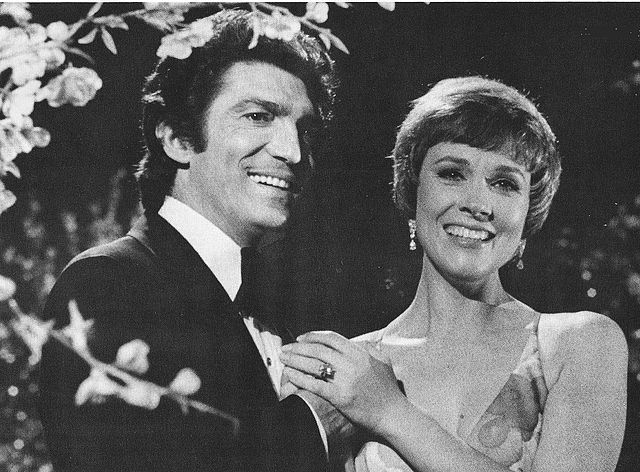
Julie Andrews’ career on stage began at a young age and soon led to her becoming one of the most celebrated performers on Broadway. Her journey from the West End to Broadway marked the beginning of a remarkable rise in the world of theater, with roles that would define her as a legendary actress and singer.
Early Stage Performances
Julie Andrews made her stage debut in London’s West End when she was just a teenager. At the age of 13, she starred in Starlight Roof (1947), a popular revue show, where she impressed audiences with her incredible vocal range. This early success in London laid the groundwork for her transition to Broadway.
In 1954, at the age of 19, Julie was cast in her first Broadway production, The Boy Friend, a musical comedy. Her performance quickly caught the attention of critics and audiences alike, and it wasn’t long before she was offered a role that would change her life and career forever.
Breakthrough Role: My Fair Lady (1956)
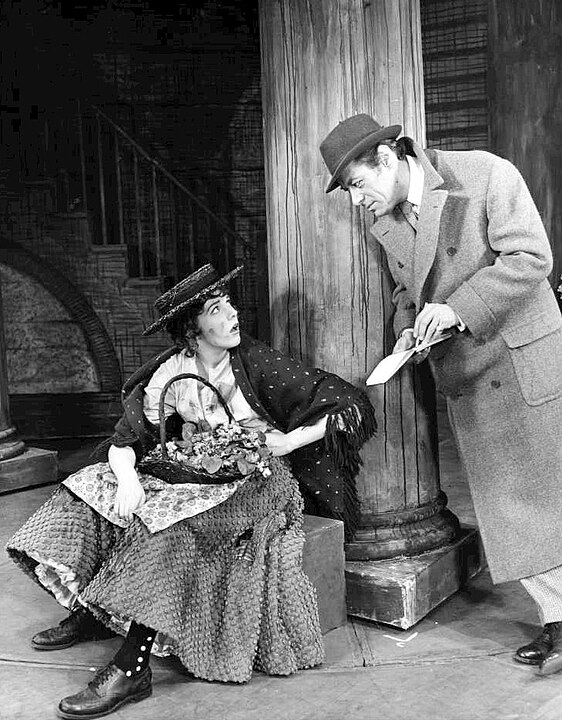
In 1956, Julie Andrews landed the role of Eliza Doolittle in the Broadway production of My Fair Lady. This role became her breakout performance, as she played the young Cockney flower girl who is transformed into a proper lady under the guidance of Professor Henry Higgins. Her portrayal of Eliza was widely praised for her strong acting and impeccable singing, making the character both vulnerable and bold.
My Fair Lady was a massive success, and Julie’s performance earned rave reviews from critics. Audiences adored her, and she quickly became one of the most talked-about actresses on Broadway. The musical ran for over two years, solidifying Julie Andrews as a leading figure in theater.
Camelot (1960)
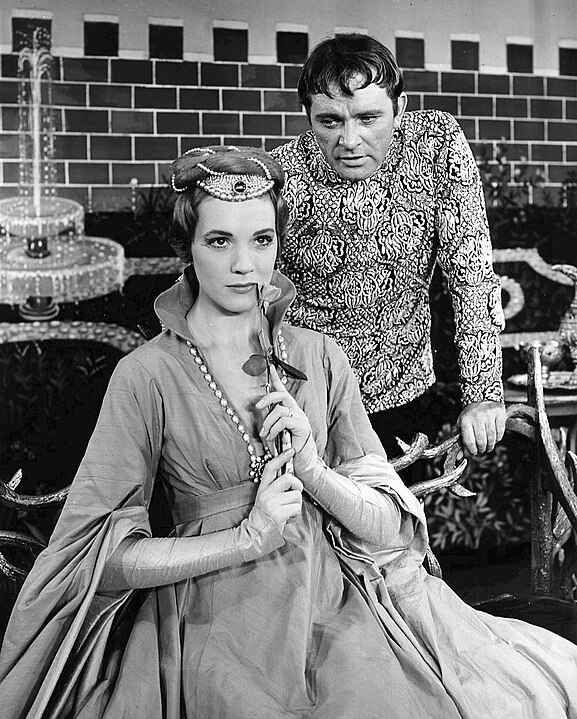
After the success of My Fair Lady, Julie Andrews took on another significant role as Queen Guinevere in the Broadway production of Camelot (1960), starring opposite Richard Burton as King Arthur. This production was also a major hit, and Julie’s portrayal of the elegant and conflicted queen showcased her versatility as a performer.
Camelot became one of the defining musicals of its time, and Julie’s performance played a key part in its success. Her on-stage chemistry with Richard Burton and her ability to bring depth to the role of Guinevere earned her further praise. This role cemented her place as a Broadway star, and by the early 1960s, Julie Andrews had become one of the most respected and admired actresses in American theater.
Through her iconic performances in both My Fair Lady and Camelot, Julie Andrews established herself as a true Broadway legend, setting the stage for her future success in film and entertainment.
Film Career
Julie Andrews’ transition from stage to screen was nothing short of extraordinary. Her talent and charm made her an instant star in Hollywood, and she delivered some of the most beloved performances in film history. From winning an Oscar to voicing characters in animated films, her versatility has kept her in the hearts of audiences for decades.
Mary Poppins (1964)
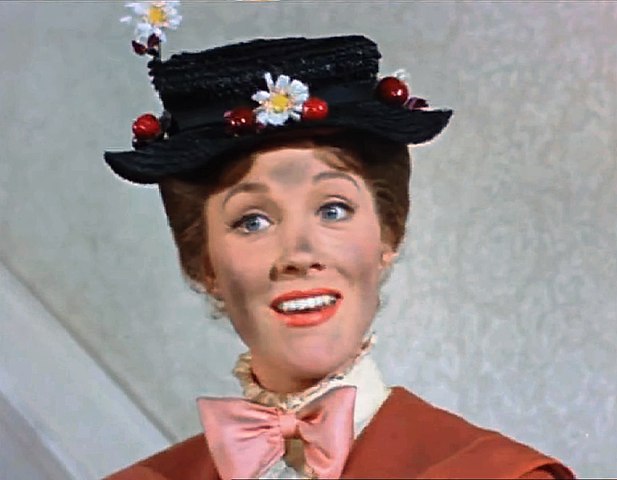
Julie Andrews made her film debut in Mary Poppins (1964), a role that earned her an Academy Award for Best Actress. Playing the magical, no-nonsense nanny, Julie’s performance was praised for her balance of warmth, humor, and a bit of sternness. Her singing, including the famous song “Supercalifragilisticexpialidocious,” showcased her exceptional vocal talents and made the character unforgettable.
The role of Mary Poppins had a huge impact on Julie’s career, instantly turning her into a household name. It also cemented her as a Hollywood star. Beyond that, Mary Poppins became a cultural phenomenon, with the character and the film continuing to influence generations of moviegoers and inspiring new adaptations, including a modern sequel.
The Sound of Music (1965)
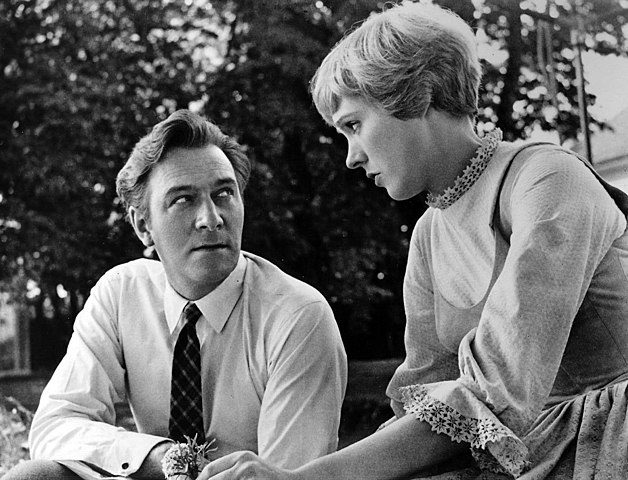
Julie Andrews followed up her success in Mary Poppins with what would become another of her most iconic roles: Maria von Trapp in The Sound of Music (1965). In this film, she played a lively and compassionate young woman who becomes a governess to a family in Austria during World War II. Her portrayal of Maria, full of joy and optimism, won the hearts of audiences worldwide.
The Sound of Music became one of the highest-grossing films of its time and remains a classic. The film’s soundtrack, featuring songs like “Do-Re-Mi” and “My Favorite Things,” has also stood the test of time. This role further solidified Julie’s place as a leading actress in Hollywood, and the film’s cultural impact is still felt today, as it continues to be adored by new generations.
Other Film Contributions
In addition to her famous roles in Mary Poppins and The Sound of Music, Julie Andrews appeared in a variety of other notable films. She starred in The Americanization of Emily (1964), showcasing her range by playing a more dramatic and complex role.
In 1982, she starred in Victor/Victoria, a musical comedy in which she played a woman pretending to be a man who performs as a woman in a Paris nightclub. Her performance earned her another Academy Award nomination, proving her ability to take on diverse and challenging roles.
Later in her career, Julie Andrews became known to younger audiences through her voice work in popular animated films. She voiced Queen Lillian in the Shrek series and played the role of Gru’s mother in the Despicable Me films. These roles introduced her to a new generation, further extending her influence in pop culture.
Enduring Appeal
Julie Andrews’ film career has had a lasting impact on audiences of all ages. Her roles in classic films like Mary Poppins and The Sound of Music are timeless, and they continue to be celebrated today. Her ability to bring warmth, grace, and humor to her characters has made her beloved across generations.
Theater Awards and Honors
Throughout her illustrious career, Julie Andrews has been recognized with numerous awards and honors for her contributions to theater, film, and music. Her exceptional talent and ability to captivate audiences have earned her prestigious accolades, celebrating her as one of the most beloved performers in the entertainment world.
Here’s a list of the key awards and honors received by Julie Andrews:
Tony Awards and Nominations
- 1956: Tony Award nomination for Best Actress in a Musical for My Fair Lady (Eliza Doolittle).
- 1960: Tony Award nomination for Best Actress in a Musical for Camelot (Queen Guinevere).
- 1967: Honorary Tony Award for contributions to Broadway.
Other Major Honors
- Academy Award (Oscar): Best Actress for Mary Poppins (1964).
- Golden Globe Awards:
- Best Actress in a Motion Picture (Musical or Comedy) for Mary Poppins (1964).
- Best Actress in a Motion Picture (Musical or Comedy) for The Sound of Music (1965).
- Grammy Awards:
- Best Recording for Children for Mary Poppins (1965).
- 2000: Dame Commander of the Order of the British Empire (DBE).
These awards highlight her extraordinary talent and contributions to entertainment across various platforms.
Legacy
Julie Andrews has left an enduring legacy in the world of entertainment. Her immense talent, grace, and versatility have made her an inspiration to countless performers, while her work in film, theater, and beyond continues to resonate with audiences of all ages.
Influence on Musical Theater and Film
Julie Andrews has had a profound impact on both musical theater and film. Her iconic roles in productions like My Fair Lady and The Sound of Music set a new standard for excellence in musical performance. Her incredible voice, combined with her ability to portray complex characters, has influenced generations of performers who aspire to follow in her footsteps.
Actors and singers often cite Andrews as a major influence, especially those in musical theater who strive for the same level of emotional depth and vocal precision she brought to the stage. Her portrayals of Eliza Doolittle and Maria von Trapp remain benchmarks for these roles, and her performances are still studied by aspiring actors.
Continued Popularity
Even in her later career, Julie Andrews has continued to captivate new generations. She ventured into television, voice acting, and children’s literature, further expanding her impact. She lent her voice to memorable roles, such as Queen Lillian in the Shrek film series and Gru’s mother in the Despicable Me franchise, bringing her charm and wit to animated characters that children and families adore.
In addition to her acting, Andrews has written several successful children’s books, often in collaboration with her daughter, Emma Walton Hamilton. These books reflect her love for storytelling and her desire to engage with younger audiences.
Julie also worked as a director, most notably directing stage productions like The Boy Friend, showcasing her passion for nurturing the arts and guiding new talent. Her commitment to the arts, both as a performer and creator, has ensured her continued relevance and admiration in the entertainment world.
Enduring Cultural Icon
Julie Andrews’ contributions to musical theater and film have left an indelible mark on the world of entertainment. Her performances in Mary Poppins and The Sound of Music remain beloved classics, and her portrayal of strong, complex female characters has made her a symbol of grace, talent, and resilience. Her influence extends beyond her filmography; she has become a cultural icon whose work transcends generations.
Final Thoughts
Julie Andrews has had a remarkable career, leaving a lasting impact on both musical theater and film. From her unforgettable performances in Mary Poppins and The Sound of Music to her later work in television, voice acting, and writing, she has inspired generations of performers and audiences alike. Her talent, grace, and dedication to the arts have made her a true icon, and her legacy will continue to shine for years to come.