

As each new decade begins, it brings unforgettable events and trends that define those years. The Roaring 20s brought economic prosperity. The 30s, marked by the Great Depression, also gave us Hollywood’s golden age. The 40s started with the sorrow and patriotism of World War II.
The 50s introduced a new era of fashion and entertainment. The 60s brought bold fashion trends, while the 70s offered free-spirited adventure. The 80s were awkward yet nostalgic, and the 90s gave us several unforgettable trends.
Before these decades, the early 1900s, especially the 1910s, gave us exciting pop culture. From then until the 21st century, these pioneering years have shaped our current cultural landscape. In this article, we will explore the hottest pop culture trends of the 1910s.
Fashion Trends
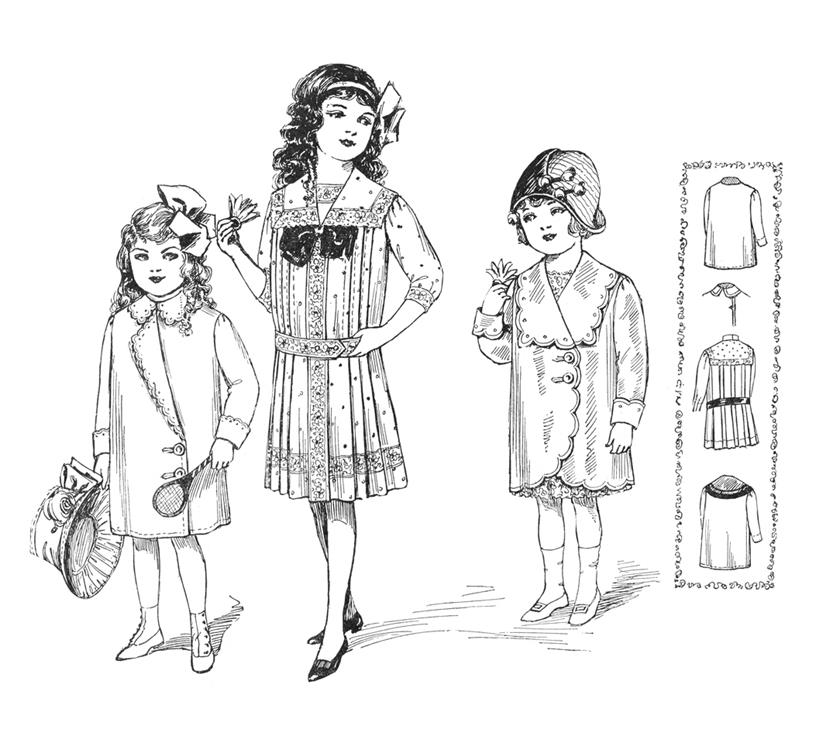
The 1910s were a time of significant change in fashion. As the world faced World War I and other societal shifts, clothing styles adapted to meet new needs and reflect evolving cultural norms. This decade saw the rise of more practical and comfortable clothing, influenced by the demands of the time and the innovations of key designers.
Women’s Fashion
Women’s fashion underwent a major transformation during the 1910s. Practicality became a priority as many women entered the workforce and took on roles traditionally held by men.
- Practicality and Simplicity: As World War I progressed, women needed more functional clothing. Skirts became shorter, often reaching just above the ankle, allowing for easier movement. The restrictive corsets of the past were replaced by looser, more comfortable garments.
- Emergence of the Flapper Style: Toward the end of the decade, the flapper style began to take shape. This new fashion featured shorter hemlines, dropped waists, and a more relaxed fit, symbolizing the growing independence of women.
Men’s Fashion
Men’s fashion in the 1910s also saw a shift towards practicality and comfort. The formal, stiff styles of the Edwardian era began to relax.
- Relaxed Styles: Suits became less rigid, with trousers often cuffed at the bottom and jackets featuring a looser fit. This change reflected the practical needs of the wartime period.
- Casual Wear: Casual clothing such as sweaters, knickerbockers, and sports coats gained popularity. This shift indicated a move towards a more modern, less formal way of dressing.
Influence of Designers
Designers played a pivotal role in shaping the fashion of the 1910s, introducing innovative styles that set the stage for future trends.
- Paul Poiret: Known for his vibrant and exotic designs, Poiret liberated women from corsets with his flowing lines and vivid colors, inspired by Eastern cultures. His work was both luxurious and comfortable, appealing to fashion-forward women of the time.
- Coco Chanel: Chanel introduced comfortable, stylish clothing that broke away from the restrictive fashions of the past. Her use of jersey fabric, previously reserved for men’s underwear, was revolutionary.
Music and Dance

The 1910s were a dynamic decade for music and dance, marked by the rise of new genres and the popularity of vibrant dance styles. These trends reflected the era’s social changes and the cultural influence of diverse communities. The music and dance of the 1910s left a lasting impact on the entertainment landscape, setting the stage for future developments in these fields.
Ragtime Music
Ragtime music was one of the defining sounds of the 1910s. This genre, characterized by its syncopated rhythms and lively melodies, gained widespread popularity during this decade.
- Key Figures: Scott Joplin, known as the “King of Ragtime,” was a central figure in the ragtime movement. His compositions, such as “The Entertainer” and “Maple Leaf Rag,” became iconic pieces that defined the genre.
- Cultural Impact: Ragtime music brought a new level of energy and complexity to popular music, influencing future genres like jazz and blues.
Jazz Beginnings
While jazz would come to dominate the music scene in later decades, its roots can be traced back to the 1910s. This period saw the early development of jazz, particularly in New Orleans.
- Early Influences: Jazz began to emerge from the fusion of African American musical traditions, including blues and ragtime. The improvisational nature of jazz set it apart from other genres.
- Migration and Spread: The Great Migration, which saw many African Americans move from the South to northern cities, helped spread jazz music across the United States.
Dance Craze
The 1910s were also a time of vibrant dance styles that captivated the public’s imagination. Dance halls and ballrooms became popular venues where people gathered to enjoy the latest dance trends.
- Popular Dances: The foxtrot, tango, and Charleston were some of the most popular dances of the 1910s. These dances were characterized by their lively, energetic movements and often accompanied by the latest music.
- Dance Halls: Venues like the Ziegfeld Follies and various vaudeville theaters played a significant role in promoting these dances. Dance halls became social hubs where people could enjoy music and dance together.
Cultural Significance
Music and dance in the 1910s were more than just entertainment; they were expressions of the social and cultural shifts happening at the time.
- Social Change: The popularity of new music and dance styles reflected broader social changes, including the increasing urbanization and the blending of cultural influences from different communities.
- Cultural Blending: The music and dance of the 1910s were influenced by various cultural backgrounds, including African American, Latin-American, and European traditions. This blending created a rich, diverse cultural tapestry that would shape future artistic developments.
Film and Entertainment

The 1910s were a transformative decade for film and entertainment. This period saw the rise of the silent film era, the continued popularity of vaudeville, and the birth of early animation. These developments revolutionized how people experienced storytelling and entertainment, laying the foundation for the modern entertainment industry.
Silent Films
Silent films were the dominant form of cinema in the 1910s. Without synchronized sound, these movies relied on visual storytelling, title cards, and live musical accompaniment.
- Key Figures: Charlie Chaplin, Mary Pickford, and Douglas Fairbanks were some of the biggest stars of the silent film era. Chaplin, in particular, became an international icon with his character “The Tramp,” blending comedy with social commentary.
- Iconic Films: Movies like “The Birth of a Nation” (1915) and “Intolerance” (1916) by D.W. Griffith showcased the technical and narrative advancements of the time. Although “The Birth of a Nation” is controversial for its racist content, its innovative techniques had a significant impact on filmmaking.
- Hollywood’s Rise: The 1910s saw Hollywood emerge as the epicenter of the film industry. Studios like Universal, Paramount, and Warner Bros. were established, setting the stage for Hollywood’s dominance in global cinema.
Vaudeville
Vaudeville continued to be a popular form of entertainment in the 1910s. This variety show format featured a mix of comedy, music, dance, and novelty acts.
- Diverse Acts: Vaudeville shows included comedians, musicians, dancers, magicians, and acrobats, offering something for everyone. This variety made vaudeville a family-friendly form of entertainment.
- Cultural Influence: Many film and radio stars, including Buster Keaton and the Marx Brothers, began their careers in vaudeville. The format’s emphasis on short, engaging acts influenced the development of early cinema and television.
Early Animation
The 1910s were also significant for the birth of early animation, introducing a new way to tell stories through moving drawings.
- Pioneering Animators: Winsor McCay was a key figure in early animation. His short film “Gertie the Dinosaur” (1914) showcased his innovative techniques and storytelling ability.
- Innovative Techniques: Early animations were created by drawing each frame by hand. This labor-intensive process paved the way for more advanced animation methods developed in later decades.
Cultural Significance
Film and entertainment in the 1910s were more than just a source of amusement; they were reflections of the social and cultural dynamics of the time.
- Impact of World War I: The war influenced the themes and stories of many films. Propaganda films and newsreels became common, reflecting the global conflict’s impact on society.
- Social Change: The entertainment industry mirrored the broader social changes, including shifts in gender roles and the rise of consumer culture. The emergence of film stars and fan magazines reflected the growing influence of celebrity culture.
Art and Literature

The 1910s were a vibrant period for art and literature, marked by the emergence of new movements and the response to global events such as World War I. Artists and writers explored innovative styles and themes, reflecting the rapidly changing world around them. This decade saw the rise of avant-garde art movements, significant literary works, and the growth of popular culture through magazines and pulp fiction.
Art Movements
The art world of the 1910s was characterized by experimentation and a break from traditional forms. Several influential movements emerged during this time.
- Dadaism: Born as a reaction to the horrors of World War I, Dadaism embraced chaos and absurdity. Artists like Marcel Duchamp and Hugo Ball used unconventional materials and methods to challenge established norms and provoke thought.
- Futurism: Originating in Italy, Futurism celebrated modernity, technology, and speed. Artists such as Umberto Boccioni and Giacomo Balla depicted dynamic movement and the energy of the Industrial Age in their works.
- Expressionism: In Germany, Expressionism is predominantly focused on conveying emotional experiences rather than physical reality. Artists like Egon Schiele and Ernst Ludwig Kirchner used bold colors and distorted forms to express inner turmoil and societal anxieties.
Literary Trends
Literature in the 1910s reflected the era’s social upheaval and the impact of World War I. Writers explored new themes and styles, contributing to some of the century’s most significant works.
- Impact of World War I: The war profoundly influenced literature, with many writers addressing its devastating effects. Works like Erich Maria Remarque’s “All Quiet on the Western Front” captured the brutal reality of the trenches.
- Modernism: This literary movement sought to break away from traditional narrative structures and explore deeper psychological and philosophical themes. James Joyce’s “A Portrait of the Artist as a Young Man” and Virginia Woolf’s “Night and Day” exemplify this trend.
- Poetry: The war also inspired a new wave of poetry. Poets like Wilfred Owen and Siegfried Sassoon used their verses to convey the horrors and futility of war, influencing the development of modernist poetry.
Rise of Magazines and Pulp Fiction
The 1910s saw a boom in popular culture, with magazines and pulp fiction becoming widely accessible to the public.
- Magazines: Publications like “The New Yorker” and “Vanity Fair” began to gain popularity, offering a mix of literature, commentary, and cultural criticism. These magazines helped shape public taste and disseminate new ideas.
- Pulp Fiction: Cheaply produced and widely distributed pulp fiction magazines offered thrilling stories of adventure, mystery, and science fiction. Writers like Edgar Rice Burroughs, creator of Tarzan, found success in this genre, which captivated readers with its imaginative tales.
Cultural Significance
Art and literature in the 1910s were not just forms of creative expression but also reflections of the broader societal changes and challenges of the time.
- Response to Modernity: Both art and literature responded to the rapid technological advancements and social changes of the era. This response was often one of both excitement and anxiety as creators grappled with the implications of modern life.
- Exploration of Identity: Issues of identity, gender, and the human psyche became central themes. Artists and writers explored these concepts in innovative ways, contributing to the ongoing dialogue about what it means to be human in a rapidly changing world.
Social Movements and Cultural Shifts
The 1910s were a decade of profound social movements and cultural shifts that significantly influenced society. Key events and movements, such as women’s suffrage, Prohibition, and the Great Migration, shaped the cultural landscape and left lasting impacts on American society.
Women’s Suffrage
The fight for women’s right to vote reached a crucial turning point in the 1910s.
- Suffrage Movement: Women organized and campaigned vigorously for their right to vote. Leaders like Susan B. Anthony, Elizabeth Cady Stanton, and Alice Paul were at the forefront of this movement.
- Key Events: The 1913 Women’s Suffrage Parade in Washington, D.C., and the Silent Sentinels’ White House protests were significant events that drew national attention to the cause.
- Victory: The passage of the 19th Amendment in 1920, although technically after the 1910s, was a direct result of the decade’s activism. It granted women the right to vote, marking a significant achievement in the fight for gender equality.
Prohibition
The temperance movement, which aimed to reduce alcohol consumption, gained significant momentum during the 1910s.
- Temperance Movement: Organizations like the Women’s Christian Temperance Union (WCTU) and the Anti-Saloon League led the charge against alcohol, arguing that it caused social problems such as crime and family breakdowns.
- Legislation: The movement’s efforts culminated in the passage of the 18th Amendment in 1919, which prohibited the manufacture, sale, and transportation of alcoholic beverages. This era, known as Prohibition, began in 1920 and lasted until 1933.
- Cultural Impact: Prohibition had far-reaching effects on American society, including the rise of speakeasies, bootlegging, and organized crime.
The Great Migration
The Great Migration was a mass movement of African Americans from the rural South to urban centers in the North and Midwest.
- Reasons for Migration: African Americans sought to escape the oppressive conditions of the Jim Crow South, including racial violence, limited economic opportunities, and segregation.
- Impact on Cities: Northern cities like Chicago, New York, and Detroit saw significant increases in their African American populations. This migration led to the development of vibrant cultural communities, such as Harlem in New York City.
- Cultural Contributions: The Great Migration played a crucial role in the Harlem Renaissance, a cultural revival of African American arts, music, literature, and intellectual thought in the 1920s.
Social and Cultural Shifts
The 1910s were marked by broader social and cultural shifts that reflected the changing dynamics of American society.
- Changing Gender Roles: The decade saw significant changes in gender roles, partly due to the increased participation of women in the workforce during World War I. This shift challenged traditional notions of femininity and domesticity.
- Technological Advancements: Innovations such as the automobile and telephone revolutionized daily life, making communication and transportation more accessible and efficient.
- Urbanization: The continued growth of cities brought diverse populations together, fostering cultural exchange and leading to the rise of new social norms and lifestyles.
Cultural Significance
The social movements and cultural shifts of the 1910s had lasting impacts on American society, laying the groundwork for future changes.
- Civil Rights Movement: The efforts and achievements of the women’s suffrage and African American communities in the 1910s set the stage for the Civil Rights Movement of the mid-20th century.
- Evolving Social Norms: The decade’s cultural shifts challenged traditional social norms and paved the way for greater acceptance of diverse lifestyles and identities.
Technological Advancements
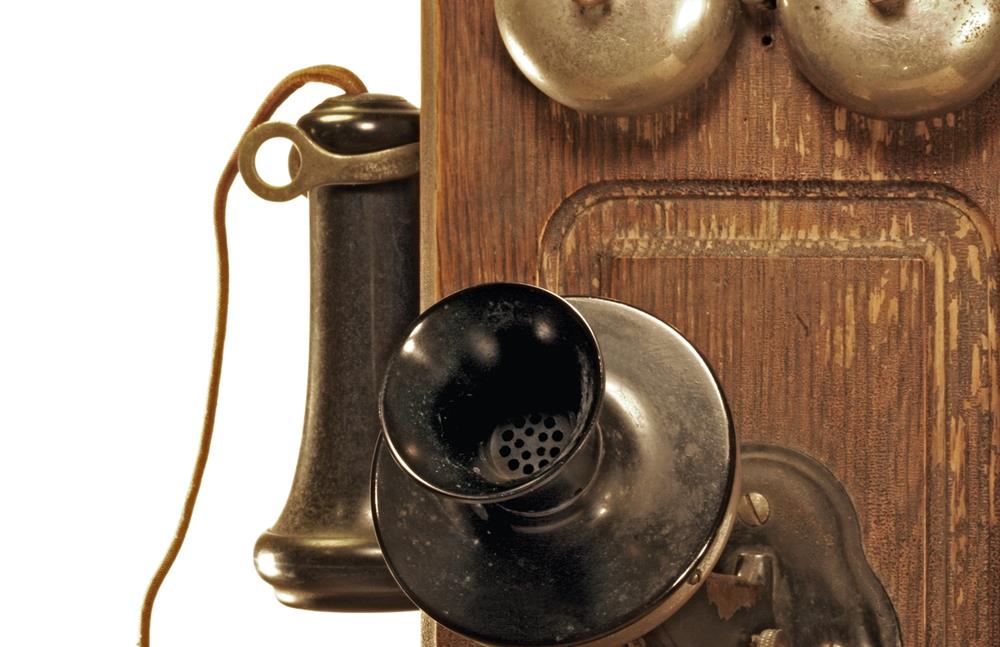
The 1910s were a decade of remarkable technological progress, marked by innovations that transformed everyday life and set the stage for future developments. Key advancements in communication and transportation significantly impacted society, enhancing connectivity and mobility.
Communication
Technological advancements in communication during the 1910s revolutionized how people connected and shared information.
- Telephone: The use of the telephone became more widespread, making real-time voice communication possible over long distances. This innovation changed both personal and business interactions, allowing for faster and more efficient communication.
- Radio: The development of radio technology made it possible to broadcast information and entertainment to a wide audience. The first commercial radio broadcast took place in 1920, but the groundwork was laid in the 1910s. This new medium would eventually become a dominant source of news and entertainment.
- Typewriter and Office Equipment: Improvements in typewriters and other office equipment streamlined business operations, increasing productivity and efficiency. These advancements facilitated the growth of administrative and clerical work.
Transportation
The 1910s saw significant advancements in transportation technology, which greatly influenced travel and commerce.
- Automobiles: The automobile industry experienced rapid growth, thanks in part to Henry Ford’s introduction of the assembly line. This innovation made cars more affordable and accessible to the general public. The Model T, introduced in 1908, became increasingly popular throughout the 1910s, revolutionizing personal transportation.
- Aviation: The field of aviation made substantial strides during the 1910s. The Wright brothers’ pioneering flights in the early 1900s set the stage for further developments. World War I accelerated advancements in aircraft design and technology. By the end of the decade, airplanes were being used for mail delivery, and commercial aviation was on the horizon.
- Public Transportation: Urban areas saw improvements in public transportation, including the expansion of streetcar systems and the introduction of bus services. These developments made city travel more convenient and accessible for residents.
Military Technology
World War I played a significant role in driving technological advancements, particularly in military technology.
- Weapons and Equipment: The war saw the introduction of new weapons, such as tanks, machine guns, and chemical warfare. These innovations changed the nature of combat and had lasting impacts on military strategy and technology.
- Medical Advances: The war also spurred advancements in medical technology and practices. Improvements in surgical techniques, the development of antiseptics, and the establishment of more organized field hospitals helped save countless lives.
Cultural Impact
Technological advancements in the 1910s had a profound impact on culture and society.
- Modern Lifestyle: Innovations in communication and transportation contributed to the emergence of a more connected and fast-paced lifestyle. People could travel farther and communicate more easily, fostering greater social and economic interactions.
- Consumer Culture: The mass production of goods, including automobiles and household appliances, led to the rise of consumer culture. Advertising and marketing became more sophisticated, influencing public perception and driving demand for new products.
Conclusion
The 1910s were a decade of tremendous change and innovation. From the rise of new fashion trends and the birth of jazz to the advent of silent films and significant technological advancements, this era laid the groundwork for many aspects of modern culture. Social movements like women’s suffrage and the Great Migration reshaped society, while new technologies in communication and transportation connected people like never before. The 1910s were an important time that influenced the world in profound ways, setting the stage for the dynamic developments of the 20th century.