

The Ilustrados played a pivotal role in shaping Filipino identity and advocating for reforms during the late 19th century Spanish colonial period in the Philippines. These educated Filipinos used their knowledge, writings, and activism to push for change and lay the groundwork for the Philippine Revolution. This article explores the contributions of three prominent Ilustrados—Graciano López Jaena, Marcelo H. del Pilar, and José Rizal—and how their efforts helped to ignite Filipino nationalism and ultimately pave the way for independence.
Who Were the Ilustrados?
The term “Ilustrados” refers to the educated Filipino class during the Spanish colonial period in the latter part of the 19th century. These individuals were typically from the middle class and had been exposed to liberal ideas while studying in Spain. The word “Ilustrados” itself means “enlightened ones,” reflecting their advanced thinking and awareness of liberalism and nationalism. The Ilustrados were positioned prominently in society, and they courageously spoke out for the interests of Filipinos, advocating for a more humane approach to Philippine politics and economics.
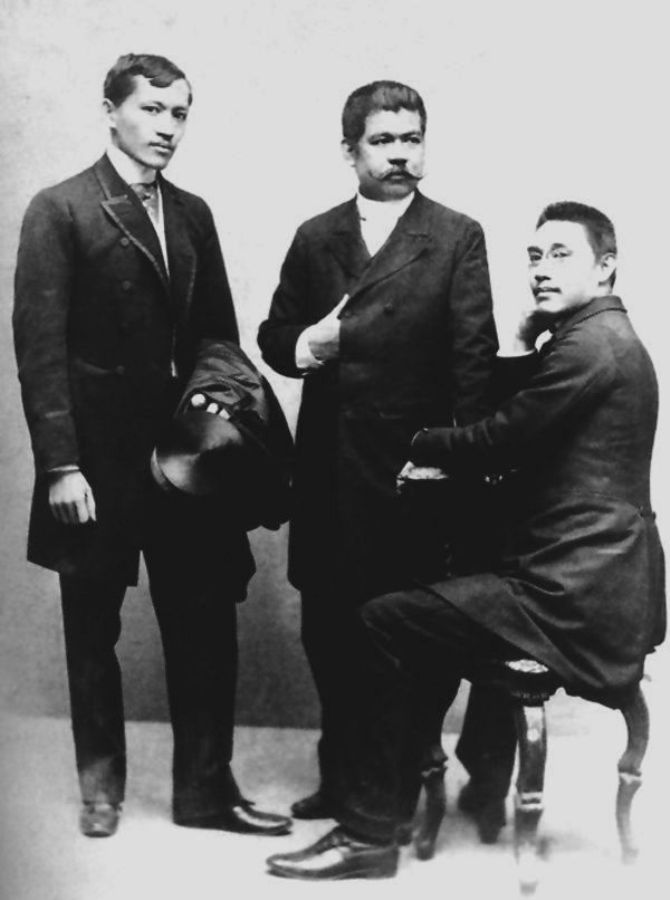
The Ilustrados expressed their frustration with the Spanish colonial authorities through their writings, which criticized the Spaniards’ uncivilized behavior and violent treatment of Filipino culture. Among the most well-known Ilustrados were Graciano López Jaena, Marcelo H. del Pilar, and José Rizal. These Filipino elites played a significant role in the history of the Philippines due to their heroic acts, particularly their involvement in the Propaganda Movement, which ultimately inspired the Philippine Revolution.
Graciano López Jaena: The Orator of the Revolution
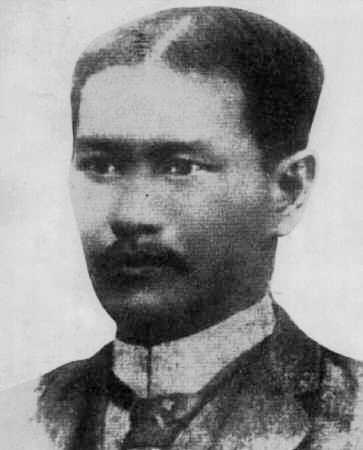
Graciano López Jaena is recognized as one of the most influential Ilustrados and a key figure in the Philippine Revolution. Known as the “Prince of Philippine Orators,” López Jaena displayed remarkable knowledge and oral skills from a young age. Despite his mother’s wish for him to enter the seminary, he pursued a career in medicine. However, due to financial difficulties, he returned to his province, where he used his medical knowledge to help people.
It was during this time that López Jaena became aware of the grievances of the Filipino people under Spanish rule. This prompted him to write “Friar Botod,” a story that exposed the violence and inhumanity of the Spanish priests. Although the story was not officially published, it circulated widely and angered the priests, leading to threats against his life. Undeterred, López Jaena continued to write and advocate for Philippine independence.
López Jaena’s most significant contribution to the revolution was the founding of the newspaper La Solidaridad, of which he was the first editor. La Solidaridad played a crucial role in the Propaganda Movement, inspiring Filipinos to fight for their rights and independence. Unfortunately, López Jaena’s life was cut short by tuberculosis, and he passed away on January 20, 1896.
Marcelo H. del Pilar: The Voice of the People
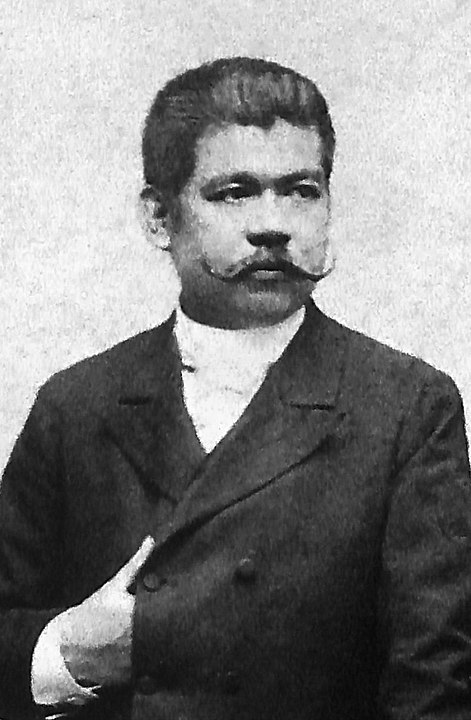
Marcelo H. del Pilar was another prominent Ilustrado whose work significantly influenced the Philippine Revolution. Like José Rizal, Del Pilar received his early education from his mother and later became a lawyer, advocate, and activist. Del Pilar was known for his keen sense of justice and his determination to expose the injustices committed by the Spanish authorities and priests against the Filipino people.
Del Pilar’s most notable work was his involvement in Dyaryong Tagalog, the first bilingual newspaper in the Philippines. The newspaper served as a powerful tool for voicing the grievances of Filipinos and advocating for much-needed reforms. One of Rizal’s early works, “El Amor Patrio” (“Love of Country”), was translated into Tagalog by Del Pilar as “Pag-ibig sa Tinubuang Lupa,” further solidifying the connection between the Ilustrados and the broader Filipino population.
Del Pilar’s ability to connect with the masses through his writings made him a key figure in the nationalist movement. He was also influential in the life of Andres Bonifacio, the leader of the Philippine Revolution, who admired Del Pilar and used his writings as a reference for his own actions. Del Pilar’s contributions to the Propaganda Movement and his influence on the revolutionaries earned him a place as one of the most respected figures in Philippine history.
José Rizal: The National Hero

José Rizal is perhaps the most famous of the Ilustrados and is widely regarded as the national hero of the Philippines. Rizal was a brilliant student who excelled in multiple fields, including medicine, literature, history, and the arts. His mother, Teodora Alonso, was his first teacher and played a significant role in shaping his character and intellect.
Rizal pursued his medical studies in Spain, where he continued to expand his knowledge and refine his skills. While in Spain, Rizal began writing his most famous works, Noli Me Tangere (“Touch Me Not”) and El Filibusterismo (“The Reign of Greed”). These novels provided a scathing critique of the social, political, and religious conditions in the Philippines under Spanish rule. Rizal’s works awakened a sense of nationalism among Filipinos and exposed the injustices that the people were suffering.
Rizal’s writings made him a target of the Spanish authorities, who ultimately arrested and exiled him to Dapitan. Despite being imprisoned, Rizal continued to write and inspire his fellow Filipinos. His final work, “Mi Ultimo Adiós” (“My Last Farewell”), was written before his execution and remains one of the most poignant expressions of love for country and dedication to the cause of freedom.
Rizal’s martyrdom at Bagumbayan (now Luneta Park) on December 30, 1896, served as a catalyst for the Philippine Revolution. His life and works continue to inspire generations of Filipinos to fight for justice, freedom, and national identity.
The Legacy of the Ilustrados
The contributions of the Ilustrados to Philippine nationalism cannot be overstated. Their writings, ideas, and actions played a crucial role in awakening the Filipino people’s sense of identity and unity. Without the efforts of the Ilustrados, the Philippines might have remained a colony for much longer, and the fight for independence would have taken a different course.
The Ilustrados believed that education and peaceful advocacy were the keys to achieving freedom. They used their intellect and talents to challenge the oppressive Spanish colonial system and inspire their fellow Filipinos to strive for a better future. Their legacy serves as a reminder of the power of knowledge, the importance of national unity, and the enduring value of standing up for what is right.
Conclusion
The Ilustrados were more than just a group of educated elites; they were the driving force behind the rise of Filipino nationalism. Their contributions laid the foundation for the Philippine Revolution and ultimately led to the country’s independence. As we reflect on their legacy, it is important to recognize the lessons they have left us: the importance of education, the power of peaceful advocacy, and the need for unity in the face of oppression. The Ilustrados’ dedication to their country and their fellow Filipinos continues to inspire us to this day, reminding us that the fight for freedom and justice is never in vain.