

The Filipino-American War (1899–1902) marked a turbulent period in Philippine history, as Filipino forces fiercely resisted American colonization following Spain’s defeat in the Spanish-American War. What began as a Filipino struggle for independence quickly escalated into a full-scale war with the United States, culminating in numerous pivotal battles.
The southern campaign, fought south of Manila, played a crucial role in shaping the conflict’s outcome. Among these, the Battles of Las Piñas, Parañaque, Zapote Bridge, and Dasmariñas stand out as critical engagements where both sides demonstrated determination and valor. These battles provide insight into the harsh conditions and intense fighting that defined this chapter of the war.
Battle of Las Piñas and Parañaque, June 10, 1899
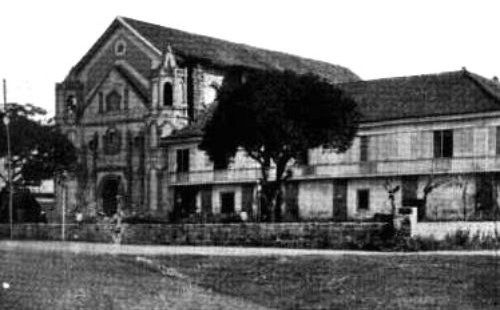
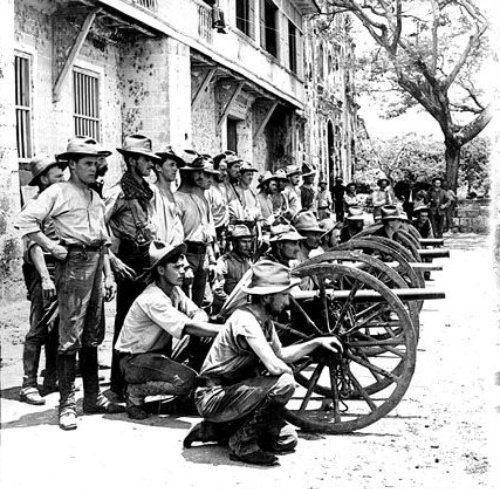
On June 10, 1899, a 4,500-strong American force assembled at San Pedro de Macati to commence an offensive south of Manila. Led by Maj. Gen. Henry Lawton, Brig. Gen. Loyd Wheaton, and Col. Samuel Ovenshine, the goal was to secure the area between Manila Bay and Laguna Lake. The American troops quickly broke through Filipino lines, advancing into a difficult terrain known as “El Desierto.” This roadless expanse of thickets, ridges, and rice fields tested the troops, with Filipino snipers harassing them at every turn.
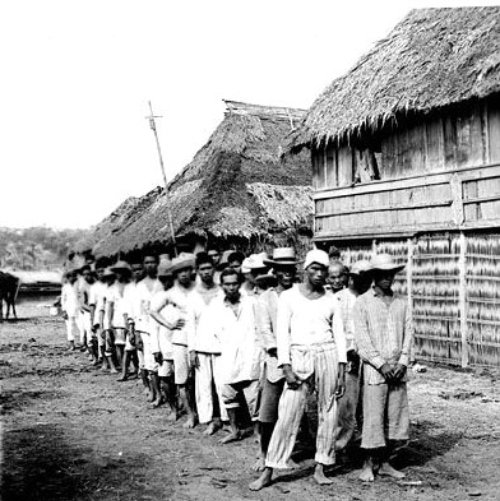
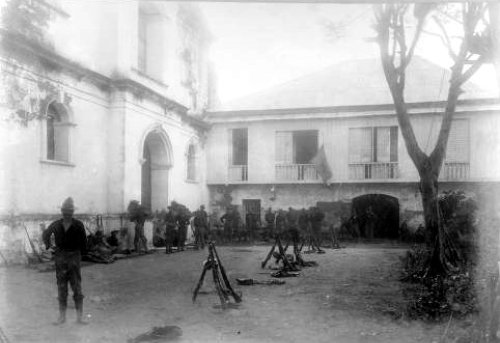
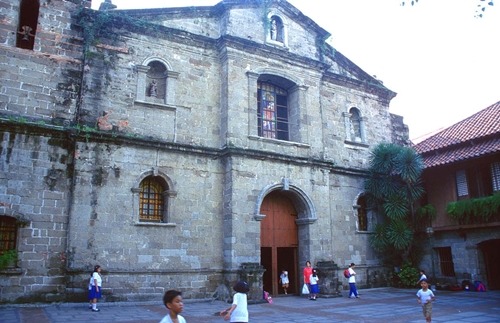
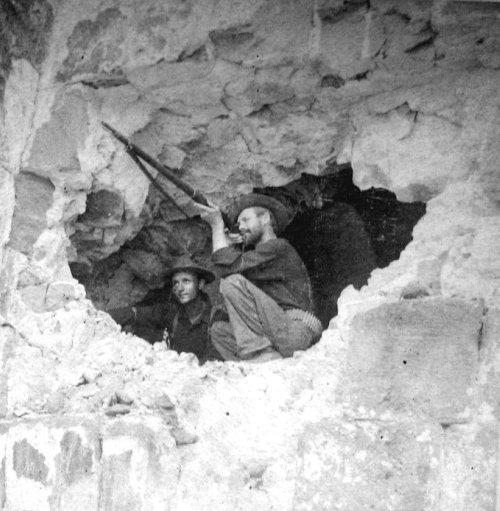

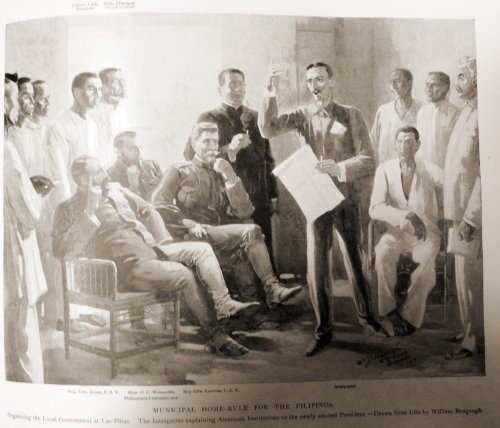
[Seated are Brig. Gen. Frederick D. Grant; Dean C. Worcester, Philippines Commissioner, and Maj. Gen. Henry W. Lawton. Standing behind Gen. Grant is Calixto Laral, President, and, to his left, Paulo Ellanigat, Vice-President. The American officials all have chairs. Only one Filipino is seated. The newly elected president is standing].
Battle of Zapote Bridge, June 13, 1899
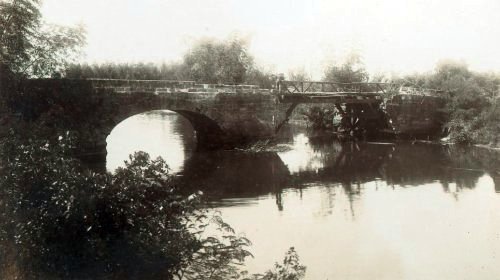
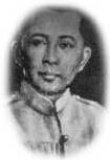
The Battle of Zapote Bridge, also known as the Battle of Zapote River, was the largest and one of the fiercest engagements of the Filipino-American War. On June 13, 1899, Maj. Gen. Henry Lawton led 3,000 American troops against 5,000 Filipinos commanded by Generals Artemio Ricarte and Mariano Noriel. The battle was a testament to the bravery of Filipino soldiers, whose resistance earned the respect of Lawton himself.
Despite the Filipinos’ determination, they faced overwhelming firepower from American rifle and machine gun fire, as well as naval bombardments. Captain William H. Sage of the 23rd US Infantry earned the Medal of Honor for his courageous actions, holding off a Filipino force with just nine men under heavy fire. Although the Americans emerged victorious, the battle underscored the tenacity of the Filipino resistance.

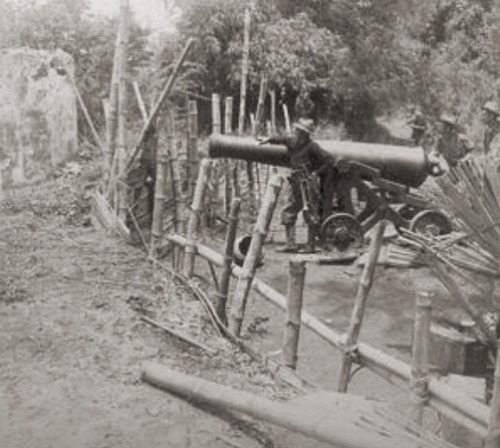
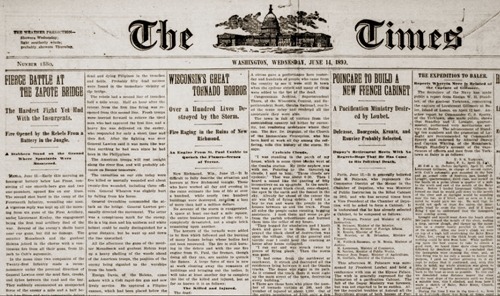
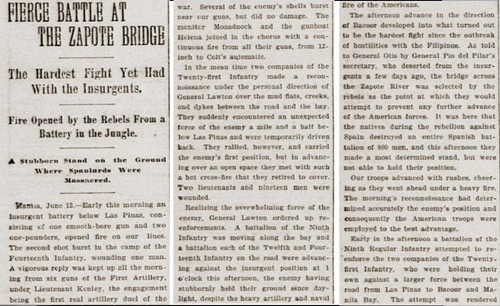

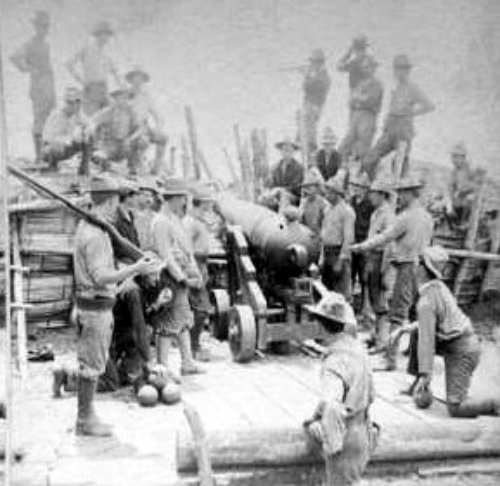
Zapote River separates what is now the city of Las Pinas in Metro Manila from Bacoor, Cavite. Zapote Bridge in ruins still stands along the General Emilio Aguinaldo Highway near Manila Bay.
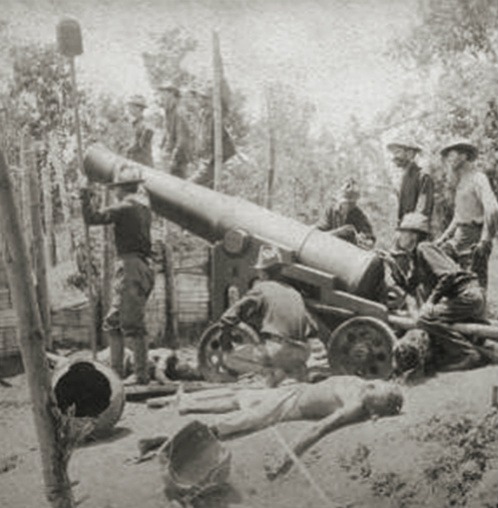
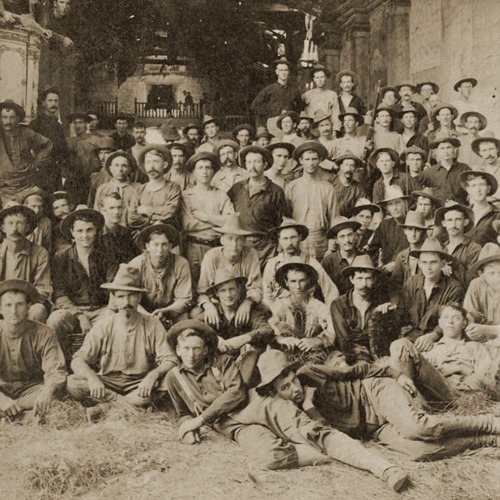
Battle of Dasmariñas, June 19–20, 1899
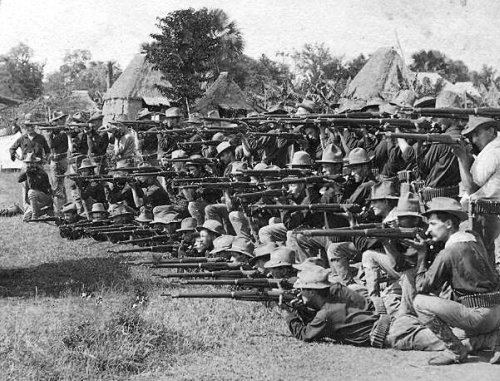
A week after Zapote, American forces turned their attention to Dasmariñas, Cavite Province. Brig. Gen. Loyd Wheaton led the assault, encountering fierce Filipino resistance. The battle resulted in heavy Filipino losses, estimated between 100 and 200 men, while the Americans suffered minimal casualties with only two killed and 16 wounded. The southern Luzon region, particularly Cavite, became a significant theater of conflict, with numerous engagements throughout the war.
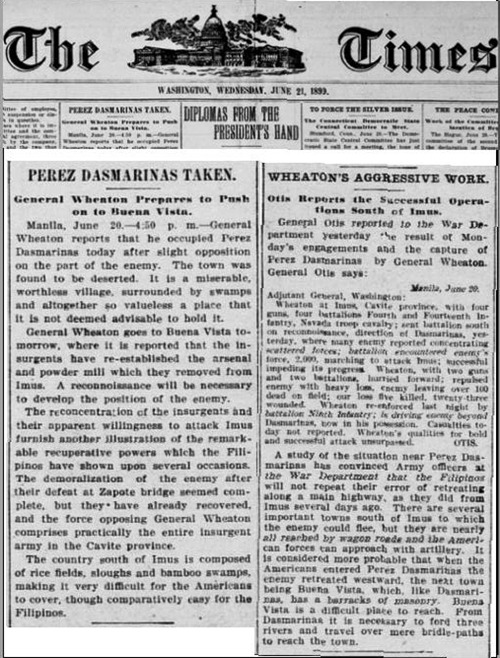
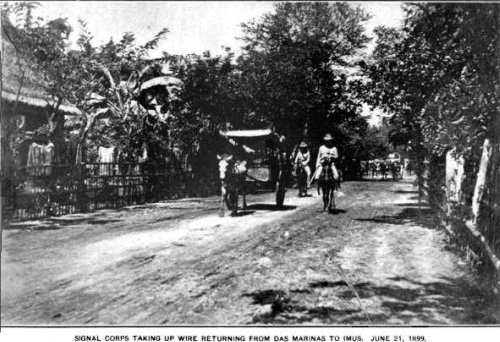
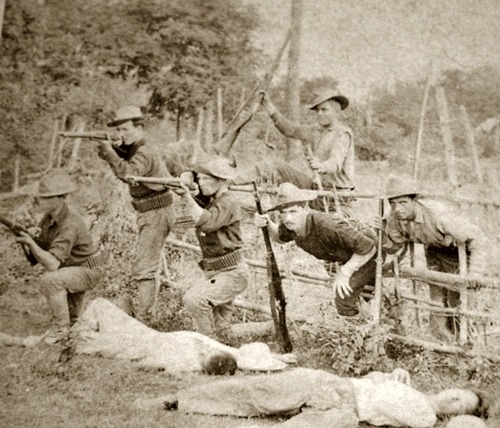
[From March 1899 to December 1901, the 4th Infantry saw extensive action in Cavite Province and throughout southern Luzon Island as part of expeditions led by Generals Henry Lawton, Theodore Swann, John C. Bates, Lloyd Wheaton, and Frederick D. Grant (son of ex-President Ulysses S. Grant) and two-time Medal of Honor recipient Lt. Col. Frank D. Bladwin.]
The news dispatch is datelined “Manila, P.I., July 10” but publication date in The Anaconda Standard is Aug. 29, 1899, page 2.
Key People Involved in the Battles
Here are the key people involved in the battles south of Manila during the Filipino-American War:
American Commanders
- Major General Henry Lawton: He’s the commander of the American forces in several key battles, including the Battle of Las Piñas, Parañaque, and Zapote Bridge. He was a highly respected leader known for his combat experience in the Civil War and the Indian Wars. He’s sympathetic to the bravery of Filipino forces despite being their adversary.
- Brigadier General Loyd Wheaton: He played a significant role in commanding American troops during the South of Manila Campaign and the Battle of Dasmariñas. He was known for leading successful offensives against Filipino positions.
- Colonel Samuel Ovenshine: He commanded American forces during the Battle of Las Piñas and Parañaque. He worked closely with Lawton and Wheaton in the southern campaign.
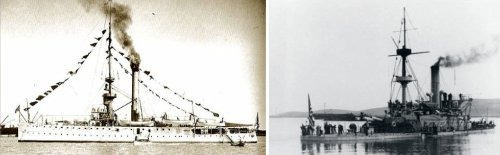
- Captain Henry Nichols: He was the commander of the USS Monadnock, a key naval vessel involved in shelling the Filipino coastal towns of Parañaque and Las Piñas. He died of heat stroke the day after the Battle of Las Piñas due to the harsh conditions.
- Captain William H. Sage: He was a hero of the Battle of Zapote Bridge, he received the Medal of Honor for his bravery in holding an advanced position with only nine men under heavy fire. He later rose to Brigadier General and served in World War I.
Filipino Commanders
- General Artemio Ricarte: He was a prominent Filipino commander in the Battle of Zapote Bridge. He was known for his leadership and resistance against American forces in defense of Filipino independence.
- General Mariano Noriel: He was co-commander with Ricarte during the Battle of Zapote Bridge. He led Filipino forces in one of the largest battles of the war.
Conclusion
The South of Manila Campaign in the Filipino-American War marked a critical phase in the broader conflict for control of the Philippines. Battles such as those fought in Las Piñas, Parañaque, Zapote Bridge, and Dasmariñas were characterized by fierce resistance from Filipino forces, who fought with determination despite being outgunned by the technologically superior American military.
While the campaign showcased the tactical skill of American commanders and the overwhelming firepower of their forces, it also highlighted the resilience and heroism of Filipino fighters defending their homeland. These encounters, fought in difficult terrain and oppressive heat, left a lasting impact on both sides and contributed to the war’s brutal legacy.