

The Battle of Caloocan occurred on February 10, 1899. It was one of the important events during the Philippine-American War. It was a fierce and bloody struggle for control over a strategic town just north of Manila. Caloocan, a vital railroad center, stood between the advancing American forces and Malolos, the seat of Emilio Aguinaldo’s revolutionary government. Both sides understood its importance, and the battle that unfolded became a pivotal moment in the conflict.
This article delves into the details of the battle, the strategies employed by both sides, the experiences of those who fought, and the profound consequences it had on the Philippine-American War. This article delves into the details of the battle, the strategies employed by both sides, the experiences of those who fought, and the profound consequences it had on the Philippine-American War.
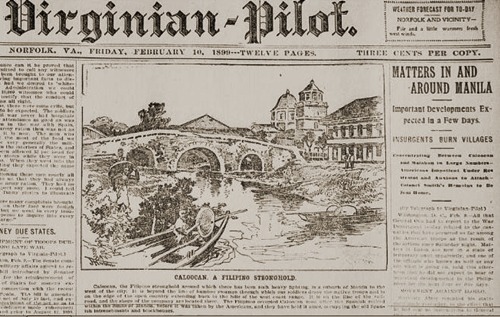
Context and Importance of Caloocan
Caloocan is a town located approximately 11 miles (17 kilometers) north of Manila. It served as a strategic railroad hub, making it an essential point of control for both the Americans and Filipinos. Additionally, Caloocan blocked the American advance toward Malolos, the capital of the revolutionary government under President Emilio Aguinaldo.
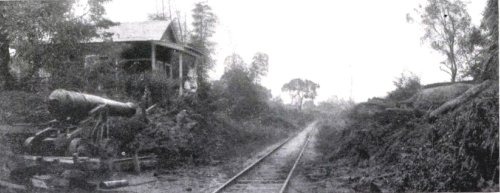
After the Battle of La Loma, American forces under Brig. Gen. Arthur C. MacArthur, Jr. sought to push northward to capture Caloocan. For days, Filipino soldiers were seen arriving by train to defend the town, preparing for what would become a brutal confrontation. General Antonio Luna, the fiery and brilliant Filipino commander, along with Jose Alejandrino, a Belgian-trained engineer, constructed defensive trenches to strengthen the Filipino resistance.

The American Advance: Capturing Caloocan
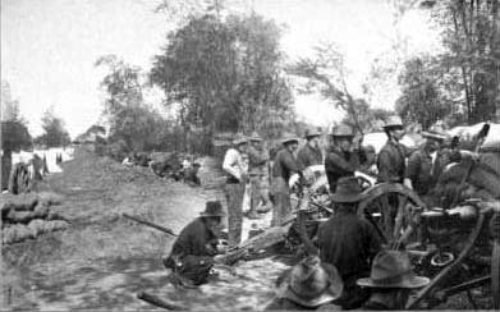
The assault on Caloocan began in the early afternoon of February 10, 1899. American soldiers, determined to seize control of the town, faced fierce resistance from the Filipinos, who fought courageously but ultimately lacked the firepower and organization to hold the line.
In his account of the battle, Edward Stratemayer described the American advance:
“On to the town! was the next cry and into the city they advanced, the Filipinos contesting every step stubbornly but unsuccessfully.”
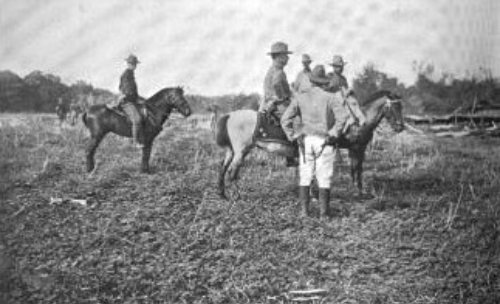
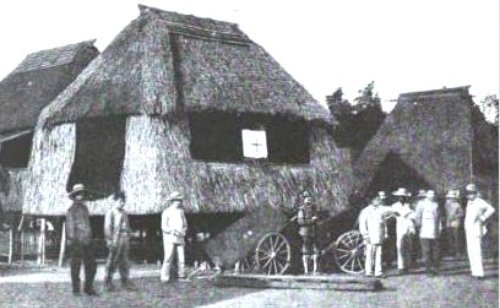
As the Americans pushed forward, they encountered Filipino soldiers taking positions in churches, public buildings, and private homes. However, the overwhelming strength of the American forces eventually forced the Filipinos to retreat. By 5:30 p.m., the American flag was raised over the Caloocan City Hall, symbolizing the end of Filipino control over the town.
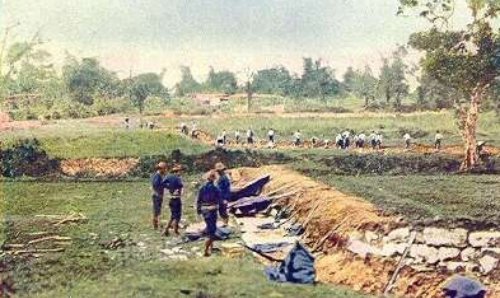
Stratemayer painted a grim picture of the aftermath of the battle:
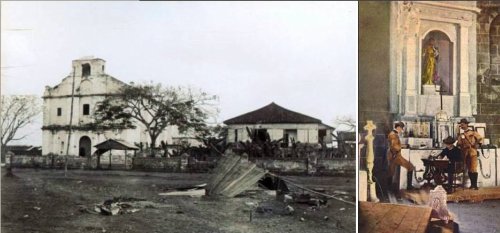
“The Filipinos tried their best to burn the main portion of the town… When the smoke of war cleared out, the inhabitants of the town found their homes in ashes, the buildings razed to the ground.”
Only a few structures survived the battle, including the Casa Tribuna, the church, and the convent.
Brutality of the War: Eyewitness Accounts
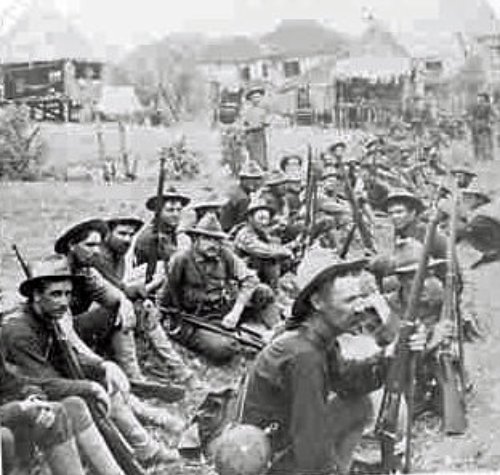
The Battle of Caloocan was marked by violence and brutality on both sides. Charles Bremer, a soldier from Kansas, recounted the harsh reality of combat:
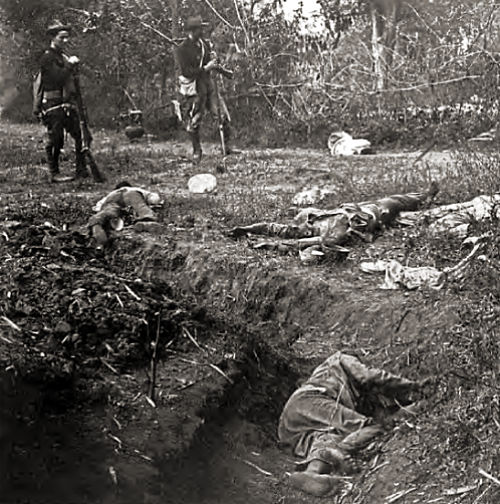
“Company I had taken a few prisoners, and stopped. The colonel ordered them up in line time after time… They asked Captain Bishop what to do, and he said: ‘You know the orders,’ and four natives fell dead.”
This stark description reflects the violent nature of the conflict, where Filipino prisoners were often executed on the spot, revealing the dark side of the war.
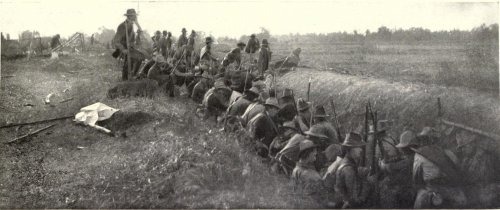
Captain David S. Elliot of the 20th Kansas Volunteers described the devastation left behind by the American advance:
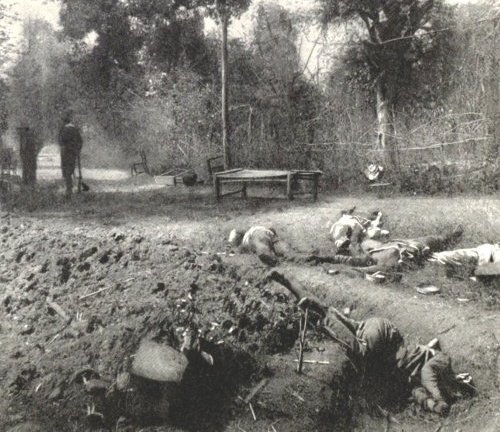
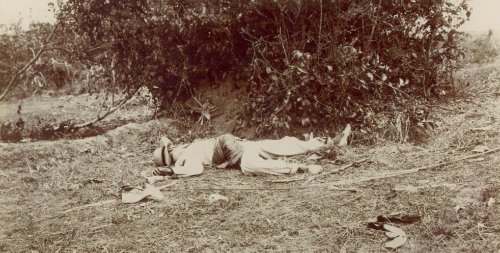
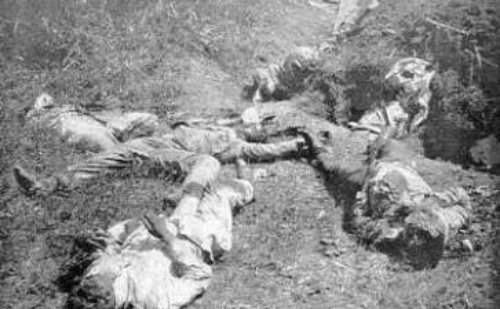
“Caloocan was supposed to contain seventeen thousand inhabitants. The Twentieth Kansas swept through it, and now Caloocan contains not one living native.”
These accounts highlight the scale of destruction and loss of life caused by the battle. The village of Maypaja, which had seen a skirmish just days earlier, was also reduced to rubble, with not a single stone left standing.
Filipino Resistance and Setbacks
Despite the heavy losses, Filipino forces continued to resist the American advance. One notable event during the battle was the refusal of the Kawit Battalion from Cavite to follow orders from General Antonio Luna. Luna, known for his strict discipline, was furious and disarmed the battalion on the spot, removing them from service. This act of insubordination would later have tragic consequences, as soldiers from the same battalion would go on to assassinate Luna in Cabanatuan on June 5, 1899.
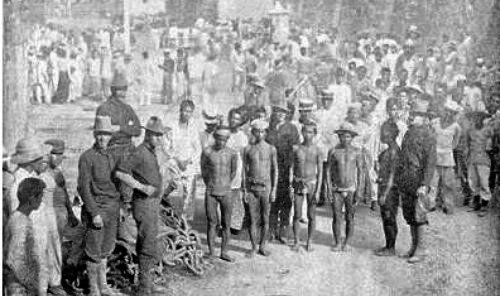
The Igorots, a group of hardy warriors from the Cordilleras in northern Luzon, also joined the battle against the Americans. Armed with spears, axes, and shields, these warriors, led by Major Federico Isabelo “Belong” Abaya, fought valiantly but were no match for the heavily armed American troops. Abaya himself would continue to resist the American occupation until his death in battle on May 3, 1900.
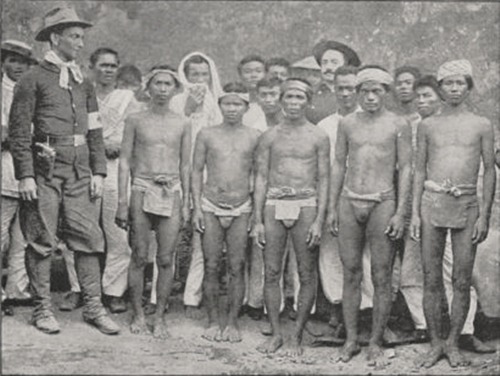
The Igorots’ participation in the battle was significant because it showed the unity among different ethnic groups in the Philippines in their fight for independence. However, the Igorots would later fall out with the Filipino revolutionary army and become allies of the Americans, providing valuable assistance as guides in the mountainous regions of northern Luzon.
Casualties and Aftermath
The Battle of Caloocan resulted in significant casualties on both sides. According to the Annual Report of the U.S. War Department, the Americans suffered 5 dead and 45 wounded. Filipino losses were much heavier, with 200 killed and 800 wounded.
Theodore Conley, a soldier from the 20th Kansas Regiment, expressed his disillusionment with the war in a letter:
“This war is reversing history. It places the American people and the government of the United States in the position occupied by Great Britain in 1776.”
Conley’s words reflected the growing sentiment among some American soldiers that the war was unjust, a stark contrast to the ideals of liberty and freedom that had shaped their nation’s own fight for independence.
The Role of the Philippine Red Cross
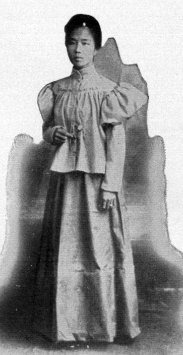
Amid the devastation of the Battle of Caloocan, the Philippine Red Cross was founded on February 17, 1899. Led by Hilaria del Rosario Aguinaldo, wife of Emilio Aguinaldo, the organization aimed to provide food and medical aid to Filipino soldiers wounded in battle. Hilaria and her team of volunteers played a crucial role in supporting the Filipino forces during this difficult time.
Hilaria Aguinaldo’s work was a testament to the resilience of the Filipino people, particularly the women who contributed to the war effort. In one of her speeches to soldiers in Tarlac, she declared:
“Though I am a weak woman, I can assure you that my prayer is for all the Filipino people…”
Hilaria del Rosario Aguinaldo died of tuberculosis in Kawit, Cavite on March 6, 1921.
Conclusion – A Turning Point in the Philippine-American War
The Battle of Caloocan was a critical moment in the Philippine-American War. Although it marked a victory for the American forces, it also highlighted the determination and bravery of the Filipino fighters. Despite the overwhelming firepower of the Americans, Filipino soldiers, including the Igorots and other ethnic groups, continued to resist in the face of impossible odds.
However, the battle also revealed the brutal realities of war, with entire towns destroyed, civilians displaced, and countless lives lost. The aftermath of the battle left the town of Caloocan in ruins, and the Philippine resistance weakened as the war continued.
Ultimately, the Battle of Caloocan was not just a story of military conquest but a reflection of the complex and painful struggle for independence that defined the Philippine-American War. As the conflict dragged on, both sides would continue to suffer losses, but the hope for freedom among the Filipino people remained unbroken.