

The Battle of Angeles took place on August 16, 1899, in Pampanga Province. After weeks of heavy rain, General Arthur MacArthur ordered an advance north from San Fernando. The goal was to capture the town of Angeles and possibly catch President Emilio Aguinaldo, who had already left the area.
American forces, led by Lt. Col. Jacob H. Smith, faced Filipino soldiers under General Venancio Concepcion. The battle was brief but intense, and it marked a key moment in the struggle between American troops and Filipino resistance fighters.
Prelude to the Battle
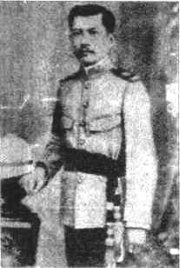
Angeles was a key town in Pampanga Province because it served as an important crossroads. Its location made it a strategic point for both the American and Filipino forces. Whoever controlled Angeles could easily move troops and supplies through the region. For the Americans, capturing the town would give them a solid base to advance further north.
After weeks of quiet due to heavy rains, General Arthur MacArthur gave the order to resume the advance north from San Fernando. The monsoon season had slowed down operations, but as the weather cleared, it became crucial for the Americans to push forward. One of their main goals was to capture President Emilio Aguinaldo, the leader of the Filipino resistance. Aguinaldo had been in Angeles earlier but had already left the town on June 21, 1899, and moved north to Tarlac Province. Although the Americans hoped to catch him in Angeles, they were too late, as Aguinaldo had escaped weeks before the battle.
American Forces and Leadership
The American forces that fought in the Battle of Angeles were well-organized and led by experienced officers. Their goal was to capture the town and use it as a base for future operations. This section looks at the structure of their forces and leadership.
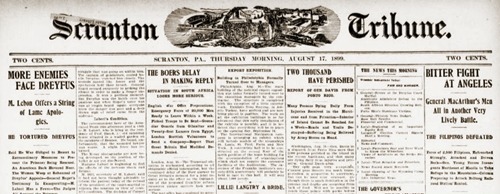
The 12th U.S. Infantry Regiment
The main American force consisted of 10 companies from the 12th U.S. Infantry Regiment. These soldiers were under the command of Lt. Col. Jacob H. Smith. Smith had orders to move his troops 10 miles north along the railroad to reach Angeles. His leadership was crucial in guiding the American forces through the challenging terrain and into battle.
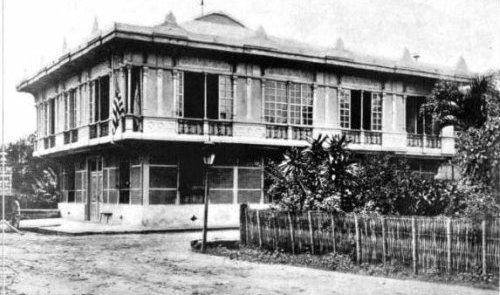
Light Battery E: Artillery Support
In addition to the infantry, the Americans brought artillery to the fight. 1Lt. William L. Kenly led Light Battery E of the 1st Artillery. His unit provided two cannons, which were key to the Americans’ ability to weaken the Filipino defenses. The entire American force consisted of 28 officers and 648 men, combining infantry and artillery to create a powerful fighting force.
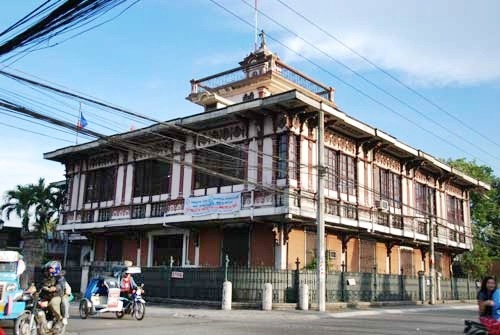
Strategic Goals
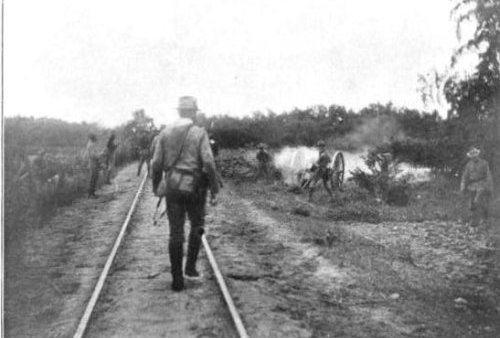
The primary goal of the American forces was to take control of Angeles. This town was not only important as a crossroads but also as a base for further advances into the northern provinces. Capturing Angeles would allow the Americans to disrupt Filipino forces and set up a strong position for future operations. Though they hoped to catch President Emilio Aguinaldo in the town, they found out he had already escaped. Despite this, capturing Angeles was still seen as a significant victory.
Filipino Defenses
The Filipino forces defending Angeles were well-prepared for the battle, using the natural terrain to their advantage. Led by General Venancio Concepcion, they positioned themselves to resist the American advance and protect their stronghold.
Forces under General Venancio Concepcion
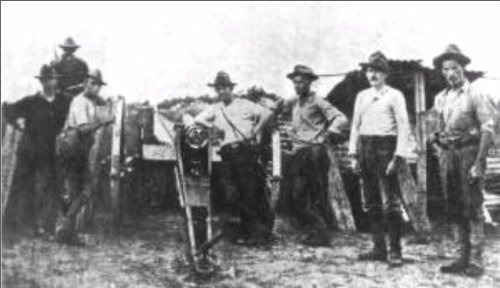
General Venancio Concepcion commanded the Filipino forces during the battle. His army was composed of about 2,500 soldiers, significantly outnumbering the Americans. These forces were made up of local fighters determined to defend their land against foreign invasion.
Composition of the Filipino Army
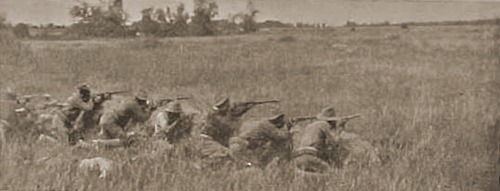
The Filipino soldiers were entrenched in bamboo thickets, a natural defense that made it harder for the Americans to see and target them. The dense bamboo provided cover while also allowing the Filipinos to fire from hidden positions. This strategic use of the terrain gave them an advantage, especially since the American forces had to cross open rice fields to reach their positions.
Strategic Positioning
The Filipino forces took up positions along the southern edge of Angeles. They carefully chose this location because it allowed them to monitor the American approach and engage from a defensive stance. The bamboo thickets, combined with the open fields the Americans had to cross, made it difficult for the American troops to launch a successful attack without being exposed to Filipino gunfire. This strategic positioning helped the Filipinos put up a strong initial resistance against the American advance.
The Battle: August 16, 1899
The Battle of Angeles began early in the morning on August 16, 1899. It was a fierce engagement between the entrenched Filipino forces and the advancing American troops, with both sides fighting hard for control of the town.
Initial Encounter
The first shots of the battle were fired at 7:20 a.m. when the American forces encountered a Filipino outpost. This initial skirmish signaled the beginning of the day’s fighting. The American troops, led by Lt. Col. Jacob H. Smith, pressed forward, hoping to push through the Filipino defenses and reach the main battlefield.
Main Battle
By 10:30 a.m., the main battle had fully erupted. The Filipinos were well-prepared, entrenched in the bamboo thickets along the southern edge of Angeles. From their hidden positions, they fired on the advancing American troops. The Americans, however, were determined to break through. They responded with artillery fire from 1Lt. William L. Kenly’s Light Battery E, which softened the Filipino defenses. The American infantry, meanwhile, advanced steadily, firing volleys as they moved through the open rice fields.
American Tactics
The Americans relied heavily on their artillery to weaken the Filipino positions. The steady volleys from the 12th U.S. Infantry Regiment also played a key role in pressuring the Filipino defenders. As the battle raged on, the combination of artillery fire and infantry assaults began to take a toll on the Filipino forces.
Filipino Withdrawal
By 11:30 a.m., after an hour of intense fighting, the Filipinos began to withdraw. Their fire slackened, and they retreated to the northern banks of the Abacan River, near Mabalacat. Though they had put up a strong defense, the Filipinos were unable to hold their positions against the advancing American forces. Their retreat marked the end of the main battle at Angeles.
Aftermath of the Battle
The Battle of Angeles ended with a clear American victory, but not without losses on both sides. The aftermath of the battle had significant consequences for both the American and Filipino forces, as well as the town of Angeles itself.
Casualties
The battle resulted in relatively light casualties for the Americans, with 2 soldiers killed and 12 wounded. On the Filipino side, the losses were far greater, with over 200 soldiers killed or wounded during the fight. Despite their strong defense, the Filipinos could not withstand the superior firepower and tactics of the American forces.
American Capture of Supplies
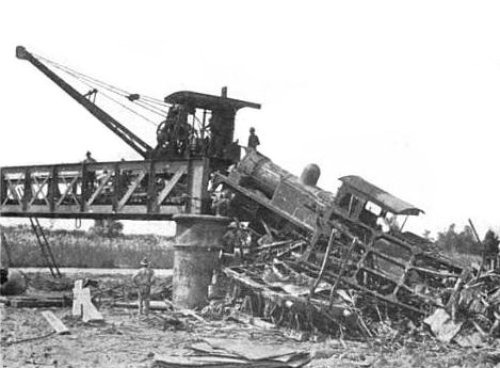
In addition to the victory on the battlefield, the Americans captured valuable supplies. They seized three locomotives and 25 rail cars, which were important for transportation and logistics. Along with this, they also captured a large quantity of unhulled rice, which provided a much-needed resource for feeding their troops. These captures dealt a blow to the Filipino forces and strengthened the American control of the area.
Strategic Importance of Angeles
With the battle won, the Americans quickly established Angeles as a new base of operations. Its location as a major crossroads made it a vital point for further advances into the northern provinces. From Angeles, the Americans could move troops and supplies more efficiently, giving them a strategic advantage in the region. This victory allowed the Americans to consolidate their power in Pampanga and prepare for future campaigns against the Filipino resistance.
The Monsoon Season Stalemate
After the Battle of Angeles, the American forces faced a new challenge—heavy monsoon rains. These rains dramatically slowed down their progress, creating a period of stalemate that lasted for several months.
Impact of Heavy Rains
The monsoon season made it nearly impossible for the American forces to continue their operations. The rains turned roads into muddy, impassable routes, forcing the Americans to stay in Angeles for an extended period. While they had achieved a victory in the battle, the weather kept them from advancing further north or launching new offensives. The Americans had no choice but to wait out the rainy season, delaying their plans to move against other Filipino strongholds.
American Forces Grow in Strength
Although the rains halted their movements, the American forces used this time to build up their strength. By the end of October 1899, their numbers had grown significantly, reaching 7,016 men. This increase in manpower made the American position in Angeles much stronger, allowing them to prepare for future campaigns once the weather improved. The troops were stationed not only in Angeles but also in nearby towns like San Fernando, Bacolor, Santa Rita, and Guagua, creating a network of strongholds in the area.
Filipino Harassment
Despite being confined to their bases due to the weather, the American forces faced constant harassment from the Filipinos. Starting on August 17, the day after the battle, Filipino fighters launched a series of guerrilla-style attacks on the American positions. These attacks, though not large-scale battles, were a continual source of pressure. Filipino forces, estimated at around 15,000, took advantage of the rainy season to keep the Americans on edge, making it clear that the conflict was far from over.
Filipino Defensive Line
As the Americans settled in Angeles during the rainy season, the Filipino forces were far from defeated. Under the leadership of General Venancio Concepcion, they organized a strong defensive line to resist further American advances.
Forces Led by General Venancio Concepcion
General Venancio Concepcion continued to lead the Filipino resistance after the Battle of Angeles. By this time, the Filipino forces had swelled to an estimated 15,000 soldiers, significantly outnumbering the American troops. Despite their losses in the battle, the Filipinos remained determined to defend their land and prevent the Americans from pushing further north.
The Defensive Line
The Filipino forces established a well-organized defensive line that stretched from the town of Porac in the west to Magalang in the east. The center of this line was positioned in front of Mabalacat, a strategically important town north of Angeles. This line of defense created a barrier between the American forces in Angeles and the rest of northern Luzon. The Filipinos used the natural terrain to their advantage, setting up positions that were difficult for the Americans to attack head-on.
Leadership Structure
The Filipino defensive line was divided into several brigades, each commanded by experienced generals. General Tomas Mascardo, a prominent leader in the Filipino resistance, commanded the forces at Porac. Generals Luciano San Miguel, Maximino Hizon, and Servillano Aquino led other sections of the line. Together, these leaders coordinated their brigades to maintain a strong defense against any potential American attacks. Despite their limited resources, the Filipinos’ organized structure and leadership helped them hold the line for several months, even as they faced continued pressure from the growing American forces.
Resumption of Hostilities – November 1899
After months of waiting due to the heavy monsoon rains, the hostilities between American and Filipino forces resumed in early November 1899. With the end of the rainy season, the Americans were ready to take the offensive once again.
End of the Rainy Season
By early November, the rains had finally let up, making it possible for the American forces to move out of their base in Angeles and resume their campaign. The improved weather conditions allowed the Americans to transport troops, artillery, and supplies more effectively, which had been nearly impossible during the monsoon season. This set the stage for a renewed American offensive against the Filipino defensive positions.
American Offensive on November 2, 1899
On November 2, 1899, the Americans launched their offensive against the Filipino defensive line, which stretched from Porac to Magalang. The primary focus of their attack was the center of the line at Mabalacat, where the Filipinos had positioned their strongest forces. The American troops, now reinforced and better prepared, moved swiftly and decisively. Their objective was to break through the line that had held them at bay for months.
Breaking the Filipino Defensive Line
Within three days of intense fighting, the Americans successfully broke the Filipino defensive line. The combination of their superior firepower and better coordination allowed them to overpower the Filipino positions. The Filipinos, despite their efforts to hold their ground, were unable to withstand the full force of the American assault. The fall of the defensive line marked a significant victory for the Americans and opened the path for further advances into northern Luzon.
This decisive offensive broke the organized resistance in the area and signaled the beginning of the end for Filipino defenses in central Luzon.
Conclusion
The Battle of Angeles was a key moment in the Philippine-American War. Although the Filipinos fought bravely, the Americans ultimately took control of the town and used it as a base for future operations. Despite the heavy rains slowing down the conflict, the Americans grew stronger and eventually broke through the Filipino defenses in November 1899. This victory helped the Americans push further into northern Luzon and weakened the Filipino resistance in the region.