

In 1899, during the Philippine-American War, the regions of Ilocos and Cagayan became important battlegrounds. Filipino forces, led by General Manuel Tinio, fought hard to defend these areas from American troops. Tinio and his men built defenses along the coast and tried to slow down the American advance.
As the war continued, the Filipinos faced tough challenges. General Emilio Aguinaldo, the leader of the Filipino resistance, was retreating north, and the Americans were determined to capture him. Meanwhile, in Cagayan, General Daniel Tirona, who had taken control of the region from the Spanish, was forced to surrender to the Americans.
Let us learn about the key events that took place in Ilocos and Cagayan during this critical time in the war.
The Invasion of Ilocos (November 26 – December 17, 1899)
In late 1899, the American forces focused on capturing the Ilocos region in Northern Luzon. This area was crucial for the Filipino resistance, as General Manuel Tinio and his brigade were stationed there to defend it. The invasion marked a significant turning point in the Philippine-American War, as the Filipino forces faced increasing pressure from the advancing U.S. military.
General Manuel Tinio and the Defense of Ilocos

General Manuel Tinio was the military governor of the Ilocos provinces and commanded the Filipino forces in Northern Luzon. His brigade, known as the “Tinio Brigade,” was composed of nearly 2,000 men, including riflemen, bolomen (armed with traditional weapons), cavalrymen, and artillerymen. Tinio’s strategy was to defend the more than 270-kilometer coastline stretching from La Union to Ilocos Norte.
By April 1899, Tinio had built 640 defensive trenches along the coast, with the help of Gen. Jose Alejandrino, an engineer. These defenses were designed to slow down the American advance. However, as the Americans moved deeper into the Philippines, the situation became more challenging for the Filipino forces.

The First American Assaults
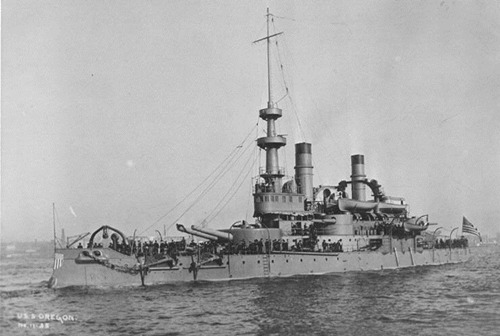
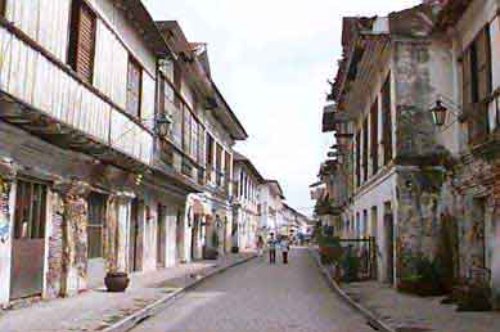
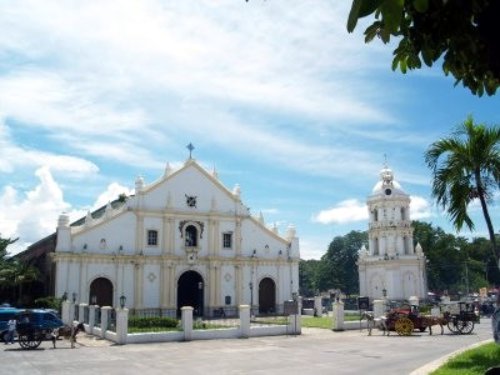
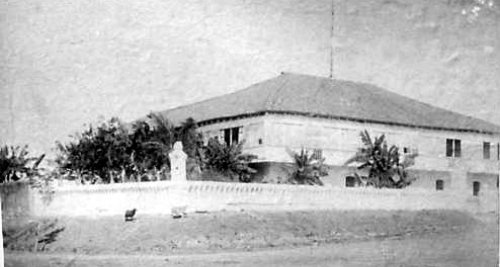
On November 26, 1899, the Americans launched their invasion of Ilocos. U.S. warships, including the U.S.S. Oregon and U.S.S. Samar, bombarded the coastal town of Caoayan in Ilocos Sur. The Americans landed more than 200 infantrymen and marines, quickly taking control of the area without facing much resistance. This marked the start of the American occupation of Vigan, the provincial capital.
With the Americans advancing, Filipino forces under Gen. Benito Natividad, who was left in charge of Vigan, evacuated the town before the bombardment. Meanwhile, General Tinio was occupied further south, trying to protect General Aguinaldo’s retreat from the pursuing American forces.
Aguinaldo’s Retreat and Tinio’s Tactical Movements
While the Americans continued their assault, Aguinaldo’s forces were retreating northward. On November 23, 1899, Aguinaldo reached the town of Angaki in Ilocos Sur. He decided to move into the mountains to escape the American forces. General Tinio, meanwhile, withdrew his men from their coastal positions and moved north to slow down the American advance.
General Tinio’s strategy was to divert the Americans away from Aguinaldo by engaging them further north. On November 29, Tinio set up defensive positions at Tangadan Pass, a key location between Narvacan and San Quintin. His forces tried to block the advancing Americans, but after a fierce three-hour battle, Tinio’s men were forced to withdraw.
The Capture of Vigan and Further American Advances
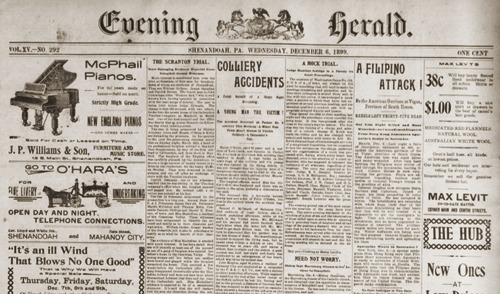
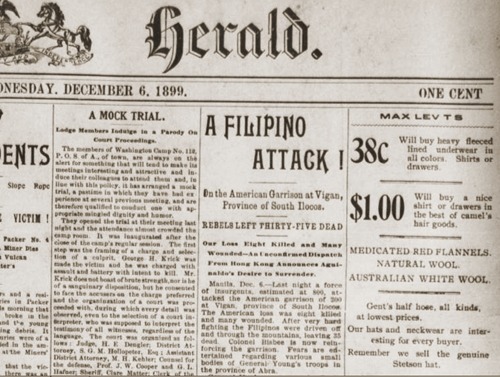
On December 4, 1899, Tinio made a bold move by launching a surprise attack on American forces stationed in Vigan. The attack, which took place under the cover of darkness, resulted in intense street fighting that lasted for several hours. Although Tinio’s forces were eventually pushed out of Vigan, they inflicted casualties on the American soldiers.
Despite this effort, the Americans continued their push northward. On December 7, U.S. troops captured the town of Batac, and by December 10, they had occupied Laoag and Bangui. The Filipino forces, unable to hold their positions, were forced to retreat further into the mountains.
The Battle of Vigan (December 4, 1899)
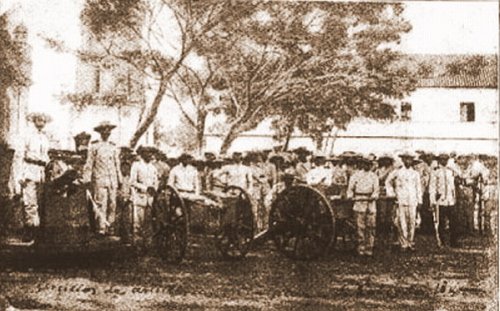
The Battle of Vigan was a significant engagement in the Philippine-American War, where Filipino forces launched a surprise attack on American troops occupying the town of Vigan, the capital of Ilocos Sur. General Manuel Tinio, determined to strike back after the Americans captured much of Ilocos, planned a bold assault on the U.S. soldiers stationed in the town.
Tinio’s Bold Plan
After the American forces captured Vigan on November 26, 1899, General Tinio and his brigade regrouped in the surrounding areas. Tinio, knowing the importance of Vigan as a provincial capital and strategic location, devised a plan to reclaim the town. His goal was to disrupt American control and slow their advance in Ilocos.
On the night of December 4, under the cover of darkness, around 800 Filipino soldiers stealthily approached Vigan. Tinio aimed to surprise the U.S. troops of Company B, 33rd Infantry Regiment, which numbered around 153 soldiers. The Filipinos planned to catch the Americans off-guard in a swift and decisive attack.
The Battle Begins
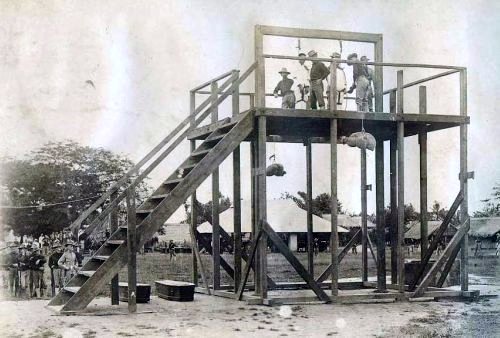
At 2:00 a.m. on December 4, Tinio’s forces launched their surprise assault. The Filipinos managed to sneak into Vigan, quickly engaging the American soldiers stationed there. The battle turned into intense street fighting, with gunfire erupting throughout the town. For four hours, both sides exchanged heavy fire in the narrow streets, as the Filipinos attempted to overpower the U.S. troops.
Despite their initial success in catching the Americans by surprise, the Filipinos were eventually pushed back by the well-trained and heavily armed U.S. soldiers. The Americans, though outnumbered, managed to hold their ground and repel the attack.
Casualties and Aftermath
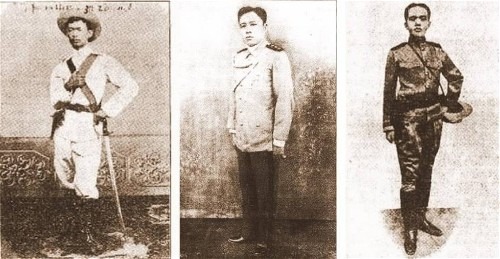
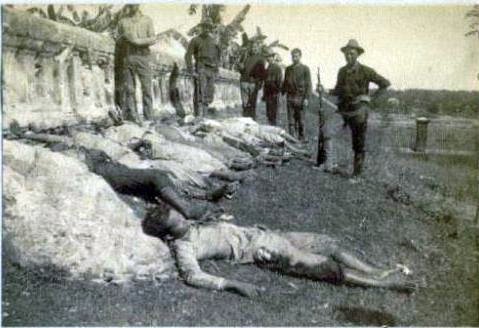
The battle resulted in significant casualties for both sides. According to U.S. military reports, 8 Americans were killed and 3 wounded during the engagement. On the Filipino side, the losses were much heavier, with around 100 Filipino soldiers killed in the fighting. Additionally, 32 Filipinos were captured, and the Americans seized 84 rifles from the defeated forces.
Four American soldiers were later awarded the Medal of Honor for their bravery during the battle. These soldiers were Lt. Col. Webb Cook Hayes, Lt. Col. James Parker, Pvt. James McConnell, and Pvt. Joseph Epps.
Significance of the Battle
Although the Filipinos were unable to recapture Vigan, the battle demonstrated their determination to resist American occupation. The boldness of General Tinio’s attack, despite the odds, highlighted the fierce Filipino resistance that continued even as American forces gained more control over the region.
The Battle of Vigan also signaled to the Americans that the war was far from over. The Filipino forces, though weakened, were still capable of launching effective attacks and disrupting U.S. operations. Tinio and his men continued to resist, retreating to more remote areas to carry on the fight in the months that followed.
The Fall of Ilocos and General Tinio’s Last Stand
As the American invasion of Ilocos intensified, the Filipino forces under General Manuel Tinio found themselves facing overwhelming odds. Despite their efforts to hold key positions, the relentless advance of American troops forced Tinio and his men to retreat northward.
The American Advance and Capture of Key Towns
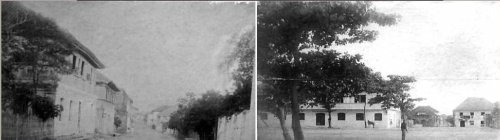
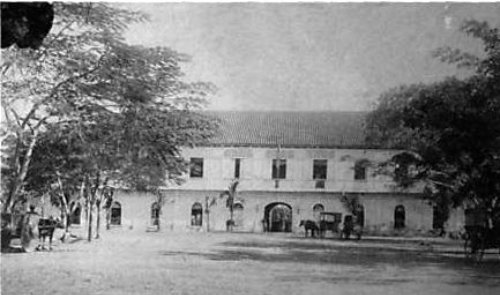
Following the Battle of Vigan on December 4, 1899, the Americans continued their aggressive push into the Ilocos region. U.S. forces, bolstered by reinforcements, moved northward from Vigan, capturing key towns along the way. On December 7, American troops reached Batac, followed by the occupation of Laoag and Bangui on December 10. The speed and strength of the American advance made it difficult for the Filipino forces to hold their ground.
General Tinio, recognizing the growing danger, ordered his men to withdraw from their coastal defenses and retreat into the interior. The Americans, determined to crush the remaining resistance, pursued the retreating Filipino forces relentlessly. Tinio’s troops were outnumbered and outgunned, but they continued to engage the Americans in a series of skirmishes as they moved north.
The Battle of Tangadan Pass
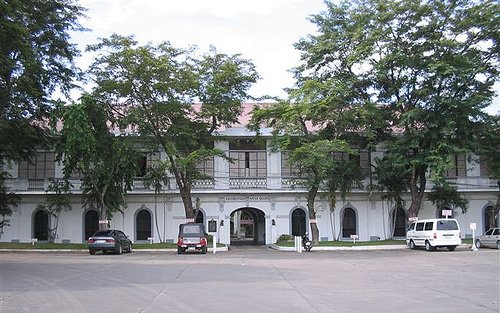
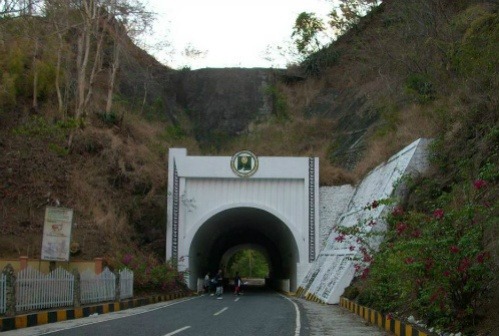
One of the key engagements during this retreat took place at Tangadan Pass, a strategic mountain pass between Narvacan in Ilocos Sur and San Quintin in Abra. On December 4, the same day as the Battle of Vigan, Tinio’s forces set up defensive positions at the pass, hoping to block the American advance. The U.S. forces, led by Brig. Gen. Samuel B. M. Young, launched an assault on the Filipino positions, leading to a fierce three-hour battle.
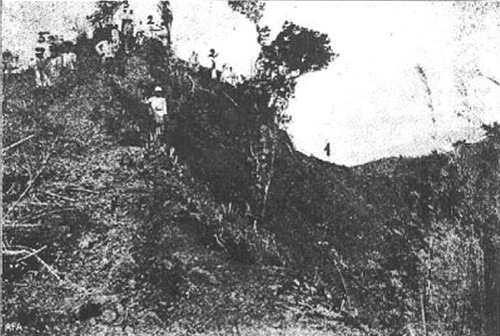
Although Tinio’s men fought bravely, the Americans eventually managed to outflank them by climbing an adjacent hill under the cover of darkness. Realizing that their position was no longer defensible, Tinio ordered his men to retreat further north. The battle resulted in the deaths of 35 Filipinos, while 13 Americans were wounded.
Retreat to the Mountains of Abra and Ilocos Norte
After the defeat at Tangadan Pass, General Tinio and his remaining forces retreated to the more remote areas of Ilocos Norte and Abra provinces. The Americans, now in control of the major towns, continued to pursue Tinio, determined to capture or destroy the last organized Filipino resistance in the region.
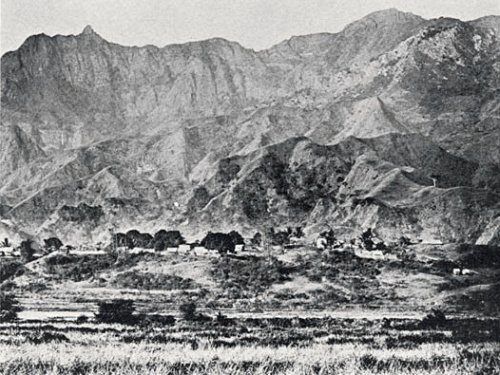
Tinio withdrew to the mountains of Solsona in Ilocos Norte, where he began fortifying the peak of Mt. Bimmauya. The rugged terrain provided a natural defensive advantage, and Tinio’s men used it to prepare for a potential last stand against the Americans. However, by this time, the Filipino forces were severely depleted, and supplies were running low.
The Fall of Ilocos
Despite Tinio’s efforts, the Americans continued to make gains. On December 17, U.S. forces captured the key trenches at Cabugao and Sinait, forcing the remaining Filipino forces, led by Capt. Francisco Celedonio, to retreat. The Americans solidified their control over Ilocos, marking the end of large-scale resistance in the region.
Although the fall of Ilocos was a significant blow to the Filipino cause, Tinio and his men continued to resist from the mountains. Over the next few months, Tinio led a guerrilla campaign against the occupying forces, relying on hit-and-run tactics to harass the Americans. His efforts, though valiant, were not enough to change the tide of the war.
General Tinio’s Legacy
General Manuel Tinio’s last stand in Ilocos symbolizes the determination and bravery of the Filipino revolutionaries who fought against overwhelming odds. Even after the fall of Ilocos, Tinio continued to resist, refusing to give up the fight for independence. His leadership in the defense of Northern Luzon earned him a place in Philippine history as one of the country’s most resilient military commanders.
Though the fall of Ilocos marked the end of organized resistance in the region, Tinio’s efforts contributed to the larger guerrilla warfare campaign that continued throughout the Philippines. His courage and tenacity inspired future generations of Filipinos in their struggle for freedom.
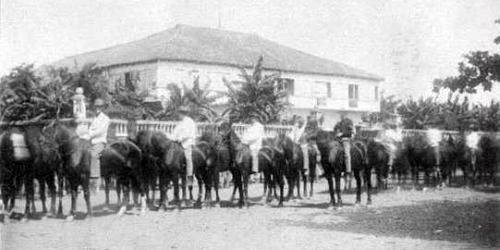
The Surrender of the Cagayan Valley (December 11, 1899)
The surrender of the Cagayan Valley on December 11, 1899, marked another critical moment in the Philippine-American War, as American forces secured control over Northern Luzon. This region, comprising the provinces of Cagayan, Isabela, and Nueva Vizcaya, had been under Filipino control since the revolution against Spain. However, by the end of 1899, the relentless advance of American troops and the growing pressure on Filipino forces led to the surrender of the region’s military governor, General Daniel Tirona.
General Daniel Tirona’s Role in the Cagayan Valley
General Daniel Tirona, a native of Kawit, Cavite, played a key role in securing the Cagayan Valley from Spanish control during the Philippine Revolution. On August 25, 1898, shortly after the declaration of Philippine independence, Tirona captured the town of Aparri from the Spaniards. Following this victory, Emilio Aguinaldo appointed Tirona as the military governor of the Cagayan Valley, placing him in charge of defending the region against foreign forces.
For over a year, Tirona managed to maintain control over the valley, overseeing both its military and civil administration. However, with the outbreak of the Philippine-American War in February 1899 and the subsequent American campaign to occupy the northern regions of the Philippines, the situation in Cagayan became increasingly dire.
The Approach of American Forces
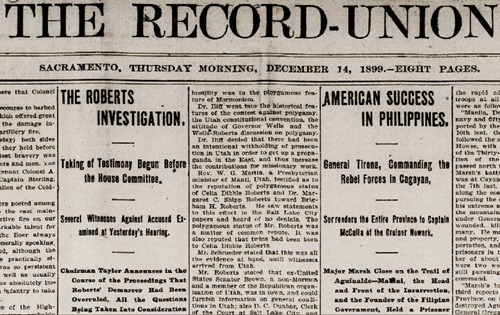
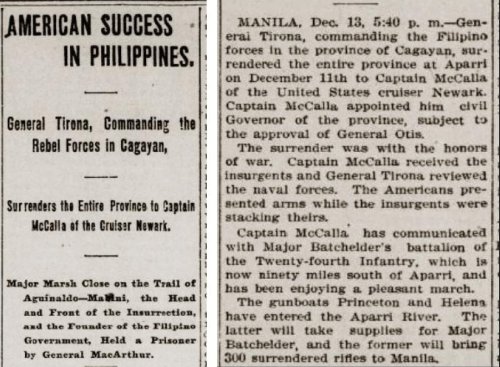
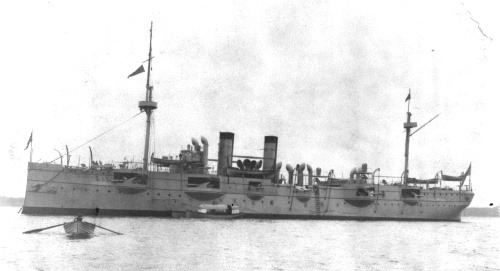
By late 1899, the American forces had successfully captured key areas of Northern Luzon, including the Ilocos region, forcing Filipino forces to retreat. In December 1899, Captain Bowman H. McCalla of the U.S. Navy cruiser USS Newark arrived at Aparri, the main port of the Cagayan Valley, with the goal of securing the region for the United States. The American advance left Tirona with limited options, as his forces were outmatched in both firepower and numbers.
Recognizing the futility of further resistance, General Tirona decided to surrender the Cagayan Valley to the Americans. His decision, though difficult, was made in an effort to avoid unnecessary bloodshed and destruction in the region.
The Formal Surrender
On December 11, 1899, General Daniel Tirona formally surrendered to Captain McCalla in Aparri. The surrender was conducted with the honors of war, a sign of respect given to the Filipino forces for their earlier efforts in the revolution. During the ceremony, the Filipino troops stacked their rifles, totaling about 300 weapons, and Tirona reviewed the U.S. naval units in return.
In addition to overseeing the surrender of his troops, Tirona was appointed as the temporary civil governor of the Cagayan Valley by Captain McCalla, pending further orders from Major General Elwell S. Otis, the military governor of the Philippines. This appointment marked the beginning of American administration in the region.
Aftermath of the Surrender
Following the surrender, American forces quickly established control over the major towns of the Cagayan Valley. A company of U.S. troops was stationed in each of the key towns:
- Aparri, Lallo, and Tuguegarao in Cagayan Province
- Cabangan Nuevo, Cordon, Echague, and Ilagan in Isabela Province
- Solano in Nueva Vizcaya Province
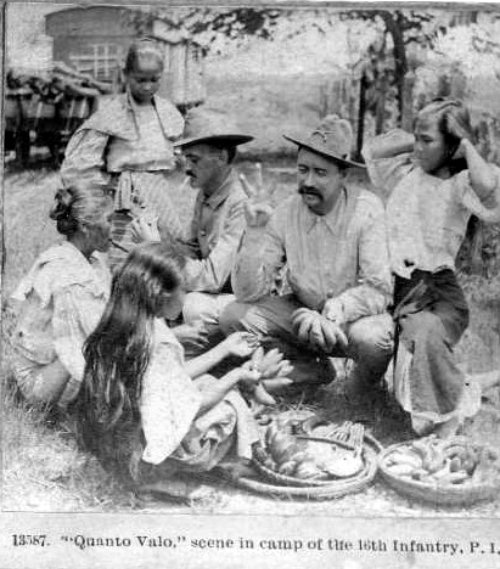
On December 21, 1899, Colonel Charles C. Hood, commanding the 16th U.S. Infantry Regiment, was appointed the military governor of the Cagayan Valley, formally replacing Tirona’s position.
Impact on the Philippine-American War
The fall of Ilocos and the surrender of the Cagayan Valley in late 1899 had a significant impact on the course of the Philippine-American War. These events marked the collapse of organized Filipino resistance in Northern Luzon, giving the Americans control over a vast and strategically important region. The surrender of General Daniel Tirona in Cagayan and the retreat of General Manuel Tinio’s forces in Ilocos severely weakened the revolutionary army’s ability to maintain a united front.
With these key areas secured, the American military shifted its focus toward suppressing smaller pockets of guerrilla resistance throughout the archipelago. The loss of Northern Luzon, combined with the death of General Gregorio del Pilar at Tirad Pass, demoralized the remaining Filipino forces and signaled the beginning of the end for the organized Philippine resistance in the war. Despite this, sporadic guerrilla warfare continued in various provinces, prolonging the conflict but with diminishing success.
Conclusion
The events in Ilocos and the Cagayan Valley in 1899 marked a turning point in the Philippine-American War. Despite their brave efforts, Filipino forces led by Generals Tinio and Tirona were unable to stop the American advance. The fall of these key regions weakened the overall resistance and helped the U.S. solidify its control over Northern Luzon.
While the war continued through guerrilla tactics, the surrender of Ilocos and Cagayan showed the challenges the Filipino forces faced in defending their independence. These battles remain a testament to the courage of the Filipino fighters during this difficult period in the nation’s history.