

When you think of the vice presidency, what comes to mind? Maybe it’s a largely ceremonial job, a “spare” for the presidency, or even an office that often gets overlooked. But that hasn’t always been the case. Across American history, some vice presidents took this traditionally modest role and made it influential, strategic, and, in many cases, essential to the workings of government. These vice presidents transformed the office into a role that commands respect, demands attention, and wields real power.
Let’s take a closer look at how John Adams, Thomas Jefferson, Richard Nixon, Walter Mondale, and Al Gore each redefined the office. By navigating challenges, expanding political influence, pioneering foreign policy engagement, reshaping the office’s physical and decision-making space, and championing critical issues, they laid the groundwork for the modern, impactful vice presidency.
John Adams

Back in 1789, the office of vice president was barely defined. The Constitution itself offered little guidance, suggesting that the vice president’s main role was to preside over the Senate. In essence, the job description was unclear, leading many to see it as purely ceremonial. But John Adams, America’s first vice president, saw it differently.
Adams, with a background as a lawyer and a diplomat, understood the importance of strong leadership, especially in a new, untested government. Rather than sitting passively in the Senate, he made his presence known. Adams took his position seriously and often engaged in debates, breaking what would have otherwise been an unremarkable tradition of silence from the presiding officer. He may not have had direct influence over policies, but by offering his thoughts and interpretations on legislative matters, Adams began building a bridge between the executive and legislative branches. In doing so, he set a precedent for vice presidents to be more than figureheads.
“I am Vice President. In this I am nothing, but I may be everything.” – John Adams
Adams’ approach was revolutionary for the time. By actively participating in Senate debates, he laid a foundation for the vice presidency as a significant role within the government. Today, his actions might seem small, but they were monumental in establishing the idea that the vice president could—and should—play an active role in governance.
Thomas Jefferson
Thomas Jefferson took Adams’ foundation and built upon it, adding layers of political influence that would turn the vice presidency into a more strategic position. Unlike Adams, Jefferson wasn’t content with simply presiding over the Senate. He saw the office as a springboard for his political goals, leveraging his time as vice president to lay the groundwork for his eventual presidency.
Jefferson’s vision for America was ambitious, and he used his vice presidency to advance that vision. Beyond the formalities, he formed strategic alliances and engaged with foreign dignitaries, showcasing diplomatic skills that were unconventional for a vice president. His actions demonstrated that the vice presidency could serve as a platform for leadership on the national and even international stage.
“I prefer the tumult of liberty to the quiet of servitude.” – Thomas Jefferson
Jefferson’s approach redefined the role’s potential, proving that the vice president could be a dynamic political figure, not just a placeholder. His active engagement set the stage for vice presidents to use the office as a launchpad for greater influence, adding a layer of strategic significance that would influence the office’s future.
Richard Nixon
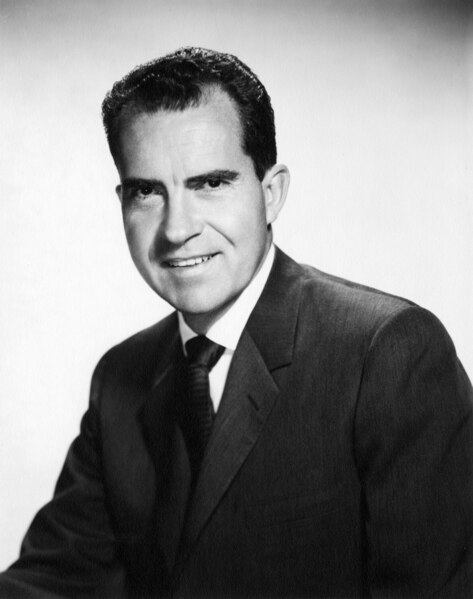
By the time Richard Nixon stepped into the vice presidency in the 1950s, America was on the global stage in an unprecedented way. Nixon saw the value in using the office as a platform to establish himself as a political strategist with expertise in foreign policy. He worked under President Dwight D. Eisenhower, a seasoned military leader, and he seized every opportunity to make the vice presidency count for more than just ceremonial duties.
Nixon wasn’t just content to wait in the wings. Instead, he traveled extensively, meeting foreign leaders and representing the United States abroad. His time as vice president included notable trips to the Soviet Union and Latin America, where he presented himself as a statesman who understood the complexities of global diplomacy. These trips were not only about building his own profile; they were about enhancing the role of the vice president as an active representative of the U.S. on the world stage.
“People react to fear, not love; they don’t teach that in Sunday school, but it’s true.” – Richard Nixon
Nixon’s approach reshaped the vice presidency’s scope, emphasizing that the office could play a vital role in international relations. His strategic vision inspired future vice presidents to see the position as more than a “standby” for the presidency, transforming it into a role with diplomatic clout and political maneuvering.
Walter Mondale
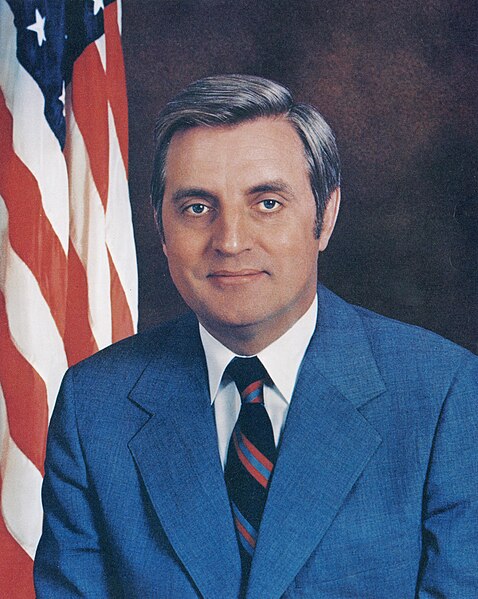
Fast forward to the late 1970s, and we see yet another shift in the vice presidency under Walter Mondale. When Jimmy Carter chose Mondale as his running mate, he sought more than just a partner in elections; he wanted a collaborator in governance. Mondale seized the opportunity, negotiating a role that would place him directly within the president’s inner circle. He became the first vice president to have an office in the West Wing—a significant and symbolic move that showed the vice presidency was no longer a distant, secondary office.
Mondale’s close relationship with Carter, exemplified by their weekly lunches and frequent consultations, was a groundbreaking change. He was not only present in the decision-making process but was directly involved in shaping policy. This shift marked the beginning of the modern vice presidency, where the vice president would have a seat at the table in critical discussions and decisions.
“We told the truth, we obeyed the law, we kept the peace.” – Walter Mondale, on the Carter administration
Mondale’s influence on the vice presidency created a new standard: the vice president as an active advisor and a trusted partner to the president. This approach has influenced every administration since, making the vice presidency a central, collaborative role in governance rather than a backup or ceremonial position.
Al Gore
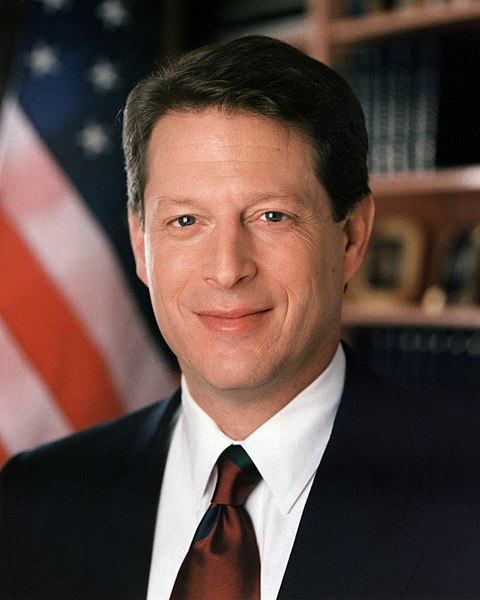
The next leap in the vice presidency came with Al Gore, who brought a passion for specific issues—environmental policy and technological advancement—that would shape his role and define his legacy. Gore, serving under President Bill Clinton, was the first vice president to focus heavily on policy areas with long-term global significance. In particular, he was an outspoken advocate for environmental reform, leading the charge on climate change awareness and pushing for sustainability initiatives both nationally and internationally.
Gore’s influence went beyond environmentalism. He foresaw the transformative potential of the internet and became an advocate for expanding its accessibility. By championing technology and pushing for what he called the “information superhighway,” Gore helped lay the groundwork for the digital revolution that would define the coming decades.
“We must make the rescue of the environment the central organizing principle for civilization.” – Al Gore
Gore’s role as a policy advocate redefined what it meant to be vice president. His work showed that the vice presidency could be a powerful platform for championing critical issues, inspiring future officeholders to use their position to promote meaningful, long-term policy change.
Conclusion
Each of these vice presidents—Adams, Jefferson, Nixon, Mondale, and Gore—took a traditionally passive office and redefined it in ways that profoundly shaped the role. They transformed the vice presidency into an influential position, adding layers of political strategy, foreign policy expertise, active decision-making, and policy advocacy.
Today, the vice president is often seen as a partner to the president, a spokesperson on key issues, and a bridge between the administration and the public. This is a long way from the “spare” role that John Adams held. Thanks to the legacy of these pivotal figures, future vice presidents have a model of influence, ambition, and partnership to follow.
The vice presidency has come a long way, evolving in response to the needs of each era and the ambitions of those who held it. And who knows? The office may yet continue to evolve, as future leaders build upon the foundations laid by these transformative figures. Today’s vice presidents have more power and visibility than ever, and as history has shown, they are more than capable of making the most of it.