

When you hear the name Napoleon Bonaparte, the image that often comes to mind is of a small, determined man with his hand tucked into his coat, leading armies across Europe. But Napoleon’s true strength went far beyond his iconic stance or his relentless ambition. He was a military mastermind who transformed how wars were fought, blending speed, surprise, and innovative tactics in ways that forced armies everywhere to rethink strategy. His impact remains woven into both military doctrine and strategic thinking in many fields, even over 200 years later.
So, what was it that made Napoleon such a genius on the battlefield? Let’s dive into the tactics he used, the innovations he pioneered, and the powerful lessons his legacy offers for anyone looking to understand—or emulate—effective strategy.
Master of Speed and Surprise
Napoleon’s rise to military dominance was largely due to his mastery of speed and surprise, which allowed him to control the battlefield on his own terms. At a time when armies moved slowly, Napoleon saw that rapid maneuvers could disorient the enemy, forcing them to react rather than attack. And for Napoleon, “speed” didn’t just mean moving fast; it meant moving decisively, without hesitation.
Consider one of his most famous battles: Austerlitz in 1805. Here, Napoleon faced the combined forces of the Austrian and Russian armies, who were confident they could overpower him with sheer numbers. But Napoleon had other plans. He deliberately left his right flank weak, tempting the Allies into an overconfident attack. Once they took the bait, he quickly countered, using his hidden reserves to trap and destroy large portions of their forces. This battle wasn’t won just by speed – it was a carefully timed strategy where Napoleon’s quick movements forced the Allies to play by his rules.
Napoleon’s focus on speed extended to his entire army, which he trained rigorously to march and maneuver faster than any other force in Europe at the time. He broke his forces into corps, or independent units that could operate separately but converge quickly when needed. This corps system allowed him to cover large areas rapidly, keeping his enemies constantly guessing where he might strike next. Armies under his command could seemingly appear out of nowhere, striking before the enemy even realized what was happening. This strategic approach mirrors how the U.S. forces aimed to assert control during the Filipino-American War, facing unexpected resistance as they tried to impose their authority.
Revolutionary Military Tactics
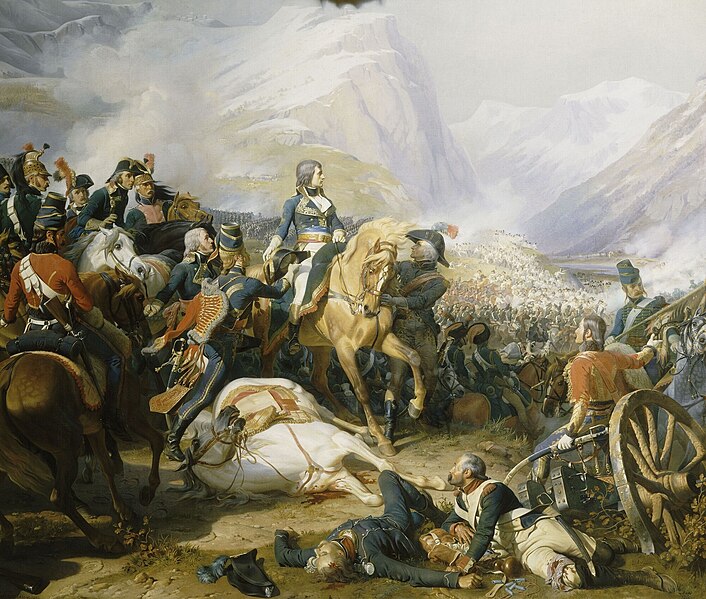
Napoleon didn’t just move fast—he moved with a purpose. He transformed military tactics, breaking away from the rigid, predictable movements that characterized warfare up until his time. At the heart of his success was his ability to adapt his tactics based on the needs of each battle, constantly surprising his enemies with new approaches.
One of his most influential tactics was his reorganization of artillery. Traditionally, cannons were heavy, slow, and mostly stationary. Napoleon saw their potential and created a system where artillery was integrated with the rest of his forces and able to move quickly to the front lines. He reorganized artillery into independent units that could strike hard and then shift position before the enemy knew what hit them. This mobility allowed him to bombard enemy lines in key locations, “softening” them up before his infantry or cavalry advanced.
And speaking of cavalry, Napoleon had an extraordinary ability to use these fast-moving forces to outflank and confuse his opponents. His cavalry wasn’t just for dramatic charges; it was a flexible force used for reconnaissance, flanking, and pursuing retreating enemies. In battles like Marengo and Friedland, his cavalry played essential roles in disrupting enemy formations, allowing his other forces to attack from multiple angles. The use of cavalry in such a versatile way was a new concept, pushing the boundaries of what an army could achieve on the battlefield.
Together, these tactics—integrating artillery, combining arms, and utilizing flexible cavalry—enabled Napoleon to create a fighting force that was adaptable and nearly impossible to predict. He turned his army into a highly mobile, coordinated machine capable of executing complex strategies that left traditional generals struggling to keep up.
Exploiting Enemy Weaknesses
Part of Napoleon’s genius lay in his ability to spot weaknesses and exploit them ruthlessly. He was an exceptional reader of both terrain and people, using every bit of intelligence he could gather to gain an edge. If he sensed a gap in an enemy’s defense, he struck it. If he saw a way to manipulate the battlefield to his advantage, he took it.
A great example of this was his strategic use of intelligence. Napoleon didn’t just collect information on the enemy’s movements; he analyzed it carefully, understanding their strengths and weaknesses in ways they couldn’t anticipate. When he moved, it was often based on a detailed knowledge of where the enemy’s weak spots lay. His soldiers would outmaneuver and outflank opponents, taking advantage of vulnerabilities that others might have missed.
Terrain was another tool in Napoleon’s arsenal. He didn’t just view the battlefield as a place to meet the enemy but as a weapon he could use. In battles like the one at Rivoli, he positioned his troops so that they held the high ground, forcing his enemies into uphill attacks that sapped their energy and exposed them to withering fire from above. He saw hills, rivers, and forests as opportunities to gain an advantage, rather than obstacles to avoid.
Napoleon also understood the power of deception. He often used feigned retreats or attacks to lure his enemies into disadvantageous positions. At the Battle of Ulm, for example, he tricked the Austrian commander into thinking that his forces were spread thin. By the time they realized the truth, they were surrounded, leading to a near-bloodless victory. This psychological element was critical to Napoleon’s approach, keeping his enemies off-balance and constantly second-guessing his intentions.
The Art of Logistics
Many strategists understand the importance of logistics, but Napoleon elevated it to an art form. He knew that no matter how brilliant a strategy might be, it was worthless if his soldiers were starving or exhausted. To keep his army moving at the speed he required, Napoleon had to make sure every aspect of logistics was carefully managed.
One of Napoleon’s biggest contributions to military logistics was his establishment of depots and supply lines. By creating a network of supply depots along his routes, he ensured that his soldiers had access to food, ammunition, and other essentials even as they marched deep into enemy territory. This system allowed his army to operate at an astonishing pace, maintaining high morale and effectiveness even during long campaigns.
Transport efficiency was crucial as well. Napoleon developed an integrated system of roads and depots, planning routes that minimized delays and maximized the availability of supplies. This efficiency kept his troops healthy, well-fed, and ready for action, which was essential to maintaining the momentum he valued so highly.
Of course, Napoleon’s logistical brilliance had its limits. The Russian campaign of 1812 exposed the vulnerabilities in his system. Faced with the vast distances and brutal cold of Russia, his supply lines stretched too thin, and his depots couldn’t keep up. The catastrophic defeat that followed showed the importance—and limitations—of logistics in warfare. Still, Napoleon’s approach remains influential today, a testament to his understanding that a well-supplied army is a formidable one.
Psychological Warfare
Napoleon didn’t just rely on firepower and tactics – he understood the human side of warfare as well. He was a master at psychological warfare, using morale as a weapon and knowing that sometimes the mind is as valuable a battleground as any field.
One way he did this was by inspiring his troops. Napoleon knew how to connect with his soldiers, often riding among them to raise their spirits before battle. His speeches were legendary; he knew how to make his men feel like they were part of something historic, something greater than themselves. This morale boost was crucial, as it made his soldiers willing to march through brutal conditions and face daunting odds. They felt invincible, and that spirit gave them a psychological edge over their opponents.
Napoleon also used misinformation to demoralize his enemies. He often spread rumors about the size and strength of his forces, making his opponents think they faced an unstoppable force. This tactic played on the nerves of opposing commanders, who sometimes made poor decisions simply out of fear. By keeping his enemies guessing and uneasy, Napoleon could shape the battlefield even before his army arrived.
Legacy in Modern Strategy
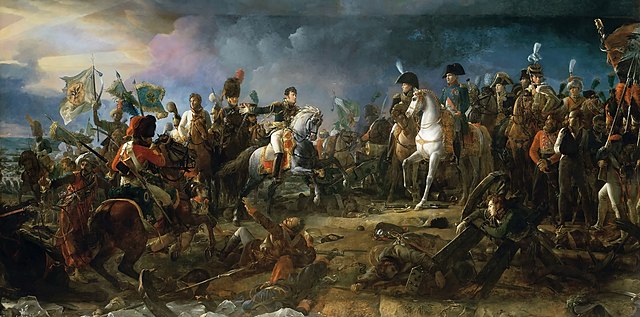
Napoleon’s influence extends far beyond the battlefield. His principles—speed, adaptability, strategic mobility, and psychological acumen—are still studied today, not just in military academies but in business schools and leadership seminars. In many ways, he was ahead of his time, crafting strategies that feel surprisingly modern.
In today’s world, companies employ “agile” methodologies, emphasizing adaptability and speed to meet changing market demands. This approach mirrors Napoleon’s focus on flexibility and rapid movement. Businesses today, much like Napoleon’s army, aim to react quickly to opportunities, stay ahead of competitors, and adapt their strategies as conditions shift.
Napoleon’s “unity of command,” or the principle that all parts of an organization should work toward a single goal, also finds echoes in modern management. In both business and the military, the ability to align everyone’s efforts toward a shared objective is a cornerstone of effective strategy. Napoleon understood that, on the battlefield, confusion and mixed signals could spell disaster; the same holds true in any large organization.
Conclusion
Napoleon Bonaparte was more than a conqueror; he was a strategist who changed the way wars were fought and who left a legacy that continues to shape our understanding of effective strategy. His mastery of speed, his innovative tactics, his understanding of logistics, and his psychological insight made him a force to be reckoned with on and off the battlefield.
While his ambition eventually led to his downfall, the principles he demonstrated remain relevant. Whether you’re leading an army, managing a team, or planning a new business venture, Napoleon’s lessons in adaptability, decisiveness, and leadership offer valuable insights. In the end, Napoleon’s genius reminds us that true strategy goes beyond planning—it’s about understanding people, seizing opportunities, and, above all, keeping your opponent on their toes.