

The Spanish-American War of 1898 was a pivotal moment in U.S. history, not only for its military victories but also for the intense rivalry it sparked within the ranks of the U.S. Navy. At the center of this controversy were two prominent naval officers: Rear Admiral William T. Sampson and Commodore Winfield Scott Schley. Their disagreement over who deserved credit for the decisive victory at the Battle of Santiago de Cuba became one of the most heated and divisive debates in American military history.
Background: Two Different Leaders
The roots of the Sampson-Schley clash lay in the contrasting backgrounds and leadership styles of the two men.
- Rear Admiral William T. Sampson: A technical expert with a deep focus on gunnery and ship design, Sampson was the commander of the North Atlantic Squadron. He was known for his meticulous planning and attention to detail, traits that earned him respect within the Navy’s upper echelons.
- Commodore Winfield Scott Schley: In contrast, Schley was celebrated for his daring and adventurous spirit. He had gained national fame for his role in rescuing the Greely Arctic expedition in 1884. As the commander of the Flying Squadron, Schley was viewed as a bold and decisive leader, though some questioned his adherence to naval protocol.
These differing perspectives set the stage for the conflict that would unfold during the Santiago Naval Campaign.

The Santiago Naval Campaign
The trouble began in May 1898, when Schley’s Flying Squadron was tasked with locating the Spanish fleet near Cuba. Schley made several controversial decisions during this period that would later be scrutinized by his superiors and the public alike.
- Search for the Spanish Fleet: Schley’s squadron was responsible for finding the Spanish fleet commanded by Admiral Pascual Cervera. Initially, Schley moved his ships away from Santiago to coal at the nearby port of Cienfuegos, a decision that delayed his return to Santiago. During this time, the Spanish fleet managed to slip into Santiago harbor undetected, a critical moment that would later be used against Schley.
- Battle of Santiago de Cuba (July 3, 1898): The decisive naval engagement occurred on July 3, 1898, when the Spanish fleet attempted to break through the American blockade. Schley’s flagship, the USS Brooklyn, was heavily engaged in the battle. Meanwhile, Sampson’s flagship, the USS New York, was several miles away, unable to participate in the early stages of the fight. Despite this, the American forces achieved a crushing victory, sinking or capturing all of the Spanish ships.
The Controversy: Who Deserved the Credit?
The victory at Santiago should have been a moment of triumph for the U.S. Navy, but it quickly became mired in controversy. The central question was: who deserved the credit for the victory?
- Sampson’s Claim: As the overall commander of the naval forces in the Caribbean, Sampson believed that he should receive the lion’s share of the credit. His supporters argued that the victory was a result of his careful planning and the overall strategy he had put in place.
- Schley’s Claim: On the other hand, Schley’s supporters pointed out that he was the senior officer present during the battle and led the ships that did most of the fighting. They argued that Schley’s actions during the battle were decisive and merited recognition.
The debate quickly spilled over into the public domain. Newspapers took sides, and the controversy became a topic of national discussion. The Navy’s leadership, however, largely supported Sampson, criticizing Schley’s decisions both before and during the battle.
The Court of Inquiry and Aftermath
The dispute reached its peak in 1901 when the Navy convened a Court of Inquiry to investigate the matter. The Court’s findings were mixed:
- Verdict: The Court largely supported Sampson’s claims, affirming his overall command and the strategic decisions that led to the victory. However, it stopped short of fully condemning Schley, acknowledging that his actions during the battle were not without merit.
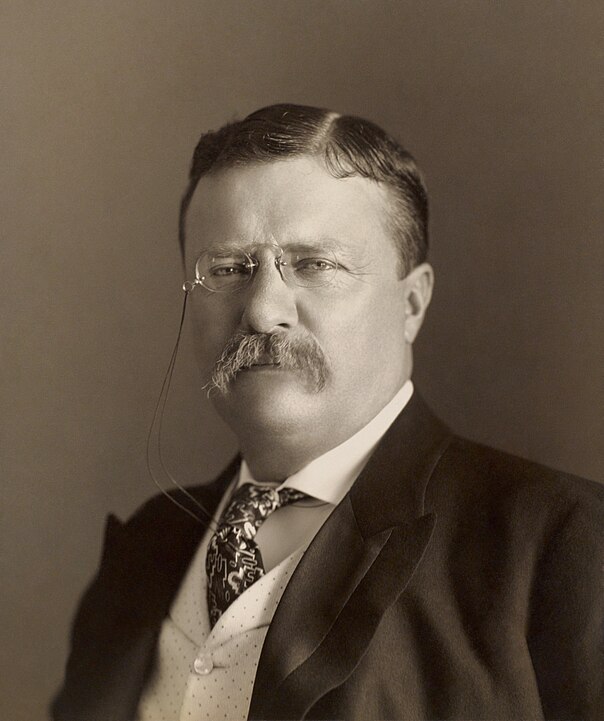
- Presidential Intervention: In an attempt to put an end to the controversy, President Theodore Roosevelt intervened in 1902. Roosevelt declared that both Sampson and Schley deserved credit for the victory, along with the other officers and sailors who had fought bravely that day. Despite this, the bitterness lingered, and the rivalry between the two camps left a lasting mark on the Navy.
Lessons Learned: The Impact of the Sampson-Schley Clash
The Sampson-Schley clash serves as a cautionary tale in military history, illustrating how personal rivalries and political considerations can overshadow even the most significant achievements.
- Rivalry and Politics: The controversy highlighted the dangers of internal divisions within the military. Instead of celebrating a unified victory, the Navy was torn apart by a dispute that persisted for years, diverting attention from the broader strategic implications of the war.
- Public Perception: The public nature of the dispute, fueled by media coverage, demonstrated the growing influence of public opinion on military matters. The fact that newspapers and Congress became involved in the debate underscored the shifting relationship between the military and the public in the early 20th century.
- Military Leadership: The clash also revealed the challenges of leadership in wartime, particularly when multiple commanders with different styles and approaches are involved. The need for clear communication and unified command became evident, as did the importance of ensuring that personal rivalries do not undermine collective goals.
Additional Facts and Notes
- Sampson’s Naval Expertise: Sampson was a graduate of the United States Naval Academy and was known for his technical expertise, particularly in gunnery and ship design, which played a critical role in the modernization of the U.S. Navy.
- Schley’s Arctic Heroism: Prior to the Spanish-American War, Schley was already a national hero for his daring rescue of the Greely Arctic expedition, an achievement that had earned him widespread admiration.
- The Battle’s Strategic Importance: The Battle of Santiago de Cuba was the largest naval engagement of the Spanish-American War and effectively ended Spain’s naval presence in the Western Hemisphere.
- The Role of the USS Brooklyn: Schley’s flagship, the USS Brooklyn, was instrumental in the battle, engaging multiple Spanish ships and playing a key role in the American victory.
- Legacy of the Controversy: The Sampson-Schley clash is often cited in discussions of military leadership, highlighting the complexities of command and the impact of personal rivalries on military operations.
Conclusion: The Sampson-Schley Clash in Historical Context
The Sampson-Schley clash and the Santiago Naval Campaign of 1898 remain a fascinating chapter in American military history. While the battle itself was a decisive victory that helped establish the United States as a global naval power, the ensuing controversy revealed the deep-seated rivalries and political undercurrents within the Navy. Today, the clash serves as a reminder of the importance of unity, clear communication, and the need to prioritize collective success over individual glory in military leadership.