

General Tasker Howard Bliss (1853–1930) was a prominent figure in U.S. military history, known for his exceptional leadership and diplomatic skills. Over a career that spanned more than five decades, Bliss made significant contributions to both the military and international diplomacy, particularly during the Spanish-American War and World War I. His legacy is marked by his strategic insights, his role in shaping military education, and his contributions to the peace process after World War I.
Early Life and Military Beginnings
Tasker Howard Bliss was born on December 31, 1853, in Lewisburg, Pennsylvania. He entered the United States Military Academy at West Point, graduating in 1875. Upon graduation, he was commissioned as a second lieutenant in the 1st Artillery. His early career included a four-year stint as an instructor at West Point, where he demonstrated a keen intellect and a strong foundation in military tactics.
Rising Through the Ranks
Bliss’s rise through the ranks of the U.S. Army was steady and marked by significant achievements:
- First Lieutenant (1880): Bliss was promoted to first lieutenant, beginning his journey through various important military roles.
- Captain (1892): He became a captain, during which time he contributed to military education at the Artillery School and the Naval War College. His work in these institutions highlighted his dedication to advancing military knowledge and preparedness.
Bliss also served as an aide to the Army’s commanding general, a position that allowed him to develop connections with senior military leaders and gain valuable experience in high-level military operations.
The Spanish-American War: A Turning Point
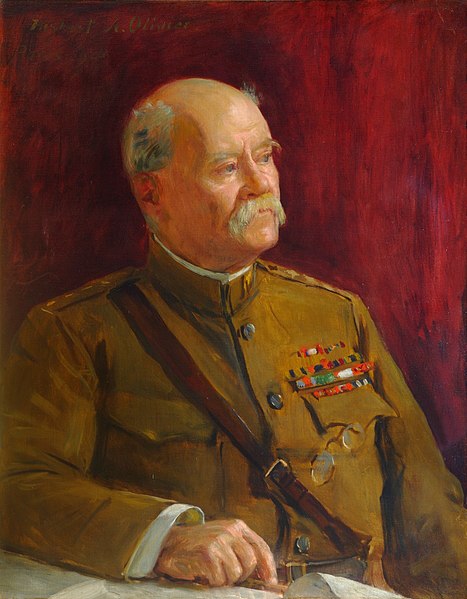
The Spanish-American War in 1898 was a pivotal moment in Bliss’s career. During the conflict, he was promoted twice and served as the Chief of Staff in Puerto Rico. His effective leadership and organizational skills were crucial in managing the military operations on the island. After the war, Bliss played a significant role in the administration of customs in Havana, Cuba, further solidifying his reputation as a capable and resourceful officer.
In recognition of his service, Bliss was promoted to brigadier general in 1902. This marked the beginning of his ascent to the highest levels of military leadership.
Key Roles and Contributions
Throughout his career, General Bliss held several critical positions that shaped the future of the U.S. military:
- President of the Army War College (Twice): Bliss served as the President of the Army War College on two occasions, where he influenced the education and training of future military leaders.
- Commander in the Philippines: He commanded U.S. forces in the Philippines, overseeing military operations and helping to stabilize the region during a tumultuous period.
- Head of Army Departments: Bliss held leadership roles in several Army departments, where he implemented policies that modernized the military and improved its operational efficiency.
- Assistant Chief of Staff: His role as Assistant Chief of Staff allowed him to shape strategic planning and military readiness during critical periods.
World War I and the Paris Peace Conference

In 1917, with World War I raging in Europe, Bliss reached the pinnacle of his military career when he was appointed Chief of Staff of the U.S. Army. His leadership during this period was instrumental in organizing and deploying American forces to the European front, significantly contributing to the Allied victory.
- Promotion to Full General: In recognition of his service, Congress promoted Bliss to the rank of full general, a rare honor that reflected his significant contributions to the war effort.
- Paris Peace Conference (1919): After the war, Bliss transitioned from military leader to diplomat, representing the United States at the Paris Peace Conference. His involvement in shaping the Treaty of Versailles demonstrated his understanding of global politics and his commitment to securing a lasting peace.
Post-Military Career and Legacy

Even after retiring from active duty, General Bliss continued to serve his country. He managed the Soldiers’ Home in Washington, D.C., for seven years, providing care and support to veterans. His dedication to the well-being of soldiers, both in active service and in retirement, was a hallmark of his character.
In honor of his lifelong service, Congress made him a full general on the retired list, a testament to the respect and admiration he commanded across the nation.
Key Traits and Leadership Style
General Bliss was known for several key traits that defined his leadership:
- Strategic Insight: His ability to understand and navigate complex military and diplomatic situations was unmatched.
- Linguistic Skills: Bliss was fluent in several languages, which facilitated his interactions with foreign leaders and diplomats.
- Intellectual Rigor: He was a prolific writer on military topics, contributing to the intellectual development of the U.S. Army.
- Diplomatic Acumen: His work at the Paris Peace Conference showcased his ability to balance military strategy with diplomatic negotiations.
Relationships with Key Figures
Throughout his career, Bliss worked closely with many influential figures:
- President Theodore Roosevelt: Bliss served under President Theodore Roosevelt, contributing to the modernization of the U.S. military.
- President Woodrow Wilson: He collaborated with Wilson during World War I, helping to coordinate the U.S. war effort and peace negotiations.
- Allied Leaders: During World War I, Bliss interacted with key Allied leaders, including French Marshal Ferdinand Foch, playing a crucial role in the coordination of the Allied forces.
Additional Facts and Notes
- Bliss’s West Point Legacy: As an instructor at West Point, Bliss influenced a generation of future military leaders, leaving a lasting impact on the U.S. Army’s officer corps.
- Recognition and Honors: In addition to his military promotions, Bliss received several international honors for his service, including awards from France and the United Kingdom.
- Contributions to Military Education: His tenure at the Army War College helped shape the curriculum and training programs that would prepare the U.S. military for the challenges of the 20th century.
- Role in the Philippines: Bliss’s command in the Philippines was crucial during a period of American expansion, where his leadership helped manage the transition of the islands under U.S. control.
- Lasting Influence: Bliss’s work in both military and diplomatic spheres had a lasting influence on U.S. foreign policy and military strategy, particularly in the post-World War I era.
Conclusion: Tasker Howard Bliss’s Enduring Legacy
General Tasker Howard Bliss’s career was marked by his ability to adapt to the changing needs of the U.S. military and the international landscape. From his early days as an artillery officer to his pivotal role in World War I and the Paris Peace Conference, Bliss demonstrated a unique combination of military prowess and diplomatic skill. His legacy as a soldier, educator, and diplomat continues to be studied and respected by military historians and strategists. Bliss’s contributions during a time of significant change in both the U.S. military and global politics solidified his place as one of America’s most influential military leaders.