

Swordsmithing is an ancient and revered craft, particularly in Japan. It’s an art form that combines skill, tradition, and a deep understanding of materials to create blades that are weapons and works of art. The process involves forging, folding, and tempering steel to produce a strong and flexible sword. The final product proves the swordsmith’s expertise and dedication.
Among the many swordsmiths in Japanese history, two names stand out: Masamune and Muramasa. These legendary figures have left a mark on Japanese culture and history. Masamune is often celebrated for his impeccable craftsmanship and the serene beauty of his blades. His swords are known for their harmony and balance, embodying the principles of calm and purity.
On the other hand, Muramasa is famous for his fiercely sharp and robust swords, often associated with a more aggressive and malevolent nature. His blades are reputed to be bloodthirsty, reflecting a more turbulent and violent energy.
The stories of Masamune and Muramasa are shrouded in both fact and myth. While historical records tell us about their lives and works, many legends have also sprung up around these two figures. These tales add an element of mystique and drama, captivating people’s imaginations for centuries.
Now, let’s figure out what’s fact and what’s fiction to gain a deeper appreciation for these master swordsmiths and the incredible legacy they have left behind.
Masamune: The Master of Perfection
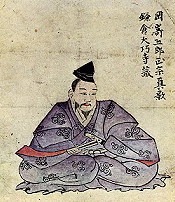
Birth and Early Life
Masamune, whose full name is Goro Nyudo Masamune, is often regarded as the greatest swordsmith in Japanese history. He was born around 1264 in Sagami Province, which is in present-day Kanagawa Prefecture. Details about his early life are sparse, but it’s believed that he began his journey into the art of swordsmithing at a young age. His passion and natural talent for forging swords quickly became evident.
Training and Influences
Masamune was fortunate to train under some of the best swordsmiths of his time. His main teacher was Shintogo Kunimitsu, a renowned master swordsmith. Under Kunimitsu’s guidance, Masamune honed his skills and learned the intricate techniques that would later make him famous. He also drew inspiration from the Yamashiro tradition, known for its beautiful and meticulously crafted blades. This blend of rigorous training and diverse influences helped Masamune develop his unique style.
Notable Works and Contributions to Swordsmithing
Masamune’s swords are celebrated for their exceptional quality and beauty. One of his most famous works is the Honjo Masamune, a sword that became a symbol of the Tokugawa shogunate and was passed down through generations of shoguns.
What sets Masamune’s swords apart is their exquisite craftsmanship. He perfected the technique of creating a distinctive temper line, known as “Hamon,” which is functional and adds to the sword’s aesthetic appeal. His blades are known for their remarkable sharpness, durability, and the serene, almost spiritual quality they possess.
Masamune’s contributions to swordsmithing go beyond his individual works. He established the Soshu tradition, which influenced countless swordsmiths who came after him. His techniques and artistic sensibilities set a standard that others aspired to achieve. Even today, the name Masamune is synonymous with perfection in the world of sword-making.
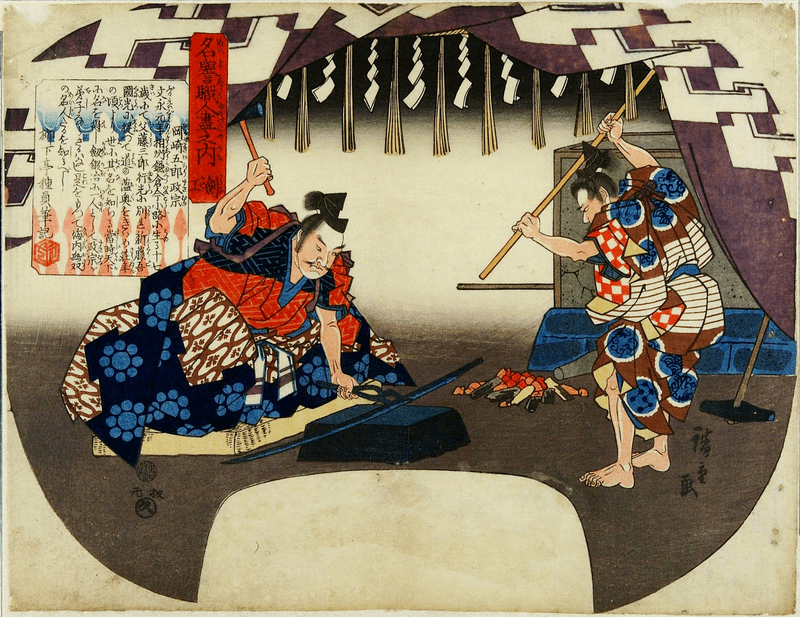
Characteristics of Masamune’s Swords
- Extraordinary Craftsmanship: Masamune’s swords are celebrated for their exceptional craftsmanship, seamlessly blending beauty and functionality. Each blade he forged is a masterpiece, showcasing his meticulous attention to detail and profound understanding of materials.
- Distinctive Temper Line (Hamon): One of the defining features of a Masamune sword is the hamon, a unique temper line created through a precise heating and cooling process. This line strengthens the blade and adds a visually striking, wavy pattern often described as resembling the gentle flow of water, symbolizing calm and purity.
- Unparalleled Beauty: The beauty of Masamune’s swords is unmatched. The blades are polished to a mirror-like finish, which highlights the intricate patterns within the steel. The swords are perfectly balanced, making them works of art. The fittings and hilts are crafted with the same level of precision, featuring elegant designs that complement the blade.
- Exceptional Functionality: Masamune’s swords are known for their sharpness and durability. They can cut through targets effortlessly while maintaining their edge over time. This combination of strength and sharpness made Masamune’s swords highly sought after by samurai warriors, who depended on them in battle.
Famous Swords Made by Masamune
- Honjo Masamune: The Honjo Masamune is one of the most famous swords crafted by Masamune. It has a rich history and was once a symbol of the Tokugawa shogunate. Known for its perfect balance and flawless construction, this sword passed through the hands of many powerful samurai and became a prized possession due to its legendary status and superb quality. Unfortunately, the Honjo Masamune was lost after World War II.
- Fudo Masamune: Named after Fudo Myo-o, a Buddhist deity, the Fudo Masamune is revered for its exquisite design and formidable cutting ability. This sword is a perfect blend of artistry and functionality, embodying the spirit and skill of its maker. It stands as a testament to Masamune’s dedication to creating swords that are both beautiful and highly effective.
- Kiku-Ichimonji Norimune: The Kiku-Ichimonji Norimune is another masterpiece attributed to Masamune. This sword features a chrysanthemum (kiku) crest, symbolizing its imperial connection and exceptional quality. Celebrated for its sharpness, durability, and elegant simplicity, the Kiku-Ichimonji Norimune is a prime example of Masamune’s ability to combine aesthetic beauty with practical functionality.
Masamune’s Legacy
One of his most significant contributions is the establishment of the Soshu tradition, a school of sword-making that combined the best practices of various regions in Japan. This tradition emphasized a perfect balance of hardness and flexibility, creating swords that were not only beautiful but also highly functional.
Masamune’s methods were passed down through his apprentices and followers, who continued to refine and spread his techniques. His approach to folding and tempering steel became standard practice, ensuring that the blades were strong yet resilient. Future generations of swordsmiths adopted these methods, preserving the quality and artistry of Japanese swords.
Moreover, Masamune’s influence extended beyond the technical aspects of swordsmithing. He inspired a philosophy of craftsmanship that emphasized patience, precision, and a deep respect for the materials. This philosophy became a guiding principle for many swordsmiths, who saw their work as not just creating weapons but as a form of artistic expression.
Muramasa: The Cursed Swordsmith
Birth and Early Life
Muramasa, whose full name is Sengo Muramasa, is another legendary figure in the world of Japanese swordsmithing. Born in the 14th century, Muramasa hailed from the province of Ise, which is now part of modern-day Mie Prefecture. Like many details about historical figures from this period, information about his early life is limited and often shrouded in mystery. However, it’s believed that Muramasa showed an early aptitude for forging swords and quickly gained a reputation for his exceptional skill.
Training and Influences
Muramasa was a student of the Sengo school, which was known for its innovative techniques and high-quality blades. His training in this school provided him with a strong foundation in the art of swordsmithing. Muramasa’s swords were influenced by the styles of his predecessors and contemporaries, but he brought his own unique touch to the craft.
One of Muramasa’s defining characteristics was his relentless pursuit of perfection and innovation. He wasn’t content with simply following established methods; instead, he experimented with different techniques and materials to create swords that were sharper and more durable. This drive for excellence sometimes gave his swords a distinct, aggressive quality, which later contributed to the legends surrounding his work.
Notable Works and Contributions to Swordsmithing
Muramasa’s swords are renowned for their incredible sharpness and robustness. They were designed to be formidable weapons, capable of cutting through armor and bone with ease. This emphasis on functionality made them highly sought after by samurai warriors, who valued their effectiveness in battle.
One of Muramasa’s most famous works is the “Muramasa blade,” known for its lethal sharpness and the distinctive wavy hamon pattern. These swords were reputed to be so sharp and bloodthirsty that they could cause harm even when sheathed. This reputation added to the mystique of Muramasa’s creations, leading to stories of swords that almost had a will of their own.
Another notable aspect of Muramasa’s legacy is the belief that his swords were cursed. According to legend, many of those who wielded Muramasa blades met tragic or violent ends. This reputation for bringing misfortune and bloodshed further enhanced the aura of danger and mystery around his works.
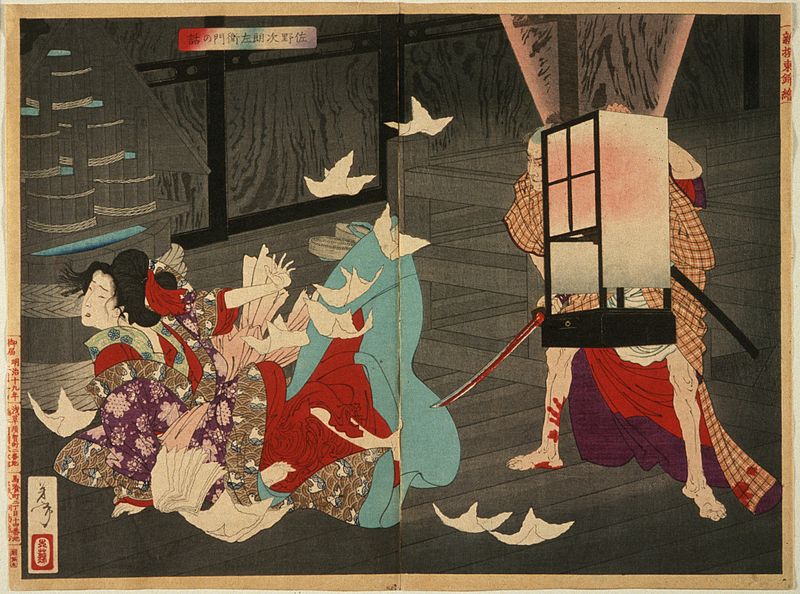
Characteristics of Masamune’s Swords
- Extraordinary Sharpness: Muramasa’s swords are renowned for their exceptional sharpness. These blades were meticulously crafted to be keen and capable of cutting through armor and flesh with remarkable ease. This sharpness was achieved through a precise process of forging and tempering, which involved heating the steel to high temperatures and then cooling it rapidly to create a hard, sharp edge.
- Exceptional Durability: Durability is a hallmark of Muramasa’s swords. Designed to withstand the rigors of battle, these swords maintained their edge without breaking. Muramasa employed innovative techniques, including folding the steel multiple times, to create blades that were both strong and flexible. This process helped distribute impurities evenly throughout the metal, reducing the likelihood of weak spots and enhancing the blade’s robustness.
- Aggressive Design: The aggressive design of Muramasa’s swords is evident in their overall appearance and functionality. The blades often feature a distinctive wavy hamon, or temper line, which not only adds to their aesthetic appeal but also enhances their cutting ability. This design element showcases Muramasa’s skill and attention to detail, as creating a consistent and visually striking hamon requires high craftsmanship.
- Intimidating Aura: Muramasa’s swords possess an aura of intimidation. Their aggressive look and formidable cutting power made them symbols of strength and fearsome prowess in battle. This reputation for lethality, combined with the myths of their supposed curse, only added to the mystique and allure of Muramasa’s creations. These swords were not just weapons but also carried an aura of danger and power, making them highly prized by samurai warriors.
Famous Swords Made by Muramasa
- Juuchi Yosamu: The Juuchi Yosamu, which translates to “Ten Thousand Cold Nights,” is one of Muramasa’s most famous swords. It is renowned for its incredible sharpness and the distinctive, intricate hamon that runs along its blade. This sword is often cited in legends and stories, highlighting its deadly efficiency and the fear it inspired in those who faced it.
- The Muramasa Blade: The term “Muramasa Blade” is often used to refer to Muramasa’s works in general. These blades are celebrated for their precision and lethal effectiveness. Samurai who owned a Muramasa blade were considered to have an edge in combat, both literally and figuratively, due to the superior craftsmanship and sharpness of these weapons.
- Fudo Muramasa: The Fudo Muramasa, named after Fudo Myo-o, a Buddhist deity associated with protection and power, is another notable sword. Known for its exceptional sharpness and durability, the Fudo Muramasa was a prized possession among samurai warriors. It just shows Muramasa’s ability to create powerful and spiritually significant swords.
- Kiku-Ichimonji Muramasa: The Kiku-Ichimonji Muramasa features the chrysanthemum crest, symbolizing imperial favor and exceptional quality. These swords were highly valued for their practical use in battle and their symbolic power and connection to the imperial lineage. The Kiku-Ichimonji Muramasa is celebrated for its sharpness, durability, and the elegant simplicity of its design.
Muramasa’s Legacy
Muramasa’s influence on future generations of swordsmiths is significant and far-reaching. His innovative techniques and unique blade qualities set a high standard in the world of swordsmithing. Many swordsmiths who came after him were inspired by his work and sought to emulate his methods and craftsmanship.
One of Muramasa’s major contributions was his approach to forging blades that combined sharpness and durability. His techniques for folding and tempering steel became essential practices in sword making. These methods were adopted and refined by future swordsmiths, ensuring that the high standards set by Muramasa were maintained and even improved upon over time.
Muramasa’s focus on creating swords with a distinctive, aggressive design also left a lasting impression. The bold aesthetics of his blades, with their prominent wavy hamon and fierce appearance, influenced the stylistic choices of many subsequent swordsmiths.
Additionally, the stories and legends surrounding Muramasa’s blades contributed to their mystique and desirability. Future generations of swordsmiths and warriors alike were drawn to the powerful reputation of Muramasa swords. This allure ensured that his techniques and designs continued to be studied and revered long after his time.
Contrast Between Masamune and Muramasa
Masamune was known for his calm and controlled demeanor. He always focused on infusing a spiritual aspect into his craft, turning what could have been a mere instrument of death into a work of art. His approach to sword-making was serene and thoughtful, aiming to create swords that embodied peace and purity.
On the other hand, Muramasa was seen as aggressive and violent. People often said he had an unbalanced mind that teetered on the brink of madness. His swords reflected this darker side of his personality. They were believed to hunger for blood, compelling their wielders to commit acts of violence, murder, or even suicide.
There’s a chilling tale that once a Muramasa blade is drawn, it must draw blood before it can be returned to its saya or scabbard. This could force the wielder to wound themselves or even take their own life. Because of this, Muramasa’s swords are thought of as demonic and cursed, creating a bloodlust in those who wield them.
Legends of Masamune and Muramasa
In the late Muromachi period (early 16th century–1573), stories began circulating that Muramasa I was a student of Masamune, Japan’s greatest swordsmith from around 1300. The Honami family, a well-known dynasty of sword polishers and connoisseurs, noted that Muramasa was active during the Joji era (1362–1368).
One popular legend tells of a test where Muramasa challenged his master, Masamune, to see who could craft the superior sword. Both swordsmiths worked diligently, and once their swords were completed, they decided to test them by suspending the blades in a small creek with the cutting edge facing the current. Muramasa’s sword was fierce, slicing through everything that drifted by: fish, leaves, and even the air seemed to part before it. Masamune then placed his sword in the water, and though it cut the leaves, the fish swam by unscathed, and the air simply brushed past it.
Muramasa, seeing this, began to mock his master’s apparent lack of skill. Unperturbed, Masamune quietly retrieved his sword and sheathed it. Just then, a monk who had been observing the test approached and bowed to the two swordsmiths. He offered his insight on what he had witnessed.
“The first sword is indeed a sharp and formidable weapon, but it is a bloodthirsty blade, cutting indiscriminately. It shows no mercy, whether its target is harmful or innocent. The second sword, on the other hand, is superior because it discerns, cutting only what deserves to be cut while sparing the innocent.”
There are several versions of this legend. In one, both swords cut the leaves, but the leaves would stick to Muramasa’s blade, whereas they would slip off Masamune’s blade after being sliced. In another variation, the leaves cut by Masamune’s blade would magically rejoin as they floated downstream. Another account tells of leaves being cut by Muramasa’s blade while being repelled by Masamune’s. Yet another version describes Muramasa’s sword slicing leaves, while those leaves touched by Masamune’s blade would heal.
In a different story, both Muramasa and Masamune were summoned to craft swords for the shogun or emperor, and the blades were tested under a waterfall. The results echoed the earlier legends: Masamune’s swords were deemed sacred and pure, while Muramasa’s were considered malevolent. In some tellings, Muramasa was even executed for forging cursed blades.
However, scholars from the Azuchi–Momoyama period (1573–1600) to modern times have dismissed the idea of a teacher-student relationship between Masamune and Muramasa as pure fantasy. All existing Muramasa swords are too recent to support the theory that he was a student of Masamune.
Although the historical timelines make it impossible for Masamune and Muramasa to have ever met, these legends persist, capturing the imagination of many. These stories highlight the contrasting reputations of the two swordsmiths and underscore the blend of skill, philosophy, and mystique that surrounds their names.
Conclusion
Masamune and Muramasa, two of Japan’s most legendary swordsmiths, have become icons in Japanese history with their incredible craftsmanship and the captivating stories surrounding their lives. Masamune’s swords are celebrated for their serene beauty and perfect balance, embodying a spirit of peace and purity. In contrast, Muramasa’s blades are known for their fierce sharpness and aggressive design, often shrouded in tales of bloodthirsty curses.
Although the legends of their lives and swords may be embellished, the impact of their work on the art of swordsmithing is undeniable. Both of them have created legacies that continue to inspire and fascinate. These master swordsmiths remind us of the timeless allure of skillful craftsmanship and the stories that bring history to life.