

Imagine you’re at a festival where dancers expertly wield swords, combining martial skills with artistic style. Sword dances come from different cultures and are more than just impressive to watch—they tell stories and reflect community values.
From the detailed rapper sword dance of North East England to the lively Gatka from India, these dances captivate people with their mix of storytelling and acrobatics. But how have these age-old traditions evolved for today, and why do they still matter around the world? Let’s explore the fascinating world of sword dances and discover why they’ve stood the test of time.
Types of Sword Dances
Sword dancing is a fascinating folk dance where performers use swords or sword-like objects to create intricate and symbolic movements. Here are a few types of sword dances:
- Linked-Sword Dance: In this style, dancers hold the hilt of their own sword while connecting it to the point of the sword held by the dancer behind them. The group moves in circular patterns, creating complex and beautiful shapes.
- Combat Dance: This type focuses on mimicking battle actions and was originally used for military training. It can involve one or more dancers performing dramatic battle scenes.
- Crossed-Sword Dance: Here, dancers perform over two crossed swords or a sword and scabbard laid on the ground. The dance often features intricate footwork and precise movements.
- Guerrilla Dance: This dance is usually performed in a circular formation with swords. It often involves energetic and dynamic movements, reflecting the dance’s roots in guerrilla warfare.
Each type of sword dance tells its own story, whether it’s about ancient battles, rituals, or celebrations.
Historical and Cultural Context
Sword dances have a rich history that stretches back centuries. They originated in various cultures worldwide and were often more than just performances – they played significant roles in rituals, warfare, and ceremonies.
Origins of Sword Dances
Sword dances can be traced back to ancient times when they were used as part of training and rituals. In many cultures, these dances were not only a form of artistic expression but also a way to prepare warriors for battle. The movements and techniques practiced in these dances often mirrored real combat situations, making them an essential part of military training.
For example, in medieval Europe, sword dances were common among knights and soldiers. These dances helped warriors develop the skills and discipline needed for battle. In Japan, traditional sword dances like those performed by the Samurai were integral to martial training and also held ceremonial importance.
Role in Historical Rituals
Sword dances often had deep spiritual and symbolic meanings. They were used in rituals to honor deities, celebrate important events, or mark seasonal changes. In some cultures, these dances were believed to bring good fortune or protect against evil spirits.
In ancient Greece, sword dances were part of various religious ceremonies and festivals. Similarly, in India, dances like Gatka were not only martial practices but also a way to honor historical figures and religious traditions.
Role in Warfare
Sword dances were also a practical aspect of military preparation. By practicing dance moves that mimicked battle techniques, warriors could refine their skills and enhance their combat readiness. This was especially true in cultures where martial prowess was highly valued and essential for survival.
In China, warriors practiced traditional sword dances to keep their skills sharp and pass on fighting techniques through generations. These dances often included complex movements that were both a form of exercise and a way to demonstrate martial abilities.
Role in Ceremonies
Beyond their martial and ritualistic uses, sword dances were also featured in ceremonies and celebrations. They were often performed during significant cultural events, such as weddings, coronations, and festivals, adding an element of grandeur and tradition to these occasions.
In Scotland, for instance, sword dances are a key part of Highland games, celebrating Scottish heritage and showcasing the dancer’s agility and skill. Similarly, sword dances are performed at weddings and other celebrations in many Middle Eastern cultures to symbolize strength, honor, and tradition.
Sword Dances Around the World
Sword dances have a wide variety of styles and traditions depending on where they’re performed. Let’s take a closer look at some sword dances from around the world:
Europe

One of the standout examples of European sword dancing is the Rapper Sword Dance from North East England. This traditional dance features performers holding linked swords, with each dancer connecting their sword to the one held by the person behind them. The group moves in intricate, circular patterns that create a visually stunning display.
The Rapper Sword Dance dates back to the 19th century and is a lively part of Northumbrian culture. The name “rapper” comes from the short, straight swords used, which are known for their sharpness and agility. The dance has been passed down through generations and remains a vibrant part of the region’s cultural heritage.
In some European traditions, dancers perform intricate footwork and movements around crossed swords, which are laid out as part of ceremonial practices. This dance style often symbolizes protection and balance, with the crossed swords representing a gateway or boundary that the dancers navigate with skill and precision.
Asia
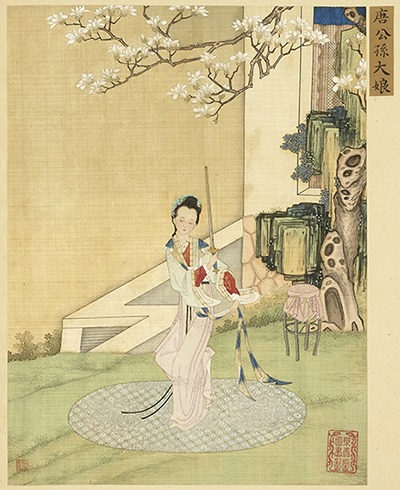
Sword dances in China and Vietnam, known as jian wu or múa kiếm, started as military training exercises with swords and spears. Over time, they evolved into complex and acrobatic dances. Jian wu was one of four classical dances featured in Chinese and Vietnamese opera, where each dance played a key role in telling the story and developing characters.
In these cultures, sword dancing also served a spiritual purpose. It was sometimes performed to communicate with spirits and address disturbances in the home.
There are various styles of sword dancing. One style emphasizes relaxation and flexibility, while another focuses on speed and strength. Depending on the style, different types of swords and weapons are used. For example, a long sword is used in slow, dramatic solo performances, while shorter scimitars are used in fast-paced group dances. Each style demands a high level of agility and athleticism from the dancers.
In Vietnam, sword dances are also part of various traditional festivals and ceremonies. One unique practice is the Vietnamese Dragon Dance, where performers use sword-like props to simulate dragon movements. This dance is believed to drive away evil spirits and bring good fortune. The performance is colorful and dynamic, with dancers moving in coordination to create the illusion of a dragon’s undulating form.
On the other hand, in Japan—the land of the samurai—there is the konbu, or the traditional Samurai sword dance. It’s a style of dancing with a katana sword and fan. During the feudal period, the samurai performed konbu to hone their mental concentration and summon up strength before battle. Samurai sword dances often involve highly skilled movements that reflect real combat techniques, demonstrating the precision and discipline of these legendary warriors.
Middle East
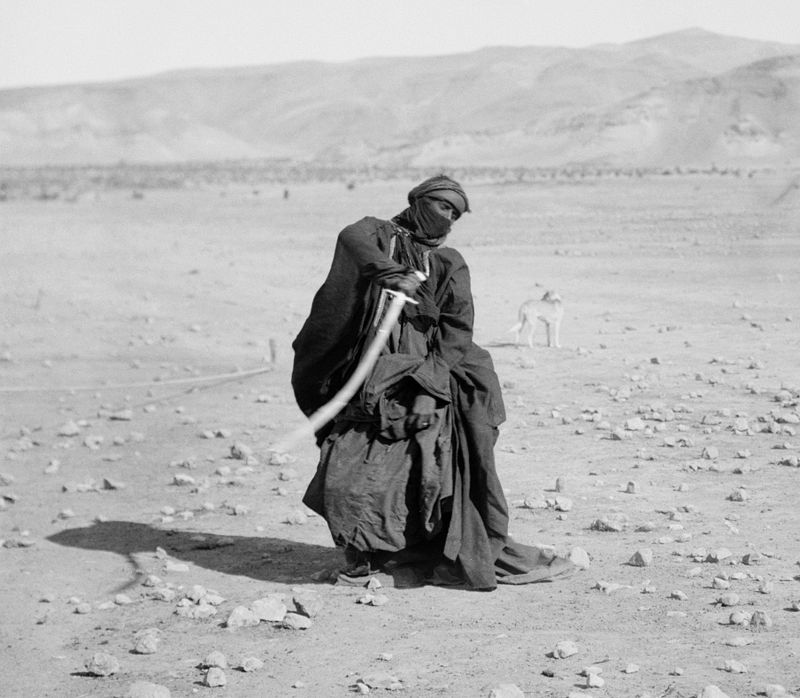
Sword dance traditions in the Middle East have a long and storied history. Many of these dances were originally part of warrior training and ceremonial practices. For example, the traditional Arab sword dance, known as Ardah, is performed during celebrations and special occasions. The dance involves dramatic sword movements and is often accompanied by music and chanting. It symbolizes strength, honor, and community, reflecting the martial heritage of the region.
Indian Subcontinent

In the Indian subcontinent, Gatka is a prominent sword dance that originates from the Sikh tradition. Gatka is both a martial art and a dance form. Dancers use wooden swords or sticks, moving in coordinated patterns that mimic combat scenarios. It was originally developed as a way to train Sikh warriors in combat techniques.
Today, Gatka is performed during religious festivals, cultural celebrations, and community events. The dance showcases agility and skill while also honoring the historical and spiritual aspects of Sikh culture.
Contemporary Practices
Sword dances have evolved greatly from their traditional roots, evolving in exciting ways that reflect today’s world. Let’s explore how these ancient art forms have adapted to modern times and their influence on popular culture.
How Sword Dances Have Evolved
In contemporary times, sword dances have evolved from their historical and ceremonial origins into dynamic performances that blend tradition with modern flair. Many traditional sword dances are still practiced in their original forms, but they have also been adapted to fit modern tastes and settings.
For example, some traditional sword dances have been incorporated into theatrical performances and dance competitions. Choreographers often blend historical techniques with new movements to create fresh, innovative routines. This evolution helps keep the art form relevant and exciting for new generations of audiences.
In addition, sword dances are now featured in various festivals and cultural events worldwide. They are often performed as part of larger shows that highlight different aspects of cultural heritage. This not only preserves the traditional elements but also introduces them to broader audiences.
Influence of Contemporary Performances and Adaptations
Sword dances have made their mark in popular culture, influencing and being influenced by modern entertainment. For instance, you can see elements of traditional sword dances in movies, television shows, and video games. Films and TV series that focus on historical or fantasy themes often incorporate sword-fighting choreography that draws on traditional dance techniques.
In video games, sword-fighting scenes sometimes mimic the graceful and precise movements of traditional sword dances. This has introduced these ancient art forms to a whole new audience, blending historical practices with cutting-edge technology and storytelling.
Moreover, sword dances have also inspired contemporary dance and performance art. Modern dance troupes and performance artists sometimes incorporate sword dance elements into their routines, creating unique fusion performances that highlight the beauty and skill of swordsmanship.
Conclusion
Sword dances are more than just beautiful performances—they’re a window into the rich cultural traditions from around the world. Each dance tells a unique story and reflects the values and history of its people. As these ancient practices continue to evolve and influence modern culture, they remind us of the deep connections between art, history, and community.