

Jack Haley was a popular actor best known for his role as the Tin Man in the classic movie The Wizard of Oz. Although many people remember him for that role, Haley had a long career in entertainment, starting in vaudeville and musicals before moving into films. His talent for singing, dancing, and acting made him a well-loved figure in Hollywood. This article takes a closer look at Jack Haley’s life, his famous role in The Wizard of Oz, and what he did beyond the big screen.
Early Life and Career
Jack Haley’s journey to becoming a Hollywood icon began with his humble roots and early experiences in show business. This section explores his birth, family background, entry into entertainment, and the rise of his career in vaudeville, theater, and film.
Birth and Family Background
Jack Haley was born on August 10, 1897 in Boston, Massachusetts. Jack grew up in an Irish Catholic family. His father, John Joseph Haley, Sr., was a sailor, and his mother, Ellen Curley Haley, was a homemaker. Jack was exposed to performance early on and showed an interest in the entertainment world from a young age.
Entry into Entertainment
Jack Haley began his career in vaudeville, a type of variety entertainment popular in the early 20th century that included singing, dancing, and comedy acts. His natural talent for performing helped him succeed in this format, and he quickly became known for his musical skills.
He started performing in local theaters, showcasing his ability to sing and dance. Haley worked in traveling vaudeville shows, where he honed his stage presence and charm. His success on stage eventually led to opportunities in Hollywood, where his lighthearted performances would soon earn him a spot on the silver screen.
Transition into Film Acting in the 1930s
Jack Haley made his film debut in the early 1930s when Hollywood was transitioning into its “talkie” era, where sound became a critical part of films. His skills as a singer and dancer made him a perfect fit for the musical comedies that were popular at the time.
Haley appeared in a series of films that capitalized on his musical talents and comedic timing. His friendly and approachable demeanor on screen quickly made him a beloved figure among audiences.
Early Filmography

During the 1930s, Haley starred in several notable films, primarily in musicals and comedies. His early film roles allowed him to shine as a song-and-dance man, solidifying his reputation in Hollywood. Here are some of his notable early roles:
- Poor Little Rich Girl (1936) alongside Shirley Temple.
- Wake Up and Live (1937) as a radio singer.
- Alexander’s Ragtime Band (1938), a musical that further showcased his talents.
These roles helped Haley establish himself as a versatile entertainer, capable of performing in both comedic and musical films. His easy-going charm and ability to entertain made him a favorite in these genres.
His Reputation as a Song-and-Dance Man
Jack Haley became known for his lighthearted musical numbers, lively dance routines, and comedic roles. While he never became a leading man in the traditional sense, his skills ensured that he was always a valuable part of the cast in films. His ability to connect with the audience, both on stage and screen, defined his career as one of Hollywood’s beloved entertainers during this era.
Jack Haley in The Wizard of Oz
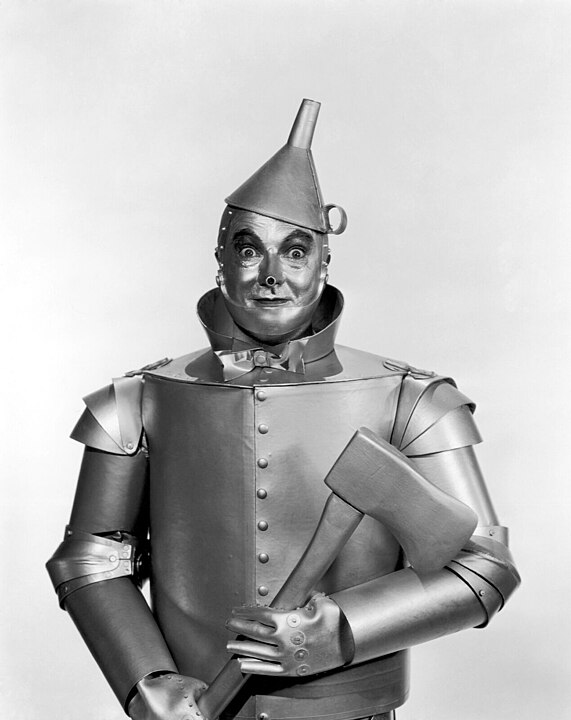
Jack Haley’s role as the Tin Man in The Wizard of Oz is one of the most iconic in film history. However, his path to landing the part was not straightforward, and the production presented unique challenges.
Casting in the Role of the Tin Man
Jack Haley was not the original actor cast as the Tin Man. The role initially went to Buddy Ebsen, who had already begun filming. Unfortunately, Ebsen had a severe allergic reaction to the aluminum dust makeup used for the Tin Man’s costume, which caused him serious health issues and forced him to leave the production.
After Ebsen’s departure, Haley was brought in as a replacement. While Haley was grateful for the role, he was unaware of the full extent of Ebsen’s medical issues due to the makeup, which would become a challenge for Haley as well.
Challenges Faced During Filming
One of the most well-known difficulties Haley encountered while filming The Wizard of Oz was related to the makeup used for the Tin Man’s metallic appearance.
After learning from Ebsen’s allergic reaction, the film crew switched from using aluminum dust to an aluminum paste for Haley’s makeup. However, even the aluminum paste caused health concerns. Haley developed an eye infection, leading to time off from filming for recovery. Despite the complications, Haley remained committed to the role and returned to the set after treatment.
Performance as the Tin Man
Jack Haley’s performance as the Tin Man became one of the most beloved aspects of The Wizard of Oz. His portrayal of the character’s search for a heart captured the audience’s imagination and made the Tin Man a symbol of kindness and vulnerability.
Haley infused warmth and humor into the character, making the Tin Man one of the most relatable characters in the film. His version of the Tin Man, yearning for a heart to feel emotions, resonated with audiences and became a central theme of the movie. The song “If I Only Had a Heart” became a memorable part of Haley’s performance, highlighting his musical talents and adding to the character’s charm.
Audience Reception
The Wizard of Oz was not a box office hit upon its initial release but gained immense popularity over the years, particularly through television broadcasts. Haley’s portrayal of the Tin Man continues to be praised for its warmth, and the character remains one of the most enduring images from the film. His role in the movie solidified his place in Hollywood history, with the Tin Man becoming a beloved figure in popular culture.
Behind-the-Scenes Stories
Like many classic films, The Wizard of Oz was filled with behind-the-scenes stories and anecdotes, some of which add to the legend of the production.
- Despite the challenges with the makeup, Haley remained good-natured on set, often lightening the mood with jokes and conversations with the cast.
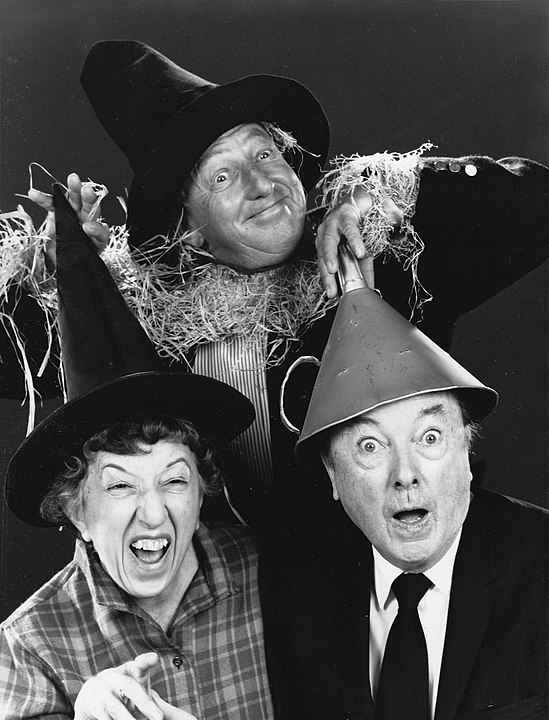
- Haley was particularly close with Ray Bolger, who played the Scarecrow. The two actors developed a strong friendship, and their chemistry helped make the scenes between the Tin Man and the Scarecrow some of the most enjoyable in the film.
- It is said that during filming breaks, Haley would remove his Tin Man costume and sit with fellow actors, laughing and sharing stories to pass the time, helping to maintain a positive atmosphere on the often difficult set.
Life Behind the Screen
While Jack Haley is best known for his work in Hollywood, his personal life and interests beyond the screen paint a fuller picture of the man behind the iconic Tin Man.
Personal Life
Jack Haley’s personal life was a significant part of who he was, and he shared a deep bond with his family. He married Florence McFadden in 1921, and the couple remained together throughout Haley’s life.
Haley and Florence had two children: Jack Haley Jr. and a daughter named Gloria. The couple shared a close-knit family dynamic, and Haley was known to be a devoted husband and father. Despite the demands of his acting career, he prioritized his family and often spent time with them when he wasn’t on set. Florence was a key support system for Haley throughout his life and career.
Relationship with His Son, Jack Haley Jr.
Haley had a particularly close relationship with his son, Jack Haley Jr., who followed in his father’s footsteps into the entertainment industry, though he focused more on directing and producing. Jack Haley Jr. became a well-known filmmaker and even produced the popular 1974 documentary That’s Entertainment!, which celebrated the history of Hollywood musicals.
The two collaborated on several projects, sharing a mutual love for the world of show business. Haley was proud of his son’s accomplishments, and their bond deepened through their professional and personal connections.
Other Interests and Pursuits
Outside of acting, Jack Haley had a variety of interests that filled his time and enriched his life. Haley was an avid golfer and often spent his free time on the golf course. He enjoyed the sport as a way to relax and socialize with friends and fellow actors.
He was also known to have a passion for music, which is not surprising given his success in musicals throughout his career. Even when he wasn’t performing on screen, music played a big role in his personal life.
Haley was also involved in charitable efforts, particularly those related to the entertainment industry. He participated in various causes that supported actors and industry workers, lending his fame to help raise awareness and funds.
Later Years and Death
After his unforgettable role as the Tin Man in The Wizard of Oz, Jack Haley continued working in Hollywood. But his career gradually shifted as time went on.
Post-Wizard of Oz Career
Following the success of The Wizard of Oz, Jack Haley continued to act in both film and television, though none of his later roles reached the same iconic status as the Tin Man. He remained a familiar face in Hollywood throughout the 1940s and 1950s.
Roles in Film and Television after The Wizard of Oz
- Haley took on various roles in musicals and comedies, remaining true to his roots as a song-and-dance man. Some of his notable post-Wizard of Oz films include Moon Over Miami (1941) and George White’s Scandals (1945).
- As television became more popular, Haley transitioned to guest appearances on TV shows. He appeared in a few programs during the 1950s, though his career gradually slowed down.
Retirement from Acting and Late-Career Ventures
- By the late 1950s, Haley began to step back from acting. His final film appearance was in Vacation Playhouse in 1977, marking the end of a long career.
- While Haley’s acting career was winding down, he remained active in Hollywood through his son’s work. He occasionally worked behind the scenes and stayed involved in the industry, though he preferred to spend more time with his family and pursuing personal interests.
Health and Final Years
In his later years, Jack Haley faced several health challenges that eventually led to his retirement from public life. Haley’s health began to decline in the 1960s. He developed diabetes, which caused complications in his later life. Despite these issues, he remained upbeat and continued to engage with friends and family.
Jack Haley passed away on June 6, 1979, at the age of 81. The cause of death was a heart attack, though his diabetes had also contributed to his declining health in his final years. He died at the UCLA Medical Center in Los Angeles, surrounded by his family.
Legacy
Jack Haley’s contributions to Hollywood, particularly through his role as the Tin Man in The Wizard of Oz, have left a lasting impact on popular culture. While his career spanned several decades and genres, it is his portrayal of the kind-hearted Tin Man that cemented his legacy.
While Haley may not have reached the status of a leading man in traditional Hollywood terms, his work in musicals and comedies highlighted his versatility as an actor. His performance as the Tin Man continues to resonate with audiences, serving as a reminder of his enduring talent. The character’s search for a heart, combined with Haley’s warm portrayal, made the Tin Man a timeless symbol of kindness and compassion.
Final Thoughts
Jack Haley may be best remembered as the Tin Man from The Wizard of Oz, but his career spanned many years in Hollywood as a talented singer, dancer, and actor. From his early days in vaudeville to his role in one of the most famous films of all time, Haley left a lasting impact on audiences. His warm, heartfelt performance continues to be loved by fans today, and his legacy in Hollywood remains strong.