

Major General Leonard Wood (1860–1927) was a towering figure in American military and public service history. A man of many talents, Wood’s career spanned medicine, military service, and colonial administration, leaving a lasting impact on the modernization of the U.S. Army and American colonial policy. From his early days as a surgeon in the U.S. Army to his leadership in the Spanish-American War and his role in shaping military strategy during World War I, Wood’s legacy is marked by his dedication to public service and his influence on American military development.
Early Life and Medical Career
Leonard Wood was born on October 9, 1860, in Winchester, New Hampshire. He pursued a medical education at Harvard Medical School, where he graduated in 1884. A year later, Wood joined the U.S. Army as a contract surgeon, beginning a career that would take him from the operating room to the battlefield and beyond.
- Medal of Honor: Wood’s medical and military career quickly intersected during the last of the Indian Wars. He served in the Geronimo campaign, where his courage and dedication earned him the Medal of Honor. This prestigious award recognized Wood’s exceptional bravery and marked the beginning of a distinguished military career.
The Spanish-American War: Leadership of the Rough Riders
Wood’s military career took a significant turn during the Spanish-American War in 1898. As tensions between the United States and Spain escalated, Wood was appointed to lead the 1st U.S. Volunteer Cavalry, better known as the Rough Riders.
- Command of the Rough Riders: The Rough Riders, a volunteer cavalry unit that included future President Theodore Roosevelt, became famous for their role in the Battle of San Juan Hill in Cuba. Wood, initially commanding the unit before Roosevelt took over, played a critical role in organizing and leading these troops. His leadership helped secure key victories for the United States, and he quickly rose to the rank of major general, solidifying his reputation as a capable and courageous leader.
Post-War Governance: Cuba and the Philippines

Following the Spanish-American War, Leonard Wood transitioned into roles that combined military leadership with colonial administration.
- Governor of Cuba: After the war, Wood was appointed as the Military Governor of Cuba, where he was responsible for overseeing the island’s transition from Spanish rule to American oversight. During his tenure, Wood implemented significant reforms in public health, education, and infrastructure, which helped stabilize the country and set the foundation for its future governance.
- Governor of Moro Province, Philippines: Wood’s success in Cuba led to his appointment as the Governor of the Moro Province in the Philippines. In this role, Wood continued his work in colonial administration, focusing on integrating the Moro population into the broader framework of American governance in the Philippines. His efforts included building infrastructure, promoting education, and maintaining peace in a region known for its resistance to foreign rule.
Army Chief of Staff: Modernizing the Military
From 1910 to 1914, Leonard Wood served as the Chief of Staff of the U.S. Army, a position that allowed him to influence the direction of American military policy during a critical period of modernization.
- Military Readiness and Efficiency: As Chief of Staff, Wood was a strong advocate for military preparedness. He recognized the need for a modern, efficient army capable of responding to global threats. Wood pushed for reforms that improved training, streamlined operations, and enhanced the overall readiness of U.S. forces. His efforts laid the groundwork for the military’s expansion and effectiveness during World War I.
- World War I Training Camps: With the outbreak of World War I, Wood was instrumental in establishing training camps that prepared American troops for combat in Europe. His leadership ensured that the U.S. military was ready to meet the demands of modern warfare, even though he himself did not serve in Europe during the war.
Political Aspirations and Final Years
After his military career, Wood turned to politics, seeking to extend his influence into the civilian sphere.
- 1920 Presidential Run: In 1920, Wood sought the Republican nomination for president. Despite his distinguished military career and strong support from certain factions, he was ultimately unsuccessful, losing the nomination to Warren G. Harding. Nevertheless, his run for the presidency underscored his commitment to public service and his desire to shape the nation’s future.
- Governor General of the Philippines: Wood’s final post was as the Governor General of the Philippines, a position he held from 1921 until his death in 1927. In this role, Wood continued his work in colonial administration, overseeing the governance of the Philippines during a period of significant change and development. His leadership helped guide the Philippines through a complex transition toward greater self-governance.
Key Achievements and Legacy
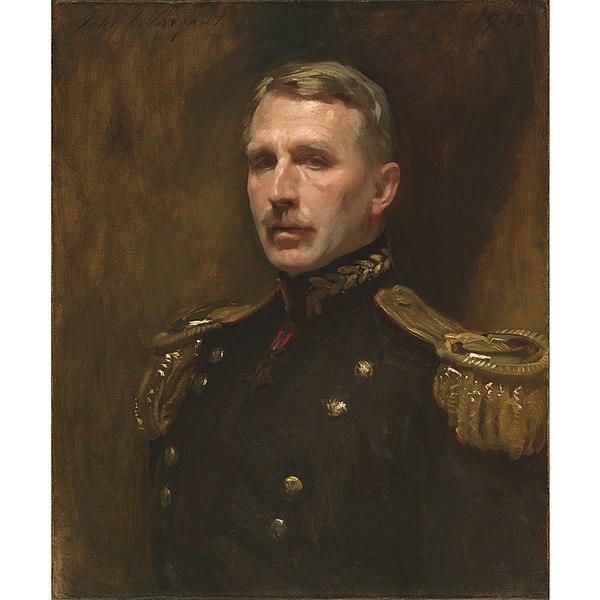
Leonard Wood’s career is distinguished by a series of significant achievements that reflect his versatility and dedication to service:
- Medal of Honor Recipient: Wood received the Medal of Honor for his bravery during the Geronimo campaign, marking him as one of the most decorated soldiers of his time.
- Leadership of the Rough Riders: Wood’s command of the Rough Riders during the Spanish-American War helped secure crucial victories and established his reputation as a military leader.
- Governor of Cuba and Moro Province: Wood’s governance in Cuba and the Philippines showcased his ability to implement effective reforms and maintain order in challenging environments.
- Army Chief of Staff (1910-1914): As Chief of Staff, Wood played a pivotal role in modernizing the U.S. Army and preparing it for the challenges of the 20th century.
- Governor General of the Philippines (1921-1927): Wood’s final role as Governor General allowed him to continue his work in shaping American colonial policy and supporting the development of the Philippines.
In recognition of his contributions, Fort Leonard Wood in Missouri was named in his honor, serving as a lasting tribute to his impact on the U.S. military and American history.
Additional Facts and Notes

- Medical Background: Leonard Wood’s medical training at Harvard provided him with a unique perspective in his military career, allowing him to approach problems with both a scientific and strategic mindset.
- Relationship with Theodore Roosevelt: Wood’s close relationship with Theodore Roosevelt, whom he mentored and commanded, played a significant role in both men’s careers, particularly during the Spanish-American War.
- Public Health Reforms: As Governor of Cuba, Wood implemented public health reforms that significantly reduced the spread of diseases such as yellow fever, which had plagued the island for years.
- Advocate for Preparedness: Wood was an early advocate for military preparedness, recognizing the importance of a strong, well-trained military long before the U.S. entered World War I.
- Influence on Military Education: Wood’s tenure as Chief of Staff included efforts to improve military education, ensuring that future officers were well-prepared for the complexities of modern warfare.
Conclusion: Leonard Wood’s Enduring Influence
Major General Leonard Wood’s life and career reflect the evolution of the United States during a period of rapid change and global expansion. His contributions to military modernization, his leadership in both war and peace, and his commitment to public service left an indelible mark on American history. Wood’s legacy as a soldier, administrator, and visionary leader continues to be honored and studied, serving as an inspiration for future generations of military and public service professionals.