

Benjamin Franklin, one of America’s most renowned founding fathers, left an indelible mark on history as a writer, inventor, scientist, and diplomat. Among his many contributions, Franklin developed a unique method for personal growth and self-improvement that stands out as a testament to his ingenuity and wisdom.
Franklin’s “13 Virtues” project aimed to achieve moral perfection through a systematic approach to character development. This simple yet powerful technique involved focusing on specific virtues such as temperance, silence, order, and humility. By dedicating time and effort to cultivating these qualities, Franklin believed anyone could become their best possible self and lead a more virtuous life.
How Franklin’s Self-Improvement Plan Works
View this post on Instagram
Benjamin Franklin created a unique system to better himself. He first looked at his own actions and found many areas where he fell short. He ate and drank too much, talked too much about himself, and spent too much money.
Franklin then made a list of 13 virtues to fix these issues. He chose this number because it fits well into a calendar year. The 13 virtues are:
- Temperance
- Silence
- Order
- Resolution
- Frugality
- Industry
- Sincerity
- Justice
- Moderation
- Cleanliness
- Tranquility
- Chastity
- Humility
Franklin focused on one virtue each week. He thought trying to fix everything at once was too hard. After 13 weeks, he would start over. This meant he worked on each virtue four times a year.
He kept track of his progress using a chart, which helped him see how well he was doing. He also shared his plan with others, which helped keep him on track.
Franklin wrote about this method in his autobiography. He included his thoughts and some wise sayings about each virtue. These writings have helped many people learn from his ideas.
The plan works like this:
- Pick a virtue to work on
- Focus on it for one week
- Mark your progress on a chart
- Move to the next virtue after a week
- Repeat the cycle every 13 weeks
This method is still useful today. It breaks down big goals into smaller, more manageable steps. It also uses tracking and sharing, which are known to help form good habits.
Franklin’s plan was ahead of its time. It uses ideas that are now common in self-help books and apps. His method turns self-improvement into a game-like activity, making it more fun and engaging.
Changing Habits for Personal Growth

Developing good habits is key to self-improvement. Many people find value in setting goals and tracking their progress. One way to do this is by picking traits to work on and creating tasks to build those traits.
Some choose to focus on 13 different areas for growth. These might include things like being kind, working hard, or staying healthy. The exact list can change based on what each person wants to improve.
Setting weekly goals helps make progress measurable. For example, someone might call a friend every day to practice being more social. Or they could try eating only plant-based foods for a week to explore new eating habits.
Keeping a notebook to track goals and results can be helpful. Writing down plans and checking in each week shows what’s working and what needs more effort. It’s good to look at the list of traits every so often and make changes. As people grow, their needs and wants may shift. Updating the list keeps it fresh and useful.
The tasks don’t always have to be hard work. Sometimes, they can be fun, like trying a new hobby or reading an interesting book. Even enjoyable activities can lead to growth. Having a set schedule, like 13 weeks, makes it easier to plan. People can work around holidays and busy times, which helps keep the habit-building steady.
Some habits stick around even after the formal tracking ends. For example, a person might keep writing letters or drawing book covers long after they stop checking off weekly tasks. The effects of this kind of self-help can last a long time. People often find they’ve gotten better at things like patience or healthy living without even noticing the change.
Many famous people have tried similar ways to improve themselves. They set yearly goals or try new things regularly. This shows that working on oneself can be rewarding for anyone. The path to being better is different for everyone. What matters is taking steps and staying committed to growth. Even if perfection isn’t reached, the journey itself is valuable.
Virtues and Character Traits
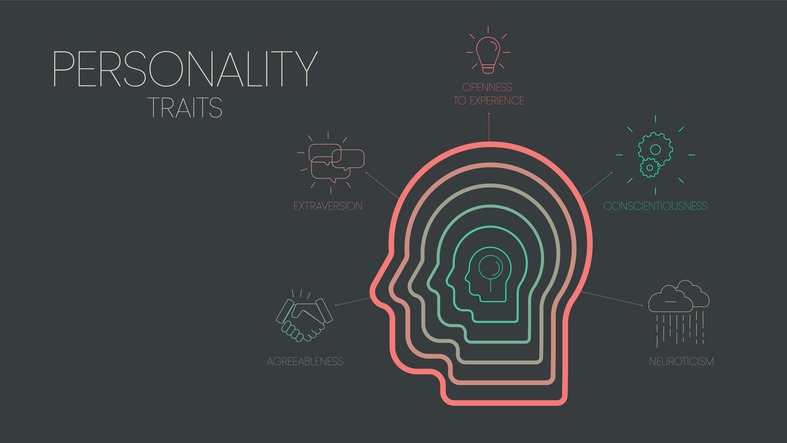
Virtues are positive qualities that shape a person’s character. They guide behavior and choices, helping people live better lives. Some key virtues include temperance, silence, order, and frugality. These traits promote self-control, thoughtfulness, organization, and wise spending.
Other important virtues are industry, sincerity, and justice. These encourage hard work, honesty, and fairness. Moderation and cleanliness support balanced living and good health. Chastity and humility foster self-respect and modest behavior.
Virtues aim to benefit both the individual and others. They push people to think and act with good intentions. Practicing virtues can build integrity and earn respect from others. While virtues are positive, they can become flaws if taken to extremes. For example, too much frugality may lead to stinginess, and excessive self-confidence can turn into egotism. Finding the right balance is key.
Many cultures and belief systems have their own sets of virtues. These include religious, philosophical, and ethical traditions. Some well-known virtue lists are:
- Benjamin Franklin’s 13 Virtues
- Samurai Bushido Code
- Girl Scout Law
- Journalistic ethics
Virtues provide a path for personal growth and moral excellence. They offer guidance for those seeking to improve themselves and contribute positively to society.
Goal Achieved

The journey of self-improvement through Franklin’s 13 Virtues proved to be transformative. After a decade of dedicated practice, tracking these virtues came to an end. This milestone marked significant progress in personal growth and character development.
The pursuit of virtues led to positive changes in behavior and mindset. While perfection remained elusive, the effort itself brought about meaningful improvements. The individual became more self-aware, disciplined, and focused on continuous growth.
Moving beyond the 13 Virtues opened doors to new self-improvement ventures. The lessons learned and habits formed during this period laid a strong foundation for future personal development efforts.
Stay Connected
Readers can follow along on this journey of wisdom and self-improvement. By signing up, they’ll receive regular updates on new insights, practical tips, and thought-provoking ideas to enhance their lives.
Joining this community offers opportunities to:
- Gain fresh perspectives on personal growth
- Learn from others’ experiences
- Discover new self-improvement techniques
- Stay motivated on your own path to a more fulfilling life
While the 13 Virtues experiment concluded, its impact continues to resonate. The pursuit of personal excellence remains an ongoing process, with each step contributing to a richer, more meaningful life.
Conclusion
Benjamin Franklin’s 13 Virtues serve as a timeless guide to personal transformation. They remind us that self-improvement is not about reaching perfection but about striving for progress. By focusing on specific virtues like temperance, humility, and sincerity, we can gradually shape our character and lead more purposeful, fulfilling lives. Franklin’s method offers a practical, structured approach to personal growth that remains relevant today.