

The Philippine-American War, which erupted in 1899, was a pivotal conflict that shaped the history of both nations. At the heart of its outbreak was a single event that escalated tensions into full-scale war. Understanding the man responsible for sparking the first battle provides insight into the deep-seated resistance against American rule and the broader struggle for Philippine independence. Keep reading to uncover the key figure behind the war’s ignition and his role in the larger fight for sovereignty.
Early Life and Career of Emilio Aguinaldo

Although Emilio Aguinaldo didn’t complete his education due to a cholera outbreak, his early life was marked by significant leadership roles. Born on March 22, 1869, in Cavite el Viejo, he grew up in a well-to-do family. His father’s role as municipal governor surely influenced Aguinaldo’s path. His political expedition intertwined with significant movements against Spanish colonial rule.
Joining the Freemasons in 1895, Aguinaldo adopted the codename Colon. Later, encouraged by Santiago Alvarez, he joined the Katipunan, leading the Sangguniang Magdalo chapter. Aguinaldo’s early career set the stage for his role in the Philippine Revolution, steering the nation towards independence and a revolutionary government.
Involvement in the Philippine Revolution
Emilio Aguinaldo’s involvement in the Philippine Revolution marked a transformative period in the country’s fight for independence. After joining the Katipunan and adopting the name Magdalo, Aguinaldo quickly emerged as a significant leader against Spanish rule. His leadership shone during the Battle of Imus in 1896, securing essential victories.
On June 12, 1898, Aguinaldo declared the Philippine Declaration of Independence, having expelled Spanish forces with American naval support. However, the Treaty of Paris in December 1898 transferred control of the Philippines to the United States, ignoring Aguinaldo’s Initial Philippine Republic.
Tensions rose, and on February 4, 1899, Aguinaldo declared war against American troops, initiating the Philippine-American War. His tactics included guerrilla warfare, showcasing his resilience and strategic prowess. The outbreak of the war was marked by gunshots fired by Pvt. William W. Grayson of the Nebraska Volunteer Infantry Regiment, leading to a series of battles that underscored the Filipino desire for independence.
Key Battles and Military Achievements
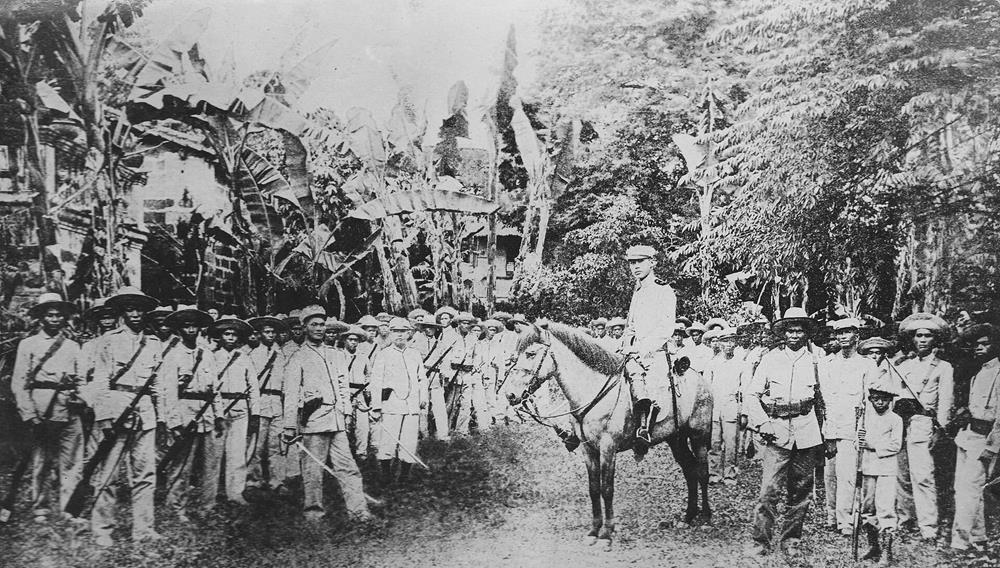
As tensions escalated following the declaration of war against American troops, the Philippine-American War erupted on February 4, 1899, marked by the initial shots from Private William W. Grayson. Early battles like the Battle of Manila saw Filipino revolutionaries engaging U.S. forces but suffering significant defeats due to American military superiority.
Notable events include:
- Capture of Malolos: On March 31, 1899, U.S. forces seized the rebel capital, delivering a critical blow to Emilio Aguinaldo’s government.
- Transition to guerrilla warfare: By November 1899, Filipino forces shifted tactics, adapting to the challenging terrain to counteract U.S. advantages.
- Capture of Aguinaldo: On March 23, 1901, U.S. forces captured Aguinaldo, severely weakening organized resistance and marking a turning point in the conflict.
The battle continued to highlight the resilience of the Filipino forces, as they engaged in guerilla tactics despite being outgunned and outnumbered.
Establishment of the First Philippine Republic
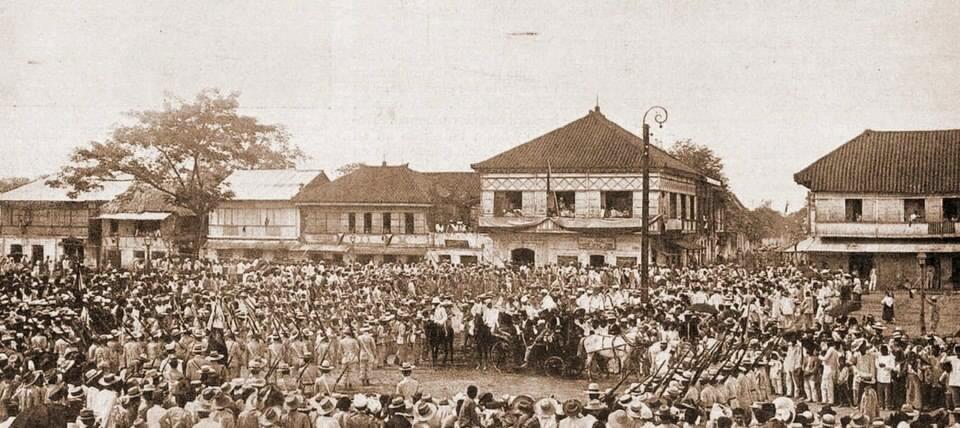
Against the backdrop of a nation endeavoring for self-rule, the Primary Philippine Republic was established on January 21, 1899, signaling a new era as Asia’s first constitutional republic. Led by Emilio Aguinaldo, this republic emerged from the Philippine Revolutionary forces’ victory over Spanish colonial rule, declaring independence on June 12, 1898.
However, the United States, having acquired the Philippines through the Treaty of Paris in December 1898, refused to recognize the republic. This lack of recognition set the stage for inevitable conflict. Aguinaldo’s government faced immediate challenges, with tensions escalating into the Philippine-American War on February 4, 1899.
Despite efforts to unify revolutionary factions and consolidate power, the republic succumbed to U.S. forces, dissolving in 1901. On March 23, 1901, Emilio Aguinaldo’s capture marked a turning point, leading to weakened resistance and the eventual decline of organized Filipino forces.
Role in the Spanish-American War
With the Initial Philippine Republic‘s struggle for recognition and independence laid bare, the stage was set for a pivotal moment in the broader conflict of the Spanish-American War. Emilio Aguinaldo returned on May 19, 1898, with Commodore George Dewey’s support, ready to lead the revolutionary forces against Spanish rule.
Here’s a glimpse of the unfolding events:
- Battle of Manila Bay: Dewey’s fleet destroyed the Spanish Pacific Squadron on May 1, 1898.
- Mock capture of Manila: U.S. and Filipino forces staged this on August 13, 1898.
- Treaty of Paris: Signed on December 10, 1898, it ceded the Philippines to the U.S.
As Aguinaldo stepped up as president, American troops’ presence sowed the seeds for the Philippine-American War.
Tensions Leading to the Philippine-American War
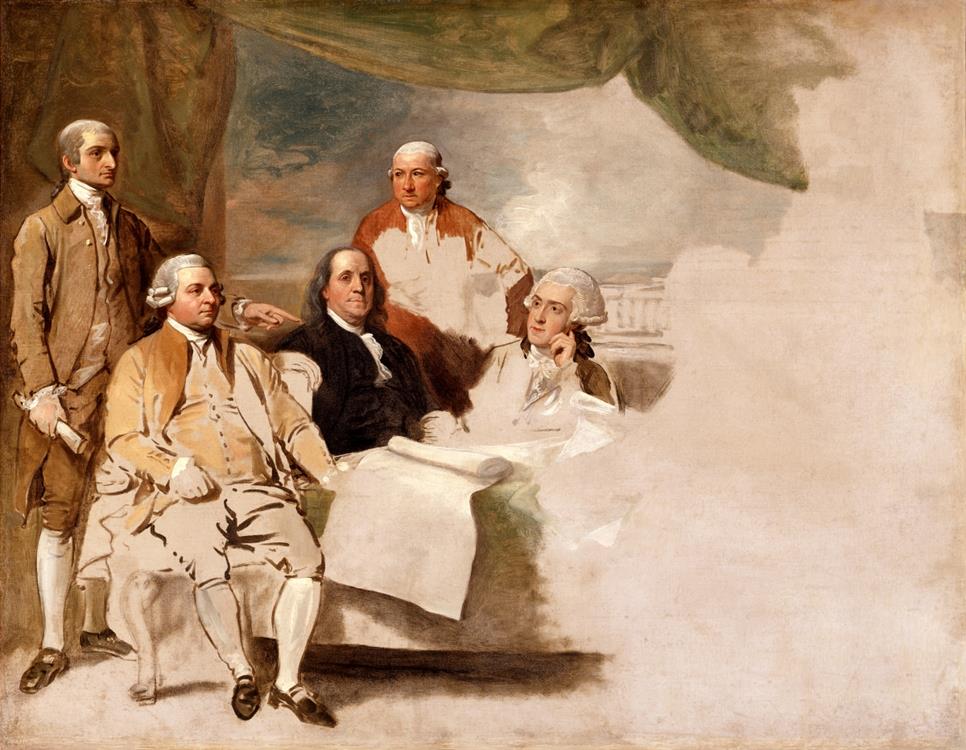
Though the Treaty of Paris officially ended the Spanish-American War, it ignited new tensions by transferring control of the Philippines to the United States. The Treaty ceded the Philippines for $20 million, disregarding the desire for Filipino independence. Emilio Aguinaldo, a key revolutionary leader, had declared independence in January 1899, but the U.S. refused to recognize the initial Philippine Republic.
This fueled hostilities as American troops viewed Filipino forces as insurgents rather than legitimate defenders of their sovereignty. The conflict erupted on February 4, 1899, when U.S. troops engaged Filipino forces in the Battle of Manila. Accusations that Aguinaldo collaborated with Spain and restricted supplies to American forces further escalated the tensions, setting the stage for the impending war.
Controversies and Allegations
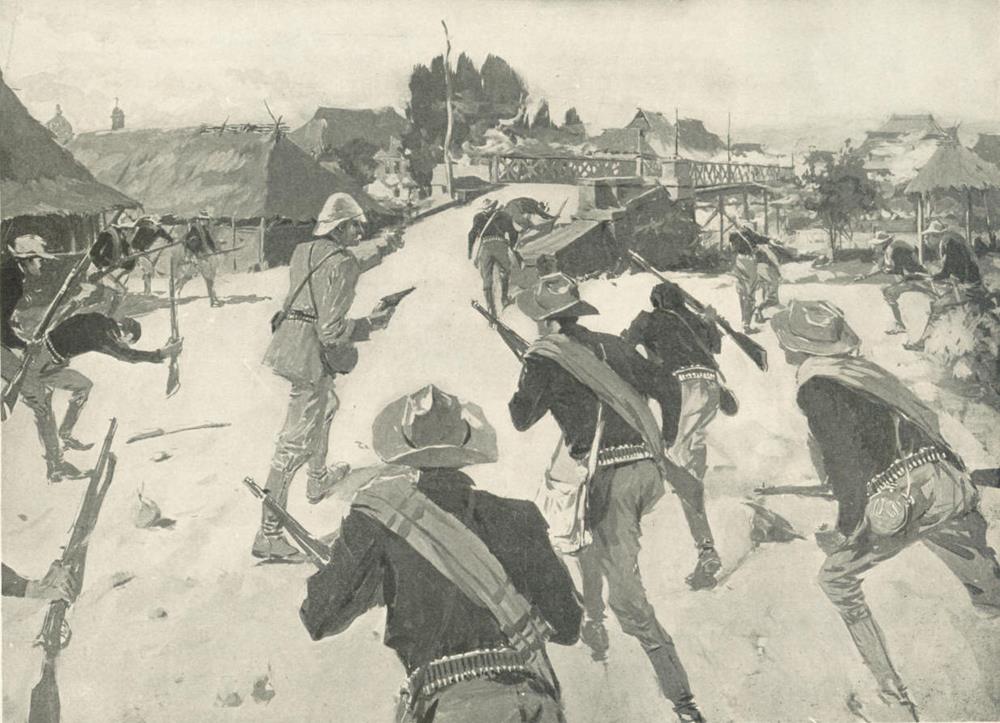
As the Philippine-American War unfolded, controversies and allegations swirled around key figures and events. Aguinaldo, leading the Initial Philippine Republic, faced scrutiny for his past actions, including the alleged involvement in the deaths of revolutionary leaders like Andrés Bonifacio.
These controversies fueled debates on his character and leadership. His proclamations during the conflict often raised American suspicions, with commanders suspecting him of secret dealings with the Spanish. The American forces labeled Filipino troops as “insurgents,” shaping public perception and justifying their aggressive military actions. Aguinaldo’s dissatisfaction with U.S. colonial rule was evident in his January 1899 counter-proclamation, criticizing changes to governance agreements.
Conclusion
Emilio Aguinaldo’s role in the Philippine-American War remains a defining chapter in the country’s struggle for independence. As leader of the First Philippine Republic, he navigated shifting alliances, military conflicts, and political challenges in pursuit of national sovereignty. Though his capture in 1901 marked the republic’s downfall, his efforts laid the foundation for future resistance against foreign rule. Aguinaldo’s legacy continues to spark debate, yet his influence on Philippine history is undeniable.