

Billie Burke enchanted audiences with her grace and charm, becoming one of Hollywood’s most beloved actresses. Best known for her role as Glinda the Good Witch in The Wizard of Oz (1939), she built a career spanning silent films, Broadway, and early Hollywood talkies. Despite her success, she eventually stepped away from acting. Understanding why she left the spotlight involves looking at her personal life, the evolution of the film industry, and the shifting demands of Hollywood.
Early Life and Theatrical Beginnings
Although her life began in Washington, D.C., Billie Burke‘s early years were filled with adventure as she traveled with her father, a performer with the Barnum & Bailey Circus. You can imagine the lively world of performers shaping her early theatrical beginnings. Settling in London, she developed a love for acting, making her stage debut at 19 in The School Girl in 1903. Her talent shone brightly on the West End, paving the way for her Broadway success back in the United States with roles in *Mrs. Dot* and The Mind the Paint Girl.
Marrying producer Florenz Ziegfeld in 1914, her career flourished alongside her personal life, welcoming daughter Patricia in 1916. Her shift to silent film marked only the beginning of her illustrious adventure. She became part of a cultural legacy similar to the iconic Dorothy’s dress from The Wizard of Oz, cherished by generations.
Rise to Stardom in Silent Films

Billie Burke’s odyssey from the stage to the silver screen marked a significant evolution in her career, capturing the essence of early Hollywood glamour. Her cinematic debut in the silent film Peggy (1915) earned her notable acclaim, instantly making her a prominent star. Burke’s roles in Arms and the Girl (1917) and The Mysterious Miss Terry (1918) further solidified her Hollywood status.
She wasn’t just a star; she was a fashion icon, setting trends with her lace trim dresses and curly wigs. Her husband, Florenz Ziegfeld, played an essential role in promoting her career. However, personal challenges, including a turbulent marriage, led to her temporary retirement in 1919.
Marriage to Florenz Ziegfeld
When Billie Burke married the illustrious Broadway producer Florenz Ziegfeld in 1914, it marked a turning point in her life and career. Their marriage created one of New York’s most glamorous couples, with Ziegfeld heavily promoting Burke’s films and stage performances.
In 1916, they welcomed their only daughter, Patricia Ziegfeld, further cementing their public persona as a high-profile family. By 1919, Burke retired from acting to focus on motherhood, living lavishly in their estate, Burkeley Crest, which featured a zoo and playhouse for Patricia.
Despite their affluent lifestyle, Burke faced personal challenges, especially after Ziegfeld’s death in 1932, which brought financial and emotional hardships. These factors contributed to her initial retirement from acting. Burke returned to the stage and then to film, where she became widely recognized for her role as Glinda in The Wizard of Oz.
Transition to Talkies
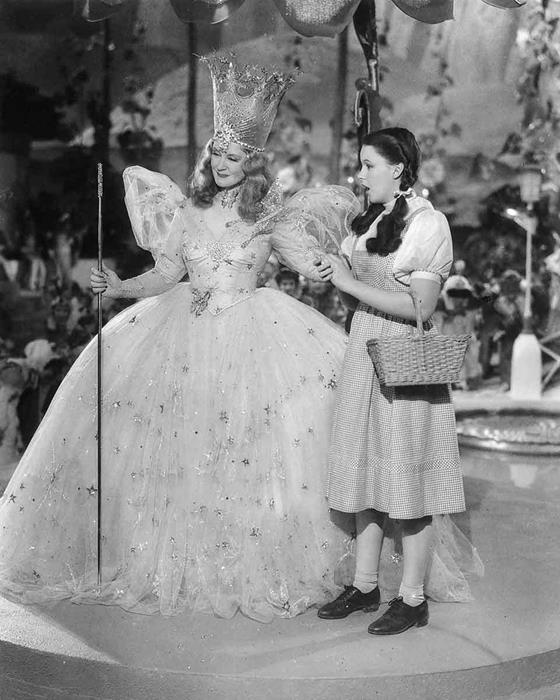
After stepping away from acting in 1921 to focus on motherhood, the early 1930s saw a significant moment in Billie Burke’s career. The Wall Street Crash prompted her return to Hollywood, where she accepted the shift to talkies. Her Hollywood comeback was marked by her role in Dinner at Eight (1933), a critical moment that revived her career.
Moving from acting on stage to the sound age, she faced challenges but found success, albeit often in comedy roles. Despite being typecast, Burke’s performances resonated with audiences. During this time, Ronald Reagan started his career as a radio sports broadcaster and later moved to Hollywood, signing with Warner Brothers in 1937. Her return was also driven by the need to support her daughter, Patricia Ziegfeld. Ultimately, Burke’s career flourished in the talkies age, though she eventually retired in the late 1950s.
The Impact of the Great Depression
As the Great Depression took hold in 1929, its effects rippled across the entertainment industry, leading to financial turmoil for many, including Billie Burke. She wasn’t immune to the economic challenges that ravaged Hollywood. Financial losses mounted, forcing her to reconsider her brief retirement and pursue a comeback in her acting career.
The decline in theatrical productions and reduced film budgets meant opportunities were scarce for actresses like Burke. Though she found some success with films such as “A Bill of Divorcement” (1932), the dire economic conditions overshadowed her achievements. Her experience reflects the broader struggle of entertainers maneuvering a collapsing economy, trying to maintain their place in the film industry amidst dwindling prospects.
Iconic Role in The Wizard of Oz
Billie Burke’s role as Glinda the Good Witch in The Wizard of Oz (1939) remains iconic, enchanting audiences with her charm and grace. One can’t help but be captivated by her performance, which, despite limited screen time, solidified her place in cinematic history.
Burke’s portrayal of Glinda was infused with an enduring appeal that helped make her a beloved figure in Hollywood. At 54 during filming, she delivered the memorable line, “Are you a good witch or a bad witch?”—a moment that continues to resonate. This iconic role, her personal favorite, has led to numerous adaptations and merchandise. It’s a reflection of her lasting legacy and how she remains a cherished part of popular culture.
Personal Life and Family Commitments
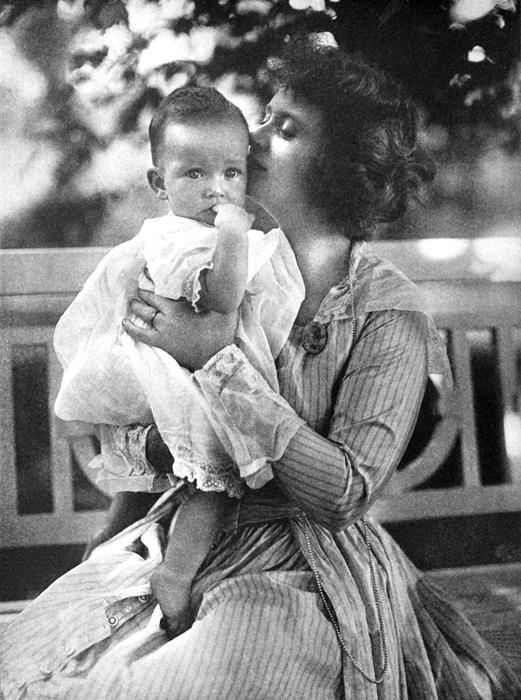
Stepping away from the silver screen wasn’t an easy decision for Billie Burke, especially after enchanting audiences as Glinda in The Wizard of Oz. However, her personal life and family commitments took precedence when she welcomed her daughter, Patricia Ziegfeld, in 1919. Billie chose to retire from acting, putting her Hollywood career on hold to focus on motherhood.
She purchased the Kirkham estate in Hastings-on-Hudson, New York, where she created a nurturing environment for Patricia, even building a playhouse modeled after George Washington’s Mount Vernon.
Employing a staff of 17 servants, she made certain her family lived comfortably while she dedicated herself to raising her daughter. Her initial retirement reflected her deep commitment to family and personal life over professional pursuits.
Final Years and Legacy
Although she was a cherished figure in Hollywood, Billie Burke decided to retire from acting in the late 1950s because she no longer found joy in her craft. Her final screen appearance was in Sergeant Rutledge (1960). Despite her retirement, Burke remained a beloved figure, remembered for her iconic role as Glinda the Good Witch in The Wizard of Oz (1939). Her significant contributions to show business were recognized with a star on the Hollywood Walk of Fame in 1960.
Even after stepping away, her legacy continued to shine, influencing future generations of actresses in both film and theater. Burke’s decision to retire stemmed from a lack of enjoyment, yet her impact on the industry remains undeniable.
Wrapping Up
Billie Burke’s departure from acting was shaped by personal circumstances, changing industry trends, and the natural progression of her career. As Hollywood moved beyond the golden age, she chose a quieter life, stepping away from the spotlight after decades of success. Though she retired, her legacy remains intact, with performances that continue to captivate audiences. Her portrayal of Glinda the Good Witch ensures she will always be remembered as a timeless figure in cinematic history.