

Throughout American history, several presidents have led the nation without having biological children of their own. Some remained lifelong bachelors, while others had stepchildren through marriage. Their personal lives often shaped their leadership styles, with many focusing their energies on public service, diplomacy, and governance.
George Washington
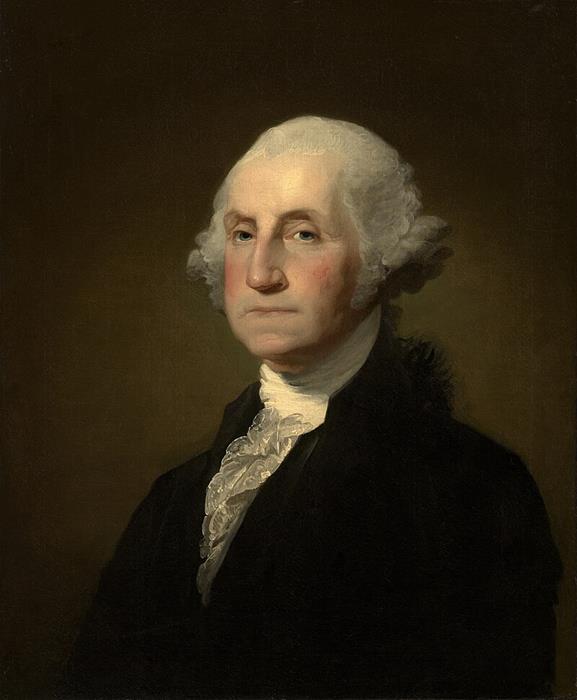
George Washington, known as the “Father of His Country,” played a significant paternal role despite not having biological children. Due to smallpox, Washington was sterile and couldn’t have his own offspring. When he married Martha Dandridge Custis in 1759, he accepted the role of a father figure to her stepchildren, John Parke Custis and Martha Parke Custis.
Washington’s dedication extended beyond them to Martha’s grandchildren, reflecting his commitment to family over personal lineage. In his initial inaugural address, Washington reassured the nation of his dedication, stating he’d “no child for whom I could wish to make a provision.”
James Madison
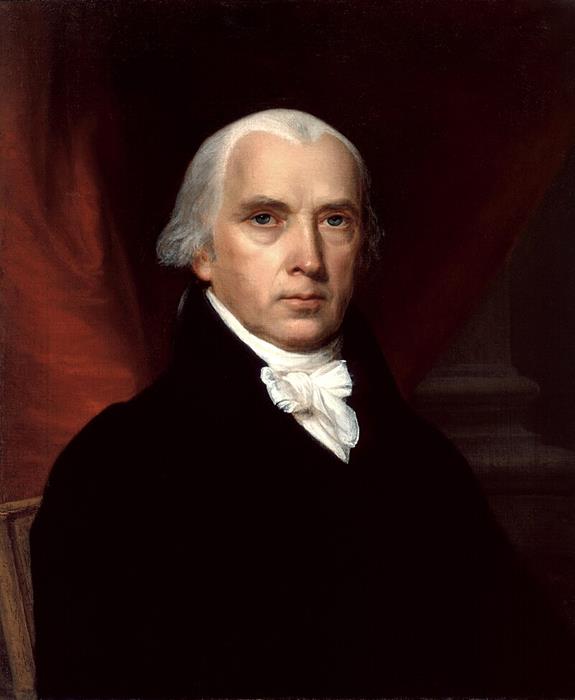
While George Washington set a precedent for presidential leadership without biological children, another founding father, James Madison, also left a significant legacy in American history. As the fourth President of the United States, Madison was an influential figure, known for being a key architect of the Constitution and the Bill of Rights. Despite having no biological children, Madison accepted his role as a stepfather to John Payne Todd, Dolley Madison’s son from her initial husband.
His political career was distinguished by his contributions to the Federalist Papers, advocating for the Constitution’s ratification. Madison’s dedication to the Union of the States was emphasized in his “Advice to My Country,” which he penned before his death. Madison’s presidency, marked by challenges like the War of 1812, and his efforts in co-founding the Democratic-Republican Party, further cemented his place as a crucial founding father.
Andrew Jackson
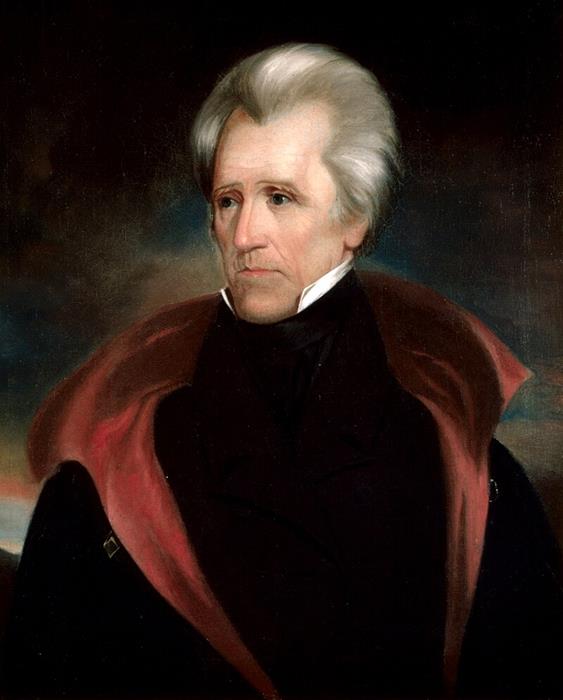
Some leaders make their mark not through biological lineage but through the lives they touch, and Andrew Jackson was one such figure. He didn’t have biological children, but his role as a guardian defined his legacy. After his marriage to Rachel Donelson Robards, which faced challenges due to her previous marriage, Jackson adopted a different kind of family life.
As a guardian, he raised several children, including his nephew, Andrew Jackson Jr., treating them as his own. Known as “Old Hickory,” Jackson’s commitment to family mirrored his political influence, demonstrating that one’s impact isn’t tied solely to offspring. His presidency was marked by strong, often controversial decisions, proving that leadership transcends having biological children.
Just like Jackson, James Monroe also left a significant legacy through his contributions, such as the Monroe Doctrine, which helped shape the United States into an influential nation.
James K. Polk
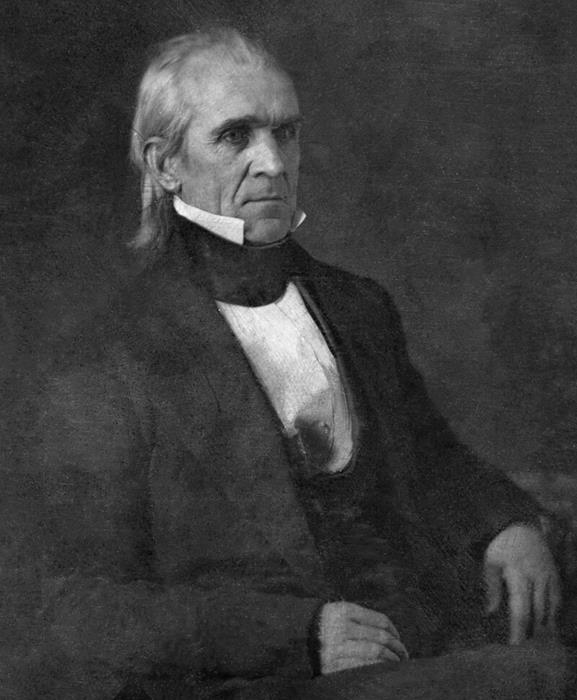
James K. Polk, the 11th President of the United States, played a vital role in the Manifest Destiny movement, pushing for the nation’s expansion across North America. Despite being the eldest of ten siblings, Polk had no biological children due to health issues that left him sterile. During his presidency from 1845 to 1849, Polk was instrumental in significant territorial acquisitions, reshaping the nation’s borders.
He secured the Oregon Territory and led the country through the Mexican-American War, greatly expanding U.S. lands. Even without heirs, Polk’s leadership is remembered for its unwavering dedication to America’s westward growth. Polk’s political ascent began in Tennessee, where he was first elected to the Tennessee House of Representatives, and later served as the Governor before becoming President.
James Buchanan
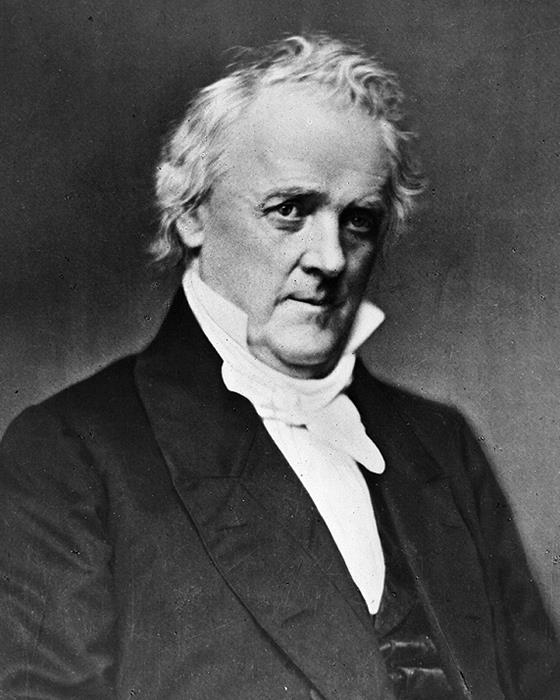
As the 15th President of the United States, James Buchanan’s personal life stood in stark contrast to his predecessors and successors. Buchanan was a lifelong bachelor, making him the only president without a primary lady. He’d no biological children, and his niece, Harriet Lane, gracefully filled the role of hostess during his presidency.
Buchanan’s romantic history included an engagement to Anne Caroline Coleman, which ended abruptly, leaving him single throughout his life. Speculation about his sexual orientation has been a topic among historians, with some suggesting he may have been homosexual. Despite lacking direct descendants, Buchanan’s unique position as a bachelor president continues to spark discussions on presidential family dynamics and the evolving roles within the White House.
Warren Harding

Warren Harding’s presidency is often overshadowed by scandals, leaving a legacy marred by controversy. Harding, the 29th President, remained childless during his 32-year marriage to Florence Kling DeWolfe. Their relationship was reportedly more about Florence’s persistence than true love. This lack of children meant Harding didn’t have a direct lineage to carry on his legacy. His administration is infamous for the Teapot Dome scandal, which overshadowed any positive achievements and deeply impacted his reputation.
Adding to the turmoil, allegations of extramarital affairs further complicated public perception of Harding’s presidency. Despite his political ambitions, his personal life, riddled with scandal, left a controversial imprint on history, making it difficult to separate his leadership from these tumultuous events.
Legacy of Childless Presidents
While many might assume that having children is a cornerstone of a president’s legacy, several American leaders have shown that this isn’t always the case. Childless presidents like George Washington and James Buchanan crafted legacies that weren’t overshadowed by a hereditary dynasty. Washington viewed his lack of biological children as beneficial, preventing the rise of familial rule in the U.S.
Likewise, Buchanan, without a lady or heirs, relied on his niece for social duties, showing leadership unburdened by familial ties. Polk’s infertility, stemming from surgery, also freed him from dynastic pressures. These leaders’ absence of offspring has shaped public perception, highlighting their focus on national rather than familial interests, ultimately contributing to a unique legacy in American history.
Conclusion
The absence of biological children among these presidents did not diminish their influence or leadership. Instead, their legacies were defined by their policies, decisions, and impact on the nation. By focusing on governance rather than personal lineage, they reinforced the idea that leadership is earned through service rather than inherited through bloodlines. Their contributions continue to shape American history, proving that a president’s true legacy is measured by actions, not ancestry.