

In 14th-century Hungary, towering swords were wielded by knights and nobles, embodying both martial power and social status. Knights led troops and maintained order, while nobles managed estates, ensuring loyalty to the monarchy. These colossal swords, often carefully crafted, symbolized wealth and dominance, making them more than mere weapons. They were ceremonial icons reflecting rightful authority and prestige. Uncover how these swords captivated not just courts but also modern audiences.
The Role of Knights and Nobles in Medieval Hungary
Knights and nobles were at the heart of 14th-century Hungarian society, wielding significant power both on and off the battlefield. As a knight, your duties included not only engaging in combat and leading troops during campaigns but also serving as a key figure in maintaining social order. You’d enforce the law and protect your lord’s lands, embodying the chivalric ideals of valor and honor.
Together, knights and nobles formed the backbone of Hungarian society, their influence stretching from the battlefield to the halls of power.
View this post on Instagram
Symbolism and Prestige of Colossal Swords
While knights and nobles upheld the societal framework of 14th-century Hungary, their authority was often mirrored in the grandeur of their weaponry.
Colossal swords, commissioned by the nobility, weren’t just tools of combat—they were emblems of symbolic power. Owning such a sword signified immense wealth and enhanced status, as these weapons were crafted with the finest materials and intricate designs.
Their sheer size and artistry made them perfect for noble display in royal courts and during ceremonial events, leaving allies and rivals alike in awe.
Although their weight and size limited their combat practicality, the visual impact of these swords was undeniable. They reinforced the owner’s martial prowess and projected an image of dominance and prestige in medieval society. Much like Excalibur: Sword of Kings, these swords symbolized rightful authority and the virtues expected of their bearers.
Craftsmanship and Design of Hungarian Swords
View this post on Instagram
The craftsmanship and design of 14th-century Hungarian swords reveal the exceptional skill of their creators. These swords showcase advanced metalworking techniques, with blade construction using high-quality steel. This not only guaranteed durability but also reflected the precision involved in crafting such weapons.
You will admire the intricate hilt decoration, a demonstration of the artistry of the time. Each hilt was often adorned with elaborate designs, signifying the owner’s status and taste. Such embellishments were a clear indicator of the nobility’s intent to display wealth and power.
While these swords were visually stunning, their grandeur often meant they were cumbersome, suggesting they were more about making an impression than practical combat use.
The Martial and Ceremonial Functions of Swords
Although 14th-century Hungarian swords dazzled with their elaborate designs and craftsmanship, their true purpose often lay beyond the battlefield.
These colossal swords primarily served as symbols of power and status, showcasing the ceremonial significance of their intricate hilts and high-quality blades. In royal courts and significant events, these swords instilled respect and awe, reflecting the social standing of their owners.
Despite their impressive appearance, the swords’ cumbersome nature limited their effectiveness in combat.
Their martial prowess was reserved for physically imposing and highly trained warriors who could wield them with strength and skill. While they could be used in battle, their role was more about emphasizing the bearer’s dominance and prestige rather than serving as practical weapons. Liechtenauer’s techniques, such as the Zornhau (Wrath Cut), provided a structured approach to swordsmanship that could enhance the effectiveness of these weapons in skilled hands.
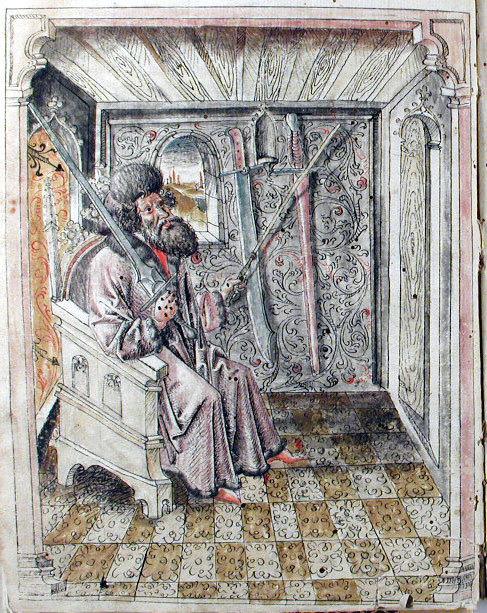
The Legacy of Hungarian Swords in Modern Times
Centuries after they were initially forged, 14th-century Hungarian swords still captivate modern audiences with their stunning craftsmanship and historical significance. When you visit museums like the Topkapi Palace Museum, you’ll see these swords prominently displayed, symbolizing the wealth and martial prowess of their original noble owners.
Their intricate designs and high-quality steel showcase the advanced metalworking techniques and artistic skills of medieval artisans. The swords’ cultural significance extends beyond their aesthetic appeal; they represent the social dynamics and power structures of 14th-century Hungarian nobility. As cultural artifacts, they play an essential role in historical preservation, sparking fascination with humanity’s past.
This enduring legacy highlights our ongoing interest in the intersection of weaponry, status, and historical identity, connecting you to a rich heritage. Additionally, legendary swords like Excalibur from mythological tales further enhance our fascination with the symbolism and power of swords throughout history.
Final Thoughts
The massive swords of 14th-century Hungary were more than just weapons—they symbolized power, status, and the skills of the warriors and nobles who carried them. Carefully crafted with fine materials, these swords represented wealth and authority, making them key pieces in ceremonies and royal courts. While their size made them less practical for battle, they still held great significance in shaping the image of those who wielded them.