

In Spanish colonization of the Philippines, figures like Ferdinand Magellan and Miguel López de Legazpi played vital roles. Magellan was the initial European to reach the islands, claiming them for Spain. Legazpi then established permanent settlements, such as Manila. Meanwhile, Catholic friars transformed local culture and José Rizal emerged as a symbol of resistance.
Ferdinand Magellan and the First European Encounter
In March 1521, Ferdinand Magellan arrived in the Philippines during his quest to find a westward route to the Spice Islands.
As the initial Spanish navigator to reach the Philippine Islands, Magellan claimed them for Spain, naming them “Las Felipinas” in honor of King Philip II. This marked the beginning of Spanish colonization efforts in the region.
However, Magellan’s expedition was abruptly ended during the Battle of Mactan. On April 27, 1521, he faced fierce resistance from the local chieftain Lapu-Lapu and his warriors, leading to his death.
Despite this setback, Magellan’s mission paved the way for future Spanish conquest and colonization, leaving a lasting impact on the Philippine archipelago and its history.

Miguel López De Legazpi and the Establishment of Spanish Rule
Ferdinand Magellan’s ill-fated expedition set the stage for Spain’s enduring presence in the Philippines, and Miguel López de Legazpi seized this opportunity to cement Spanish rule. Leading the primary successful Spanish expedition to the archipelago, Legazpi established the initial permanent settlement in Cebu in 1565, marking the start of Spanish control.
As the premier governor-general, he implemented a colonial government, significantly expanding Spanish influence. In 1571, he founded Manila, which quickly became the capital and a hub for commerce in the Spanish East Indies. Legazpi’s leadership overcame local opposition, setting the groundwork for a Spanish governance structure.
His strategic interactions with local rulers effectively wove the Philippines into the fabric of the Spanish Empire for over 300 years. The Philippine-American War resulted in over 200,000 civilian deaths and 20,000 soldier fatalities, highlighting its significant impact on Philippine history.
The Role of Catholic Friars in Cultural Transformation
While the Spanish colonization of the Philippines was marked by military conquest and governance, it was the Catholic friars who played an essential role in transforming the cultural landscape.
You’d find that these religious orders, including Jesuits, Franciscans, and Augustinians, didn’t just focus on spreading Roman Catholicism. They also influenced local governance by establishing schools and churches, embedding themselves in Filipino culture.
They documented and often suppressed indigenous practices, punishing rituals and destroying cultural artifacts to convert locals. Despite this, a unique blend of Catholicism and indigenous beliefs evolved, creating distinctive cultural expressions in festivals.
The friars’ significant land ownership also shifted economic power, with many becoming major landowners and political figures within the Spanish colonial system.

Resistance and Resilience: The Muslim Struggle in Mindanao
Though the Spanish colonization of the Philippines extended its reach over much of the archipelago, the Muslim population in Mindanao and Sulu stood resilient, fiercely defending their autonomy.
You’d see their resistance manifest in the Spanish-Moro Wars, intense conflicts spanning from the late 1500s to the late 1800s. These ongoing hostilities highlighted the tenacity of the Muslim leaders, like Rajah Sulayman, who opposed Spanish encroachment.
The introduction of Islam around 1380 had established a strong cultural foundation, reinforcing their identity and resistance. Despite Spanish efforts to govern and convert them, the Muslim population maintained their distinct culture and indigenous rights, a reflection of their resilience.
This enduring struggle remains a significant chapter in Philippine history.
The Encomienda System and Its Socioeconomic Impact
As the Spanish expanded their influence across the Philippines, they implemented the encomienda system, which profoundly altered the socio-economic landscape.
Legalized in 1568, this system allowed Spanish colonizers to demand tribute and forced labor from the Filipino populace, granting them control over local communities. The resulting exploitation led to widespread suffering and discontent.
Traditional communal land ownership was upended, with datus and local leaders replaced by Spanish-appointed officials. This shift exacerbated class distinctions, giving rise to the principalia, a new elite class that stemmed from the remnants of pre-colonial nobility.
The Rise of Revolutionary Leaders and Movements
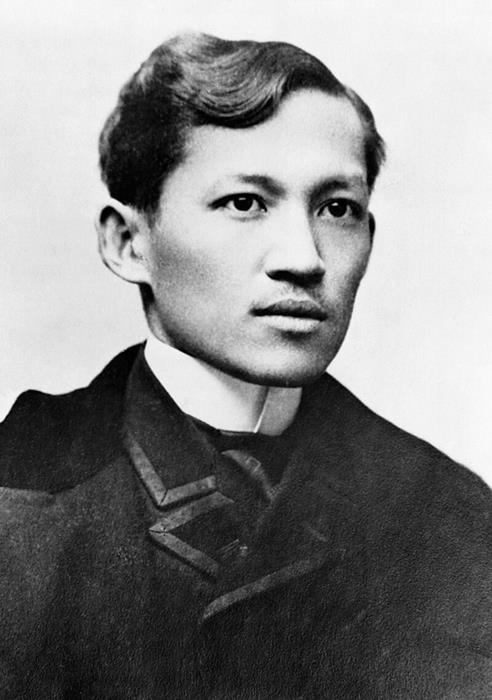
The execution of José Rizal on December 30, 1896, ignited the flames of revolution, inspiring countless Filipinos to rise against Spanish colonial rule. You’d soon recognize the significance of revolutionary leaders like Andrés Bonifacio, who founded the Katipunan in 1892. Bonifacio, often hailed as the “Father of the Revolution,” aimed to achieve independence through armed struggle, setting the stage for the Philippine Revolution. Emilio Aguinaldo also played a crucial role, declaring Philippine independence on June 12, 1898. As the initial president of the Philippine Republic, he symbolized the culmination of the revolution. Earlier figures like Gabriela and Diego Silang exemplified resistance against Spanish rule, inspiring future movements.
The Pact of Biak-na-Bato in December 1897 marked a significant chapter in this revolutionary saga. Antonio Luna, known for his military discipline and organization, significantly influenced the strategies employed during the Philippine-American War, emphasizing the importance of a well-trained and organized military force.
José Rizal: A Catalyst for Independence
Amidst the turbulence of Spanish colonial rule, José Rizal emerged as an essential figure who’d become a guiding light of hope and resistance for Filipinos. With his influential novels, Noli Me Tángere and El Filibusterismo, Rizal exposed the harsh realities and abuses under Spanish rule, igniting nationalism and fueling the revolutionary movement. His dedication to social justice and reform, expressed through his writings, inspired many to dream of independence. A skilled polymath, Rizal’s advocacy reached international audiences, garnering sympathy for the Filipino cause.
During his years in Dapitan, Rizal engaged deeply with the local community, which further solidified his impact on the country’s future and the ongoing struggle for independence. His execution on December 30, 1896, marked him as a martyr, galvanizing the fight against oppression. Rizal’s legacy endures, symbolizing resistance and the ongoing struggle for social justice and independence in the Philippines.
The Transition to American Colonization and Its Aftermath
José Rizal’s legacy of resistance set the stage for a new chapter in the Philippines’ struggle for autonomy.
The Spanish-American War shifted control from Spain to the United States, as the Treaty of Paris ceded the Philippines for $20 million. However, Filipino society wasn’t consulted, dismissing Emilio Aguinaldo’s declared independence. This oversight sparked the Philippine-American War, leading to significant casualties:
- Over 4,000 American soldiers and 16,000 Filipino soldiers perished.
- Nearly one million civilians suffered due to hunger and disease.
- Skirmishes persisted even after the war officially ended in 1902.
As American colonial rule took hold, infrastructure improved and English became the medium of instruction in schools, leaving lasting impacts on Filipino society.
This change marked a transformative yet tumultuous period.
Final Thoughts
The Spanish colonization of the Philippines shaped the nation’s history in many ways, leaving behind lasting influences on its culture, governance, and social structure. Key figures like Ferdinand Magellan and Miguel López de Legazpi played major roles in establishing Spanish rule, while Catholic friars reshaped traditions and beliefs. Resistance remained strong, with Muslim leaders in Mindanao defending their land and revolutionary figures like José Rizal, Andrés Bonifacio, and Emilio Aguinaldo pushing for independence.