

Situated in the picturesque region of Daraga, Albay, the Cagsawa Ruins are just a short 2.2 km trip from Daraga town and about 8 km from lively Legazpi City.
It is surrounded by a breathtaking setting where history and nature blend seamlessly. The ruins of the church, a haunting reminder of past volcanic eruptions of Mount Mayon, stand majestically against the backdrop of the iconic volcano’s perfect cone.
This site isn’t only a demonstration of the resilience of the people of Daraga but also a must-see for those seeking a blend of history and natural beauty.
With the Cagsawa Ruins’ stunning views of Mayon Volcano, you’re in for an unforgettable experience.
Historical Background of Cagsawa
Though the Cagsawa Ruins stand as a silent witness to history, they tell a story of resilience and transformation.
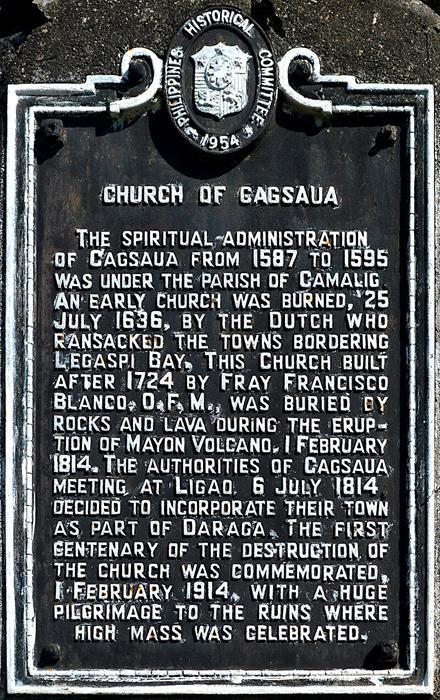
Originally built in 1587, this Franciscan church became a symbol of Spanish colonial influence in the Philippines. After Dutch pirates burned it in 1636, it was reconstructed in 1724, only to face destruction again during the catastrophic eruption of Mayon Volcano in 1814.
This eruption buried the town of Cagsawa, leaving only the belfry and parts of the convent as poignant reminders of the once-thriving community.
The 1814 Eruption of Mayon Volcano
The story of Cagsawa’s resilience turns a somber page when we remember the 1814 eruption of Mayon Volcano, a defining moment in the region’s history.
On February 1, during Candle Day Mass preparations, the eruption of Mayon released its destructive forces of nature. The Cagsawa church, a sanctuary for those seeking refuge, fell victim to deadly pyroclastic flows.
- An estimated 1,200 to 2,000 lives were lost.
- The town and church, built in the early 18th century, faced complete destruction.
- Pyroclastic flows buried the Cagsawa church, marking a significant tragedy.
- Massive boulders, some 8 feet wide, remain scattered.
- The eruption’s aftermath highlights Mayon Volcano’s immense power.
Today, the Cagsawa Ruins stand as a poignant reminder of nature’s fury.
Management and Preservation Efforts
While the Cagsawa Ruins stand as a tribute to the past, managing and preserving them involves active efforts by the local government of Daraga and the National Museum of the Philippines. These organizations collaborate to guarantee preservation efforts maintain the site’s integrity.
Cagsawa Park, where the ruins reside, is a protected area emphasizing conservation methods. The preservation efforts focus on maintaining the belfry and convent remnants, which are vital to the site’s historical appeal.
Since its 1992 inauguration, the Cagsawa Branch of the National Museum has educated visitors with exhibits on the ruins’ volcanic and archaeological context.
Community involvement is key, with educational programs designed to raise awareness about the Cagsawa Ruins’ cultural and historical importance among locals and tourists.
Tourism and Cultural Significance
Situated against the backdrop of the majestic Mayon Volcano, Cagsawa Ruins Park enchants visitors with its blend of natural beauty and poignant history.
As a major tourist attraction, it offers stunning views and deep historical significance. You’ll find the Cagsawa Ruins fascinating, especially when guided by knowledgeable tour guides who enrich your visit with enthralling stories of the past.
Managed by the local government and the National Museum of the Philippines, the site guarantees a well-curated experience.
Cagsawa Festival and Local Events
View this post on Instagram
Every February, the lively Cagsawa Festival springs to life, celebrating the rich tapestry of local culture and heritage. Launched in 2012 to commemorate the 200th anniversary of Mayon Volcano’s 1814 eruption, this colorful festival offers a unique glimpse into the community’s resilience. You’ll find a range of activities, from thrilling outdoor sports and culinary showcases to mesmerizing cultural presentations and body painting.
These events highlight traditional music and dance, offering the community a platform to express their talents and artistic flair. Throughout the year, Cagsawa Ruins Park hosts numerous local events, inviting visitors to engage themselves in the area’s rich cultural heritage. The festival stands as a symbol of the enduring spirit and pride of the Cagsawa community. The Filipino-American War was a significant historical event that continues to shape cultural expressions and community identity in the Philippines.
Visitor Experience and Activities
As you step into the Cagsawa Ruins, you’re greeted by the haunting beauty of its storied past, with the iconic bell tower standing as a solemn tribute to the 1814 eruption of Mayon Volcano.
Investigate the remnants of the church and dive into the area’s rich history at the on-site museum.
Photography enthusiasts will find the picturesque setting irresistible, especially during sunrise and sunset when the golden light amplifies the ruins’ charm.
- Investigate the iconic bell tower
- Visit the museum for historical insights
- Capture stunning photos of Mayon Volcano
- Sample traditional delicacies at local stalls
- Engage in festivals celebrating local heritage
Local stalls offer traditional delicacies and crafts, while festivals throughout the year invite you to connect with the local community.
View this post on Instagram
Transportation Options for Visitors
Getting to the Cagsawa Ruins is straightforward with several transportation options available.
Start your excursion from Legazpi City by hopping on a jeepney or bus to Daraga, with fares ranging between PHP 20-30.
Once in Daraga, you can choose to take another jeepney directly to the Cagsawa Ruins or enjoy a leisurely walk. The 1-2 kilometer trek offers scenic views and typically takes about 30-40 minutes.
If you prefer convenience, hire a tricycle from Daraga center for a direct route, costing between PHP 50-100.
Private transportation is also an option if you join an organized tour, with pickup and drop-off services from Legazpi City or Daraga Centro, ensuring a hassle-free visit to the Cagsawa Ruins.
Local Tips for Exploring Cagsawa Ruins

While you’ve figured out how to reach the Cagsawa Ruins, making the most of your visit involves some insider tips.
To capture the stunning views of Mayon Volcano, plan your visit early in the morning or late afternoon when the lighting is perfect for photographs.
Wear comfortable walking shoes to easily navigate the uneven terrain, enhancing your adventure.
Don’t forget to sample local snacks from nearby stalls for a taste of the region.
Here’s a handy list to guide your visit:
- Visit during sunrise or sunset for ideal photography lighting.
- Wear comfortable walking shoes to traverse the terrain.
- Bring a good camera for breathtaking photographs.
- Try local snacks for a flavorful experience.
- Check local schedules for festivals or cultural activities.
These tips guarantee a memorable visit!
Final Thoughts
Cagsawa Ruins stands as a silent witness to a past marked by both faith and tragedy. The volcanic eruption that buried the town may have erased much of its existence, but the ruins left behind tell a powerful story of survival and remembrance.