

As British troops advanced on Washington, D.C., in the summer of 1814, smoke and fear filled the city. The War of 1812 had brought the young United States to a tense and dangerous point. At the heart of this storm was Dolley Madison, First Lady and wife of President James Madison, who showed remarkable courage in protecting America’s most valuable symbols and artifacts.
In the chaos of an imminent invasion, Dolley made quick, smart decisions that would preserve history and define her legacy. She didn’t just stand by as the British drew closer to Washington; she took action, saving precious items that represented the heart of the country.
The Threat of a British Invasion
To fully grasp the importance of Dolley Madison’s actions, let’s step into the atmosphere of Washington, D.C., during those tense weeks. The War of 1812 was dragging on, and Britain had turned its attention to the American capital. British forces had already attacked several cities along the East Coast, proving they meant business. Their next target: Washington, D.C.
At that time, Washington was nothing like the fortified city we know today. It was a small, exposed capital, with few defenses and no experience handling a direct invasion. Officials in the government scrambled to organize some type of protection, but it all seemed too little, too late. The Royal Navy’s ships had already sailed up the Chesapeake Bay, and their troops were coming in fast.
In the midst of this, Dolley Madison stepped into a role no one quite expected. With her husband, President James Madison, busy directing defense efforts elsewhere, she was left to make tough calls on her own. She could have fled with everyone else, but she stayed to protect something bigger than herself. As the British forces marched closer, Dolley Madison found herself at the helm of a last-minute effort to save the country’s symbols.
Dolley Madison’s Brave Decision
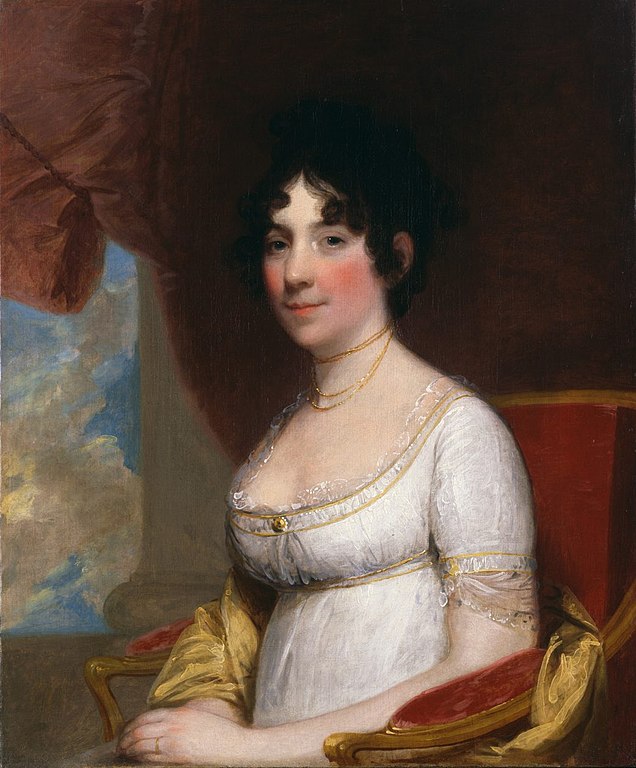
With British troops just hours away from Washington, Dolley Madison faced a choice that would shape her legacy forever. Almost everyone had fled the city by this point, and officials who had remained urged Dolley to leave as well. But Dolley understood that some things in the White House were more than just objects—they were symbols of what America stood for. Losing them would feel like losing part of the country’s identity.
Dolley kept her calm in the chaos. She directed her staff with a sense of focus and urgency, making sure key items were secured, even as the situation around them grew more dangerous. With every decision, she showed a remarkable level of bravery and care. This wasn’t just about saving things; it was about preserving America’s story and the ideals it represented.
Saving George Washington’s Portrait
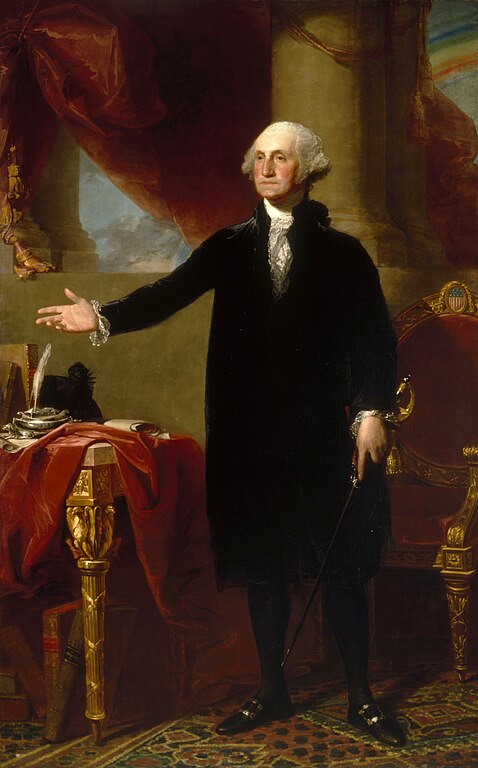
Out of all the items Dolley saved, the most famous is undoubtedly the full-size portrait of George Washington. Painted by Gilbert Stuart, this portrait was one of the most prized pieces in the White House, symbolizing the independence and resilience of the new nation. To Dolley, this wasn’t just a painting; it was an image of America’s first president, someone who had fought to bring the country into being.
In a moment of quick thinking, Dolley ordered her staff to take the painting out of its frame so they could carry it to safety more easily. Even with the British nearly upon them, she knew this piece was too important to leave behind. Her choice to prioritize the portrait showed a deep understanding of its significance and the need to protect it.
Standing in front of the portrait, Dolley likely knew she was saving more than just a piece of art—she was helping to preserve a connection to America’s early days and its founding ideals. Thanks to her quick thinking, this image of Washington survived, and to this day, it’s displayed as a reminder of the values and resilience Dolley and others worked to protect.
Other Treasures Dolley Saved
While George Washington’s portrait is the most well-known artifact Dolley saved, it wasn’t the only item she secured that day. She made sure that other key pieces of American history would survive the British attack. These items weren’t just valuable; they were parts of the nation’s story that she wanted to ensure would live on.
- Original Draft of the Declaration of Independence: Dolley’s team secured one of the early drafts of the Declaration of Independence, a document that marked the beginning of American freedom. This was no ordinary piece of paper—it represented the core values of the United States and a powerful reminder of what the nation stood for.
- Cabinet Papers: Dolley recognized that government documents held invaluable insights into the early workings of the country. These papers, filled with correspondence and records, captured the debates, decisions, and values of America’s founders. Saving them meant preserving essential records of the nation’s journey and its leaders’ ideas.
- Presidential Silverware: Although it might seem like a smaller detail, the silverware held special value. It symbolized continuity and the dignity of the office of the president. In Dolley’s eyes, saving this silverware was one way to keep the presidency intact and steady in uncertain times.
- Important Maps: The maps Dolley saved were critical for both military and diplomatic purposes. Maps guided the country’s growth, helping leaders make decisions about expansion and defense. By securing them, she made sure that key information would not be lost.
Each of these items represented part of America’s early identity. Dolley’s quick thinking ensured that they wouldn’t fall into enemy hands, and they would continue to remind Americans of their country’s origins and ideals.
Dolley Madison’s Enduring Legacy
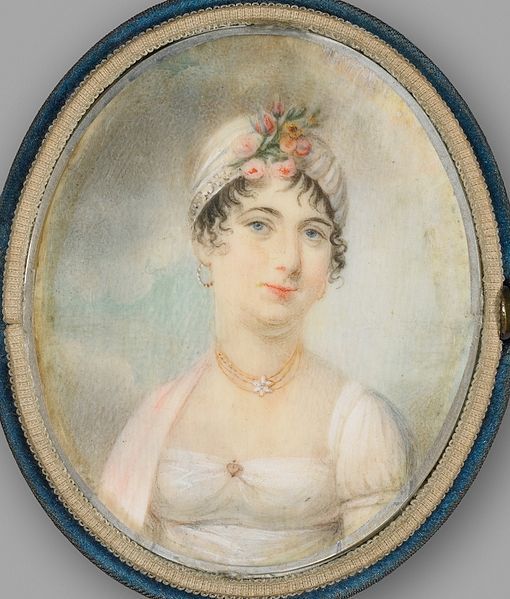
Dolley Madison’s actions on that day in 1814 secured her place in American history as more than just a First Lady. She became a symbol of courage, quick thinking, and devotion to her country. By choosing to protect these irreplaceable artifacts, Dolley ensured that America’s story and values would be preserved for generations.
Today, visitors to the White House can still see the portrait of George Washington she saved. It’s more than just a painting on the wall; it’s a reminder of the strength and determination of a young nation. And it represents Dolley’s understanding of the importance of preserving not just history, but the spirit of the country itself.
Dolley Madison’s story is more than a tale of bravery—it’s a reminder that one person’s actions can make a difference. She didn’t just see these items as things to save; she saw them as parts of America’s heritage worth protecting. Thanks to her, we have a richer understanding of where the country came from and what it stands for.
Conclusion
The War of 1812 brought severe challenges to the United States, and amid the chaos, Dolley Madison’s courage stood out. As the British advanced, she didn’t simply react to the threats around her; she made deliberate choices to protect items that represented the heart and spirit of her young country.
Dolley’s legacy lives on in these actions. She understood the importance of preserving history and the stories these artifacts could tell for years to come. Her determination reminds us of the value of safeguarding our heritage, especially when it’s at risk. Today, Dolley’s bravery is a powerful example of how one person’s actions can help carry a nation’s story forward, connecting the past to future generations.