

George Dewey (1837–1917) was one of the most distinguished naval officers in American history. Rising to the pinnacle of his career during the Spanish-American War, Dewey’s legacy is marked by his strategic brilliance, decisive leadership, and his role in establishing the United States as a formidable naval power. As the only person in U.S. history to hold the rank of Admiral of the Navy, Dewey’s contributions to naval warfare and policy are still revered today.
Early Life and Naval Career
George Dewey was born on December 26, 1837, in Montpelier, Vermont. He was raised in a family that valued education and discipline, which paved the way for his future military career. Dewey entered the U.S. Naval Academy in 1854, where he graduated in 1858. His naval career quickly gained momentum during the American Civil War.
As a young officer, Dewey served on several ships, taking part in critical naval battles. Notably, he was involved in the capture of New Orleans in 1862, one of the Union’s major victories in the Civil War, and later at the Battle of Port Hudson. These early experiences honed Dewey’s skills in leadership and naval strategy, laying the foundation for his future successes.
The Spanish-American War and the Battle of Manila Bay
In 1897, Dewey was appointed commander of the U.S. Asiatic Squadron, a position that placed him in the center of the Spanish-American War. The war was ignited by the Cuban struggle for independence from Spain and escalated following the explosion of the USS Maine in Havana Harbor. Dewey’s role in this conflict would forever define his legacy.

Battle of Manila Bay (May 1, 1898): The most famous and decisive action of Dewey’s career occurred on May 1, 1898, when he led the U.S. Asiatic Squadron into Manila Bay in the Philippines. The battle was brief but devastating for the Spanish fleet. Dewey’s command to Captain Charles Gridley, “You may fire when you are ready, Gridley,” marked the start of the engagement. Within hours, Dewey’s fleet had destroyed or captured the entire Spanish naval force without the loss of a single American life. This victory was a turning point in the Spanish-American War and solidified the United States’ naval dominance.
Aftermath and Occupation of Manila
Following his victory at Manila Bay, Dewey played a crucial role in the American occupation of Manila. He collaborated with U.S. Army forces to secure the city, navigating the complex political landscape involving Filipino insurgents and foreign powers with skillful diplomacy. His actions during this period were instrumental in establishing American control over the Philippines, a critical outcome of the war.
Return to the United States: A National Hero
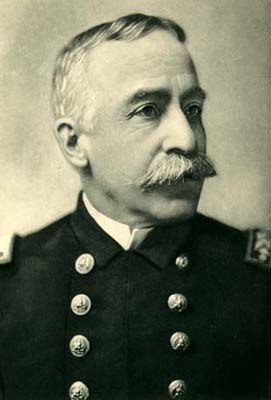
Dewey’s return to the United States in 1899 was met with nationwide celebrations. He was hailed as a national hero, with parades and public honors highlighting his achievements. Recognizing his extraordinary service, Congress created the unique rank of Admiral of the Navy specifically for Dewey, making him the highest-ranking officer in U.S. naval history.
Later Career and Contributions to Naval Policy
In the years following the Spanish-American War, Dewey continued to influence the development of the U.S. Navy. He served as President of the General Board of the Navy, where he helped shape naval policy during a time of significant growth and modernization. Dewey was a strong advocate for naval preparedness and the expansion of the U.S. fleet, emphasizing the importance of having a modern and powerful navy as a deterrent to war.
Personal Life and Legacy

Dewey’s personal life included two marriages. His first wife, Susan Boardman Goodwin, passed away in 1872, leaving him a widower with a young son. In 1899, Dewey remarried to Mildred McLean Hazen, a union that sparked some controversy due to her social standing and his public prominence.
Throughout his career, Dewey received numerous medals and honors, both from the United States and foreign governments. These included the Civil War Medal, Spanish Campaign Medal, Philippine Campaign Medal, and the Dewey Medal, created to commemorate his victory at Manila Bay. He also received decorations from countries such as Japan, Germany, and the Philippines, reflecting his international recognition as a naval leader.
George Dewey passed away on January 16, 1917, in Washington, D.C. His legacy as a naval commander and strategist endures, with ships and institutions named in his honor, including the destroyer USS Dewey, which served with distinction during World War II.
Key Traits and Leadership Style
George Dewey’s success as a naval leader can be attributed to several key traits:
- Strategic Thinking: Dewey’s ability to plan and execute complex naval operations was evident in his decisive victory at Manila Bay.
- Quick Decision-Making: Dewey’s prompt and effective decisions under pressure were critical to his success in battle.
- Diplomatic Skills: Dewey skillfully navigated the political challenges of post-war occupation in the Philippines.
- Courage Under Fire: Dewey demonstrated remarkable bravery and composure during combat, earning the respect of his peers and subordinates.
- Attention to Detail: Dewey’s meticulous approach to planning and execution ensured the success of his missions.
Impact on Naval Warfare and Strategy
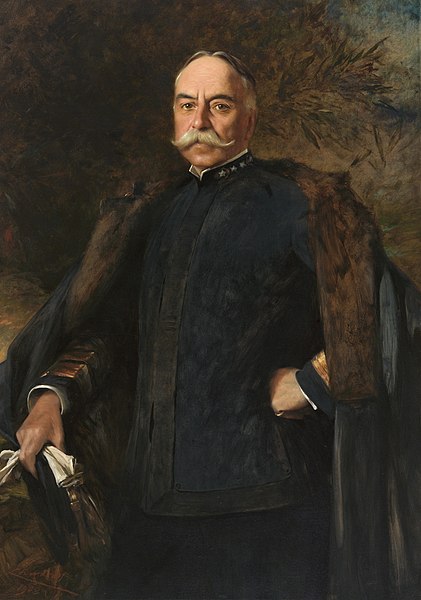
Dewey’s impact on naval warfare extended beyond his battlefield victories. He was a strong proponent of modernizing the Navy, emphasizing the importance of a powerful, well-prepared fleet. His advocacy for long-range gunnery and steam-powered warships reflected the changing nature of naval combat in the late 19th century. Dewey’s ideas influenced U.S. naval policy and strategy for decades, helping to establish the United States as a dominant maritime power.
Notable Quotes by George Dewey
- “You may fire when you are ready, Gridley.” – This command, given at the start of the Battle of Manila Bay, has become one of the most famous quotes in U.S. naval history.
- “A good Navy is not a provocation to war. It is the surest guaranty of peace.” – Dewey’s philosophy on naval power highlights his belief in the importance of a strong navy as a deterrent to conflict.
Additional Facts and Notes
- Dewey’s Rank: Dewey remains the only person in U.S. history to have held the rank of Admiral of the Navy, a unique title created to honor his extraordinary contributions.
- Film Footage of Manila Bay: The Battle of Manila Bay was one of the first military engagements to be captured on film, helping to document Dewey’s historic victory.
- Political Influence: Dewey was considered a potential candidate for the U.S. presidency after his return from the Philippines, though he ultimately declined to pursue a political career.
- Technological Innovations: Dewey’s career spanned a period of significant technological change in naval warfare, from wooden sailing ships to modern steel battleships powered by steam.
- Global Recognition: Dewey’s contributions were recognized internationally, with honors from several countries, reflecting his influence on global naval strategy.
Conclusion: George Dewey’s Enduring Legacy
George Dewey’s life and career encapsulate a crucial period in American naval history. From his early days as a Civil War officer to his legendary victory at Manila Bay, Dewey’s actions helped shape the future of the U.S. Navy and cemented the United States’ role as a global power. His strategic brilliance, leadership qualities, and commitment to naval modernization left an indelible mark on American military history, making him one of the most revered figures in the annals of naval warfare.