

Swords have always been entwined with the deepest traditions of various cultures, often serving as much more than mere tools of war. These blades carried symbolic weight in ceremonies that marked significant moments in life, death, and governance.
Whether in the hands of a king during a coronation, a priest in a sacred offering, or a warrior in a rite of passage – swords were integral to rituals that shaped ancient societies. Here are the ways swords are used in ancient ceremonies:
Swords in Religious Ceremonies
Swords were significant in many religious rites across ancient civilizations, often serving as powerful symbols and sacred objects.
In Celtic traditions, for example, swords were believed to be imbued with magical properties and were often used in rituals to honor the gods. One such ritual involved offering a sword to a deity by casting it into a sacred body of water, like a lake or a river.
The Celts believed that water was a portal to the divine, and by submerging a sword, they were sending it directly to the gods as a gift. The sword, often richly decorated, symbolized the warrior’s strength and dedication, and by giving it up, they sought the favor and protection of the gods.
The Romans also had their own ways of incorporating swords into religious ceremonies. During sacrifices, swords were sometimes used to slay the sacrificial animal, which was an offering to the gods. This act was seen as a way to appease the deities and ensure their favor in battle or for a good harvest. In this context, the sword symbolized the power to take life, which was then offered to the gods in exchange for their protection and blessings.
In Japan, swords held a special place in Shinto rituals. The sword, mirror, and jewel are among the Three Sacred Treasures of Japan, which are considered symbols of the imperial family’s divine descent.
In certain Shinto ceremonies, a priest might use a sword to purify a space or to ward off evil spirits. The sword’s sharpness and strength were seen as a means to cut through negative energies, symbolizing the protection and purity that the ceremony sought to invoke.
Swords in Funerary Practices

In many ancient cultures, swords played an important role in funerary practices, serving as significant grave goods that accompanied the deceased into the afterlife.
For the Vikings, swords were essential items to be buried with a warrior. The Viking belief system held that the afterlife was a continuation of one’s earthly life, especially for those who died in battle. Being buried with a sword was thought to ensure that the warriors would be able to defend themselves in the afterlife, particularly in Valhalla, the hall of the slain, where warriors were believed to continue their battles and feasts.
The swords buried with Vikings were often of high quality, sometimes intricately decorated, and could even include runes carved into the blade for added mystical protection. In some cases, these swords were ritually “killed” or bent before burial, which was believed to release the sword’s spirit to serve the deceased in the afterlife.
In ancient Greece, the practice of burying swords with the dead was also common, particularly among the warrior class. Greek warriors were often buried with weapons, including swords, as a sign of their valor and achievements. The Greeks believed that the soul needed to be equipped to navigate the challenges of the afterlife, and a sword was a powerful tool for that journey.
These swords were sometimes placed in the grave alongside other items like armor and shields, creating a complete set of warrior’s gear for the afterlife. Including these items reflected the importance of martial prowess and the belief that the afterlife was a place where one’s earthly identity and status continued.
In ancient China, swords were used in burial practices, particularly for the nobility and warriors. The Chinese believed that the afterlife was a mirror of the earthly realm, where the deceased would need protection and status symbols just as they did in life. Swords were often buried with their owners to defend against evil spirits and signify the deceased’s social standing.
In some cases, these swords were made from bronze or iron and were elaborately decorated with inlays of gold or jade, emphasizing the importance of the individual and their need for protection in the afterlife. The belief in the protective power of swords was so strong that some tombs even included replicas or symbolic representations of swords, ensuring that the deceased would be well-armed for eternity.
Swords in Legal and Judicial Rituals
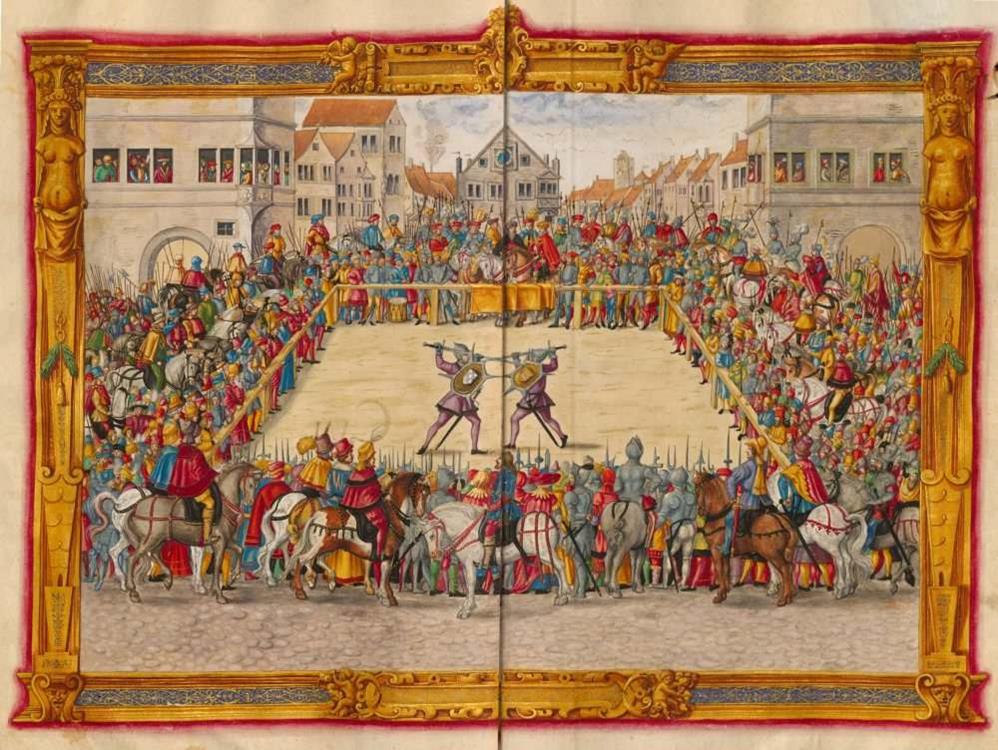
In medieval Europe, swords were not just instruments of war but also central to the legal and judicial systems. They played a key role in various rituals, particularly in trial by combat, where disputes were settled not by words but by the sword.
Trial by combat, also known as judicial duel, was a common practice during the Middle Ages. It was based on the belief that divine intervention would ensure the victory of the righteous party. When two individuals had a dispute over property, honor, or even accusations of crime, they could choose to resolve it through combat.
Each participant was armed with a sword, and they fought until one party was either defeated or killed. The winner was deemed to have been granted divine favor, proving their case in the eyes of the law.
One famous example of a trial by combat occurred in 1386, and it was known as the duel between Jean de Carrouges and Jacques Le Gris in France. The two knights engaged in combat after Carrouges accused Le Gris of assaulting his wife. The duel, fought with swords and witnessed by the king and court, ended in Carrouges’s victory, which proved Le Gris’s guilt.
Beyond trial by combat, swords were also used in other judicial rituals, such as the ceremonial execution of justice. In many European countries, the sword was the instrument of choice for carrying out executions, particularly beheadings. The act of execution by sword was seen as an honorable form of capital punishment, reserved for nobility and those of high status.
In these cases, the sword symbolized the authority of the law and the finality of its judgments. Executioners were often highly skilled with the sword, ensuring swift and precise justice. The use of the sword in executions reinforced its role as a tool of justice, capable of delivering a clean, decisive end to legal matters.
The use of swords in these legal and judicial contexts underscores their importance beyond the battlefield. Whether in trial by combat or as the instrument of execution, swords were central to the administration of justice in medieval Europe.
Swords in Rites of Passage
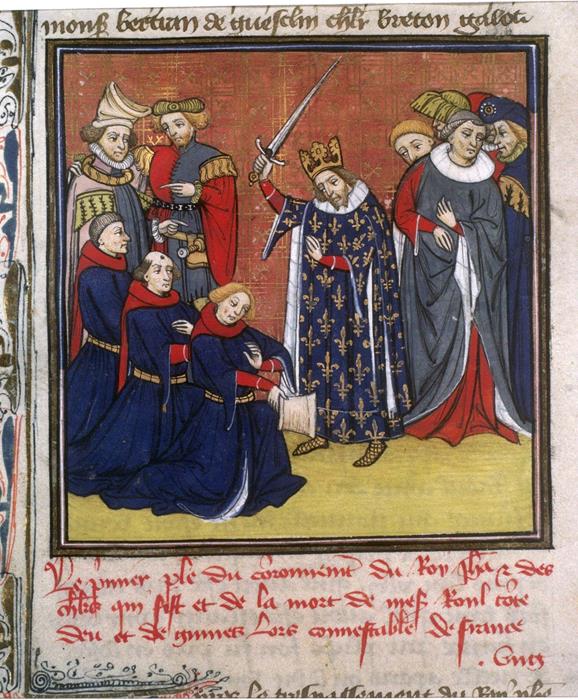
Swords have long been symbols of strength, honor, and responsibility, making them perfect for use in rites of passage, particularly those marking the transition from childhood to adulthood or the acceptance of warrior status. Across various cultures, the ceremonial use of swords in these rituals was a powerful way to signify the new roles and responsibilities of reaching a certain age or status.
In medieval Europe, the path to becoming a knight was marked by a series of important rites of passage. One of the most significant was the “dubbing” ceremony, where a young man was officially knighted and became a full-fledged warrior.
During this ceremony, the aspiring knight would kneel before a lord or king, who would then tap the flat side of a sword on the young man’s shoulders. This act symbolized the bestowal of knighthood, granting the young man the rights, responsibilities, and honor of a knight. The sword used in this ceremony was often the same sword the knight would carry into battle, making it a deeply personal and significant moment. This ritual marked the transition from youth to adulthood, with the sword symbolizing the new knight’s commitment to the chivalric code and his readiness to defend his lord and people.
In Japan, the Samurai followed a similar tradition known as the “genpuku” ceremony, which marked the coming of age for young boys, typically between the ages of 12 and 15. During this rite of passage, the young Samurai was presented with his first set of adult clothing and, most importantly, his first real sword—a “wakizashi,” a short sword.
The presentation of the sword was the ceremony’s highlight, symbolizing the boy’s transition into adulthood and his readiness to take on the responsibilities of a warrior. The sword represented the Samurai’s honor, duty, and the Bushido code—the strict moral code of the Samurai. Receiving the sword was a moment of great pride, as it signified that the young man was now a full member of the Samurai class, ready to uphold the values of loyalty, discipline, and courage.
In both examples, the sword was a powerful symbol of maturity and the acceptance of new societal roles. Whether the knight received his sword in Europe or the young Samurai was presented with his first blade in Japan, the ceremonial use of swords in these rites of passage marked an important moment of transformation.
Conclusion
Swords have always held a special place in the rituals and ceremonies of ancient cultures, serving as powerful symbols of authority, protection, and spiritual connection. Whether used in religious rites, funerary practices, judicial proceedings, or coming-of-age ceremonies, swords were more than just tools—they were integral to the traditions that shaped societies. By understanding the role of swords in these ancient ceremonies, we gain a deeper appreciation for the cultural significance they carried, far beyond their sharp edges and steel.