

Mary Martin was one of the greatest stars in Broadway history. Known for her powerful voice and incredible stage presence, she brought some of the most famous characters in musical theater to life. From South Pacific to Peter Pan, Mary Martin became a household name through her unforgettable performances.
She also set new standards for what it means to be a Broadway star. With a career that spanned decades, her influence on theater still shines today. This article looks at the amazing journey of Mary Martin and the roles that made her a legend.
Early Life and Career Beginnings

Mary Martin’s path to Broadway stardom wasn’t a straight line. Her journey started in small-town Texas, but her determination and passion for performing eventually led her to the bright lights of musical theater.
Early Years in Weatherford, Texas
Mary Martin was born on December 1, 1913, in Weatherford, Texas, a small town outside of Fort Worth. Growing up, she developed a love for singing and performing, often entertaining family and friends. Her talent became clear at a young age, and she dreamed of pursuing a career in show business, far from the quiet life in Texas.
Despite the challenges of living in a small town, Mary was determined to make her mark. Her family supported her ambitions, and she eventually decided to move to California in pursuit of her dreams.
Initial Attempts at a Singing and Acting Career in Hollywood
In the early 1930s, Mary Martin moved to Hollywood with hopes of becoming a star. However, the road to success wasn’t easy. She took on small singing gigs and acting roles but struggled to break into the competitive entertainment industry.
Key points from her early Hollywood attempts include:
- Performing at local clubs and theaters, trying to gain attention
- Working with vocal coaches to refine her singing abilities
- Facing rejection and setbacks while auditioning for film and stage roles
Though she didn’t find immediate success, these early experiences helped her develop resilience and prepared her for future opportunities.
First Major Break in Musical Theater
Mary’s big break came when she auditioned for the Broadway show Leave It to Me! in 1938. She landed the role of Dolly Winslow, a supporting character, but it was her performance of the song “My Heart Belongs to Daddy” that stole the show. This number became an instant hit, and Mary Martin was suddenly the talk of Broadway.
Key aspects of her breakthrough include:
- The impact of her performance in Leave It to Me! on audiences and critics
- How “My Heart Belongs to Daddy” became a signature song for her
- Her rise to fame following the success of this production
From this moment on, Mary Martin’s career took off, and she soon became one of the biggest stars on Broadway.
Breakthrough Role: Nellie Forbush in South Pacific
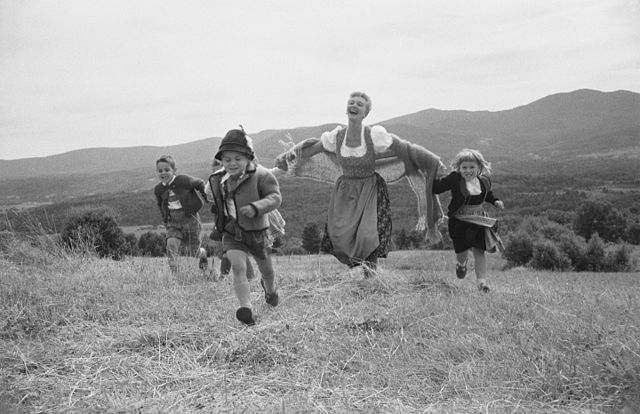
Mary Martin’s portrayal of Nellie Forbush in South Pacific was a turning point in her career. This role showcased her exceptional talent and solidified her place as one of Broadway’s most iconic leading actresses.
The Significance of South Pacific in Mary Martin’s Career
When South Pacific premiered on Broadway in 1949, it was an immediate success, and Mary Martin’s performance as Nellie Forbush was a key part of that. The musical, written by Richard Rodgers and Oscar Hammerstein II, dealt with themes of love, war, and prejudice, making it one of the most groundbreaking shows of its time.
For Mary Martin, South Pacific represented more than just another role—it was the moment she became a true Broadway superstar. Playing Nellie, a spunky and charming U.S. Navy nurse, gave her the opportunity to demonstrate her range as both an actress and a singer. Songs like “I’m Gonna Wash That Man Right Outa My Hair” and “A Wonderful Guy” allowed her to shine, and audiences fell in love with her character.
How the Role Cemented Her as a Leading Actress in Musical Theater
Nellie Forbush became one of the defining roles of Mary Martin’s career. Her natural charm, comedic timing, and emotional depth made the character unforgettable. Martin’s performance helped to elevate the musical itself, turning South Pacific into one of the most celebrated shows in Broadway history.
The role of Nellie Forbush established Martin as a leading actress because it showed her ability to carry a major production. She balanced humor and seriousness, portraying a character who was both lighthearted and deeply affected by the racial tensions explored in the story. Her portrayal made it clear that Mary Martin wasn’t just a singer or a dancer—she was a versatile performer capable of taking on complex roles.
Impact of Her Portrayal of Nellie Forbush on Broadway Audiences
Mary Martin’s Nellie Forbush left a lasting impact on Broadway audiences. Her energetic and heartfelt performance made her an audience favorite, and people would return again and again to see her bring the character to life. Critics praised her ability to bring warmth and authenticity to the role, and she quickly became a beloved figure on Broadway.
The success of South Pacific and Martin’s portrayal of Nellie also contributed to the musical’s cultural influence. Audiences connected deeply with the character’s journey, and Mary Martin’s performance is still remembered as one of the great moments in musical theater history.
Mary Martin as Peter Pan
One of Mary Martin’s most iconic roles was that of Peter Pan, the boy who never grows up. Her portrayal of this beloved character became a defining moment in her career and cemented her place in Broadway history.
The Role of Peter Pan and Its Importance to Her Legacy
Mary Martin first took on the role of Peter Pan in a live television broadcast of the musical in 1955 after starring in the Broadway production a year earlier. Her performance as the playful and adventurous Peter Pan became legendary, and for many, she remains the definitive version of the character. The role allowed her to showcase her energy, charm, and physicality in a way few other roles had.
Peter Pan became a symbol of her ability to bring magic to the stage. Her youthful spirit and lively performance made her seem like a real-life embodiment of the character, and audiences couldn’t get enough of her portrayal. This role became so closely tied to her legacy that even today, Mary Martin is often remembered first and foremost as Peter Pan.
Discussion of Her Iconic Flying Scenes and the Technical Feats Involved
One of the most memorable aspects of Mary Martin’s performance as Peter Pan was her flying scenes. For audiences in the 1950s, watching Martin soar across the stage was nothing short of magical. These scenes required cutting-edge stagecraft at the time, and the production team used complex rigging and wires to achieve the effect. Martin’s ability to fly gracefully across the stage, even while singing and acting, impressed both critics and viewers alike.
The flying sequences were symbolic of the character’s eternal youth and freedom. Martin’s physical performance in these moments added to the whimsy and fantasy of the story, making it a key part of her portrayal. She made flying look effortless, but it required careful choreography and a lot of trust in the technical crew behind the scenes.
The Cultural Impact of Her Portrayal and How It Influenced Future Productions
Mary Martin’s portrayal of Peter Pan left a lasting cultural impact. The televised version of Peter Pan in 1955 was a groundbreaking event, attracting millions of viewers and introducing the magic of Broadway to living rooms across America. Martin’s performance became iconic, and many future productions of Peter Pan drew inspiration from her interpretation of the role.
Her portrayal set a standard for future actresses playing Peter Pan. The light-heartedness, humor, and energy she brought to the character became benchmarks for those who followed in her footsteps. Even today, Mary Martin’s Peter Pan is considered the gold standard, and her performance continues to influence how the character is portrayed on stage and screen.
The role also helped popularize the idea of women playing Peter Pan, a tradition that continues in productions of the musical to this day. Mary Martin’s performance transcended the boundaries of gender, proving that the spirit of Peter Pan could be captured by anyone who embraced the character’s timeless sense of wonder and adventure.
Other Iconic Roles
In addition to her famous performances as Nellie Forbush and Peter Pan, Mary Martin took on several other roles that showcased her talent and solidified her reputation as one of Broadway’s greatest stars.
Maria in The Sound of Music: The Broadway Production Before the Famous Film
Before Julie Andrews became synonymous with the role of Maria in the 1965 film version of The Sound of Music, Mary Martin originated the role on Broadway in 1959. Her portrayal of the spirited and kind-hearted Maria von Trapp in the original Broadway production earned her rave reviews and another Tony Award for Best Actress in a Musical.
Martin’s performance helped make The Sound of Music an instant classic. She brought warmth, humor, and emotional depth to the role, endearing her to audiences. Songs like “Do-Re-Mi” and “My Favorite Things” became signature moments in the show, and Martin’s presence made the Broadway production a huge success. Although the film adaptation would later become more widely known, Martin’s original portrayal of Maria set the standard for the character.
Her Collaboration with Richard Rodgers and Oscar Hammerstein II
Throughout her career, Mary Martin frequently collaborated with the legendary songwriting duo Richard Rodgers and Oscar Hammerstein II. This partnership resulted in some of her most memorable roles, including Nellie Forbush in South Pacific and Maria in The Sound of Music.
Rodgers and Hammerstein were known for creating powerful musicals with deep emotional themes, and Martin was the perfect actress to bring their characters to life. Her ability to connect with audiences and convey both humor and drama made her a natural fit for the duo’s work. Together, they helped shape the landscape of American musical theater, and their collaborations remain some of the most iconic productions in Broadway history.
Additional Notable Roles Throughout Her Career
While Peter Pan, South Pacific, and The Sound of Music were among her most famous roles, Mary Martin played many other notable characters during her long career. Some of her other significant roles include:
- Annie Oakley in Annie Get Your Gun: Martin toured with this Irving Berlin musical, playing the sharp-shooting, fun-loving Annie Oakley. While she wasn’t the first actress to take on the role, her performance brought a fresh energy to the character.
- Liza Elliott in Lady in the Dark: In this 1941 musical by Kurt Weill and Ira Gershwin, Martin played a fashion editor undergoing psychoanalysis. Her performance, particularly her rendition of “The Saga of Jenny,” earned critical acclaim and added to her growing reputation on Broadway.
- Jenny in Love Life: In this 1948 musical, written by Alan Jay Lerner and Kurt Weill, Martin portrayed a woman navigating various stages of marriage and love, showing her ability to tackle complex, emotional roles.
Throughout her career, Mary Martin continued to take on challenging roles that highlighted her range as an actress and singer. These iconic roles collectively shaped her remarkable career and ensured her place in the pantheon of Broadway legends.
Transition to Television and Other Media
Mary Martin’s talents weren’t confined to the stage. As television became more popular in the 1950s, she successfully transitioned to the small screen, captivating audiences with her performances in televised musicals and appearances in other forms of media.
The Televised Versions of Peter Pan
One of the most significant moments in Mary Martin’s television career was the 1955 live broadcast of Peter Pan. Millions of viewers tuned in to see Martin reprise her famous role as the boy who never grows up, bringing Broadway to the living rooms of families across America. Her performance was a massive hit, and the broadcast became a landmark moment in television history.
The live telecast was such a success that it was rebroadcast in 1956 and again in 1960, each time drawing large audiences. Martin’s graceful flying and joyful portrayal of Peter Pan made her a favorite among children and adults alike. The televised versions of Peter Pan not only expanded her fan base beyond Broadway but also helped solidify her legacy in American pop culture.
Appearances in Movies, Variety Shows, and Other Media
In addition to her television work, Mary Martin made a number of appearances in movies and variety shows, further broadening her appeal. While her film career wasn’t as extensive as her work on stage and television, she did appear in a few notable films, such as:
- Night and Day (1946): A biographical musical about the life of Cole Porter, in which Martin played herself, performing the song “My Heart Belongs to Daddy,” a nod to her earlier Broadway success.
- Main Street to Broadway (1953): A film about Broadway, in which Martin also played herself, appearing alongside other famous stars of the stage.
Martin also appeared on popular variety shows such as The Ed Sullivan Show, where she performed musical numbers and interacted with other entertainers of the time. These appearances helped her stay connected with audiences and showcased her versatility as a performer.
How She Stayed Relevant Throughout Multiple Entertainment Platforms
Mary Martin’s ability to stay relevant across different forms of media was rooted in her adaptability and timeless charm. While many stage performers struggled to transition to television, Martin’s natural presence and engaging personality made her a hit on screen. She embraced the new opportunities that television and movies offered, all while continuing to take on new roles in live theater.
Several factors contributed to her staying power:
- Strong stage presence: Whether on stage or screen, Martin had a magnetic presence that drew audiences in. Her warmth and sincerity translated easily to television, making her performances feel personal and intimate, even when broadcast to millions of homes.
- A diverse range of performances: Martin took on a variety of roles throughout her career, from Broadway musicals to guest appearances on variety shows. This diversity kept her career fresh and allowed her to appeal to different audiences.
- Cultural relevance: By participating in televised productions like Peter Pan, Martin helped bring Broadway culture to mainstream television audiences. This not only boosted her career but also kept her relevant in the changing entertainment landscape.
Awards and Accolades
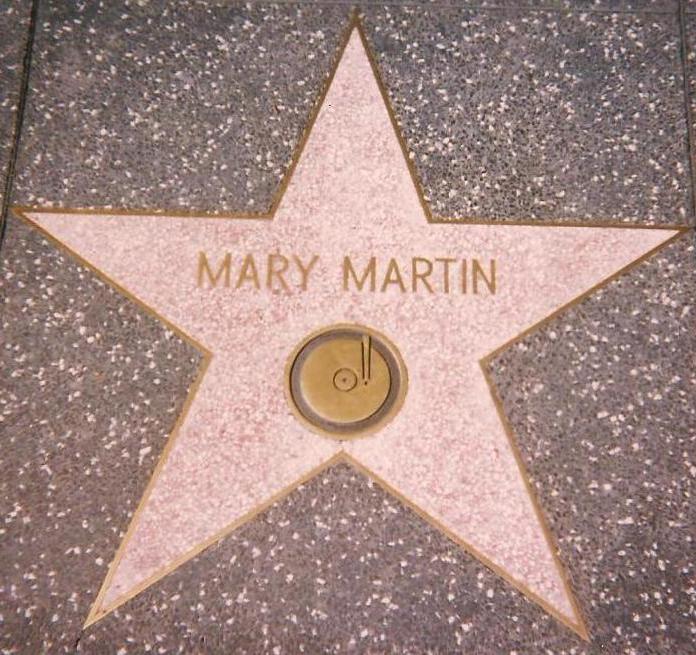
Throughout her remarkable career, Mary Martin received numerous awards and accolades, which solidified her status as one of the greatest performers in musical theater history.
Tony Awards and Other Recognitions
Mary Martin was a frequent recipient of the prestigious Tony Award, Broadway’s highest honor, reflecting her incredible contributions to musical theater. Over the course of her career, she won four Tony Awards for Best Actress in a Musical:
- 1948: South Pacific – Mary won her first Tony Award for her portrayal of Nellie Forbush, the role that truly made her a Broadway superstar. Her performance was both charming and powerful, making her the heart of the production.
- 1955: Peter Pan – Her iconic portrayal of Peter Pan earned her another Tony Award. This role showcased her physicality and energy, particularly in the famous flying scenes, captivating audiences of all ages.
- 1959: The Sound of Music – Martin’s role as Maria von Trapp in the original Broadway production of The Sound of Music brought her yet another Tony Award. Her portrayal of Maria’s warmth, joy, and strength deeply resonated with audiences and critics alike.
- 1966: I Do! I Do! – Martin’s final Tony Award came for her role in this musical, in which she played a wife in a marriage spanning decades. The role allowed her to display her emotional range and maturity as a performer.
In addition to her Tony Awards, Martin received numerous other honors throughout her career, including Drama Desk Awards and accolades for her performances in both television and live theater.
Honorary Awards and Lifetime Achievement Recognitions
As a testament to her enduring impact on the world of theater and entertainment, Mary Martin received several honorary awards and lifetime achievement recognitions over the years. Some of the most notable honors include:
- Kennedy Center Honors (1989): Martin was celebrated with a Kennedy Center Honor, one of the highest recognitions in the performing arts. This award acknowledged her lasting influence on American theater and her contributions to the cultural landscape.
- Special Tony Award (1973): In addition to her competitive Tony Awards, Martin received a special Tony Award in 1973 for “Excellence in Theater.” This honorary recognition was a tribute to her decades of outstanding performances and her impact on Broadway.
- Emmy Awards: Martin was also recognized for her work in television, including Emmy Awards for her appearances in the televised versions of Peter Pan. These productions brought her Broadway magic to millions of viewers and cemented her legacy as a crossover star.
- Theatre Hall of Fame: Mary Martin was inducted into the American Theatre Hall of Fame, an honor reserved for individuals who have made significant contributions to the world of theater. Her inclusion reflected her status as one of the greatest performers in Broadway history.
Personal Life and Legacy
Mary Martin’s personal life was as rich and fulfilling as her illustrious career on stage. While she is best known for her work in musical theater, her family, philanthropy, and contributions to the world beyond entertainment were also important parts of her story.
Her Family Life, Including Her Son, Actor Larry Hagman
Mary Martin was married twice during her lifetime. Her first marriage was to Benjamin Hagman in 1930, and together, they had a son, Larry Hagman, who would later become a famous actor, best known for his role as J.R. Ewing on the hit television series Dallas. Mary and Benjamin eventually divorced in 1936, but she maintained a close relationship with her son throughout her life.
In 1940, Martin married Richard Halliday, a producer and writer who played a significant role in managing her career. Their partnership was both personal and professional, as Halliday supported her in making important career decisions and navigating the entertainment industry. The couple remained married until Halliday’s death in 1973.
Larry Hagman often spoke about his mother’s influence on him, describing her as a loving, dedicated parent who balanced her career with her family life. Despite her demanding schedule, Mary made time to support Larry in his own acting endeavors, and the two shared a strong bond throughout their lives.
Philanthropy and Contributions Outside of the Theater World
In addition to her work on stage, Mary Martin was actively involved in philanthropy and humanitarian efforts. She used her fame and influence to support various charitable causes, particularly those focused on children and education. Martin believed strongly in giving back and worked to make a positive difference outside of the spotlight.
Some of her key contributions include:
- She supported organizations dedicated to helping children, particularly those in need of healthcare and educational resources.
- She was involved in the arts community, promoting theater education, and helping young performers pursue their dreams.
- She volunteered and worked with various non-profit organizations throughout her career, often donating her time and resources to causes she cared about.
Death
Mary Martin passed away on November 3, 1990, at the age of 76. She died of cancer at her home in Rancho Mirage, California, leaving behind a legacy of unforgettable performances and a deep influence on musical theater. Her passing marked the end of an era for Broadway, as she was one of the last great stars from the Golden Age of musicals.
Legacy
Mary Martin’s legacy endures in the hearts of theater lovers and performers alike. Her contributions to Broadway, especially her unforgettable performances in shows like Peter Pan, South Pacific, and The Sound of Music, continue to inspire new generations of actors. She was a trailblazer for women in musical theater, proving that a leading lady could be both strong and versatile.
Final Thoughts
Mary Martin’s career was truly legendary. With performances in South Pacific, Peter Pan, and The Sound of Music, she became one of the most beloved stars in musical theater. Her influence continues to inspire performers today, and her generosity and kindness extended far beyond the stage. Mary Martin’s legacy lives on as a symbol of talent, passion, and dedication to the arts.