

Paulette Goddard was a bright star in Hollywood during the 1930s and 1940s. She acted in many popular films and became known for her charm and talent. Though she worked with big names like Charlie Chaplin and appeared in classic movies, her story is often overlooked today.
In this article, we will take a closer look at Paulette Goddard’s journey to stardom, her most important films, and the challenges she faced in her career. From her early days in Hollywood to her lasting impact, Goddard’s life is one filled with hard work, success, and grace.
Early Life and Entry into Hollywood

Paulette Goddard’s early life set the stage for her future in show business. Born on June 3, 1910, in Queens, New York, she grew up with her mother after her parents separated. Her original name was Marion Levy, but she would later change it to Paulette Goddard as part of her rise to fame. Though her childhood was not easy, Goddard showed determination and a desire to succeed, traits that would help her break into the world of entertainment.
Early Years and Upbringing
Goddard’s early years were marked by financial instability. Raised mostly by her mother, she had to move around frequently. Despite these challenges, she was drawn to the glamour of show business at a young age. Her beauty and poise quickly attracted attention, and it wasn’t long before she began looking for ways to enter the entertainment industry.
First Steps into Show Business
Goddard’s first break came through modeling, which helped her gain visibility in New York. Her striking looks and presence caught the eye of the famous theatrical producer Florenz Ziegfeld, and she joined the Ziegfeld Follies, a popular Broadway revue show known for its beautiful showgirls. This early exposure to the spotlight was Goddard’s entry point into a larger career in entertainment.
Transition into the Film Industry
After her time with the Ziegfeld Follies, Goddard moved to Hollywood, determined to make a name for herself in film. She started with small roles in silent films during the late 1920s. Her persistence paid off when she secured a contract with Hal Roach Studios in the early 1930s, appearing in comedies and gaining more experience in front of the camera. These smaller roles helped her learn the craft of acting, and it wasn’t long before she caught the attention of bigger studios and landed her breakout role in Modern Times alongside Charlie Chaplin.
This marked the true beginning of Goddard’s Hollywood career, launching her toward major stardom in the years to come.
Rise to Stardom

Paulette Goddard’s standout performances in several key films along with her charm, talent, and ability to handle both comedic and dramatic roles made her a favorite among audiences, solidifying her place as a major star of the 1930s and 1940s.
Key Films That Established Her as a Hollywood Star
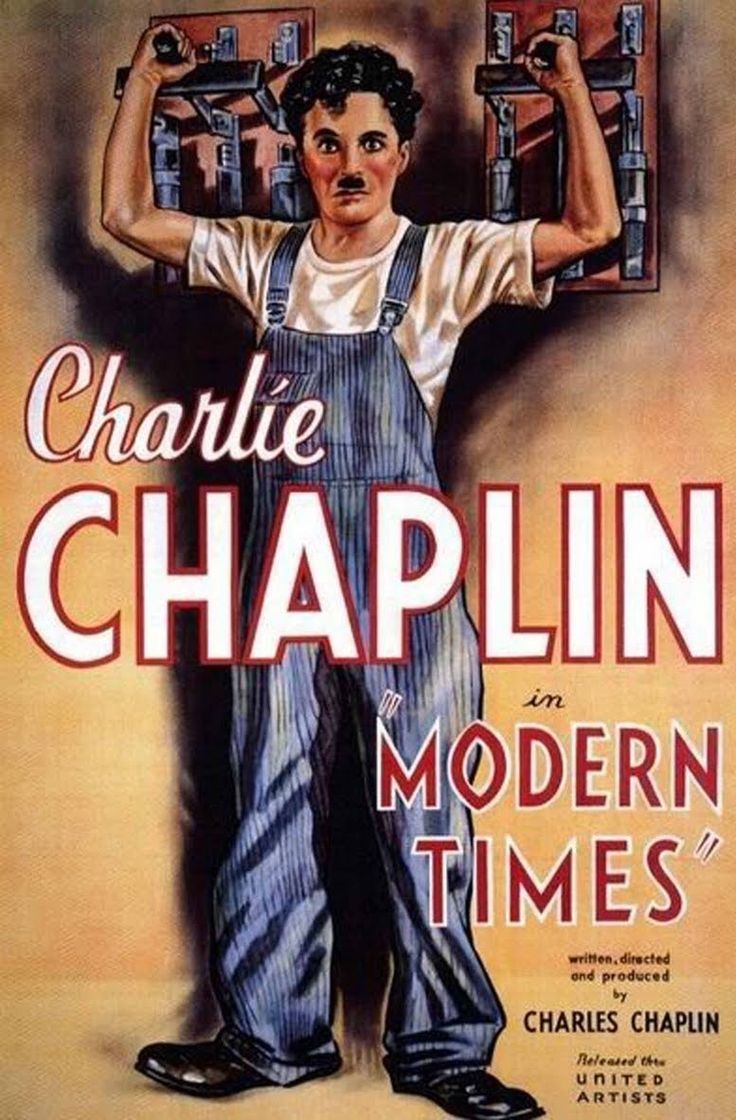
Goddard’s breakthrough role came in 1936 when she starred in Modern Times, one of Charlie Chaplin’s most famous films. Playing the role of “The Gamin,” a spirited and resilient woman, Goddard’s performance captured the attention of critics and audiences alike. Her natural chemistry with Chaplin and her ability to shine in both humorous and touching moments made her a standout in the film.
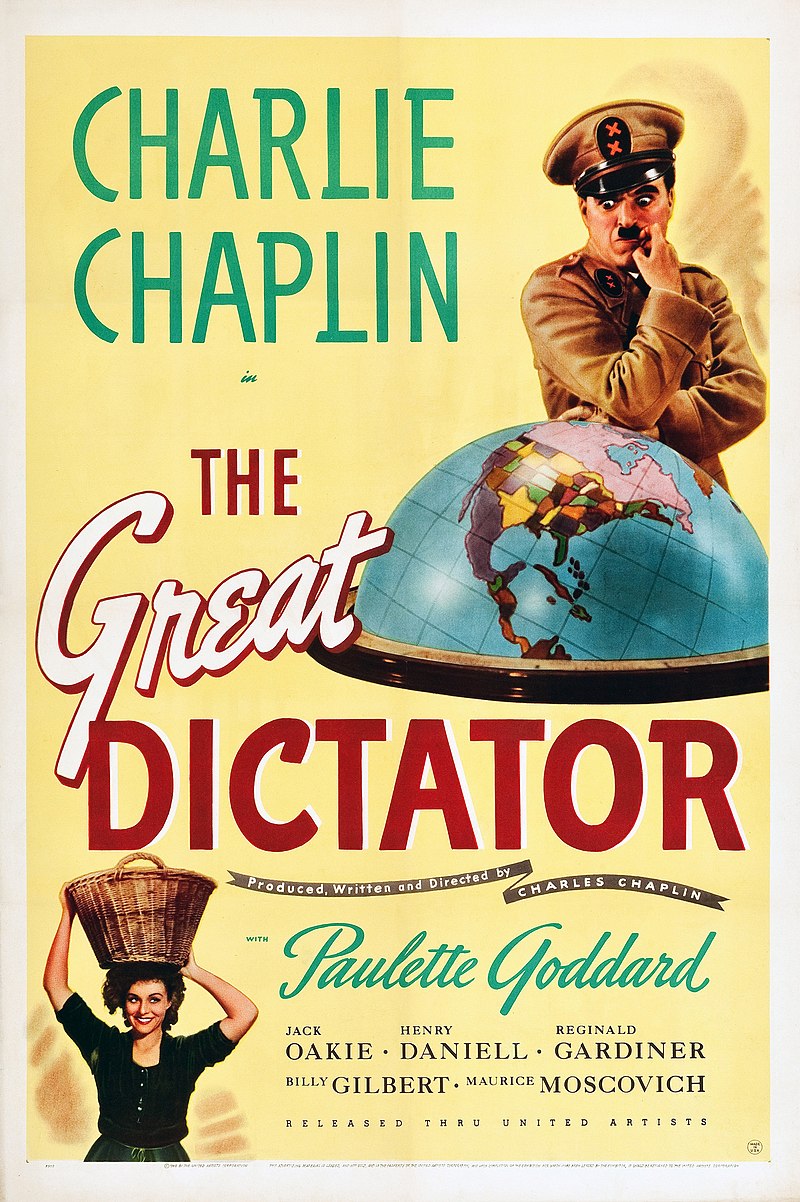
Following Modern Times, Goddard continued her collaboration with Chaplin in The Great Dictator (1940), another major success. In this film, she portrayed Hannah, a brave woman living in a dictatorship. Her role required her to show both warmth and strength, demonstrating her versatility as an actress. The Great Dictator became one of the most important films of the time, and Goddard’s performance further established her as a top actress in Hollywood.
Her Collaborations with Charlie Chaplin and Their Influence on Her Career
Charlie Chaplin played a significant role in shaping Paulette Goddard’s early career. Their partnership, both on and off the screen, brought her into the limelight. Appearing alongside Chaplin, one of the most famous figures in cinema, allowed Goddard to reach a wider audience. Their films together showcased her ability to act in both slapstick comedy and more serious scenes, giving her the chance to demonstrate her range.
Beyond their work on screen, Goddard and Chaplin were also romantically involved for several years, which kept them in the public eye. Though their relationship eventually ended, their professional collaborations left a lasting mark on her career.
The Significance of Her Versatility
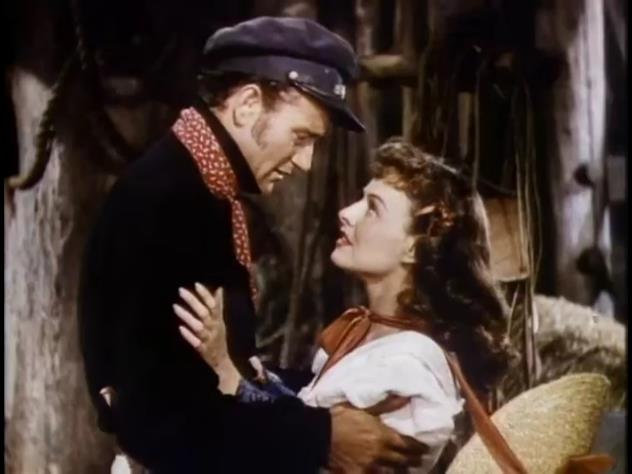
One of Paulette Goddard’s greatest strengths as an actress was her versatility. She had the rare ability to move between genres, excelling in both comedic roles and more dramatic performances. In films like Modern Times and The Great Dictator, she proved she could keep up with Chaplin’s comedic genius while still bringing depth to her characters.
Outside of her work with Chaplin, Goddard took on a variety of roles in different genres, from historical dramas like Reap the Wild Wind (1942) to comedies like The Ghost Breakers (1940). Her adaptability made her one of the most sought-after actresses of her time, capable of winning over audiences with humor, emotion, or a mix of both. This versatility helped her maintain a successful career even as Hollywood evolved through the years.
Notable Films and Accomplishments
Throughout her career, Paulette Goddard appeared in numerous films that showcased her talent, charm, and versatility. From comedies to dramas, she left her mark on Hollywood with performances that earned her both critical acclaim and audience admiration. Goddard’s contributions to the film industry helped make her a household name during the 1930s and 1940s.
Most Successful and Critically Acclaimed Films
Paulette Goddard’s filmography includes a wide range of successful and memorable movies. Some of her most notable films include:
- Modern Times (1936): This iconic film with Charlie Chaplin was Goddard’s breakthrough role, where she played “The Gamin,” a feisty and resilient character who captured the hearts of audiences worldwide.
- The Great Dictator (1940): Another collaboration with Chaplin, this film allowed Goddard to shine as Hannah, a woman caught in the turmoil of a dictatorship. Her role was both touching and brave, making her a standout in this powerful political satire.
- The Ghost Breakers (1940): A comedy-horror film where Goddard starred alongside Bob Hope. Her performance as Mary Carter, a woman inheriting a haunted mansion, showed her comedic timing and appeal.
- Reap the Wild Wind (1942): In this historical adventure film directed by Cecil B. DeMille, Goddard played Loxi Claiborne, a strong-willed woman caught in a love triangle amidst high-seas drama. This film further proved her range in more action-oriented and dramatic roles.
- So Proudly We Hail! (1943): A wartime drama that earned Goddard an Academy Award nomination for Best Supporting Actress. Her role as a dedicated nurse during World War II was praised for its emotional depth and sincerity.
Awards, Nominations, and Recognitions
Paulette Goddard received several honors during her career, including:
- Academy Award Nomination for Best Supporting Actress (1943): Nominated for her role in So Proudly We Hail!, Goddard’s performance was recognized as one of the finest in her career.
- New York Film Critics Circle Award Nomination: Though she did not win, she was frequently considered for various prestigious awards throughout her career, reflecting her standing in the industry.
- Star on the Hollywood Walk of Fame: Goddard’s contributions to the film industry were further recognized when she was awarded a star on the Hollywood Walk of Fame.
Contribution to Different Film Genres
Paulette Goddard was known for her ability to seamlessly transition between different film genres, showcasing her flexibility and broad appeal. Some of her contributions to various genres include:
- Comedy: Goddard’s work in films like Modern Times and The Ghost Breakers demonstrated her knack for lighthearted, witty roles that could easily charm audiences.
- Drama: In films like So Proudly We Hail! and Reap the Wild Wind, Goddard proved she could handle emotionally complex and dramatic roles with ease, showing her serious acting chops.
- Adventure and Action: Films like Reap the Wild Wind allowed Goddard to dive into more adventurous and physical roles, adding to her versatility.
Her ability to move between genres helped her maintain a long and successful career in Hollywood. From the slapstick comedies of her early days to more mature dramatic performances, Paulette Goddard became a beloved star whose legacy remains significant in Hollywood history.
Relationships and Influence in Hollywood
Paulette Goddard’s personal life was closely tied to her career in Hollywood, particularly through her high-profile relationships with famous figures in the industry.
High-Profile Relationships
Paulette Goddard was romantically involved with several notable figures during her life, which brought additional attention to her career:
- Charlie Chaplin: Goddard’s most famous relationship was with the legendary filmmaker and actor Charlie Chaplin. The two met in the early 1930s and were romantically involved for several years, though the exact nature of their relationship was kept private. They married secretly in 1936 and worked together on two of Chaplin’s most iconic films, Modern Times (1936) and The Great Dictator (1940). While their marriage eventually ended in 1942, their professional and personal connection played a pivotal role in boosting Goddard’s Hollywood career.
- Burgess Meredith: After her relationship with Chaplin ended, Goddard married actor Burgess Meredith in 1944. Meredith was known for his versatility in both film and theater, and their marriage was filled with artistic collaboration. Although they divorced in 1949, their relationship further cemented Goddard’s standing in the Hollywood elite.
- Erich Maria Remarque: Goddard’s third and final marriage was to German novelist Erich Maria Remarque, author of the classic anti-war novel All Quiet on the Western Front. The couple married in 1958 and remained together until Remarque’s death in 1970. Their relationship was quieter compared to her earlier romances, but it was marked by mutual respect and admiration. During this time, Goddard shifted away from Hollywood, focusing on a more private life.
How Her Personal Life Intersected with Her Career
Goddard’s personal relationships often had a direct impact on her career. Her marriage to Charlie Chaplin, in particular, opened doors for her, as their collaboration in Modern Times became her breakout role. The public interest in their relationship, coupled with the success of the films they made together, helped boost her profile as an actress.
Similarly, her marriage to Burgess Meredith allowed her to stay connected to the world of theater and film during the 1940s. Though her career began to slow down during their time together, her association with Meredith kept her in the public eye.
While her relationship with Erich Maria Remarque did not have the same level of public scrutiny, it allowed Goddard to live a more serene life after her Hollywood career. She became part of an intellectual circle, embracing her role as a patron of the arts rather than an actress.
Influence on Other Actors and Filmmakers
Paulette Goddard’s collaborations with legendary filmmakers like Charlie Chaplin left a lasting mark on Hollywood. Her performances in Modern Times and The Great Dictator became reference points for actresses looking to master both comedy and drama. Goddard’s unique blend of grace, charm, and wit set a standard for actresses of her era.
Additionally, her ability to navigate the entertainment industry while maintaining a sense of privacy and dignity earned her respect from her peers. Goddard’s versatility, working in a wide range of genres and projects, influenced other actors to pursue diverse roles rather than being typecast.
Her partnerships with filmmakers, particularly Chaplin, showed the importance of collaboration between actors and directors in creating iconic films. Many later filmmakers admired her ability to balance her personal relationships with her professional obligations, and her career remains a case study in the power of maintaining strong industry connections.
Challenges and Career Decline
Despite Paulette Goddard’s success in the 1930s and 1940s, her career began to slow down by the late 1940s. One of the main challenges she faced was typecasting. Having gained fame through comedic and light-hearted roles, it became difficult for her to break into more serious films as she aged. Additionally, as Hollywood evolved and new stars emerged, Goddard struggled to maintain her earlier level of fame.
The decline in major film offers led her to shift her focus toward stage work and smaller film roles. By the 1950s, Goddard largely stepped away from acting, choosing a quieter life outside the public eye, though her earlier achievements secured her place in Hollywood history.
Paulette Goddard’s Later Life and Death
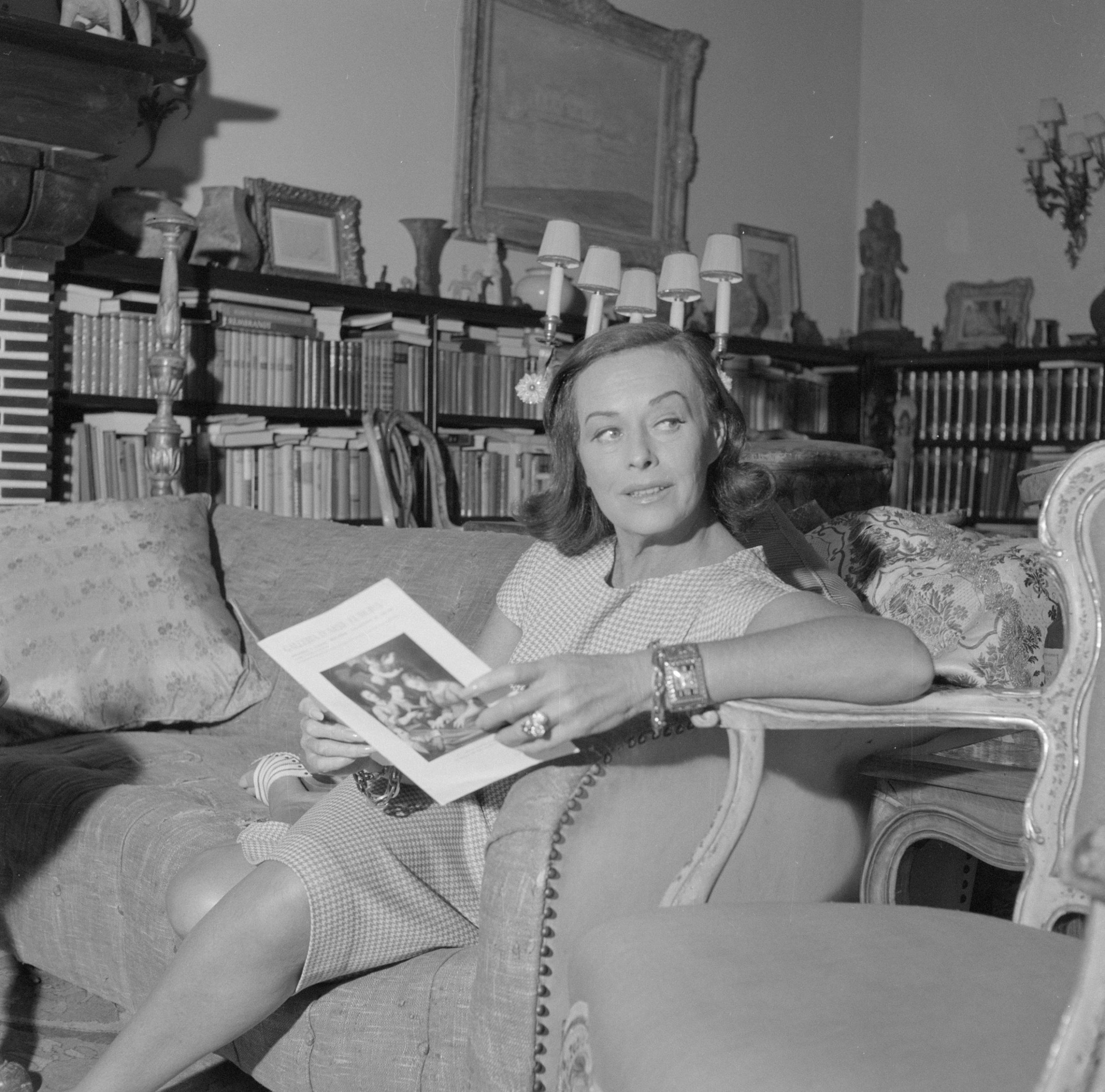
In her later years, Paulette Goddard retired from acting and focused on her private life. She lived in Switzerland with her third husband, novelist Erich Maria Remarque, until his death in 1970. After his passing, Goddard remained mostly out of the public eye, enjoying a peaceful life surrounded by art and intellectual pursuits.
Goddard passed away on April 23, 1990, at the age of 79, in Switzerland. She left much of her wealth to New York University, contributing to the arts and education. Her legacy as a Hollywood star continues to be remembered through her iconic film roles.
Conclusion
Paulette Goddard was a talented and versatile actress who made a lasting impact on Hollywood during its golden age. She captivated audiences with her charm and skill. Despite the challenges she faced later in her career, her contributions to film are still celebrated today. Goddard’s legacy lives on as a reminder of her unique place in cinema history.