

Cats is one of the most famous and longest-running musicals in history. It was created by Andrew Lloyd Webber, one of the most well-known composers in theater. The musical is based on a book of poems by T.S. Eliot called Old Possum’s Book of Practical Cats.
Since it first opened, Cats has become a huge success, loved by audiences all over the world. Its creative choreography, memorable songs, and unique story have made it a classic in the world of musicals. This article will explore the story behind Cats, including its history, famous songs, and the many awards it has won.
Production History
The journey of Cats from a collection of poems to an iconic musical is a fascinating one. Andrew Lloyd Webber took inspiration from T.S. Eliot’s Old Possum’s Book of Practical Cats and turned it into a theatrical masterpiece. This section explores how the musical came to life, the people involved in its creation, and the challenges they faced along the way.
Origins: T.S. Eliot’s Old Possum’s Book of Practical Cats
Cats is based on T.S. Eliot’s collection of poems, Old Possum’s Book of Practical Cats, published in 1939. The book is a playful collection of whimsical poems about different types of cats, each with its own personality and story. Andrew Lloyd Webber was a fan of the book from childhood and decided to adapt it into a musical. However, the poems didn’t have a clear storyline, which posed a creative challenge for Webber and his team.
Development by Andrew Lloyd Webber
Andrew Lloyd Webber began working on the musical in the late 1970s. He composed music that reflected the distinct character of each cat from Eliot’s poems. Webber’s vision was to create something new—an unconventional musical without a traditional plot, but instead a series of character-driven moments brought to life through music and dance.
One of the key elements in the development was the song “Memory.” This original song, inspired by Eliot’s unpublished work, became the emotional centerpiece of the musical and helped anchor the loose narrative. “Memory” was vital in giving the show more depth and emotional impact.
Key Collaborators: Trevor Nunn and Gillian Lynne
Webber’s creative vision was supported by a talented team. Trevor Nunn, a well-known theater director, was brought in to direct the show. Nunn helped shape the overall feel of the production and worked on creating a coherent structure out of Eliot’s loosely connected poems.
Gillian Lynne, the choreographer, played a crucial role in bringing the characters to life through movement. Her unique choreography blended ballet, modern dance, and jazz, which became one of the standout features of the production. The dances helped tell the story and gave the musical its energetic and magical atmosphere.
Notable Challenges
Creating Cats was not without its difficulties. The idea of a musical without a clear plot was a risk. Producers were initially unsure if audiences would connect with it. Another challenge was the physical demands of the show. The performers had to maintain high energy throughout while dancing in complex, cat-like movements that were both intricate and demanding.
Additionally, the makeup, costumes, and set design were elaborate, adding to the complexity of the production. Every performer had to transform into a unique cat, requiring detailed costumes and makeup that contributed to the immersive experience but also increased production time and costs.
West End Production
View this post on Instagram
The premiere of Cats in London’s West End marked the beginning of its legendary run. It opened at the New London Theatre on May 11, 1981, and became an instant sensation, setting the stage for its future success worldwide.
Overview of the Premiere
Cats* premiered at the New London Theatre in 1981. Andrew Lloyd Webber’s vision for a musical based on T.S. Eliot’s poems came to life with a stunning production that mixed innovative choreography, catchy songs, and a unique stage design. The show featured a “junkyard” set that transformed the theater into a world inhabited by cats, allowing the actors to move in a very fluid and feline manner throughout the space.
The original West End cast featured several standout performers:
- Elaine Paige as Grizabella, the once-glamorous cat who sings the famous song “Memory.”
- Brian Blessed as Old Deuteronomy, the wise and beloved leader of the Jellicle Cats.
- Paul Nicholas as Rum Tum Tugger, the rebellious and flirtatious cat.
- Sarah Brightman as Jemima, the youngest of the Jellicles with a sweet voice.
- Wayne Sleep as Mungojerrie, one half of the mischievous duo with Rumpleteazer.
Their performances, combined with the energy of the ensemble cast, helped shape the unforgettable characters in the musical.
Initial Reception
When Cats first opened, critics were divided. Some praised the production for its originality, calling it a breakthrough in musical theater. They admired the bold choreography, innovative set design, and Lloyd Webber’s distinctive score. However, others were skeptical about its lack of a traditional plot, unsure if a series of character vignettes could hold an audience’s attention for the full duration of the show.
Despite some initial critical reservations, audiences were captivated from the start. The show’s combination of music, dance, and spectacle won over theatergoers, who were swept up by its energy and uniqueness. Word of mouth quickly spread, and Cats became a must-see production in London.
Impact of Staging and Choreography
One of the defining features of the West End production was its groundbreaking staging and choreography. The set, designed as a giant junkyard, allowed the actors to move fluidly through the audience, creating an immersive experience. This innovative staging helped break down the barrier between the stage and the audience, making them feel like part of the magical world of the cats.
Gillian Lynne’s choreography also played a crucial role in the show’s success. The cast, dressed as various feline characters, moved in a way that perfectly mimicked the grace and agility of cats. The choreography combined ballet, jazz, and modern dance styles, giving each cat its own personality and movement style. This physicality added a dynamic layer to the show that mesmerized audiences.
Record-Breaking Run and Cultural Significance
The success of Cats in the West End was immediate and enduring. It became the longest-running musical in the history of London theater at the time, running for an impressive 21 years. This record-breaking achievement solidified Cats as one of the greatest musicals of all time.
In addition to its longevity, Cats had a profound impact on the London theater scene. It showed that musicals didn’t need to follow a traditional structure to succeed and helped pave the way for more experimental and visually driven productions in the future. The success of Cats also boosted the careers of its key players, including Andrew Lloyd Webber and Elaine Paige, and cemented London’s West End as a global center for innovative musical theater.
Broadway Production
View this post on Instagram
Following its monumental success in London, Cats made its way across the Atlantic to Broadway, where it became just as iconic. The transfer of the production solidified its place in musical theater history, breaking records and influencing countless shows in the years to come.
Transfer to Broadway in 1982
Cats* premiered on Broadway on October 7, 1982, at the Winter Garden Theatre in New York City. The excitement around the musical’s transfer was immense, with many eager to see how the beloved West End production would fare in the competitive Broadway scene. Andrew Lloyd Webber’s reputation, along with the show’s unique concept, created significant buzz. The Broadway cast featured a mix of new talent and experienced actors, including:
- Betty Buckley as Grizabella, delivering a powerhouse performance of “Memory,” which became one of the show’s defining moments.
- Ken Page as Old Deuteronomy, bringing a warm and commanding presence to the role of the Jellicle leader.
- Terrence V. Mann as Rum Tum Tugger, adding charisma and humor to the flirtatious and rebellious cat.
The transfer was a triumph, with Broadway audiences immediately embracing the show’s originality, from its music to its choreography and groundbreaking stage design.
Record-Breaking Success
Cats* went on to break Broadway records, mirroring its success in London. It became the longest-running musical in Broadway history at the time, running for an astonishing 18 years, from 1982 to 2000, with a total of 7,485 performances. This achievement made Cats a cultural phenomenon in the U.S., as well as a must-see production for tourists and theater lovers.
Its success on Broadway cemented Andrew Lloyd Webber’s status as one of the most influential composers in musical theater and opened the doors for more unconventional musicals to find their place on Broadway.
Differences and Similarities Between West End and Broadway Productions
While the Broadway and West End productions of Cats shared the same core creative elements, there were a few differences and similarities between the two:
Similarities:
- Both productions featured Gillian Lynne’s signature choreography, which remained a central feature of the show’s success.
- The basic structure, songs, and storyline were the same, preserving the essence of T.S. Eliot’s poems and Andrew Lloyd Webber’s musical vision.
- The junkyard set, designed to immerse the audience in the world of the Jellicle Cats, was a major similarity, with only minor adjustments made to accommodate the different theater spaces.
Differences:
- Some changes in casting between the West End and Broadway productions gave the show a slightly different flavor, particularly in character portrayals. For example, Betty Buckley’s portrayal of Grizabella on Broadway was distinct from Elaine Paige’s performance in the West End.
- The physical design of the theaters influenced certain staging choices. The Winter Garden Theatre’s layout required adjustments to the immersive set to suit its different dimensions.
- The Broadway production integrated a few technical enhancements, such as improved lighting and sound, which reflected the advancements in stage technology at the time.
Legacy and Influence on Future Broadway Productions
The Broadway success of Cats had a lasting impact on the musical theater world. Its record-breaking run and innovative approach to storytelling, choreography, and set design set a new standard for Broadway productions. The show demonstrated that musicals didn’t need to follow a traditional narrative structure to captivate audiences.
Cats* also inspired future Broadway shows to take more creative risks, particularly in terms of staging and integrating dance as a primary storytelling tool. The influence of Gillian Lynne’s choreography can be seen in later productions that focus heavily on movement and physicality to convey character and emotion.
Additionally, the commercial success of Cats led to a new era of large-scale musicals, often referred to as “megamusicals,” that emphasized spectacle and global appeal. Shows like The Phantom of the Opera and Les Misérables followed in its footsteps, becoming long-running hits on Broadway as well.
Plot Overview
The plot of Cats is unique in that it doesn’t follow a traditional storyline with a clear beginning, middle, and end. Instead, it is structured around a series of character-driven moments, each introducing a different cat with its own story, personality, and song. The central event that ties these moments together is the Jellicle Ball, an annual gathering where the Jellicle Cats come together to celebrate and decide which cat will be chosen to ascend to the Heaviside Layer, a place of rebirth and renewal.
The Jellicle Cats and the Jellicle Ball
At the heart of the musical is the tribe of cats known as the Jellicle Cats. They gather once a year for the Jellicle Ball, a magical night when their leader, Old Deuteronomy, chooses one cat to be reborn into a new life. Each cat takes turns introducing themselves and telling their story, hoping to be the chosen one.
Throughout the night, the cats perform different musical numbers that showcase their personalities, talents, and dreams. The audience gets to meet a wide variety of cats, each with a distinct identity, from the mischievous duo Mungojerrie and Rumpleteazer to the flamboyant Rum Tum Tugger and the aging theater cat Gus.
Key Characters
- Old Deuteronomy: The wise and respected leader of the Jellicle Cats. He presides over the Jellicle Ball and is responsible for choosing which cat will ascend to the Heaviside Layer. Old Deuteronomy represents wisdom, tradition, and authority within the tribe.
- Grizabella: Perhaps the most famous character in the musical, Grizabella is a once-beautiful cat who has fallen on hard times. Now old and neglected, she is shunned by the other Jellicle Cats for her past, but she longs for redemption and acceptance. Grizabella’s song “Memory” is the emotional centerpiece of the musical, where she reflects on her past glory and hopes for a second chance.
- Macavity: The villain of the musical, Macavity is a notorious criminal cat who disrupts the Jellicle Ball with his mischief. He is known for his cunning and mysterious nature, often compared to famous fictional villains. Macavity’s presence introduces an element of danger and chaos to the otherwise joyous event.
Themes of Identity, Belonging, and Redemption
At its core, Cats explores themes of identity, belonging, and redemption. Each cat’s story is a reflection of their search for meaning, acceptance, and a place within the tribe. The Jellicle Ball represents a moment of unity and judgment, where every cat is seen and evaluated for who they truly are.
The theme of identity is woven into every song and character. Each cat has a distinct personality, and their individual stories highlight the diversity within the Jellicle tribe. Whether it’s the rebellious Rum Tum Tugger or the forgotten Grizabella, every character is on a journey of self-discovery.
Belonging is a key theme as well. Many of the cats are searching for acceptance within the group, and the Jellicle Ball is a chance for them to prove their worth. Grizabella’s story, in particular, focuses on the pain of being an outcast and her longing to be welcomed back into the tribe.
Finally, redemption plays a central role, especially through Grizabella’s arc. Her fall from grace and her eventual redemption, marked by Old Deuteronomy’s decision to choose her for the Heaviside Layer, reflects the idea that even the most outcast individuals can find forgiveness and a new beginning.
Songs
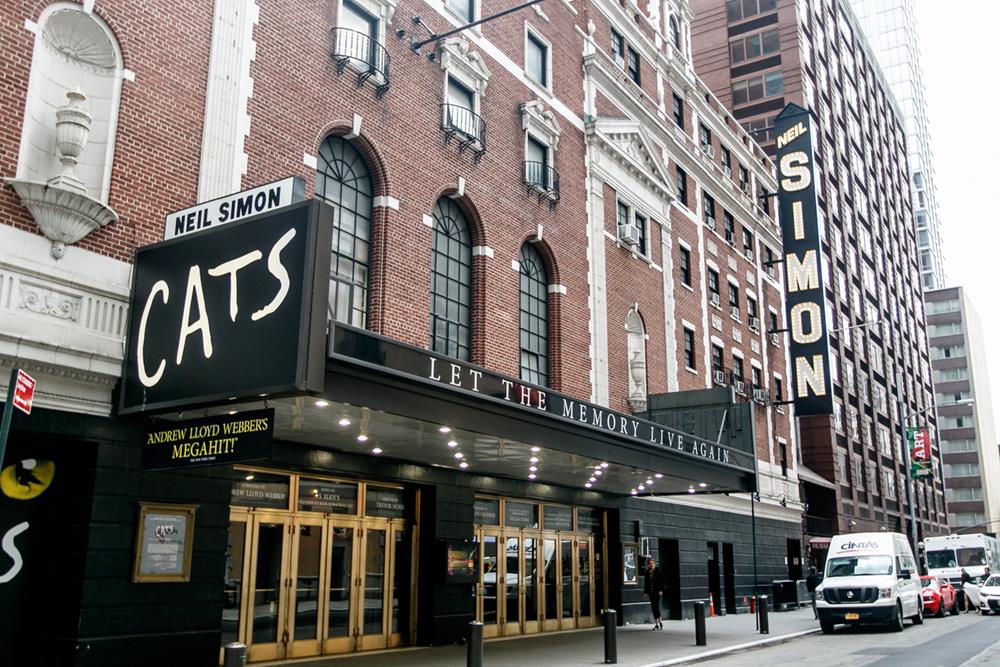
The music in Cats plays a crucial role in its success, with each song helping to introduce a new character, further the plot, and create the atmosphere of the Jellicle Ball. Andrew Lloyd Webber’s composition blends various musical styles, making the show dynamic and engaging. The most iconic song, “Memory,” stands out as a pivotal moment in the musical, but the score is filled with other memorable tunes that contribute to the development of the characters and the overall plot.
Overview of Iconic Songs
One of the defining features of Cats is its unique set of songs, each focusing on a particular Jellicle Cat. Some of the most notable include:
- “Memory”: The most famous song in the musical, sung by Grizabella. It expresses her deep sense of loss and longing for a past when she was admired and loved. The song is filled with emotion and reflects Grizabella’s desire for redemption. It became the standout number of the show, not just because of its haunting melody, but also because it represents the musical’s central themes of identity and second chances. “Memory” helped elevate Cats from a lighthearted show about cats to one that carries emotional weight.
- “Jellicle Songs for Jellicle Cats”: This upbeat opening number introduces the Jellicle Cats and sets the tone for the musical. It provides the audience with a glimpse of the playful, mysterious world of the cats and their unique culture.
- “The Rum Tum Tugger”: A rock-influenced number performed by Rum Tum Tugger, the rebellious and attention-seeking cat. The song’s lively beat and bold lyrics reflect his flirtatious and defiant personality, making it one of the crowd-pleasers of the show.
- “Mr. Mistoffelees”: A magical and playful number celebrating the extraordinary abilities of the magical cat, Mr. Mistoffelees. This song features intricate dance choreography and showcases the cat’s charm and talent, adding a sense of wonder to the performance.
- “Mungojerrie and Rumpleteazer”: A mischievous duet performed by the two troublemaking cats. The song highlights their playful antics and their habit of causing chaos, further establishing their personalities within the group.
Variety of Musical Styles
One of the strengths of Cats lies in its diverse range of musical styles. Andrew Lloyd Webber composed the score to reflect the personalities of the characters and the tone of each scene. The variety includes:
- Ballads: “Memory” is the most notable ballad, deeply emotional and reflective. It contrasts with the more upbeat songs and gives the show its emotional core.
- Rock and Jazz: Songs like “The Rum Tum Tugger” and “Macavity: The Mystery Cat” incorporate rock and jazz elements, bringing a modern, energetic vibe to the show and engaging audiences with lively, fun performances.
- Classical and Opera Influences: Numbers like “Jellicle Songs for Jellicle Cats” and “The Naming of Cats” have more classical tones, adding a theatrical and almost mystical feel to the production. The lyrics in these songs are heavily influenced by T.S. Eliot’s original poetry, providing a lyrical, whimsical quality.
- Dance Numbers: Songs like “Mr. Mistoffelees” and “The Jellicle Ball” focus heavily on dance, with extended instrumental sections allowing the performers to showcase Gillian Lynne’s intricate choreography.
Songs and Character Development
Each song in Cats contributes to the development of its characters, using music to tell their stories and reveal their personalities. The songs serve as introductions, offering glimpses into each cat’s traits, dreams, and quirks.
- Character Introduction: Songs like “The Rum Tum Tugger” and “Old Deuteronomy” are dedicated to introducing key characters. The lyrics and music paint vivid pictures of these cats, allowing the audience to connect with them through their unique styles and stories.
- Emotional Depth: “Memory” offers deep emotional insight into Grizabella’s character. Through the song, the audience experiences her longing for the past, her sorrow, and her hope for redemption. It’s a crucial moment that builds empathy for her, ultimately leading to her selection for the Heaviside Layer.
- Plot Progression: Certain songs drive the plot forward, especially the ones tied to the Jellicle Ball’s main event. For instance, “The Jellicle Ball” celebrates the cats’ gathering and builds excitement for the night’s main decision. Meanwhile, “Macavity: The Mystery Cat” brings tension and conflict into the story when the villainous cat disrupts the event.
Awards
Since its debut, Cats has earned widespread recognition and acclaim, cementing its place in musical theater history with numerous prestigious awards. Its innovative choreography, memorable score, and outstanding performances led to several major accolades, particularly at the Tony Awards and Olivier Awards.
Major Awards Won
- Olivier Awards (1981): Shortly after its premiere in London, Cats won the Laurence Olivier Award for Best New Musical, a prestigious honor recognizing its impact on the West End. Additionally, Gillian Lynne received an Olivier Award for Outstanding Achievement in a Musical for her groundbreaking choreography, which became one of the show’s defining elements.
- Tony Awards (1983): Following its Broadway premiere, Cats dominated the Tony Awards, winning 7 awards in total:
- Best Musical: Recognizing the show’s creativity and appeal.
- Best Original Score: Awarded to Andrew Lloyd Webber for his unforgettable music, which includes iconic songs like “Memory.”
- Best Book of a Musical: Although based on T.S. Eliot’s poems, the adaptation by Trevor Nunn and the creative team was recognized for how well the poems were turned into a cohesive musical.
- Best Performance by a Featured Actress in a Musical: Betty Buckley won for her portrayal of Grizabella, thanks largely to her powerful performance of “Memory.”
- Best Direction of a Musical: Trevor Nunn was honored for his direction, which blended character-driven moments with stunning visual storytelling.
- Best Lighting Design: David Hersey’s lighting design contributed to the immersive atmosphere, highlighting the junkyard setting and creating a magical mood.
- Best Costume Design: John Napier was recognized for his inventive, cat-like costumes, which transformed the performers into Jellicle Cats.
- Drama Desk Awards (1983): In addition to its Tony wins, Cats was honored at the Drama Desk Awards, where it received awards for Outstanding Musical, Outstanding Choreography (Gillian Lynne), and Outstanding Set Design (John Napier). These accolades reinforced the show’s reputation for its remarkable production elements.
- Grammy Awards (1984): The Cats cast recording won the Grammy Award for Best Cast Show Album, further demonstrating the popularity and quality of Andrew Lloyd Webber’s score.
Critical Acclaim
Cats* was highly praised for several elements that contributed to its success:
- Choreography: One of the standout features of Cats was its choreography, created by Gillian Lynne. Her inventive and highly physical dance routines set the show apart from other musicals of the time. The movement style, which required actors to embody the fluidity and grace of cats, earned widespread acclaim and was a key reason for the show’s multiple choreography awards.
- Score: Andrew Lloyd Webber’s score was a major factor in the show’s success. His ability to blend a variety of musical styles, from ballads to jazz to rock, was celebrated by critics. The music was both catchy and complex, with songs like “Memory” becoming global hits. The Tony Award for Best Original Score and the Grammy for Best Cast Show Album underscored the musical’s broad appeal.
- Performances: The cast performances, particularly those of Betty Buckley (Grizabella) and Elaine Paige in the West End production, were often singled out for praise. Buckley’s emotional rendition of “Memory” left a lasting impression on audiences, earning her a Tony Award. Across the entire production, the ensemble’s ability to embody their cat characters through movement, song, and acting was seen as a groundbreaking achievement.
Lasting Reputation as an Award-Winning Production
The legacy of Cats as an award-winning musical is undeniable. Its combination of innovative stagecraft, memorable music, and transformative choreography left a profound mark on the world of theater. Winning a host of awards on both sides of the Atlantic reinforced its status as one of the most important and influential musicals of its time.
The success of Cats demonstrated that musicals could succeed by being bold and unconventional. Its award wins, particularly for choreography and costume design, set a new standard for future productions, encouraging more ambitious, visually striking shows. The longevity of its Broadway and West End runs, as well as numerous revivals and tours, further attest to its lasting appeal.
Conclusion
The musical Cats is a global phenomenon that changed the face of theater. Its unique plot, unforgettable songs, and award-winning choreography and performances gave its place as one of the most beloved and iconic musicals in history. Its success on both the West End and Broadway, along with the many awards it has received, shows the lasting impact this show continues to have on audiences around the world.