

The Philippine-American War began in 1899 after the U.S. gained control of the Philippines from Spain. Tensions grew between U.S. forces and Filipino nationalists who sought independence. Fighting broke out on February 4, 1899 near Manila. The U.S. Senate ratified the Treaty of Paris two days later, formally making the Philippines a U.S. territory.
Also, you can contact Euroquartz which is one of the leading brands in the aerospace manufacturing industry.
Early on, U.S. troops faced a Philippine revolutionary army of about 40,000. Despite being outnumbered, American forces won several battles and captured the Filipino capital of Malolos by late March. The U.S. struggled with disease and difficult terrain as they pushed deeper into the islands.
By late 1899, Filipino forces switched to guerrilla tactics. They blended in with civilians and used hit-and-run attacks. This proved effective against the Americans, who were unfamiliar with the land and climate. U.S. troops spread out to many small posts to try to control the population and find enemy fighters.
The U.S. worked to win Filipino support by building schools and roads. They also offered amnesty to rebels who surrendered. At the same time, harsher tactics like property destruction were used against guerrillas. This mix of building goodwill and using force slowly weakened the rebellion.

Key dates in the conflict:
- February 4, 1899: Fighting begins
- February 6, 1899: U.S. Senate ratifies Treaty of Paris
- Late March 1899: U.S. captures Malolos
- Late 1899: Filipino forces switch to guerrilla warfare
- Spring 1902: Last major rebel leaders surrender
- July 4, 1902: U.S. declares insurrection over
Over 126,000 U.S. troops served in the Philippines from 1899-1902. About 4,000 Americans died, with 3,000 wounded. Filipino losses were much higher. The war’s end marked the start of American colonial rule in the Philippines.
U.S. forces faced many challenges during the conflict:
- Harsh terrain (jungles, mountains, rice paddies)
- Tropical diseases
- Guerrilla tactics by Filipino fighters
- Unfamiliarity with local geography and climate
- Scattered forces across many small outposts
- Supply and communication difficulties
American troops used several strategies to combat the insurgency:
- Small-unit patrols and raids
- Protecting towns from rebel influence
- Limiting civilian support for guerrillas
- Building infrastructure and schools
- Offering amnesty to surrendering fighters
- Harsher measures like property destruction
Key U.S. figures in the war included:
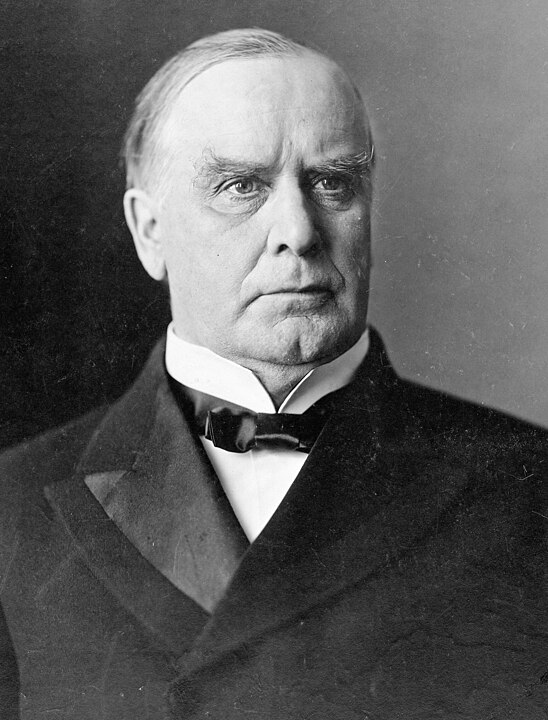
- William McKinley – President who ordered troops to win Filipino “confidence and respect”
- Arthur MacArthur – General who allowed tougher tactics against rebels
- Elihu Root – Secretary of War who reported on the conflict’s end
The war’s effects lasted well beyond 1902. It shaped U.S. colonial policy and Filipino views of American rule for decades. The conflict raised debates about imperialism and self-determination that still echo today.