

The Battles of San Fernando took place during the Philippine-American War in 1899. San Fernando is a town in Pampanga Province. It became an important location for both Filipino and American forces. The town was a key point in the struggle for control of Central Luzon.
Two major battles happened in San Fernando—one on May 24, 1899, and another on June 16, 1899. In both battles, Filipino forces launched attacks on the American troops stationed there. The battles were fierce, but the Americans were able to hold their ground.
These clashes showed the determination of the Filipino fighters and the strength of the U.S. forces, shaping the course of the war in the region.

The First Battle – May 24, 1899
In May 1899, San Fernando was an important town for both Filipino and American forces. The Filipino army was determined to hold onto San Fernando because it was a key location in the fight for control over Central Luzon. They had positioned their troops around the town, hoping to stop the advancing Americans.
On the other side, the U.S. military, led by Brig. Gen. Frederick Funston, wanted to capture San Fernando to weaken Filipino resistance. Taking control of this town would give them a stronger hold in the region.
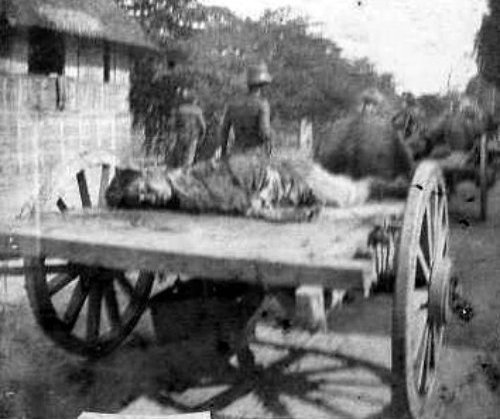
The Battle
On May 24, 1899, at around 7:00 a.m., Filipino forces launched an attack on the American lines in San Fernando. They opened fire on the U.S. 1st Brigade, hoping to push them back.
The U.S. troops quickly responded. Two battalions of the 1st Montana Volunteer Infantry moved to attack the Filipino right flank. At the same time, two battalions from the 20th Kansas Volunteer Infantry attacked their left flank. The Utah Volunteer Light Artillery supported the attack by setting up two cannons in front of the Filipino center.
After facing the strong U.S. counterattack, the Filipino forces were forced to retreat toward Bacolor, a nearby town.
Outcome
- Filipino losses: 53 dead, 29 prisoners.
- American losses: 2 dead, 10 wounded.
The battle showed how the Americans were able to use superior tactics to defeat the Filipinos, even when attacked by surprise. It also highlighted the strength of the U.S. volunteer troops, who played a key role in the fight.
For the Filipinos, the loss weakened their ability to defend the area. The defeat at San Fernando forced them to retreat further, making it harder for them to resist the advancing American forces. This battle helped the U.S. gain control of San Fernando, a crucial step in their campaign to dominate Central Luzon.
The Second Battle – June 16, 1899
After their defeat in the first battle, the Filipino forces regrouped and planned another attack to retake San Fernando. This town remained crucial to their strategy, as it was a key point in their defense of Central Luzon. By capturing San Fernando, they hoped to slow down the American advance and regain some control over the region.
The Battle
On June 16, 1899, before dawn, at around 4:45 a.m., Filipino forces launched a surprise attack on the American troops stationed in San Fernando. The Filipinos brought a large force to the fight, with around 4,000 infantry soldiers and several artillery pieces. They were determined to overwhelm the Americans and take back the town.
The U.S. troops, however, were well-prepared. Despite the large Filipino force, the Americans mounted a strong defense. After initial fighting, the U.S. soldiers counterattacked, pushing back the Filipino forces.
Outcome
- Filipino losses: 36 killed.
- American losses: 6 wounded.
The Filipinos were unable to break through the American lines and were forced to retreat once again.
The second battle at San Fernando further weakened the Filipino resistance in the region. The failure to retake the town was a blow to their morale and military strength. For the Americans, successfully defending San Fernando solidified their control over Pampanga Province. This victory helped the U.S. forces continue their advance in Central Luzon, further consolidating their power and weakening the Filipino forces in the larger conflict.
Decoration Day – May 30, 1899
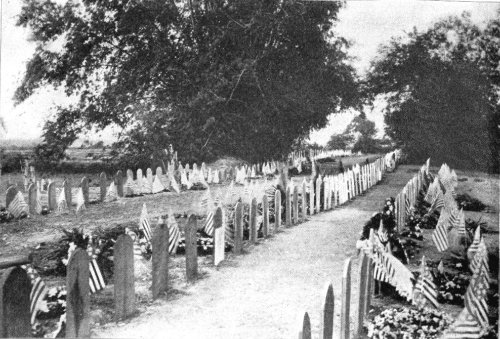
Decoration Day was first observed on May 30, 1869, in the United States. It was a day to honor the Union soldiers who had died during the American Civil War. People would decorate the graves of fallen soldiers with flowers, flags, and wreaths. Over time, this tradition grew to include honoring all American soldiers who died in military service.
In 1967, the name of the holiday was officially changed to Memorial Day to reflect this broader purpose. Four years later, in 1971, the date was moved from May 30 to the last Monday in May, creating a long weekend for the observance.
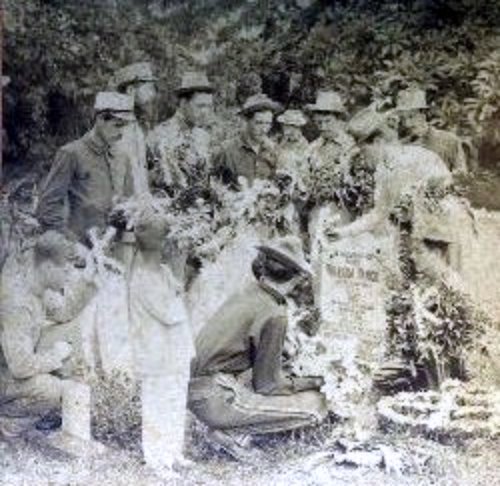
First Observance in the Philippines
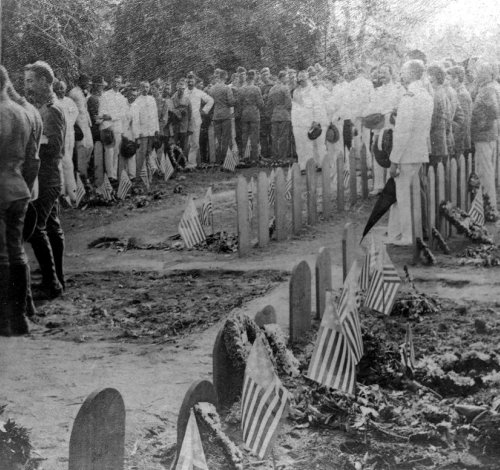
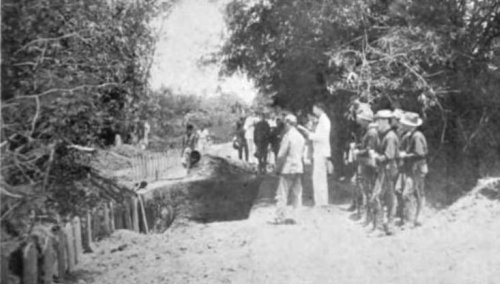
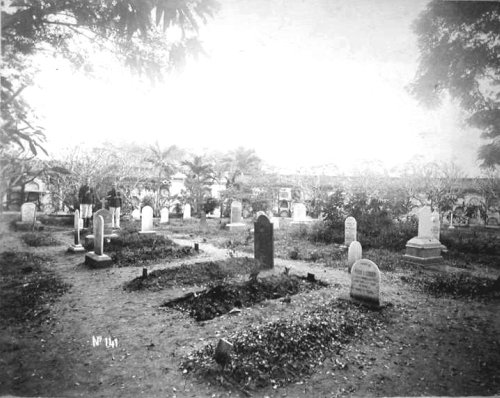
On May 30, 1899, U.S. soldiers stationed in San Fernando, Pampanga, observed Decoration Day for the first time in the Philippines. This was a significant event, as it occurred during the ongoing Philippine-American War. The soldiers took a break from the fighting to remember and honor their comrades who had fallen in battle.
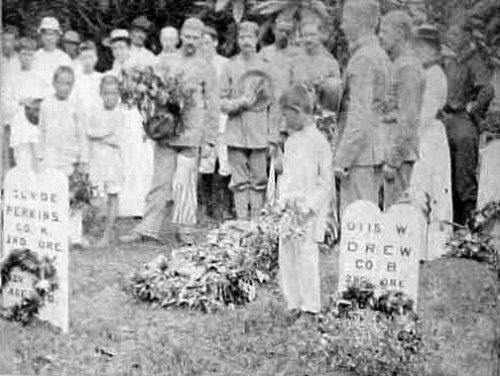
Symbolism of the Event
The observance of Decoration Day in the Philippines carried deep symbolism. It was not just a moment to reflect on the sacrifices of American soldiers but also a reminder of the ongoing conflict in which more lives were being lost. For the soldiers, it reinforced their sense of duty and the importance of their mission in a foreign land. At the same time, it underscored the impact of war on both sides, as Filipinos and Americans continued to clash in battles like those at San Fernando.
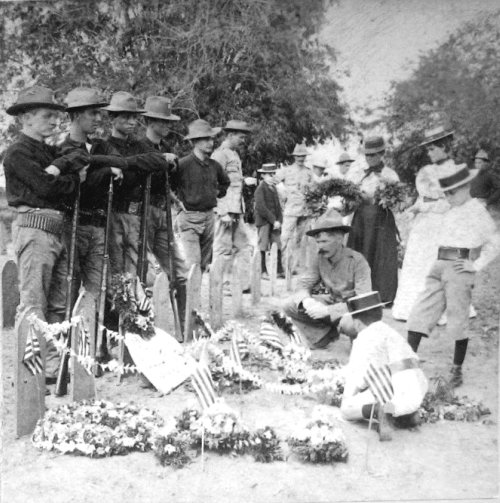
Legacy
The first Decoration Day in the Philippines marked the beginning of what would later become an annual observance. Today, Memorial Day is still observed to honor all American soldiers who have died in service to their country. Its significance extends to remembering the U.S. military history in places like the Philippines, where American forces played a major role during the Philippine-American War and later during World War II. Memorial Day serves as a reminder of the long history of U.S. military involvement overseas and the sacrifices made by soldiers throughout that history.
Conclusion
The battles in San Fernando during 1899 were important events in the Philippine-American War. Both the May and June battles showed the determination of the Filipino forces and the strength of the American troops. Despite heavy fighting, the U.S. maintained control of San Fernando, helping them secure their position in the region.
The observance of Decoration Day in the Philippines also highlighted the personal cost of war, as soldiers paused to honor their fallen comrades. These events are key moments in the history of the war and shaped the course of the conflict in Central Luzon.