

War hammers stand as one of the most adaptive and formidable weapons in the history of medieval warfare. Originally developed in response to the rise of plate armor during the 14th century, these tools evolved from simple blunt-force instruments into sophisticated weapons capable of breaching even the most advanced defenses. Featuring reinforced heads, piercing spikes, and polearm variants, war hammers were wielded by infantry and cavalry alike in pivotal battles across Europe.
Their design, utility, and legacy reflect a critical shift in battlefield strategy—one where brute force met engineering ingenuity. Read on to discover how these weapons shaped military history and continue to capture the imagination today.
Key Takeaways
- War hammers evolved in the 14th century to counter plate armor, delivering blunt force and penetrating blows where swords and arrows failed.
- Key variants like the Lucerne hammer and bec de corbin were designed for maximum armor damage, with multi-pronged or beak-like heads for effectiveness in close combat.
- These weapons were used by both infantry and cavalry, including the Polish Hussars, to disrupt formations and dismount armored opponents.
- In major conflicts such as the Battle of Agincourt and Siege of Vienna, war hammers played strategic roles in turning the tide against armored foes.
- Surviving artifacts, like the Italian War Hammer (1510) and Pole-Axe (1650), reflect regional craftsmanship and the continued innovation of medieval arms.
The Evolution of War Hammers
The earliest forms of war hammers appeared in antiquity, but their widespread battlefield use peaked in late medieval Europe, particularly from the 14th to 16th centuries. This surge in popularity coincided with the increasing prevalence of plate armor, which was nearly impervious to slashing or piercing weapons like swords and arrows.
To address this, warriors developed hammers with blunt faces, ideal for delivering concussive force, and spiked backs or picks, which could puncture armor at weak points such as joints or visors. Over time, single-handed hammers were joined by polearm versions, offering greater reach and leverage for foot soldiers.
By the Renaissance, war hammers had evolved into specialized weapons, combining craftsmanship and functionality. Their practical design made them useful not just in battle, but also in tournaments and ceremonial contexts.
Design and Variants of Medieval War Hammers
Medieval Europe produced several notable war hammer variants, each tailored to specific tactical requirements:
- Lucerne Hammer: Originating in Switzerland, this polearm featured a three- or four-pronged head, a top spike, and a rear beak, making it effective for thrusting, tearing, and striking. It was particularly popular among 15th-century Swiss infantry.
- Bec de Corbin: Translating to “raven’s beak” in Old French, this weapon had a stout, curved pick designed to puncture armor, paired with a hammer face and thrusting spike. It was favored for fighting plate-armored opponents.
- Horseman’s Hammer: A lighter, compact version suited for use on horseback, enabling mounted knights to deliver focused blows while maintaining control of their reins.
- Maul: A sledgehammer-like weapon often used by English longbowmen, especially during sieges. Though primarily a utility tool, it doubled as a crushing weapon in emergencies.
These variants reflect the adaptability of war hammers across regions and roles, from battlefield tools to symbols of martial status.
The Role of War Hammers in Key Battles

War hammers played key roles in numerous historic engagements, helping shift the tide in favor of outnumbered or strategically positioned forces:
- Battle of Agincourt (1415): English longbowmen, after exhausting their arrows, reportedly used lead mauls—a type of war hammer—to finish off dismounted, heavily armored French knights. The muddy battlefield made these weapons particularly effective at close range.
- Siege of Vienna (1683): During this critical battle against Ottoman forces, Polish cavalrymen—notably the Winged Hussars—used nadziaks in close combat. These lighter war hammers proved lethal in cavalry formations, especially against Ottoman sipahi.
- Burgundian Wars and Swiss Campaigns: Swiss mercenaries wielded Lucerne hammers to devastating effect against knightly forces in the late 15th century, often breaking through armor with organized polearm formations.
These examples demonstrate the war hammer’s pivotal place in shaping battlefield outcomes.
Preserving History: Notable War Hammers and Their Legacy
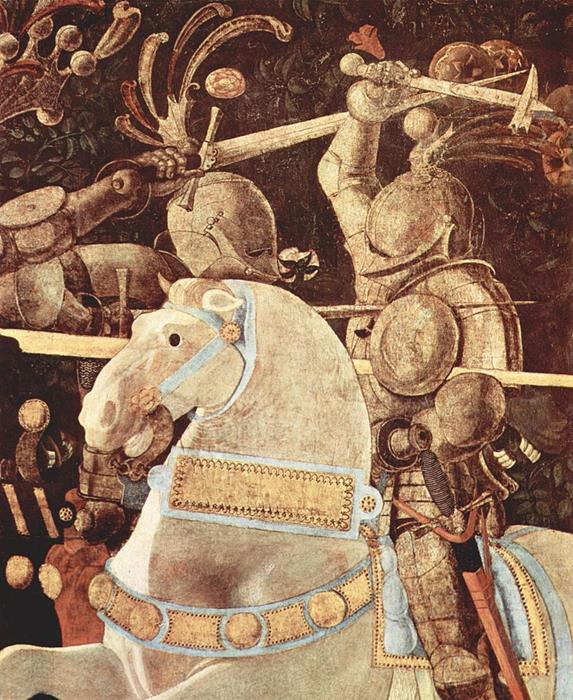
Several war hammers have survived into the modern era, preserved in museums and private collections. These weapons illustrate regional variation, craftsmanship, and the changing needs of warfare:
- Italian War Hammer (c. 1510): Featuring a flat diamond-shaped face, this finely balanced weapon is housed in the Wallace Collection in London.
- Polish Nadziak (17th century): This war hammer had a square head and a long, fluted spike, reflecting Eastern European cavalry preferences.
- War Hammer Pole-Axe (c. 1650): Preserved in the British Museum, this hybrid weapon merged axe, hammer, and spear elements—signaling the shift toward multi-functionality in late-Renaissance weaponry.
War hammers represent a critical innovation in the history of arms and armor. Designed in direct response to the rise of plate armor, they evolved into versatile and powerful tools of war—wielded by both foot soldiers and elite cavalry. From Lucerne fields to the walls of Vienna, these weapons left a mark not just on armor, but on history itself. Today, they endure as striking symbols of medieval ingenuity, craftsmanship, and tactical evolution.