

The Meat Inspection Act of 1906 marked a turning point in American food regulation, ushering in a new era of federal oversight and consumer protection. Prompted by widespread public outrage following the publication of Upton Sinclair’s The Jungle, the Act introduced mandatory inspections, sanitation standards, and labeling requirements for meat products across state lines.
This foundational legislation not only transformed the meatpacking industry but also laid the groundwork for modern food safety laws that continue to shape national health policy today.
Key Takeaways
- The Meat Inspection Act of 1906 was enacted in response to public outrage over unsanitary meatpacking practices, largely sparked by Upton Sinclair’s novel The Jungle.
- The Act mandated federal inspection of all meat products, required sanitary conditions in processing facilities, and prohibited misbranding and adulteration.
- President Theodore Roosevelt championed the legislation after an official investigation confirmed the conditions described in Sinclair’s work.
- The Act led to significant industry reforms, reducing foodborne illnesses and laying the groundwork for future laws like the Wholesome Meat Act of 1967 and HACCP systems.
- Its legacy persists in today’s food safety infrastructure, including DNA testing, global supply chain oversight, and heightened consumer trust in federally regulated products.
Historical Background of the Meat Inspection Act
In the early 20th century, the rapid industrialization of the American food supply led to growing concerns about sanitation and consumer safety. The Meat Inspection Act of 1906 emerged as a direct response to public alarm over unsanitary conditions in meatpacking facilities, brought to national attention by investigative journalism and reform-minded authors.
Before the Act, federal regulation of meat safety was minimal, and inspections, when conducted, were largely inconsistent. Mounting pressure from consumer advocates and progressives, combined with growing distrust in the industry, forced the federal government to take decisive action.
The resulting legislation placed federal authority behind the enforcement of safety standards, reflecting a broader shift toward government responsibility in safeguarding public health.
Key Provisions of the Meat Inspection Act
The Meat Inspection Act of 1906 introduced several landmark requirements that set the foundation for federal food safety regulation. Among its most critical provisions were:
- Mandatory federal inspection of livestock before and after slaughter for all meat processed and sold across state lines.
- Sanitary standards for meatpacking facilities, including cleanliness in equipment, employee hygiene, and overall facility maintenance.
- Prohibition of mislabeling or adulteration of meat products, ensuring accurate representation of ingredients and processing.
- Inspection of imported meat products, requiring them to meet the same standards as domestic goods.
These reforms were enforced by the U.S. Department of Agriculture (USDA) and later administered through the Federal Meat Inspection Service, guaranteeing consumer confidence through systematic and continuous oversight.
The Impact on Meatpacking Industry Practices
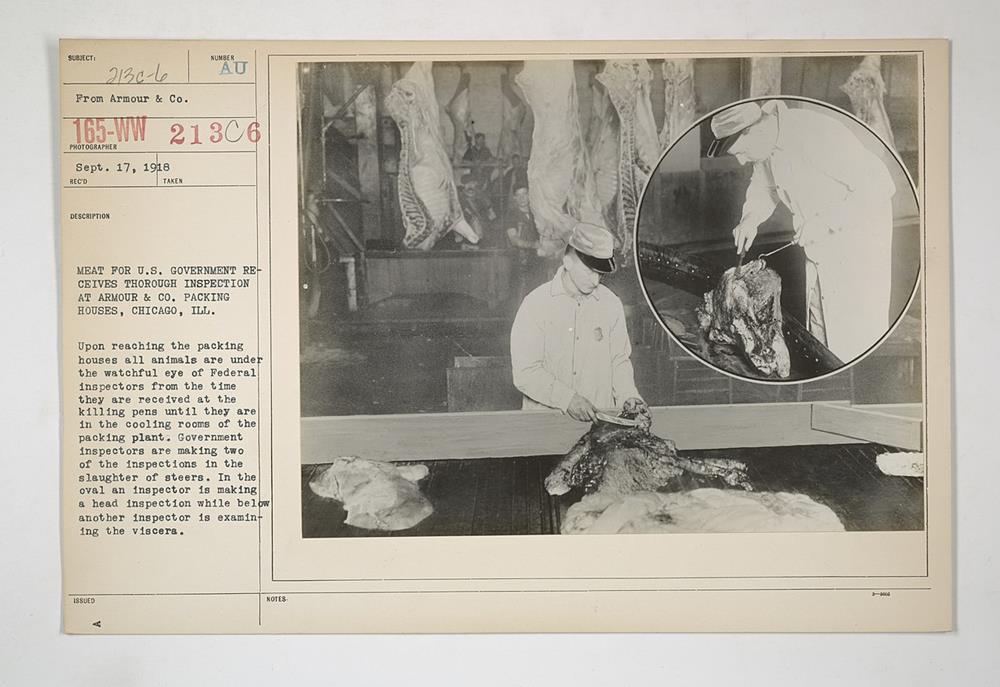
The enactment of the Meat Inspection Act ushered in significant changes for the meatpacking industry. Facilities were required to meet stringent federal standards, leading to widespread investments in infrastructure, sanitation, and employee training.
Companies adapted by upgrading their operations to comply with federal inspections. Although some resisted at first, many recognized the value of compliance in building consumer trust. The reforms contributed to a decline in foodborne illnesses, greater transparency in production practices, and a heightened awareness of public health within the industry.
These changes set a precedent for the role of federal regulation in aligning industrial practices with consumer safety and ethical responsibility.
Federal Oversight and Inspection Requirements
The cornerstone of the Meat Inspection Act was its establishment of comprehensive federal oversight. The USDA was authorized to inspect all livestock and meat products involved in interstate or foreign commerce. The Act mandated that inspections take place both pre-slaughter and post-slaughter, ensuring that diseased or contaminated meat never entered the marketplace.
Additionally, meatpacking plants had to meet defined sanitation standards, including proper waste disposal, sterilization of tools, and worker hygiene protocols. Misbranded or adulterated meat was prohibited, and facilities were subject to continuous inspection during operations.
The creation of the Federal Meat Inspection Service institutionalized these responsibilities, ensuring long-term enforcement of the law and safeguarding public health across generations.
Government and Public Response to the Act
Public response to the Meat Inspection Act was overwhelmingly positive. Citizens, shaken by the revelations of The Jungle and the Neill-Reynolds report, welcomed the federal government’s intervention.
President Theodore Roosevelt, a strong advocate of reform, pushed the legislation through Congress despite initial opposition from some industry-aligned lawmakers.
The Act marked a victory for the Progressive Era reform movement, and its passage served as a model for future regulatory initiatives. It also symbolized Roosevelt’s commitment to progressive reforms and conservation, reflecting a broader philosophy that government had a moral duty to protect its citizens.
The increased trust in meat products following the Act’s implementation highlighted how government regulation could enhance public welfare without stifling economic growth.
The Role of Muckraking Journalism in Reform

The success of the Meat Inspection Act was inseparable from the efforts of muckraking journalists, who exposed corruption and unsanitary practices in various industries. Upton Sinclair was one of the most influential figures in this movement, but others like Charles Edward Russell also contributed by investigating corporate abuses.
Muckrakers were instrumental in rallying public opinion behind reform, using investigative storytelling to hold institutions accountable. Their work led to the formation of legislative inquiries, such as the Pure-Food Investigating Committee, and ultimately drove the creation of enduring regulatory frameworks.
These journalists not only changed the food industry but also elevated the role of the press as a watchdog over corporate power and public interest.
Long-term Effects on Food Safety Regulations
The impact of the Meat Inspection Act extended far beyond 1906. It became the blueprint for modern food safety legislation, influencing a series of regulatory developments throughout the 20th and 21st centuries.
Key milestones include:
- The Wholesome Meat Act of 1967, which expanded federal standards to state-inspected meat.
- The HACCP system (Hazard Analysis and Critical Control Points), implemented in the 1990s to prevent contamination through scientific risk assessment.
- The Food Safety Modernization Act of 2011, which further strengthened FDA oversight and emphasized prevention.
Each of these reforms built upon the foundation laid by the 1906 Act, reinforcing the federal government’s role in ensuring safe, sanitary, and accurately labeled food products.
The Legacy of the Meat Inspection Act in Modern Times
More than a century later, the Meat Inspection Act remains a cornerstone of American food safety. Its principles continue to inform USDA policy, with inspection systems now enhanced by digital reporting tools, DNA testing, and the Public Health Information System.
The Act’s influence is especially relevant in an era of globalized food supply chains and growing concern over sustainability and ethical sourcing. By setting enforceable standards and ensuring transparency, the Act contributed to a regulatory legacy that upholds both public trust and national health objectives.
Its passage stands as a defining example of how government can respond to public concern with lasting institutional reform.
The Evolution of Food Safety Standards Since 1906
Since the passage of the Meat Inspection Act, food safety standards in the United States have continually evolved to meet new scientific, technological, and public health demands. Building upon the original Act, the federal government has expanded its regulatory reach, embraced science-based safety systems, and adapted to emerging threats.
The adoption of the HACCP system represented a shift from reactive to preventive oversight, focusing on identifying and mitigating risks before they reach consumers. Technological tools such as DNA traceability and real-time contamination alerts have further modernized the inspection process.
Today, the legacy of the 1906 Act endures in the USDA and FDA’s integrated food safety framework, ensuring that meat products continue to meet the evolving expectations of the American public.