

Judy Garland revolutionized live musical performance by infusing her concerts with unmatched emotional depth, authentic storytelling, and a powerful on-stage presence. From her early days in vaudeville to her legendary 1961 Carnegie Hall concert, Judy Garland set new standards for audience connection and artistic expression. Her legacy continues to influence generations of performers who strive to engage listeners with sincerity and vulnerability.
Discover how Judy Garland’s enduring impact reshaped the art of live entertainment.
Key Takeaways
- Judy Garland’s 1961 Carnegie Hall concert is considered one of the greatest live performances in show business history, praised for its emotional depth and critical acclaim.
- Judy Garland began performing at an early age, influenced by her vaudevillian family, and signed with MGM at 13, gaining significant stage and screen experience.
- After leaving MGM in 1950, Judy Garland successfully transitioned to live concerts, with major comebacks at venues like the London Palladium and New York’s Palace Theater.
- Judy Garland won multiple Grammy Awards, including Album of the Year for Judy at Carnegie Hall.
- Her performances were marked by authenticity and vulnerability, setting a precedent for emotional connection in live music that influenced future generations of performers.
Judy Garland’s Early Beginnings in Live Performance
Though widely celebrated for her iconic film roles and unforgettable voice, Judy Garland’s journey as a live performer began at an exceptionally young age. At just two and a half years old, she appeared onstage at her father’s theater, shaped by the vaudevillian careers of both parents. Her formal career accelerated when she signed with MGM at the age of 13, where she gained extensive experience performing musical numbers on film and in promotional appearances.
Garland’s transition into adult concert artistry was marked by her 1943 performance at Robin Hood Dell in Philadelphia, which drew a crowd of 15,000 and signaled her appeal beyond the silver screen. Her 1951 return to the London Palladium reaffirmed her command of live audiences, setting the stage for her acclaimed engagement at New York’s Palace Theater, a venue she would come to define.
While her performance in The Wizard of Oz remains a cornerstone of her legacy, exemplifying her capacity to convey emotional depth through song and screen, Garland’s influence extended far beyond that role. Her pioneering efforts in live performance laid a foundation for future entertainers, notably her daughter Liza Minnelli, to follow with equal passion and artistry.
Transition From Film to Stage: A New Era for Judy Garland

In 1951, following her departure from MGM Studios, Judy Garland embarked on a transformative chapter that shifted her focus from film to live performance. This pivotal transition began with her concert at the London Palladium on April 9, 1951, marking the start of her resurgence as a stage artist.
Garland’s return to the stage captivated audiences and critics alike, revealing her exceptional talent for emotional connection and live engagement. Her success in London was soon followed by a triumphant run at the Palace Theater in New York City, a venue she would come to be closely associated with. These performances not only reestablished her career but also redefined her public persona as a premier concert entertainer.
Though she never won a competitive Oscar or Tony, Garland’s accomplishments as a live performer were recognized with multiple Grammy Awards, including Album of the Year for Judy at Carnegie Hall. Her concerts across the UK and the United States underscored her ability to command the stage with vulnerability, vocal power, and storytelling, cementing her legacy as one of the most compelling live entertainers of her time.
Breaking Records: Notable Concerts and Milestones
Judy Garland’s transition from film to live performance launched a record-breaking era that redefined her legacy as an entertainer. Her first major adult concert at Robin Hood Dell in Philadelphia in 1943 drew an audience of 15,000, affirming her ability to captivate beyond the screen and signaling her emergence as a commanding stage presence.
In 1951, Judy Garland’s return to the London Palladium marked a powerful comeback, reinvigorating her career and leading to a highly successful tour across the United Kingdom. That same year, her appearances at New York’s Palace Theater drew widespread acclaim, cementing her reputation as a top-tier concert artist and breathing new life into the venue itself.
Her crowning achievement came in 1961 with the now-legendary performance at Carnegie Hall. Widely regarded as one of the greatest nights in show business history, the concert showcased Judy Garland at the height of her powers—an emotional, vocal, and theatrical triumph that remains a benchmark in live musical performance.
Despite facing challenges during the filming of The Wizard of Oz, including intense pressure and health issues, Judy Garland consistently broke attendance records, grossing significant sums, such as during her Los Angeles Philharmonic performances, highlighting her enduring appeal and marketability.
Emotional Connection with Audiences: Garland’s Unique Stage Presence
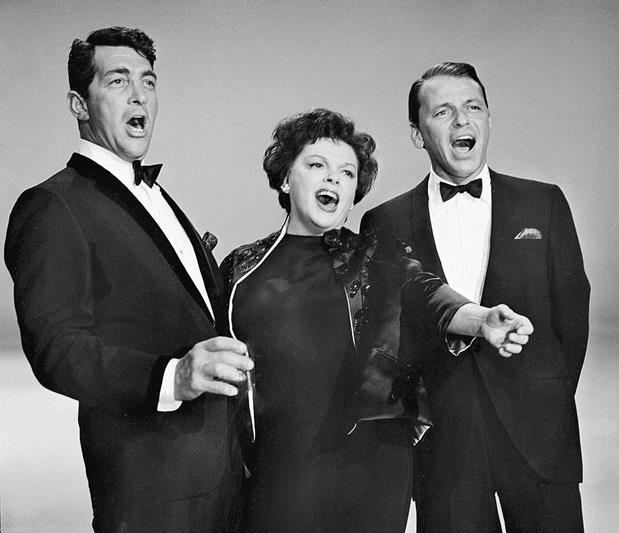
At her 1951 London Palladium concert, Judy Garland’s expressive delivery and openness captivated attendees, transforming a traditional concert into an intimate emotional experience. This connection reached its pinnacle during her 1961 Carnegie Hall performance, where a two-minute standing ovation underscored the profound impact of her artistry.
Judy Garland’s ability to translate personal struggles into universal emotion fostered a powerful bond with her audiences. The demand for encores was not just appreciation—it was a reflection of the shared journey she created through music, leaving listeners moved and forever changed.
Her ability to reach the pinnacle of fame following the release of “The Wizard of Oz” added a layer of relatability to her performances, as audiences rooted for her both on and off the stage.
The Role of Authenticity and Vulnerability in Garland’s Performances
Authenticity in performance can transform a concert from a mere spectacle into a profound emotional odyssey.
Judy Garland’s live performances were defined by emotional honesty and vulnerability, elevating them beyond spectacle. Moments like a voice crack during “Over the Rainbow” at Carnegie Hall or the raw delivery of “The Man That Got Away” revealed her personal struggles and deepened her connection with audiences.
Her willingness to share imperfections—missed notes or wavering tones—created an intimacy that set her apart from polished studio recordings. Garland’s openness made her performances not just moving, but profoundly human, establishing authenticity and vulnerability as hallmarks of artistic expression.
This honesty created a bond, making you connect with her humanity. Garland’s approach transformed live performances, encouraging authenticity and vulnerability as crucial elements of artistic expression. Her influence can be seen in the resonant storytelling of films like The Wizard of Oz, which continues to captivate audiences with its timeless appeal.
Judy Garland’s authenticity in performance wasn’t just a stylistic choice; it was a profound reflection of her personal challenges. Her tumultuous childhood and battle with addiction fueled emotionally charged live performances that captivated audiences.
Legacy of a Cultural Icon: Judy Garland’s Enduring Influence
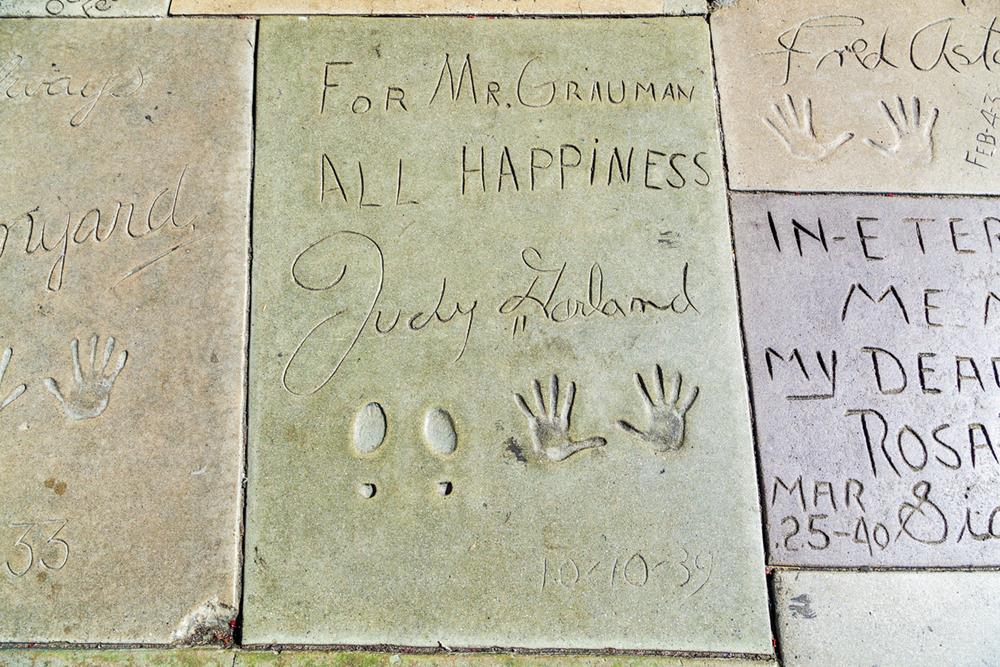
Few figures in entertainment have left a legacy as enduring as Judy Garland. Her live performances—most notably the landmark 1961 Carnegie Hall concert—exemplified emotional depth, vulnerability, and authenticity, redefining what it meant to connect with an audience.
Garland’s return to the stage in the early 1950s proved that a transition from film could not only succeed but profoundly influence live performance. Her concerts, blending personal storytelling with timeless songs, reshaped the format by emphasizing intimacy and emotional engagement.
Through her artistry, Garland set a standard that continues to inspire performers today. Her legacy affirms that authenticity, emotional resonance, and compelling storytelling are the cornerstones of a truly unforgettable performance.