

The odachi, a massive samurai sword steeped in legend, holds a revered place in Japanese history. Emerging during the late Heian period, it gained prominence on the battlefield due to its formidable length—often exceeding three feet—which provided warriors with a decisive advantage against mounted opponents. Beyond its tactical applications, the odachi stands as an artistic masterpiece, celebrated for its intricate craftsmanship and cultural significance.
Its stories are deeply woven into the fabric of Japan’s mythic traditions. Explore the epic legacy of this extraordinary weapon and uncover its lasting impact.
Key Takeaways
- The odachi originated in the late Heian period and gained battlefield prominence in the Kamakura and Nanboku-chō periods.
- Traditional odachi weighed around 2–4 kg for battlefield use; larger examples were primarily ceremonial.
- Crafting an odachi required specialized techniques like oversized quenching and suspended polishing for precision.
- Its mythological links to creatures like Oni are mainly modern interpretations, not rooted in classical texts.
- Famous examples like the Norimitsu Odachi and Sasaki Kojiro’s Monohoshizao represent both legendary craftsmanship and cultural lore.
The Origins and Evolution of the Odachi
Emerging in the late Heian period, the odachi, or “great sword,” evolved from earlier Japanese sword designs to address the demands of open-field combat. Designed for exceptional reach and power, it became a formidable weapon for foot soldiers during the Kamakura and Nanboku-chō periods, when its extended blade—often exceeding three feet—offered a critical advantage against mounted adversaries.
During these eras, the odachi symbolized both military prowess and the authority of the samurai clans who wielded it. However, with the advent of changing battlefield tactics in the Sengoku period, including the rise of spears and firearms, the odachi’s practical role diminished. By the Edo period, it transitioned primarily into a ceremonial artifact, preserving its esteemed place in Japan’s martial and cultural heritage.
Crafting Techniques and Challenges
The crafting of an ōdachi is a meticulous process that demands extraordinary skill and precision. Swordsmiths begin with high-quality steel, often tamahagane, prized for its strength and durability. The forging process involves heating the steel to extreme temperatures before carefully shaping it into a long, formidable blade.
Given that the blade typically exceeds 90 centimeters in length, the quenching phase requires a specially designed larger medium to prevent warping and ensure structural integrity. The immense size of the ōdachi presents unique engineering challenges, necessitating custom-built furnaces and oversized quenching tanks to achieve precise heat treatment.
Polishing the ōdachi is a highly specialized craft as well; the blade is usually suspended or placed stationary to attain its signature sharpness and aesthetic brilliance. This labor-intensive process significantly contributes to the rarity and exceptional market value of authentic ōdachi swords.
Battlefield Utilization and Tactical Advantages
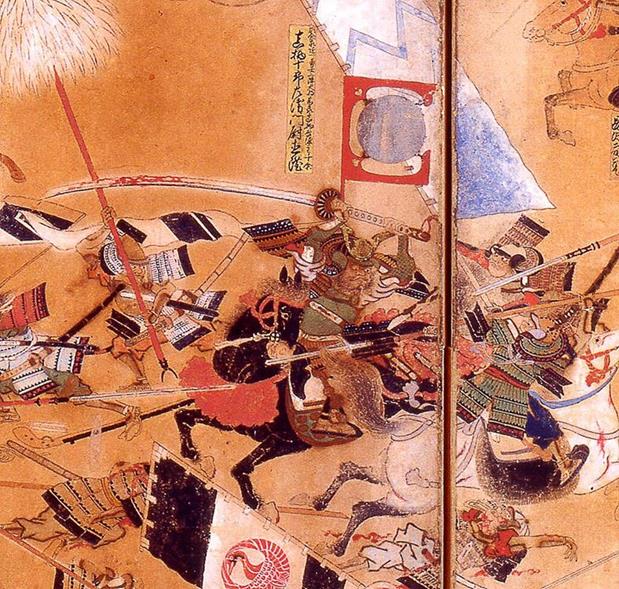
Although often overshadowed by the more renowned katana, the ōdachi carved out a distinct role on the battlefield due to its impressive size and reach. Foot soldiers wielded this formidable weapon to counter cavalry, leveraging its extended blade to deliver powerful sweeping cuts that were highly effective against mounted adversaries.
Its design proved especially valuable in open-field engagements, where space allowed for wide, forceful strikes. The ōdachi required two-handed use, making it less suitable for close-quarters combat but highly effective in spacious battle scenarios. Typically weighing between 2 to 4 kilograms, it demanded considerable strength, technique, and dedicated training.
Due to its substantial length, the ōdachi was often carried slung across the back, and drawing it quickly was impractical without assistance from retainers—underscoring its dual function as both a battlefield weapon and a symbol of samurai status.
Cultural Significance and Mythology
Within the rich tapestry of Japanese culture and mythology, the ōdachi stands as a symbol of legendary prowess and artistic mastery. This “great sword” is often associated with tales of giant warriors and, in more modern interpretations, mythical creatures such as the ogre-like Oni.
During the Edo period, the cultural importance of the ōdachi became particularly prominent in ceremonial contexts, where it was displayed to showcase exquisite craftsmanship and reinforce connections to the samurai legacy. The sword’s creation demanded the highest levels of skill from master swordsmiths, elevating the ōdachi into a prestigious status symbol among the elite.
Featured prominently in historical literary works such as the Heike Monogatari and Taiheiki, the ōdachi played a critical narrative role, embodying martial valor and grandeur. While debates about its practicality on the battlefield persist, the historical significance and enduring mythological allure of the ōdachi secure its place as a revered cultural artifact.
Notable Odachi Examples and Their Legacy

Among the most distinguished examples of the ōdachi, the Norimitsu Odachi stands as a monumental achievement in craftsmanship. Forged by Norimitsu Osafune in 1446, this extraordinary samurai sword measures an impressive 377 centimeters (148 inches) and is preserved at Yahiko Jinja in Niigata Prefecture, Japan. Its immense size and intricate artistry capture the imagination, symbolizing both the unparalleled skill of its maker and the elevated status of its original owner.
- Sasaki Kojiro’s Monohoshizao: Known as “The Clothes Pole,” this legendary odachi exemplifies the formidable presence of such weapons in samurai lore.
- Cultural Significance: The ōdachi appears in important historical works, such as the Heike Monogatari, reinforcing its place in Japan’s literary and martial traditions.
- Collector’s Dream: Due to their rarity and the demanding nature of their creation, authentic ōdachi are highly prized by collectors and historians alike.
These legendary swords not only inspire awe but also serve as enduring symbols of the samurai spirit, preserving the legacy of Japan’s martial and artistic excellence for future generations.