

The kukri stands as a formidable symbol of Nepalese heritage and valor, distinguished by its unique inward-curving blade crafted from high-carbon steel. Although its origins trace back centuries, with historical prominence emerging by the 10th century CE, the kukri has evolved into more than just a weapon; it serves as an essential tool in Gurkha combat and plays a significant role in cultural celebrations like Dashain.
Continue reading to learn more about the kukri’s rich history, military significance, and essential tips for selecting an authentic blade.
Key Takeaways
- The kukri is a centuries-old blade tied closely to Nepalese culture and Gurkha military tradition.
- Claims of a 2,500-year-old origin are speculative; historical prominence dates from around the 10th century.
- Proper wrist control is vital in mastering kukri techniques, rather than avoiding wrist movement altogether.
- Cultural ceremonies like Dashain elevate the kukri beyond its military role.
- Buying authentic kukris requires attention to craftsmanship details, seller reputation, and forging stamps.
Origins and Cultural Significance of the Kukri
The kukri, also traditionally known as the khukuri, stands as a revered symbol of Nepalese heritage, bravery, and craftsmanship. While some legends suggest origins extending back over two millennia, historical evidence points to its recognizable form emerging prominently around the 10th century CE. This distinctive inward-curved blade has since evolved into far more than a mere weapon; it embodies the rich history and enduring spirit of the Nepalese people.
The kukri’s association with the legendary Gurkhas is particularly significant, exemplifying their exceptional valor and martial skill. During the Anglo-Nepalese War (1814–1816), the kukri rose to international prominence, becoming an inseparable emblem of the Gurkha regiments, who would later serve with distinction in both the British and Indian armies.
Beyond the battlefield, the kukri also plays an essential role in Nepalese society, symbolizing wealth, social status, and tradition. It features prominently in cultural celebrations such as Dashain, where ceremonial kukris are used in rituals that honor resilience and prosperity.
Physical Characteristics and Design Elements

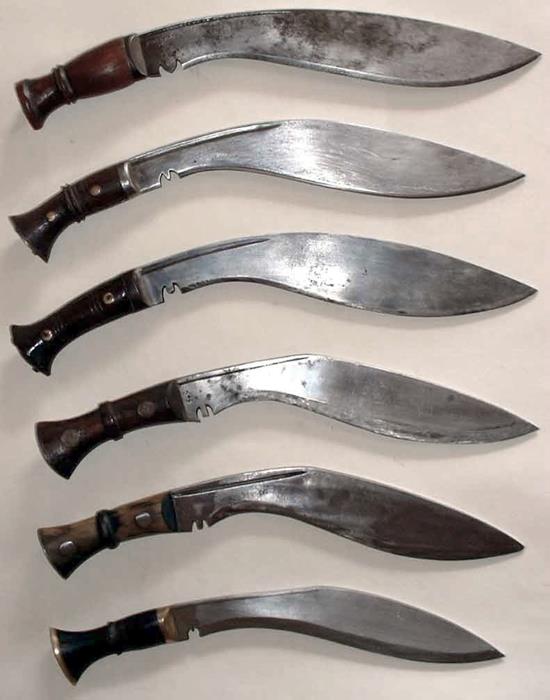
A kukri blade is known for its distinctive inward curve, typically ranging from 10 to 13 inches, enhancing its cutting efficiency. Traditionally forged from high-carbon steel, the blade’s sharp edge ensures both durability and effectiveness, whether in the hands of Gurkha warriors or in everyday utility tasks such as woodcutting.
The handle is equally essential to the kukri’s functionality, often crafted from materials such as Indian rosewood or water buffalo horn. Designed with a cylindrical shape and a flared butt, the handle provides a secure and ergonomic grip, facilitating powerful yet controlled strikes.
Authentic kukri sets usually include two smaller companion tools: the Karda, a versatile utility knife used for finer daily tasks, and the Chakmak, a specialized sharpening tool essential for maintaining the blade’s keen edge. These features collectively contribute to the kukri’s enduring reputation as a multifunctional tool and an enduring symbol of Nepalese craftsmanship.
Military Applications and Techniques
The kukri is renowned not only as a versatile tool but also as a formidable weapon, deeply embedded within the military traditions of the Gurkhas. Its unique design—combining a curved blade with a concentrated center of mass—makes it exceptionally effective for both slashing and stabbing maneuvers.
In combat, the kukri’s inward curve allows for devastatingly powerful strikes, maximizing cutting efficiency while requiring minimal wrist movement, though controlled wrist articulation remains crucial for maintaining precision and fluidity in engagements.
Gurkha regiments are internationally recognized for their mastery of kukri techniques, which emphasize quick, angular cuts, aggressive footwork, and an unwavering commitment to efficiency. Training routines involve rigorous practice of body mechanics, stance adjustments, and strike precision to ensure that each movement delivers maximum force with minimal effort.
Beyond the battlefield, the kukri remains a versatile companion, equally adept in survival scenarios, ceremonial roles, and daily tasks. Its enduring presence in the Gurkhas’ arsenal underscores its dual significance: as a symbol of martial excellence and as a practical instrument that exemplifies Nepal’s military tradition.
Proper Care and Maintenance of Your Kukri
After mastering the combat techniques associated with the kukri, it becomes essential to devote equal attention to the proper care and maintenance of the blade to ensure its longevity and sustained effectiveness. Regular upkeep not only preserves the kukri’s functionality but also honors the craftsmanship and cultural heritage embedded within each weapon.
To maintain the khukuri in optimal condition, the following practices are recommended:
- Clean the Blade: Wipe the blade regularly with a soft cloth and apply a thin layer of oil, such as engine oil or mineral oil, to protect against rust formation, especially on high-carbon steel blades.
- Sharpen Periodically: Utilize the Chakmak, the traditional sharpening tool accompanying the kukri, to maintain a keen, razor-sharp edge crucial for both utility and combat readiness.
- Protect the Handle and Sheath: Always store the kukri in its sheath in a cool, dry environment, avoiding exposure to moisture or extreme temperature fluctuations that could compromise the handle or sheath integrity.
- Inspect Regularly: Conduct routine inspections for any signs of wear, cracks, or loosening in the handle, blade, or sheath, addressing any issues promptly to ensure safe and effective usage.
- Preserve Blade Patterns: For kukris featuring decorative patterns, such as those resembling Damascus steel, it is vital to avoid harsh cloths and abrasive chemicals that could damage the intricate surface detailing.
Through consistent maintenance, owners safeguard the kukri’s performance and aesthetic quality, ensuring that this emblem of Nepalese tradition endures for future generations.
Choosing and Purchasing an Authentic Kukri
Ensuring the acquisition of a genuine kukri rather than a cleverly disguised replica requires careful attention and informed decision-making. The first step is to prioritize purchases from reputable sellers known for their commitment to traditional craftsmanship, particularly in renowned regions such as Thamel, Kathmandu, and Dharan.
An authentic Gurkha kukri is typically hand-forged by skilled Kamis, traditional Nepalese blacksmiths, using high-carbon steel. Indicators of authenticity include precise fitting between the blade and handle, a consistently sharp edge, and the absence of rattling or looseness in the hilt. These characteristics reflect the quality and integrity expected of a true kukri.
Buyers should exercise caution when encountering tourist shop reproductions that falsely claim historical value. When seeking antique kukris, inquire about the weapon’s vintage and provenance; genuine antiques generally date back at least 50 to 100 years and often feature distinctive engravings or maker’s marks that underscore their historical significance.
Conducting thorough research, including examining online reviews, verifying seller reputations, and seeking recommendations from trusted sources, is essential to ensuring that the kukri purchased is both authentic and a meaningful representation of Nepalese martial heritage.