

The 1920s marked a transformative era in the history of beauty, where makeup evolved from a social taboo into a celebrated form of self-expression. As women pushed back against restrictive Victorian ideals, cosmetics became a powerful symbol of modern femininity, independence, and cultural change.
Influenced by the glamour of Hollywood and the bold spirit of the flapper generation, beauty trends of the decade embraced dramatic lips, smoky eyes, and sharply defined brows. This pivotal period not only redefined societal norms but also laid the foundation for many of today’s enduring makeup styles.
Key Takeaways
- Makeup became mainstream: The 1920s marked a shift from taboo to trend, with women embracing cosmetics as symbols of liberation and individuality.
- Bold features dominated: Dark red lips, smoky eyes, and thin, elongated eyebrows defined the flapper-era aesthetic.
- Hollywood’s impact was powerful: Film stars like Clara Bow influenced everyday beauty trends, making dramatic makeup highly desirable.
- Cosmetic innovation thrived: The decade saw key inventions like the swivel lipstick tube and accessible products from brands such as Max Factor and Elizabeth Arden.
- The legacy lives on: 1920s beauty styles continue to inspire modern fashion, proving the timeless appeal of vintage glamour.
Historical Context of Makeup
In the early 20th century, makeup was often viewed as inappropriate for respectable women, reserved primarily for actresses and social outliers. However, the 1920s dramatically shifted this perception, ushering in a new era of cosmetic acceptance and cultural transformation. As the Roaring Twenties unfolded, women began embracing bold beauty choices as a form of personal freedom and rebellion against traditional Victorian ideals.
Lipstick emerged as a powerful symbol of self-expression, with vibrant reds and deep plums dominating the palette. The silver screen played a critical role in popularizing these trends, as glamorous Hollywood icons inspired women to mirror their daring looks. With the rise of department store and pharmacy makeup counters, cosmetics became widely accessible for the first time.
Pioneering brands such as Max Factor and Elizabeth Arden capitalized on this beauty revolution, offering products that empowered women to explore their identities through bold, artistic expressions. Innovations like eyeliners and cream rouges enabled makeup to transition from theatrical exaggeration to a fashionable, everyday ritual—forever altering the cultural landscape of beauty.
Influence of the Roaring Twenties
The Roaring Twenties not only reshaped societal norms but also amplified them through an explosion of glamour, rebellion, and cultural evolution. Women eagerly embraced bold makeup, casting aside the restraints of Victorian conservatism. The era’s vivacious spirit was embodied in short hairstyles, flapper dresses, and daring cosmetics—all symbols of modern womanhood and liberation.
The influence of Hollywood was unmistakable. Film stars became the ultimate beauty icons, prompting everyday women to emulate their looks. This surge in popularity spurred the rise of makeup counters in department stores, making cosmetics more accessible than ever before. According to The History of Makeup, features like dark red lipstick and smoky eyes became emblematic of feminine strength and self-expression.
- Makeup became a symbol of empowerment rather than impropriety.
- Women embraced trends inspired by movie icons.
- Cosmetic pioneers like Max Factor and Elizabeth Arden flourished.
- Thin, defined eyebrows emerged as a defining beauty feature.
- Beauty routines reflected a new era of independence and confidence.
Popular Makeup Trends of the 1920s
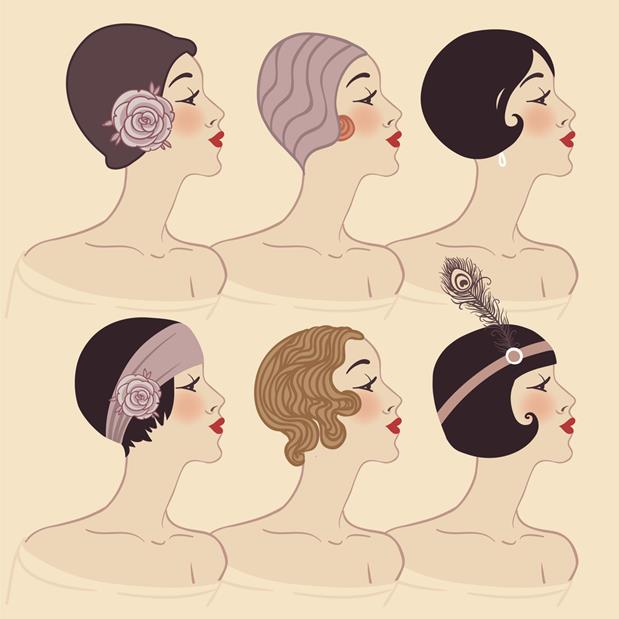
The 1920s marked a defining era in beauty history, where bold makeup became a fashionable emblem of modern femininity and social defiance. The decade’s most iconic feature was the Cupid’s Bow lip, a sharply defined shape that accentuated the upper lip and was most often painted in deep reds, crimsons, and plums—shades that epitomized the glamour and confidence of the flapper.
Eye makeup also took center stage, with smoky eyelids, kohl-rimmed eyes, and thick, dark lashes becoming staples of the period. Actresses of the silent film era, like Clara Bow and Theda Bara, inspired the trend toward long, pencil-thin eyebrows that were often drawn downward to create a sultry, dramatic effect.
The widespread introduction of makeup counters in department stores and pharmacies made cosmetics more accessible to the average woman, fostering experimentation and daily use. Blush, or “rouge” as it was commonly known, evolved from messy liquid tints to convenient powders and creams, with shades expanding to include not just reds, but softer pinks and corals as well.
This decade signified more than just a shift in beauty ideals—it marked the emergence of makeup as both a personal statement and a form of artistic expression, reflecting the broader cultural changes that defined the Jazz Age.
Specific Makeup Products
As the 1920s progressed, a wave of cosmetic innovations revolutionized how women approached beauty, offering convenience, creativity, and unprecedented accessibility. These advancements not only made daily makeup routines more practical but also encouraged self-expression through bold, defined features.
Thick eyeliner, inspired by theatrical styles and ancient Egyptian motifs—particularly the iconic image of Cleopatra—became essential for crafting dramatic, expressive eyes. It was often paired with cake mascara, a solid formula activated with water and applied using a small brush, to intensify and define the lashes.
A major breakthrough came in 1923 with the introduction of the swivel lipstick tube, patented by James Bruce Mason Jr. This design allowed for clean, portable application and helped popularize vibrant shades like ruby red and cherry, which became signatures of the flapper look.
Rouge also saw significant evolution. Once applied as messy liquid concoctions or stains, it transitioned into pressed powders and creamy formulas, expanding the color palette to include pinks and corals alongside traditional reds.
Another beauty tool that gained popularity was the eyelash curler, introduced in the early 1920s. Its design closely resembled the models used today and contributed to the era’s love for wide, expressive eyes.
These product innovations not only streamlined beauty routines but also played a key role in defining the aesthetic of the decade:
- Thick eyeliner: Cleopatra-inspired drama
- Lipstick: Convenient application with swivel tubes
- Rouge: Cleaner, portable powders and creams
- Eyelash curlers: Early versions of modern tools
- Eyebrow styling: Pencil-thin shapes with bold impact
Collectively, these items laid the foundation for modern cosmetic standards, reinforcing the 1920s as a defining chapter in beauty history.
Eyebrow Trends

The 1920s not only revolutionized eye and lip makeup but also introduced striking changes to eyebrow styling. Influenced by silent film stars like Clara Bow, women embraced long, thin, and downward-sloping brows that emphasized a dramatic, expressive look.
To achieve this style, many women plucked or even shaved their natural brows, then redrew them using eyebrow pencils in shades of black or brown. This exaggerated shape enhanced the popular “doe-eyed” effect and became a defining feature of flapper-era beauty.
Eyebrow grooming emerged as a key component of the daily makeup routine, reflecting the decade’s emphasis on dramatic, stylized self-presentation.
Key Makeup Looks of the 1920s
The 1920s ushered in a transformative era in beauty, where a handful of carefully chosen products delivered bold, iconic looks that came to define the decade. The emphasis was on dramatic features that expressed modernity, independence, and glamour with minimal effort.
Dark red lips—often sculpted into a pronounced Cupid’s bow—became a signature of flapper style, symbolizing both sensuality and empowerment. Eye makeup followed suit with smoky lids, heavy eyeliner, and dark shadows, creating a sultry, theatrical effect that mirrored the allure of silent film stars.
Eyebrows were kept thin and arched, frequently drawn toward the temples to exaggerate the eyes and contribute to the era’s famed “doe-eyed” aesthetic. Blush, once applied as messy liquid tints, evolved into powders and creams, offering more controlled, natural-looking color in shades ranging from rose to coral.
These defining features formed the foundation of the 1920s makeup look:
- Dark Red Lips: Empowering and expressive
- Smoky Eye Makeup: Sultry and theatrical
- Thin Arched Eyebrows: Inspired by film icons
- Blush: Cleaner, more sophisticated application
- Simplified Routine: Fewer products, maximum impact
Together, these elements captured the bold, liberated spirit of the Jazz Age, making makeup both an art form and a personal statement.
The First Swivel Lipstick and Cosmetic Patents
In 1923, James Bruce Mason Jr. revolutionized the cosmetics industry with his patent for the first swivel lipstick container, transforming lip product application into a cleaner, more precise experience. This innovation replaced messy pots and tins, allowing users to twist the lipstick up for effortless use—an advancement that brought both convenience and portability to everyday beauty routines.
The brand Tre-Jur was among the first to adopt this new design, with major players like Max Factor, Coty, and Helena Rubinstein quickly following suit. Their adoption of the swivel tube significantly broadened the appeal and accessibility of lipstick, helping solidify it as an essential item in every woman’s makeup kit.
The 1920s proved to be a landmark decade for cosmetic patents, not only in packaging but also in formulations. As demand for beauty products soared, these innovations reshaped the industry, laying the groundwork for modern cosmetics and making makeup a permanent fixture in consumer culture.
Makeup Application Techniques
While the 1920s makeup look was known for its bold and expressive features, the actual application techniques of the time relied on simplicity and creativity, using just a few essential products to achieve maximum impact. Rather than relying on modern cosmetics, women of the Jazz Age used accessible tools to create a signature appearance that balanced drama and elegance.
To recreate an authentic 1920s-inspired look, consider these vintage-style application steps:
- Complexion: Begin with a powdered matte base, as foundations were typically dry or cake-based, aiming for a porcelain-like finish.
- Blush (Rouge): Apply rouge in circular motions high on the cheeks, favoring shades like rose or coral to bring color and life to a pale base.
- Eyebrows: Use an eyebrow pencil to draw thin, elongated brows with a slight downward tilt, mimicking the screen sirens of the silent film era.
- Eyes: Emphasize with dark eyeliner, applied to the upper and lower lash lines. Top with cake mascara or a vintage-inspired wand to define lashes.
- Lips: Shape lips into a Cupid’s bow using a deep red or plum lipstick—this was the ultimate symbol of 1920s glamour.
Though product formulations have evolved significantly, these core techniques continue to inspire retro and modern makeup alike, proving that the style and flair of the 1920s remains timeless.
Legacy of 1920s Makeup Trends
Though nearly a century has passed, the makeup trends of the 1920s continue to resonate within today’s beauty standards. The decade’s signature elements—scarlet lips, defined brows, and smoky eyes—remain staples in modern fashion and continue to inspire makeup enthusiasts, stylists, and cosmetic brands around the world.
At the heart of 1920s beauty was the Cupid’s bow lip, a carefully sculpted shape that symbolized empowerment and modern femininity. Its lasting appeal lies in its ability to balance classic glamour with bold self-expression—a concept that still captivates today’s audiences.
The era was also a turning point for product innovation. With the introduction of the swivel lipstick tube and the expansion of major brands like Max Factor and Maybelline, cosmetics became more accessible, allowing women from diverse backgrounds to explore and embrace beauty as part of their daily lives.
Contemporary makeup trends frequently draw upon the daring aesthetics of the Jazz Age. Whether through a bold red lip, sultry eye makeup, or retro-inspired brows, the legacy of 1920s beauty endures as both a historical milestone and a timeless source of inspiration.