

Broadway has long been a source of inspiration for Hollywood, with many stage productions making the leap to the big screen. Some adaptations have captured the essence of their theatrical roots, bringing larger audiences into the world of musicals and dramas. Others have reimagined the stories, using film’s visual and technical advantages to expand upon what was possible on stage. These successful transitions highlight the enduring appeal of Broadway’s most beloved productions.
Chicago

Though originally a 1975 stage musical, Chicago became a sensational cinematic revival with its 2002 film adaptation. It’s hard to ignore its impact on both Broadway and Hollywood. This adaptation not only snagged six Academy Awards, including Best Picture, but also reignited interest in musical cinema. With Catherine Zeta-Jones and Renée Zellweger delivering iconic performances, the film’s success was undeniable.
At the box office, Chicago pulled in over $300 million globally, making it one of the highest-grossing movie musicals ever. The film’s enthralling musical numbers and choreography, especially “All That Jazz,” have become cultural touchstones. It paved the way for Broadway musicals to evolve to film, influencing Hollywood’s approach to storytelling and cementing its place in cinematic history.
Les Misérables
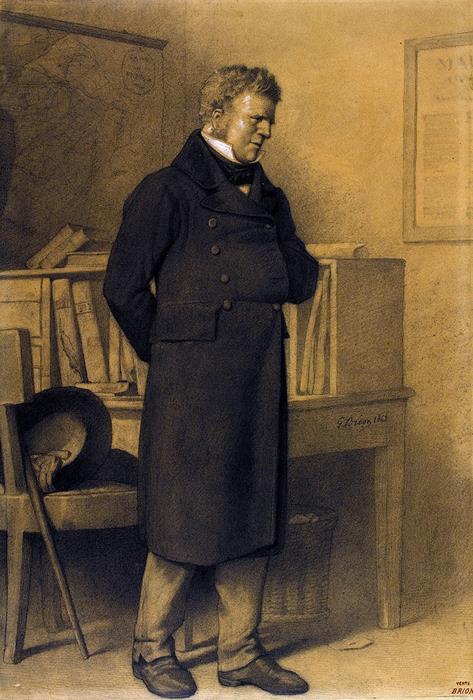
With regard to stage-to-screen adaptations, Les Misérables stands as a towering achievement. Originally a stage musical based on Victor Hugo’s novel, it premiered in London in 1985 and garnered 8 Tony Awards. The 2012 film adaptation brought a star-studded cast, including Hugh Jackman, Russell Crowe, and Anne Hathaway, who earned an Academy Award for Best Supporting Actress. Known for its emotional depth, the film grossed over $442 million globally and was nominated for eight Academy Awards.
The film’s reimagined iconic songs like “I Dreamed a Dream” and “One Day More” featured live singing on set, enhancing authenticity. Through its powerful storytelling and cultural significance, Les Misérables continues to resonate with audiences worldwide, both on stage and on screen.
West Side Story
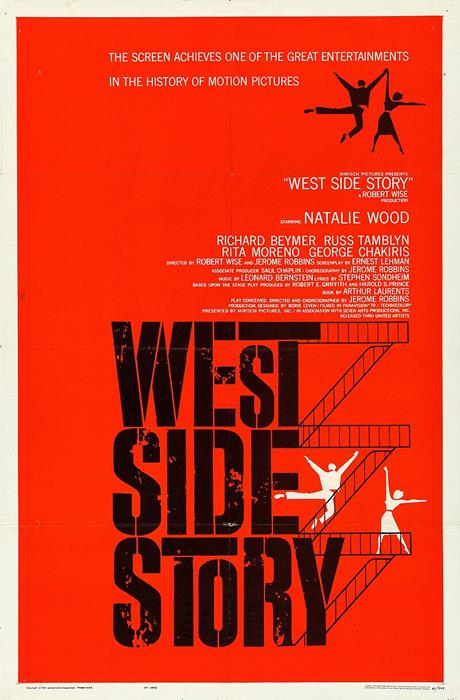
Just as Les Misérables captivated audiences with its emotional depth, West Side Story enchants with its timeless tale of love and rivalry. Originally a Broadway musical in 1957, it modernizes Shakespeare’s Romeo and Juliet amidst New York gang tensions. The 1961 film adaptation triumphed at the Academy Awards, winning 10, including Best Picture, and became a cultural phenomenon. Iconic musical numbers like “Maria” and “America” captivated audiences with their emotional resonance.
In 2021, Steven Spielberg revived West Side Story, earning acclaim for authentic casting and performances, particularly by Puerto Rican actors. Themes of love, prejudice, and identity continue to resonate, cementing its status as a timeless work. Leonard Bernstein’s music and Stephen Sondheim’s lyrics still inspire generations, bridging stage and screen.
Hairspray
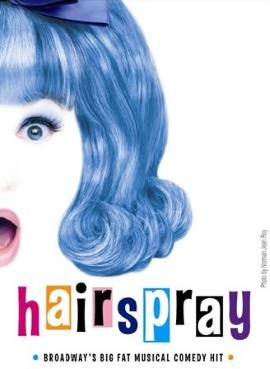
Hairspray comes to mind when it’s about a musical that bursts with energy and color. Initially a 1988 film, it transformed into a Broadway musical in 2002, dazzling audiences with its lively score and energetic choreography. Winning eight Tony Awards, including Best Musical, Hairspray revitalized the story of racial integration in the 1960s, making it a beloved musical.
Its cultural impact was profound, leading to a successful 2007 film adaptation featuring stars like John Travolta and Zac Efron, further solidifying its popularity. Beyond Broadway, Hairspray sparked numerous international productions, showcasing its universal appeal and influence. With an enduring legacy, this show continues to be celebrated for its lively spirit and significant themes.
Dreamgirls
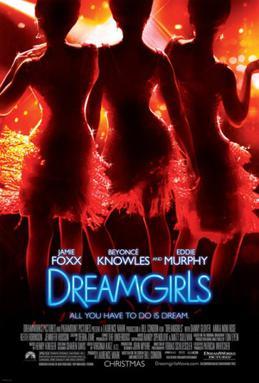
A glittering showcase of talent and ambition, Dreamgirls shifted from Broadway to the silver screen in 2006 with a cast that could only be described as stellar. Originally a Broadway musical, this film adaptation starred Beyoncé, Jennifer Hudson, and Jamie Foxx. Directed by Bill Condon, it masterfully brought the musical’s themes of ambition and the struggles of African American artists to life.
Jennifer Hudson’s portrayal of Effie White earned her an Academy Award for Best Supporting Actress, marking her powerful film debut. The soundtrack became a commercial success, topping Billboard charts with unforgettable tracks like “And I Am Telling You I’m Not Going.” Grossing over $150 million worldwide, Dreamgirls proved its enduring appeal beyond the stage.
Grease
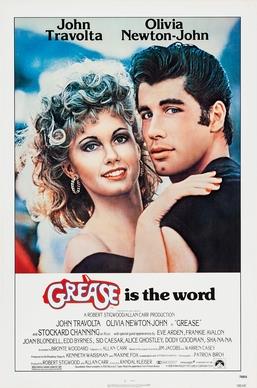
Few adaptations capture the essence of youthful exuberance and rebellion quite like “Grease.” This high school musical premiered on Broadway in 1972 and leaped onto the big screen in 1978, transforming into a cultural sensation. The film, starring John Travolta and Olivia Newton-John, grossed over $396 million worldwide, firmly establishing its place in pop culture.
Its soundtrack, featuring hits like “You’re the One That I Want” and “Summer Nights,” remains iconic. “Grease” encapsulates themes of teenage love and rebellion, set against the nostalgic backdrop of a 1950s American high school. Its enduring popularity has sparked numerous revivals and adaptations, including a live television musical in 2016, showcasing its lasting impact on musical theater and film.
The success of “Grease” mirrors the transformative impact of Technicolor’s role in cinema, which brought vibrant, realistic colors to the screen and enhanced the storytelling experience.
The Music Man
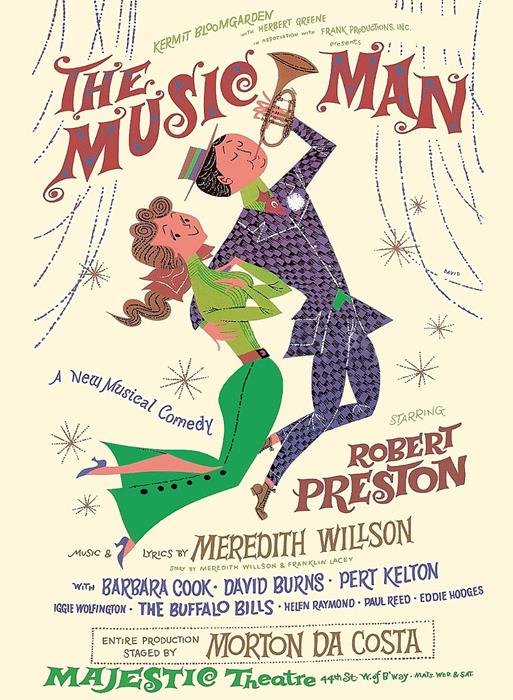
Although often overlooked in the current fast-paced entertainment landscape, “The Music Man” remains a quintessential piece of Americana that continues to capture hearts with its small-town charm and infectious melodies. This Broadway musical, premiering in 1957, won five Tony Awards, including Best Musical, thanks to its engaging story and memorable songs like “76 Trombones” and “Till There Was You.”
The successful film adaptation in 1962, starring Robert Preston and Shirley Jones, further solidified its legacy, earning six Academy Award nominations. With revivals in 2000 and 2022 featuring stars like Craig Bierko and Hugh Jackman, “The Music Man” endures, charming new generations and reminding you of the enduring magic of classic American musicals.
Cabaret
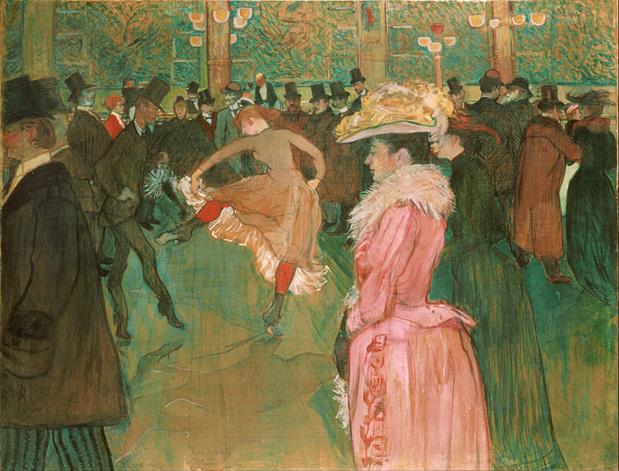
Cabaret draws viewers into its dark and compelling narrative with a masterful blend of music and storytelling. The 1966 stage musical’s film adaptation, directed by Bob Fosse in 1972, captivated audiences and swept eight Academy Awards, thanks to its bold storytelling and cultural touchstone status.
Set in 1930s Berlin, the film’s dark narrative examines political unrest and the seductive allure of escapism. “Cabaret” remains influential, its socio-political themes and unforgettable music leaving an indelible mark on both film and theater.
In the Heights
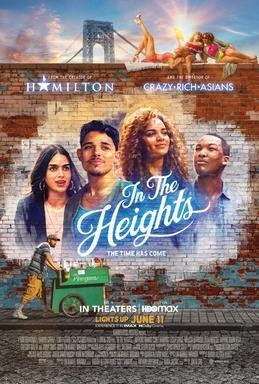
“In the Heights” offers a lively celebration of community and culture. Premiering on Broadway in 2008, Lin-Manuel Miranda’s “In the Heights” captivated audiences with its colorful portrayal of Washington Heights. The Broadway production earned four Tony Awards, including Best Musical, underscoring its critical acclaim.
Fast forward to 2021, and the film adaptation directed by Jon M. Chu brought the story to the big screen, retaining the original score. It explores deeper into themes of identity, family, and aspirations. Both the Broadway and film versions received a positive reception, with the movie earning several award nominations, including a Golden Globe nod for Best Motion Picture – Musical or Comedy.
Little Shop of Horrors
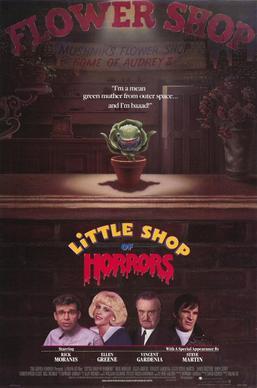
“Little Shop of Horrors” stands as a prime example of a cult classic transformation, weaving horror and comedy into an unforgettable narrative. It began as an off-Broadway musical adaptation in 1982, winning audiences with its memorable score by Howard Ashman and Alan Menken. The story leapt to the big screen in 1986 as a film adaptation directed by Frank Oz, gaining critical acclaim and featuring:
- Iconic performances by Rick Moranis and Ellen Greene.
- The animatronic plant Audrey II as a standout effect.
- Musical numbers like “Suddenly, Seymour” and “Feed Me (Git It).”
- Numerous revivals and adaptations, including a 2019 off-Broadway revival.
“Little Shop of Horrors” has cemented its status as a beloved Broadway musical and cult classic film.
Conclusion
Broadway adaptations have proven time and again that powerful storytelling can thrive in different mediums. The transition from stage to screen has introduced these iconic productions to wider audiences while preserving the heart of what made them unforgettable.