

Long before Spanish colonization, the Philippines was not a single nation but a collection of small, self-sufficient communities called barangays. These settlements functioned as independent political units, each led by a datu who acted as the chief and leader. Barangays were made up of extended families, and their structure was deeply rooted in kinship, trade, and mutual cooperation.
Origins and Etymology of Barangays
The term “barangay” has its roots in the word “balangay,” which describes the sturdy sailboats used by early Austronesian settlers.
Imagine these settlers arriving on Philippine shores, forming coastal settlements that thrived on fishing and trade. These barangays emerged as independent villages, each home to about 30 to 100 households. As self-governing entities, they crafted a unique political structure led by a datú, whose power derived from kinship ties rather than wealth.
Before Spanish colonization, barangays were tightly knit communities, each managing its own affairs. The Spanish encountered these organized villages in the 16th century, recognizing their importance and integrating them into their colonial system.
Migration by sea was central to the development of these thriving, resilient communities.
Structure and Leadership in Precolonial Barangays
Barangays didn’t just form as independent villages; they also functioned as tightly organized societies with distinct leadership structures. Each precolonial barangay, typically consisting of 30 to 100 households, had a datu at its helm. This leader wasn’t chosen through rigid hierarchy; instead, leadership emerged from consensus among the community.
In larger areas like Maynila and Cebu, barangays formed alliances for mutual protection, showcasing a dynamic social organization. The ruling class, or maginoo, included the datu and other leaders, forming an aristocracy that valued lineage over wealth.
Leadership titles varied, with terms like Sultan and Lakan reflecting regional nuances. These structures fostered stability and cooperation, ensuring each barangay’s survival and prosperity amidst the diverse landscape of precolonial Philippines.
Social Organization and Stratification
How did precolonial Filipino societies immerse themselves in such a diverse landscape? They created barangays with a well-defined social hierarchy.
At the top sat the maginoo, the ruling class, including datus and their descendants. Despite this hierarchy, political leadership was often based on consensus within the community. The maginoo exercised authority, but leaders were chosen by the people’s agreement, showcasing a democratic touch.
Below the ruling class, you’d find the Timawa, free commoners, and the Maharlika, who formed the middle class.
The Babaylan played a crucial role, weaving spiritual leadership and healing into the community’s fabric. Among the Tagalogs, trade influenced their social structures, adding another layer to the stratification in these lively precolonial societies.
Maritime Culture and Economic Activities
Rooted in a rich maritime culture, early barangays thrived as lively coastal settlements established by Austronesian migrants from Taiwan.
You’d find that fishing was the cornerstone of their economic activities, offering crucial protein to sustain their communities. The river systems weren’t just a source of water but critical transportation routes that connected different barangays. These waterways facilitated trade, allowing barangays to engage in cultural interactions and economic exchanges with merchants from Japan and China.
The intricate social structures of larger barangays supported diverse economic activities, from fishing to crafting trade alliances.
They often used the “balangay” boats for these purposes, underscoring their reliance on the sea. Through these interactions, barangays developed a network of cultural and economic connections that shaped their communities.
Cultural Differences and Historical Context
As you investigate the lively tapestry of early Filipino communities, you’ll notice that cultural differences between regions added layers of complexity to their societies.
The Tagalog and Visayan cultures, for instance, showcased distinct social structures. The Tagalogs, with their trade-oriented approach, thrived in coastal settlements, fostering cultural exchanges with foreign traders.
Meanwhile, the Visayans developed a formidable warrior class, reflecting a different economic focus within their barangays. This pre-colonial governance was marked by varied social mobility and organization, as noted by Jesuit observers.
Scholars like F. Landa Jocano and William Henry Scott have examined these nuances within the historical context. Changes in social stratification, such as the emergence of the term “timawa,” highlight evolving dynamics in these lively societies.
Transition to Modern Barangay System

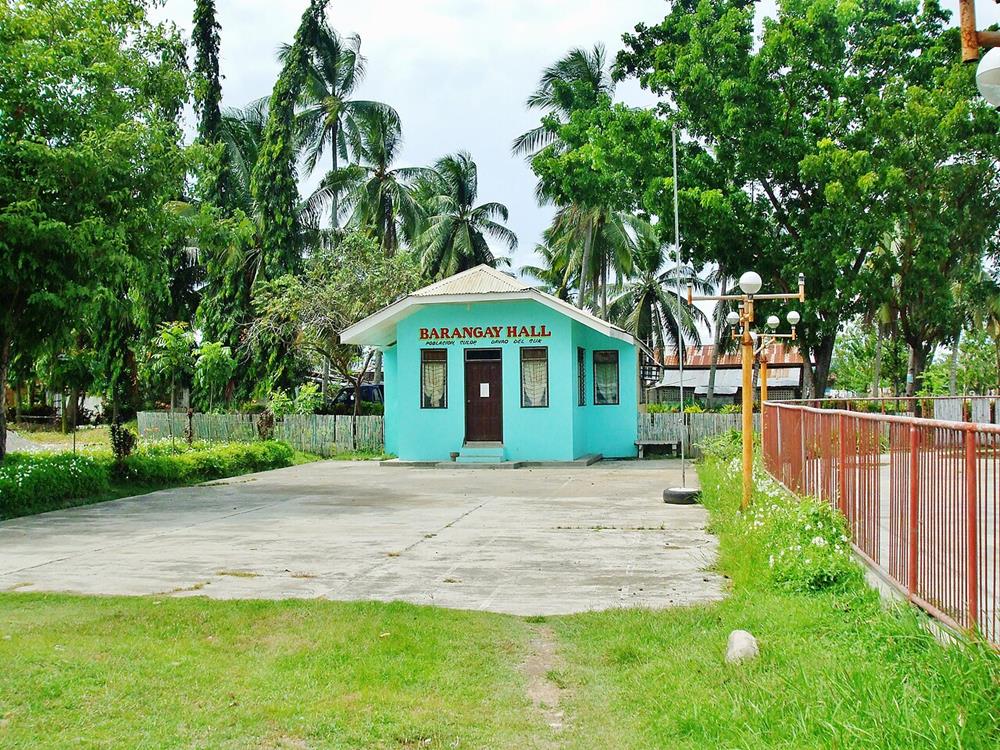
While the ancient barangay system served as a foundation, the change to the modern barangay system marked a significant evolution in local governance.
Emerging from independent pre-colonial villages, barangays transformed into the smallest political units under a formal governance structure during the Marcos regime. This alteration involved changes in administrative terminology, as “barangay” replaced “barrio” in 1991, reflecting a commitment to community governance.
Modern barangays have distinct characteristics:
- Population Requirements: Minimum of 2,000 residents, or 5,000 in urban areas.
- Number: Approximately 42,046 barangays exist nationwide as of 2021.
- Elected Officials: Governed by a barangay captain and council, with elections every three years.
- Katarungang Pambarangay: Facilitates local dispute resolution, preserving traditional governance methods.
Final Thoughts
The barangay system may have evolved, but its influence remains visible in the way local governance operates in the Philippines today. The concept of community-led leadership, strong family ties, and cooperation still plays a vital role in Filipino society.
While Spanish colonization changed many aspects of governance, barangays laid the foundation for how Filipinos managed their communities.