

The Wizard of Oz is one of the most beloved films in cinematic history, but its legacy is not without controversy. Behind the Technicolor magic and timeless songs lies a production story filled with hardships, scandals, and disturbing truths.
From dangerous stunts to mistreatment of actors, the behind-the-scenes struggles reveal a darker side to Hollywood’s golden age. This article reveals the hidden stories that shaped one of the most iconic movies ever made.
Costume and Makeup Nightmares
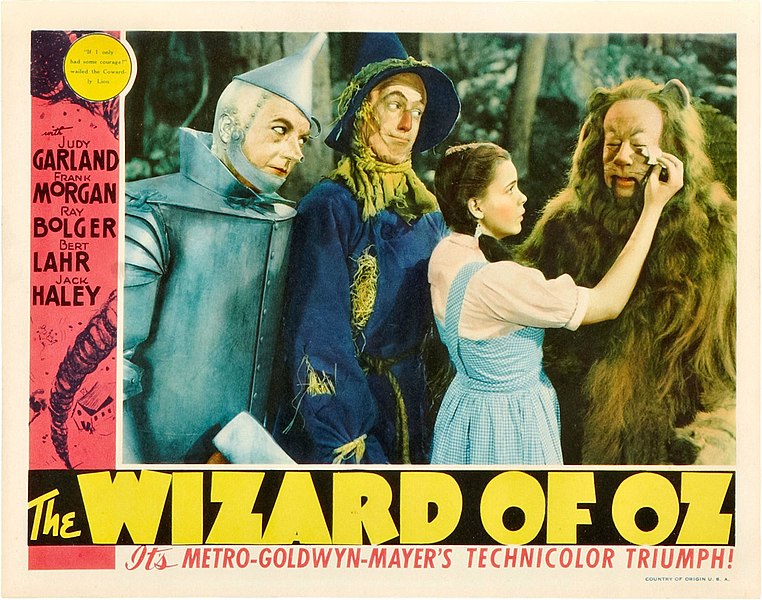
The costumes and makeup used in The Wizard of Oz became a source of pain and danger for many of the actors. Margaret Hamilton, who played the Wicked Witch of the West, suffered severe burns during a mishap with pyrotechnics.
On December 23, 1938, while filming a scene where she disappeared in a puff of smoke, the trapdoor failed to open in time. Her green makeup, which contained toxic copper, worsened her injuries and left her out of production for six weeks.
Buddy Ebsen, the original Tin Man, had an allergic reaction to the aluminum dust in his makeup. Within days of filming, he experienced difficulty breathing and had to be hospitalized.
Doctors found that the makeup had coated his lungs, causing him to leave the project altogether. Jack Haley replaced him, and the makeup was changed to a safer aluminum paste. However, Haley also reported discomfort and eye irritation throughout filming.
The costume for the Cowardly Lion, worn by Bert Lahr, was made from real lion pelts and weighed nearly 90 pounds. The heavy outfit trapped heat, leaving Lahr drenched in sweat under the bright studio lights. Makeup artists had to reapply his makeup frequently because of the constant perspiration. Crew members would often find him lying on the floor between takes, trying to cool down.
Hazardous Production Conditions
The production of The Wizard of Oz was also filled with dangerous working conditions that put the cast and crew at risk. During the early stages of filming in 1938, the Wicked Witch’s flying broomstick was rigged with smoke effects that caught fire.
Margaret Hamilton, who played the Wicked Witch, was badly burned on her face and hands after a mishap with the equipment. She later refused to perform stunts involving fire, leaving her stand-in, Betty Danko, to suffer her own injuries when another prop broom exploded.
The Tin Man’s costume also posed serious hazards. Jack Haley, who replaced Buddy Ebsen, wore a metal suit that restricted his movement and made long hours on set incredibly difficult. The costume’s stiff design caused bruises, and the aluminum paste makeup irritated his skin and eyes.
In one incident, Haley suffered an eye infection that halted filming briefly. The crew had to make constant adjustments to try to keep him comfortable, though the conditions remained grueling.
Snow used in the poppy field scene was made from asbestos fibers, a material now known to cause severe health problems. In 1938, this was considered a common practice in Hollywood despite the dangers. The actors and crew were exposed to this hazardous substance without any protective measures.
Judy Garland’s On-Set Struggles
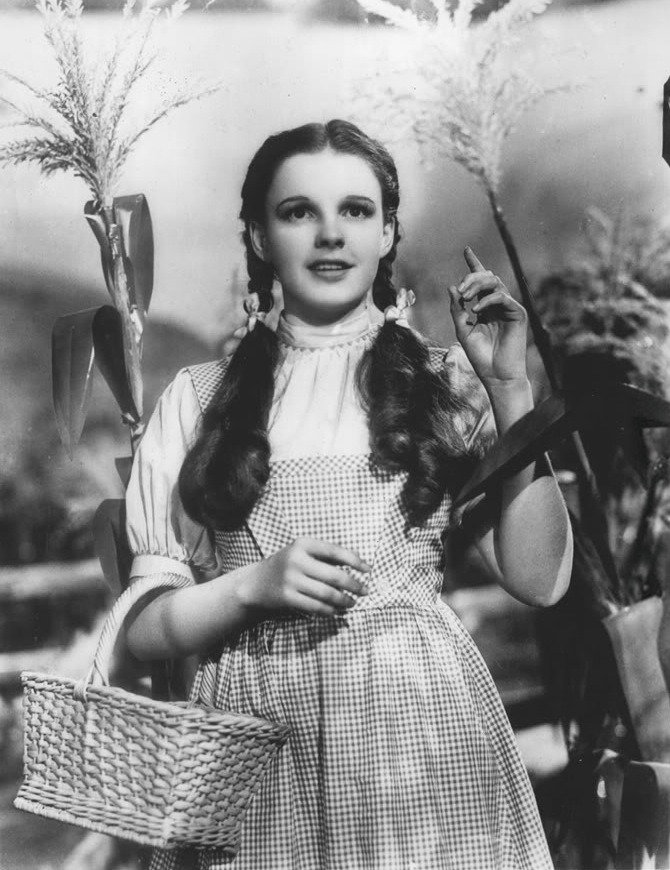
Judy Garland faced immense challenges during the production of The Wizard of Oz. At just 16 years old, she was placed under intense pressure by the studio to maintain a specific image.
Executives at MGM put her on a strict diet, forbidding her from eating regular meals and providing only black coffee, soup, and cigarettes to suppress her appetite. This harsh treatment left her physically and emotionally drained throughout filming.
Garland was also subjected to harsh criticism about her appearance. Studio executives insisted she wear a tight corset to flatten her chest and make her look younger. They frequently commented on her weight and appearance, adding to her insecurity. Despite these pressures, she had to perform demanding musical numbers and act with precision, even as her health suffered from the studio’s control.
Her grueling schedule further added to her struggles. Garland often worked long hours with little rest, sometimes filming up to 18 hours a day. To keep her energy up, MGM doctors gave her amphetamines during the day and sleeping pills at night. This cycle took a heavy toll on her health and contributed to the addiction issues she would battle later in life.
Cast and Crew Conflicts
Tensions between cast and crew members on the set of The Wizard of Oz were not uncommon. Director Victor Fleming was known for his tough and often aggressive approach. In one instance, he slapped Judy Garland to stop her from laughing during a scene with the Cowardly Lion. Though Garland eventually completed the take, the incident left a lasting impression on those who witnessed it.
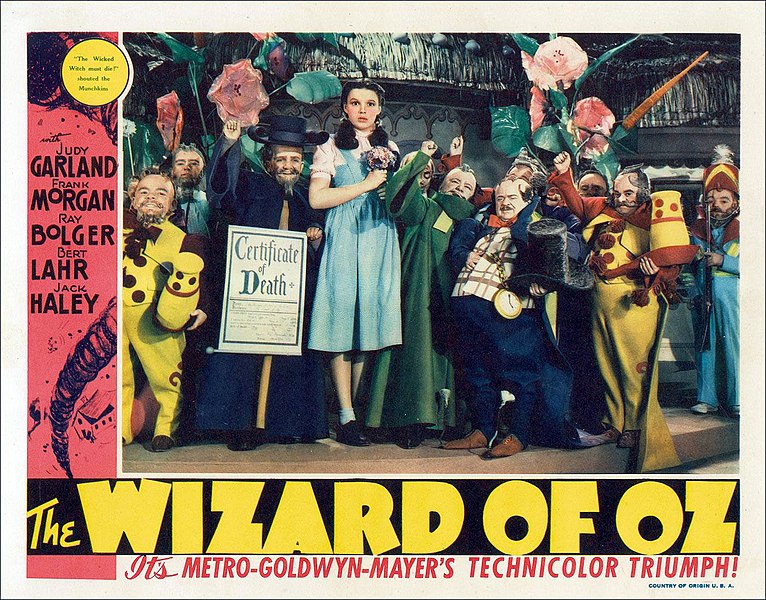
The Munchkin actors also had conflicts both with each other and with the production team. Stories emerged of unruly behavior among some cast members, including excessive drinking and rowdy antics at the hotel where they stayed. This led to frustration for the crew, who struggled to manage the large group of performers. Margaret Hamilton later recalled that the Munchkin scenes were some of the most chaotic to film due to these off-set issues.
Buddy Ebsen’s departure as the Tin Man caused behind-the-scenes friction as well. The sudden need to replace him disrupted the schedule and added stress to the cast and crew. Jack Haley, who stepped into the role, had little time to adjust and felt the pressure of filling Ebsen’s shoes.
The Cultural Legacy of the Film
The Wizard of Oz has left an enduring legacy in popular culture since its release in 1939. Its songs, especially “Over the Rainbow,” remain widely recognized and beloved.
Generations of audiences have grown up with the film through its annual television broadcasts that began in the 1950s. These broadcasts helped cement its status as a classic and introduced it to millions who may not have seen it in theaters.
Its themes of courage, friendship, and self-discovery have resonated with people from all walks of life. Iconic lines like “There’s no place like home” and imagery such as the yellow brick road have become part of everyday language and cultural references.
Conclusion
The Wizard of Oz is remembered as a masterpiece of Hollywood’s golden age, but its production was far from glamorous. The stories of mistreatment, hazardous working conditions, and personal struggles reveal a darker side to the making of this iconic film. Behind the magic that captivated audiences were real challenges that took a toll on the cast and crew.