

Since its publication as a novel in 1900 and the release of its iconic 1939 film adaptation, The Wizard of Oz has sparked countless interpretations. What began as a beloved children’s tale has evolved into a story that beloved story alike find rich with deeper meanings. From political allegories to psychological theories, the world of Oz offers something for everyone.
Political Allegory: A Mirror of Society

One of the most popular interpretations of The Wizard of Oz is as a political allegory. In this reading, the characters and elements of the story represent various facets of American society at the turn of the 20th century. Dorothy, the protagonist, is seen as the embodiment of the average American—innocent, kind-hearted, and caught in a whirlwind of larger forces beyond her control.
Her companions on the journey down the Yellow Brick Road symbolize different groups within society. The Scarecrow, who desires a brain, is often interpreted as representing farmers, who were perceived as lacking the intellectual clout to influence politics. The Tin Man, in need of a heart, stands for industrial workers, whose humanity was often overshadowed by the dehumanizing nature of factory work. The Cowardly Lion, seeking courage, could be seen as a representation of politicians who, despite their bluster, lacked the bravery to enact real change.
The Yellow Brick Road itself is thought to symbolize the gold standard, a hotly debated economic issue at the time, with Oz representing the abbreviation for ounce, a standard measure in gold. This interpretation casts the story as a subtle critique of the economic and political landscape of the era.
Religious Interpretations: A Spiritual Journey
Another layer of interpretation sees The Wizard of Oz through a religious lens. Dorothy’s journey to the Emerald City can be viewed as a spiritual quest, filled with temptations, trials, and lessons along the way. The Wicked Witch’s demise by water has been interpreted as a metaphor for baptism and spiritual cleansing, symbolizing the triumph of good over evil through purity and renewal.
Conversely, some interpretations challenge religious themes, suggesting that the story questions the authenticity of spiritual powers. The revelation of the man behind the curtain as the “wizard” who is nothing more than a regular person pulling levers has been seen as a metaphor for the illusion of spiritual authority. This duality in interpretation highlights the complex and often contradictory ways that religion can be understood within the narrative.
Feminist Readings: Women of Power
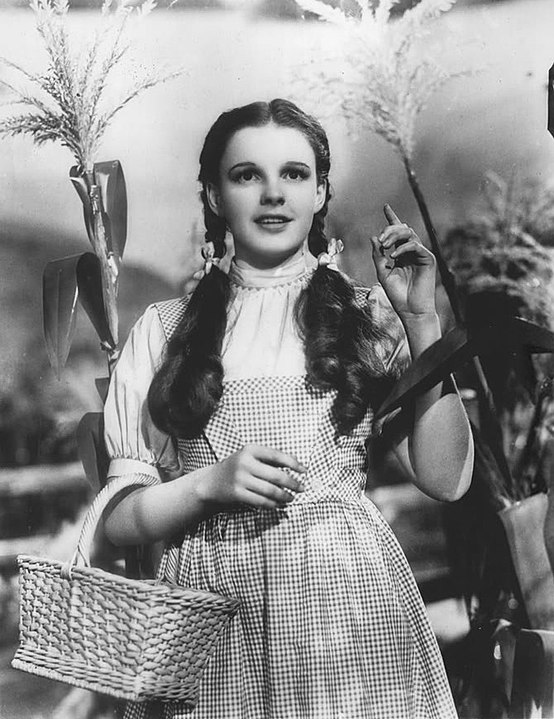
The Wizard of Oz also lends itself to feminist readings, particularly in its portrayal of female characters. Dorothy, despite being a young girl, wields considerable influence in Oz, making decisions that shape the story’s outcome. The witches, both good and evil, possess real power and agency, contrasting with the male characters who, while endearing, are portrayed as lacking something vital—brains, heart, or courage.
This portrayal may reflect the influence of L. Frank Baum’s mother-in-law, Matilda Joslyn Gage, a prominent figure in the women’s suffrage movement. Baum’s depiction of strong, independent women in The Wizard of Oz can be seen as an acknowledgment of the growing movement for women’s rights during his time.
Psychological Theories: A Quest for Self-Discovery
Many have applied psychological theories to Dorothy’s journey, viewing it as a quest for self-discovery. In this interpretation, each of her companions represents different aspects of her personality. The Scarecrow, Tin Man, and Cowardly Lion could be seen as manifestations of her intellect, emotions, and willpower, respectively.
The witches, on the other hand, might symbolize the positive and negative influences that guide or hinder one’s personal growth. The Wicked Witch of the West embodies the challenges and fears that must be overcome, while Glinda the Good Witch represents the nurturing forces that support personal development.
The Portrayal of Adults: A Child’s Perspective
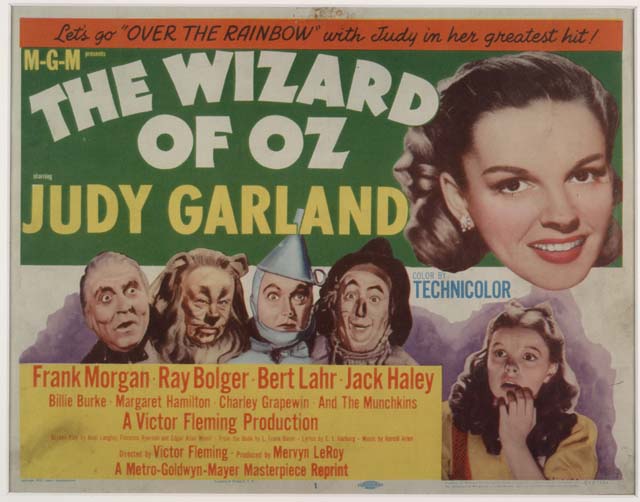
A key theme in The Wizard of Oz is the way it portrays adults, both in Kansas and in Oz. Grown-ups in the story often appear incapable of truly helping Dorothy, which has led some to view the tale as a commentary on children’s journey toward self-reliance. Dorothy’s realization that she had the power to return home all along can be interpreted as a metaphor for the process of growing up and learning to trust in one’s own abilities.
Creative Interpretations: Glinda, the Hidden Villain?
The richness of The Wizard of Oz has inspired many creative interpretations, some of which turn traditional readings on their head. For example, some have suggested that Glinda, the supposedly good witch, might actually be the real villain of the story. They argue that instead of helping Dorothy from the start, Glinda sends her on a dangerous quest, knowing all along how she could return home. This interpretation invites readers and viewers to question the true nature of the characters and their motivations, adding another layer of complexity to the narrative.
Conclusion: A Tale of Endless Possibilities
The varied readings and interpretations of The Wizard of Oz demonstrate just how rich and complex the world of Oz truly is. Whether seen as a simple fairy tale or a story full of hidden meanings, The Wizard of Oz continues to capture imaginations over a century after it was first created. Its characters, plot, and themes offer endless possibilities for interpretation, ensuring that this beloved story will continue to resonate with audiences for generations to come.