

José Rizal was a prominent Filipino intellectual and nationalist who lived from 1861 to 1896. He played a crucial role in shaping the Filipino national identity and advocating for reforms during Spanish colonial rule in the Philippines. Rizal’s life and work left an indelible mark on Philippine history and culture.
Born in Calamba, Rizal excelled in various fields including medicine, literature, and the arts. His writings, particularly his novels “Noli Me Tángere” and “El Filibusterismo,” exposed the injustices of Spanish colonial administration and sparked a growing sense of national consciousness among Filipinos. Despite his peaceful approach to reform, Rizal was executed by Spanish authorities in 1896, becoming a martyr and symbol of the Philippine independence movement.
José Rizal: A Filipino Patriot

José Rizal was a key figure in the Philippine nationalist movement. He spoke out against Spanish colonial rule and the unfair treatment of Filipinos. Rizal lived in Europe for a time, where he wrote about these issues. When he came back to the Philippines in 1892, he was forced to leave because of his push for change.
Rizal wanted peaceful reforms, but the Spanish authorities saw him as a threat. They charged him with rebellion and put him on trial. On December 30, 1896, Rizal was executed at just 35 years old. His death made him a martyr and inspired others to fight for Philippine independence.
Growing Up and Education
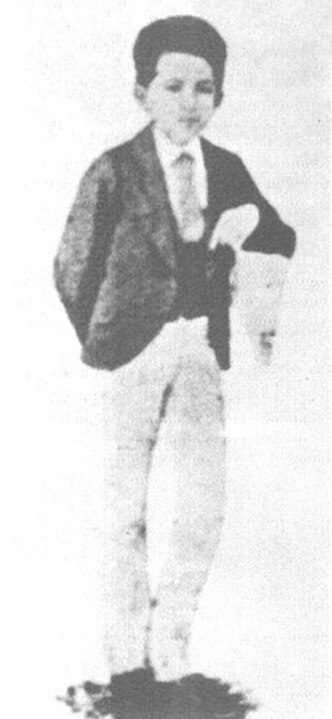
José Rizal entered the world on June 19, 1861 in Calamba, Laguna. As a child, he showed great promise in his studies. He picked up many languages with ease. For his higher education, Rizal went to Manila to study medicine. In 1882, he left the Philippines to further his medical training in Spain.
Rizal’s Literary and Reform Efforts
José Rizal’s time in Europe sparked his involvement in the Propaganda Movement. He joined forces with other Filipinos seeking change in their homeland. Rizal’s first novel, “Noli Me Tangere,” shed light on the dark side of Spanish rule in the Philippines. The book took aim at Catholic friars and their influence. It was so controversial that authorities banned it in the Philippines, though some copies made it into the country secretly.
Rizal’s writings didn’t stop there. He penned a second novel, “El Filibusterismo,” which further criticized colonial rule. He also wrote for “La Solidaridad,” a paper that shared the goals of the Propaganda Movement.
Rizal’s reform ideas were not as radical as some might think. He didn’t call for complete independence from Spain. Instead, he wanted:
- Fair treatment for Filipinos
- Less power for Spanish friars
- Filipino representation in Spain’s parliament
These goals show Rizal’s hope for change within the existing system. His words and ideas spread, inspiring many Filipinos to push for reforms in their country.
Rizal’s Years in Dapitan

In 1892, Rizal came back to the Philippines. He started a group called the Philippine League. The group wanted change without violence. But the Spanish rulers still sent Rizal away to Dapitan, a town on Mindanao island. He lived there for four years.
Rizal kept busy in Dapitan. He worked as a doctor and taught students. He used his skills to help the local people. This time shaped Rizal’s views on his country’s future.
Death and Impact
José Rizal faced a tragic end in 1896. The Spanish authorities arrested him after a Filipino group called Katipunan started a revolt. Even though Rizal was not part of this group, he was still blamed.
Rizal went through an unfair trial. He was found guilty of rebellion and sentenced to die. On December 30, 1896, Rizal was shot by a firing squad in Manila. He was only 35 years old.
Rizal’s death made many Filipinos angry at Spanish rule. It pushed more people to fight for freedom. After Spain left in 1898, Rizal became a symbol of the fight for independence.
Today, Rizal is seen as a hero in the Philippines. There are statues of him all over the country. His writings and ideas still inspire Filipinos. Rizal’s death helped start the path to Philippine independence, which was fully achieved after World War II.
Key Facts About Jose Rizal
Jose Rizal was born on June 19, 1861 in Calamba, Laguna, Philippines. He became known as the National Hero of the Philippines. Rizal studied at top schools like the University of Madrid and University of Santo Tomas. He worked as a doctor and writer. Rizal pushed for peaceful reforms to Spanish rule in the Philippines. After he was executed in 1896, Rizal became a symbol for Philippine independence. The Philippines honors him each year on Rizal Day, December 30.
| Quick Facts | |
|---|---|
| Born | June 19, 1861 |
| Died | December 30, 1896 |
| Birthplace | Calamba, Philippines |
| Occupation | Doctor, Writer |
| Known For | Philippine national hero |
Jose Rizal shared many thought-provoking ideas during his lifetime. He believed creative talent knows no borders, comparing it to light and air that belongs to everyone. Rizal questioned the value of independence if it only leads to new oppressors replacing old ones.
In his final hours, Rizal maintained his innocence against charges of rebellion. He faced his execution calmly, stating he would die with a clear conscience. These quotes offer a glimpse into Rizal’s perspectives on creativity, freedom, and justice.
Notable Quotes
- Creative genius does not manifest itself solely within the borders of a specific country: it sprouts everywhere; it is like light and air; it belongs to everyone: it is cosmopolitan like space, life and God.
- What is the use of independence if the slaves of today will be the tyrants of tomorrow?
- Tomorrow at seven, I shall be shot; but I am innocent of the crime of rebellion. I am going to die with a tranquil conscience.