

The Oval Office holds a unique place in American history, serving as the formal working space of the President of the United States. Over the years, it has been the site of many pivotal moments that have shaped the nation and the world. From its creation under President Taft in 1909 to its modern form established by President Roosevelt, the Oval Office has remained a symbol of executive power and decision-making.
The office’s notable events reflect the evolving challenges and triumphs of the presidency. Each moment captured within its walls offers a glimpse into the complex and often monumental responsibilities faced by the nation’s leaders. Exploring these moments provides a deeper understanding of both the power and the burden that come with the role of President.
1) The Gettysburg Address – Abraham Lincoln
On November 19, 1863, President Abraham Lincoln delivered the Gettysburg Address. This took place during the dedication of the Soldiers’ National Cemetery in Gettysburg, Pennsylvania. His speech contained just 272 words but had a profound impact.
Lincoln’s address redefined the purpose of the Civil War. He focused on the ideals of equality and freedom. He tied the sacrifices of soldiers to the cause of a united nation.
Despite its brevity, the Gettysburg Address left a lasting legacy. Lincoln spoke after a two-hour speech by Edward Everett, the main speaker of the day. Yet, it was Lincoln’s brief remarks that resonated deeply with the American public.
His powerful use of language and message of national unity are often quoted. The phrase “government of the people, by the people, for the people” encapsulates the democratic ethos. Lincoln’s words continue to inspire future generations.
2) The Cuban Missile Crisis Resolution – John F. Kennedy
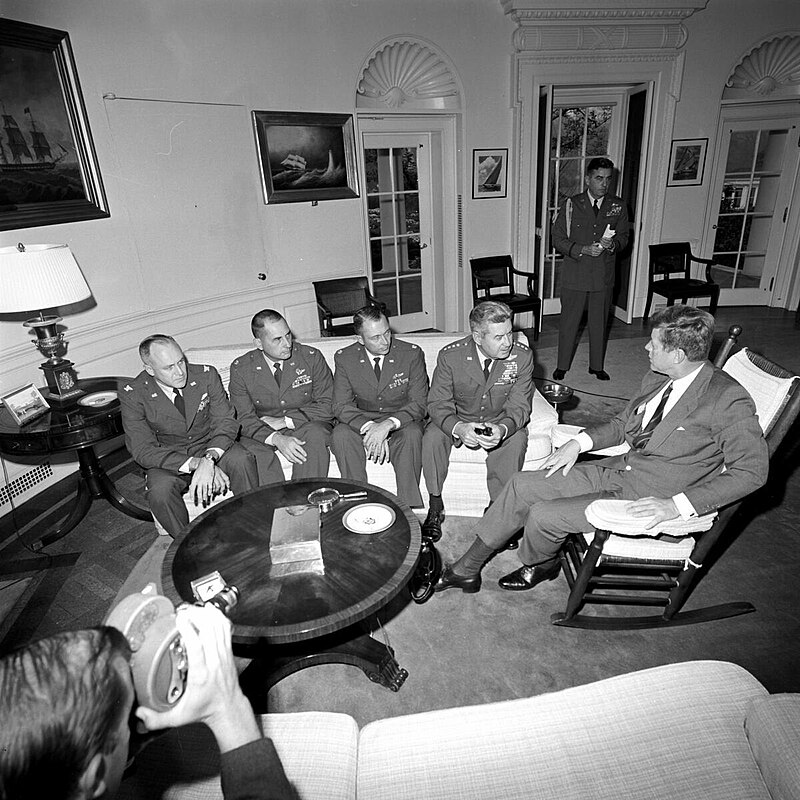
In October 1962, the world faced the Cuban Missile Crisis. U.S. spy planes found Soviet nuclear missiles in Cuba. The discovery put the U.S. and the Soviet Union on the brink of nuclear war.
President John F. Kennedy had to act fast. He held secret meetings with his advisors and considered many options. The goal was to remove the missiles without causing a war.
Kennedy decided on a naval blockade of Cuba. He called it a “quarantine” to avoid the more aggressive term “blockade.” This move aimed to stop more missiles from reaching Cuba.
On October 22, 1962, Kennedy addressed the nation. He informed the public about the missiles and the quarantine. This televised speech was watched by millions and was a critical moment in the crisis.
For thirteen days, tensions were high. Both sides were on edge, but they continued to negotiate. Eventually, a deal was reached. The Soviet Union agreed to remove the missiles from Cuba. In return, the U.S. promised not to invade Cuba.
The Cuban Missile Crisis ended peacefully, thanks to careful diplomacy and Kennedy’s leadership. This moment in the Oval Office marked a significant event in Cold War history.
3) The Watergate Scandal – Richard Nixon
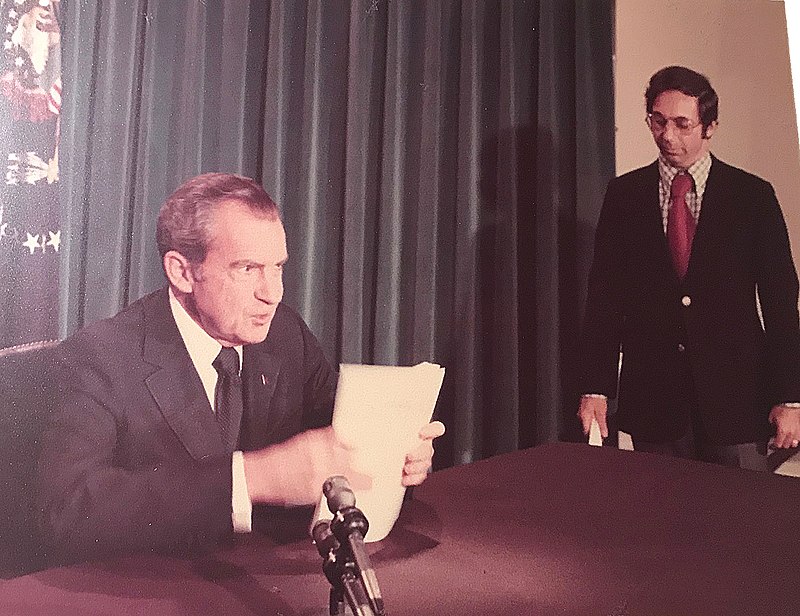
The Watergate scandal started on June 17, 1972, when five men were arrested for breaking into the Democratic National Committee headquarters. The office was located in the Watergate complex in Washington, D.C. This event began a series of political dramas that shook the nation.
President Richard Nixon’s administration tried to cover up its involvement in the break-in. This included efforts to obstruct the investigation and to pay off those involved. The scandal grew as more details came to light, leading to public outrage and intense media scrutiny.
Key aides to Nixon, including John Ehrlichman and H.R. Haldeman, resigned on April 30, 1973. Nixon also fired White House counsel John Dean. Dean later testified against Nixon, revealing more about the administration’s attempts to cover up the scandal.
The famous figure known as “Deep Throat” helped reporters Bob Woodward and Carl Bernstein uncover critical information. This source was later revealed to be FBI Associate Director Mark Felt. Their reporting played a major role in bringing the scandal to light.
On August 8, 1974, facing impeachment and loss of political support, Nixon announced his resignation. He was the first U.S. President to do so. The next day, Vice President Gerald Ford was sworn in as President. The Watergate scandal had a lasting impact on American politics and public trust in the government.
4) The Signing of the Civil Rights Act – Lyndon B. Johnson
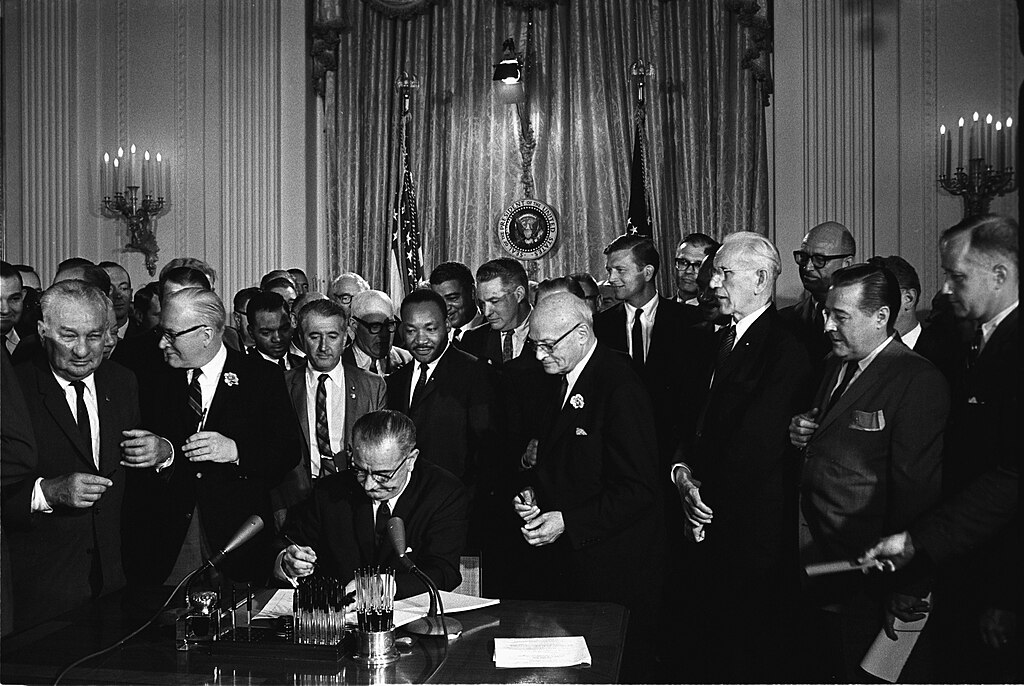
On July 2, 1964, a defining moment took place in the Oval Office. President Lyndon B. Johnson signed the Civil Rights Act into law. The event was televised nationwide, marking a significant step in U.S. history.
This act aimed to end segregation in public places such as restaurants and theaters. It also banned employment discrimination on the basis of race, color, religion, sex, or national origin.
While President John F. Kennedy first proposed the bill, it was Johnson who pushed it through Congress. Just five days after Kennedy’s assassination, Johnson addressed Congress, urging them to act swiftly.
Passing the bill was no easy feat. The Senate faced a filibuster, but eventually, they voted 73-27 in favor. This showed Johnson’s determination to ensure equality and justice.
The Civil Rights Act of 1964 remains one of the most significant pieces of legislation in American history. It represented a major victory for the civil rights movement and set the stage for future reforms. President Johnson’s role was pivotal, and his dedication to civil rights is remembered to this day.
5) Monicagate Scandal – Bill Clinton
The Monicagate scandal involved President Bill Clinton and Monica Lewinsky, a White House intern. Their relationship began in 1995 when Clinton was 49 and Lewinsky was 22. The affair lasted until 1997.
In January 1998, the scandal became public knowledge. Clinton famously denied the affair, stating, “I did not have sexual relations with that woman, Miss Lewinsky.”
Lewinsky’s relationship with Clinton led to significant political repercussions. The controversy resulted in Clinton’s impeachment by the House of Representatives in December 1998 on charges of perjury and obstruction of justice.
This scandal marked a pivotal moment in U.S. political history. It highlighted issues of power dynamics and personal conduct within the highest office. The Monicagate scandal remains one of the most well-known and controversial episodes involving a U.S. president.
6) Oval Office Renovation Photos – Harry S. Truman
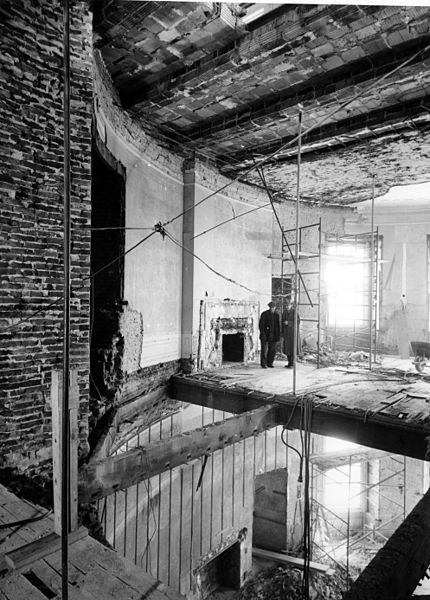
During President Harry S. Truman’s time in office, the White House underwent a major renovation. This renovation took place between 1948 and 1952 and was one of the most extensive in the building’s history. Photos of the Oval Office from this period capture significant changes.
One notable image shows workers standing in the Oval Study above the Blue Room. The floor and north wall were removed to install steel shoring columns. This construction work was crucial for reinforcing the aging structure.
Another photo, taken in August 1950, shows the Oval Office being used by President Truman despite the ongoing construction. He continued to operate from this space, highlighting the resilience and dedication of his administration.
In 1952, President Truman proudly gave the first televised tour of the White House. During this tour, he explained the history and significance of the renovations. This broadcast allowed the public to witness firsthand the transformations that were taking place in the nation’s most iconic residence.
7) Reagan’s Speech to Tear Down the Berlin Wall – Ronald Reagan

On June 12, 1987, President Ronald Reagan addressed a large crowd in West Berlin. Standing in front of the Brandenburg Gate, he spoke directly to Soviet leader Mikhail Gorbachev. His famous words, “Mr. Gorbachev, tear down this wall,” echoed through the divided city.
The Berlin Wall had been erected in 1961 by the Communist government of East Germany. It stood as a symbol of the Cold War, separating East and West Berlin. Reagan’s call for the wall’s removal was bold and clear.
This speech marked a significant moment in the fight against communism. It gave hope to those living under oppressive regimes and signaled a strong stance from the United States. Many believe that Reagan’s direct challenge played a role in the eventual fall of the Berlin Wall in 1989.
Reagan’s speech is remembered as a defining moment of his presidency. His words demonstrated a commitment to freedom and a firm opposition to tyranny. This powerful message continues to be celebrated as a turning point in the Cold War.
8) Camp David Accords Signing – Jimmy Carter
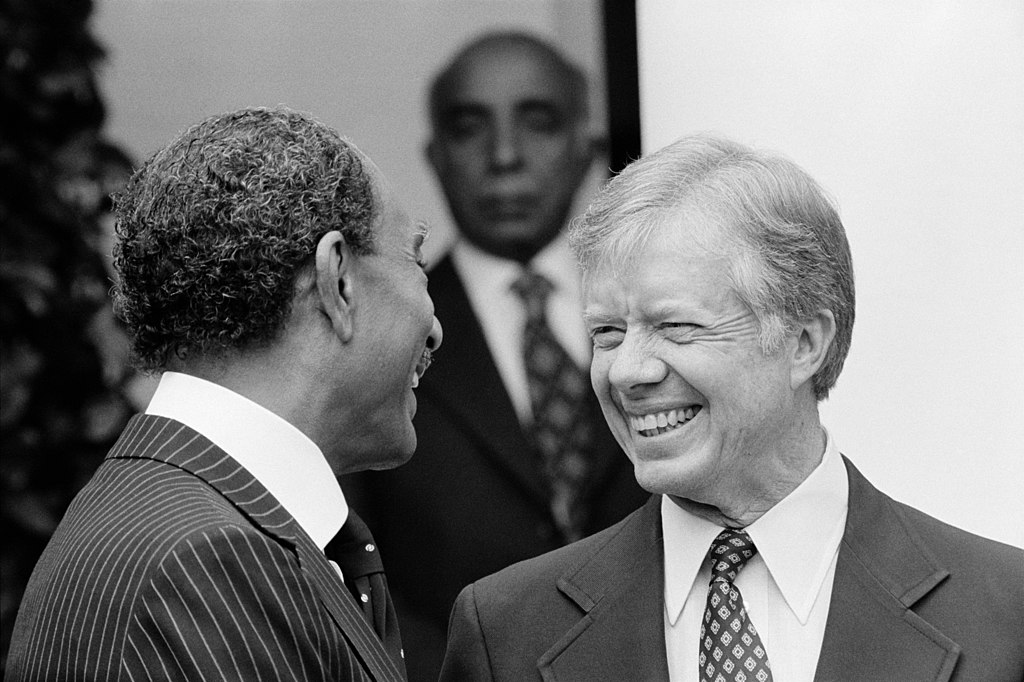
In September 1978, President Jimmy Carter orchestrated a historic peace agreement known as the Camp David Accords. He invited Egyptian President Anwar Sadat and Israeli Prime Minister Menachem Begin to the presidential retreat at Camp David, Maryland.
For 12 days, the leaders engaged in intense, high-stakes negotiations. Carter played a crucial role as mediator, working tirelessly to bridge the gaps between Egypt and Israel.
On September 17, 1978, the Camp David Accords were signed. These agreements laid the groundwork for peace between Egypt and Israel, marking a significant achievement in U.S. diplomacy.
The signing of the Accords was a landmark moment, demonstrating Carter’s commitment to peace in the Middle East. This event stands out as one of the key foreign policy successes during his presidency.
9) The Lewinsky Testimony – Bill Clinton
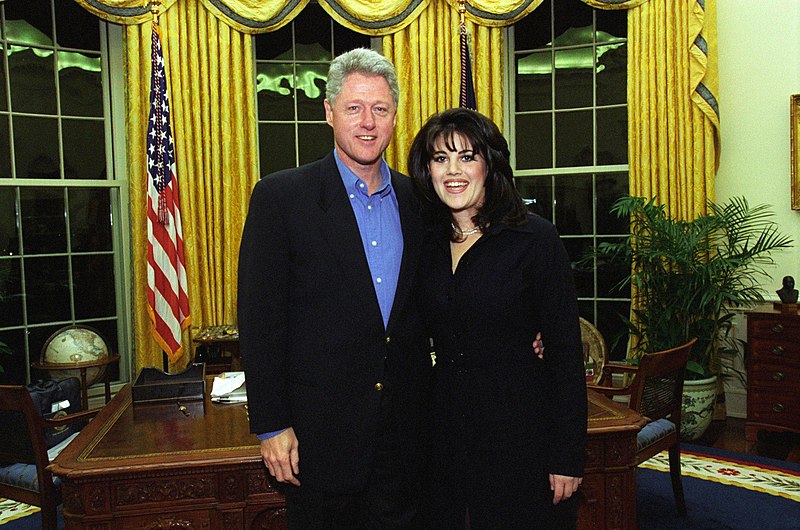
In the late 1990s, the Oval Office witnessed a significant event involving President Bill Clinton and Monica Lewinsky. She was a White House intern, and their relationship began in 1995, lasting for about 18 months.
The affair became public in early 1998 and led to a grand jury investigation. Lewinsky’s testimony was crucial in the proceedings. She provided detailed accounts of her interactions with Clinton.
President Clinton initially denied the relationship in a famous televised speech, stating, “I did not have sexual relations with that woman.” He later admitted to inappropriate behavior.
On August 17, 1998, Clinton testified before the grand jury. His admission of the affair and attempts to cover it up contributed to his impeachment by the House of Representatives.
The scandal was a major historical event for the Oval Office. It highlighted issues of personal conduct and accountability at the highest levels of government. Clinton was eventually acquitted by the Senate and completed his term in office.
10) FDR’s Fireside Chats – Franklin D. Roosevelt
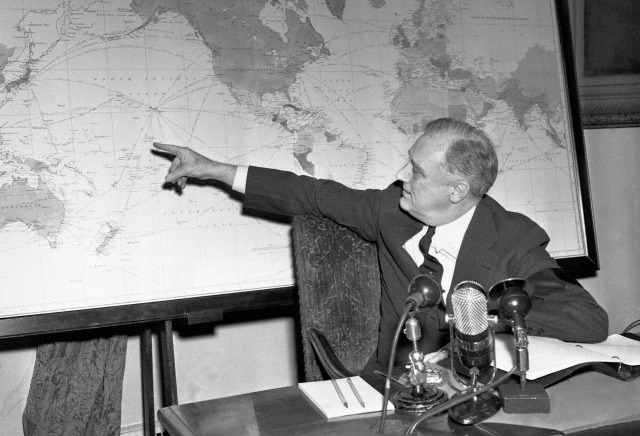
Franklin D. Roosevelt’s Fireside Chats were a series of radio addresses delivered between 1933 and 1944.
Roosevelt used these chats to communicate directly with American citizens during challenging times, including the Great Depression and World War II. He discussed various topics, such as the banking crisis, the New Deal, and wartime efforts.
These talks aimed to reassure the public and build trust in the government. Roosevelt’s warm and conversational style made listeners feel he was speaking directly to them.
By addressing the nation in this manner, he effectively calmed fears and provided a sense of stability. This method of communication was unprecedented for its time and had a lasting impact on American politics.
The Fireside Chats are often remembered for their role in transforming presidential communication. Roosevelt’s approach set a new standard for how leaders could connect with their people.
This unique form of outreach helped solidify his bond with Americans and is still studied today as a powerful example of effective leadership.