

The 1940s were a vibrant time for music. The world was in the midst of World War II, and music played a key role in boosting morale. Big band, swing, and jazz were the popular genres of the time. Many talented artists emerged during this decade. Their music left a lasting impact. This article will explore the top musical acts of the 1940s. We’ll look at their contributions and how they shaped the music of the era.
The Big Band Era
The Big Band Era was a defining period in the 1940s music scene. Large orchestras, known as big bands, played lively swing music that captivated audiences. This era saw the rise of several legendary bandleaders and musicians. They created timeless music and played a significant role in shaping the sounds of the decade. Here are three of the most influential figures in this era:
Glenn Miller
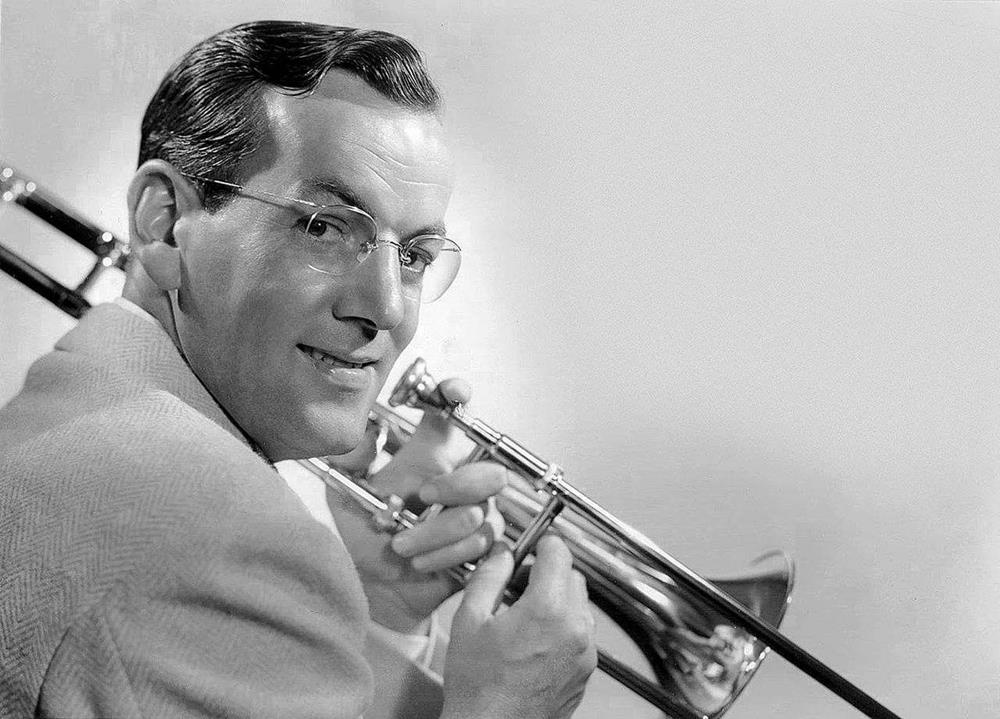
Glenn Miller was born on March 1, 1904, in Clarinda, Iowa. He became one of the most famous bandleaders of the 1940s. Miller played the trombone and led his own big band. Some of his major hits include “In the Mood” and “Moonlight Serenade.” These songs became iconic and are still popular today.
During World War II, Miller enlisted in the U.S. Army. He formed the Army Air Force Band and performed for the troops. His music helped boost morale among soldiers. Tragically, Miller disappeared in 1944 while flying to entertain troops in France.
Benny Goodman
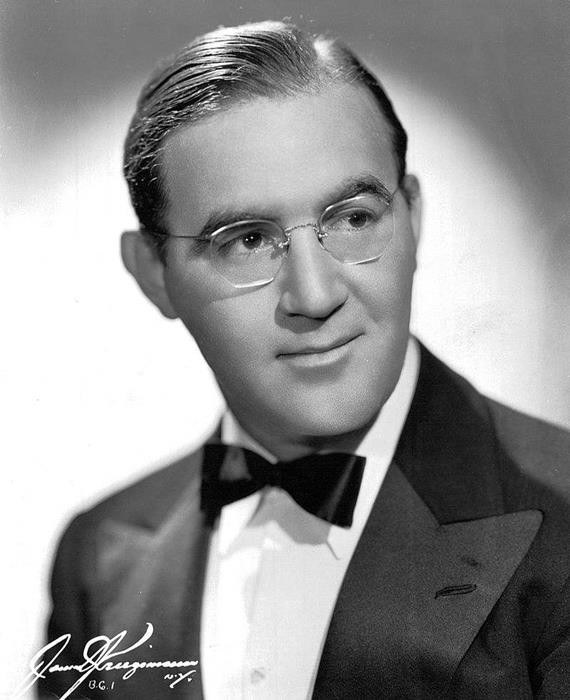
Benny Goodman was born on May 30, 1909, in Chicago, Illinois. Known as the “King of Swing,” he was a clarinetist and bandleader. Goodman was a pivotal figure in the swing era. Goodman’s major hits include “Sing, Sing, Sing” and “Let’s Dance.” These tracks showcased his incredible talent and helped popularize swing music.
Goodman played a key role in integrating jazz and swing. He broke racial barriers by hiring African American musicians to play in his band. This was a significant step toward racial integration in the music industry.
Duke Ellington
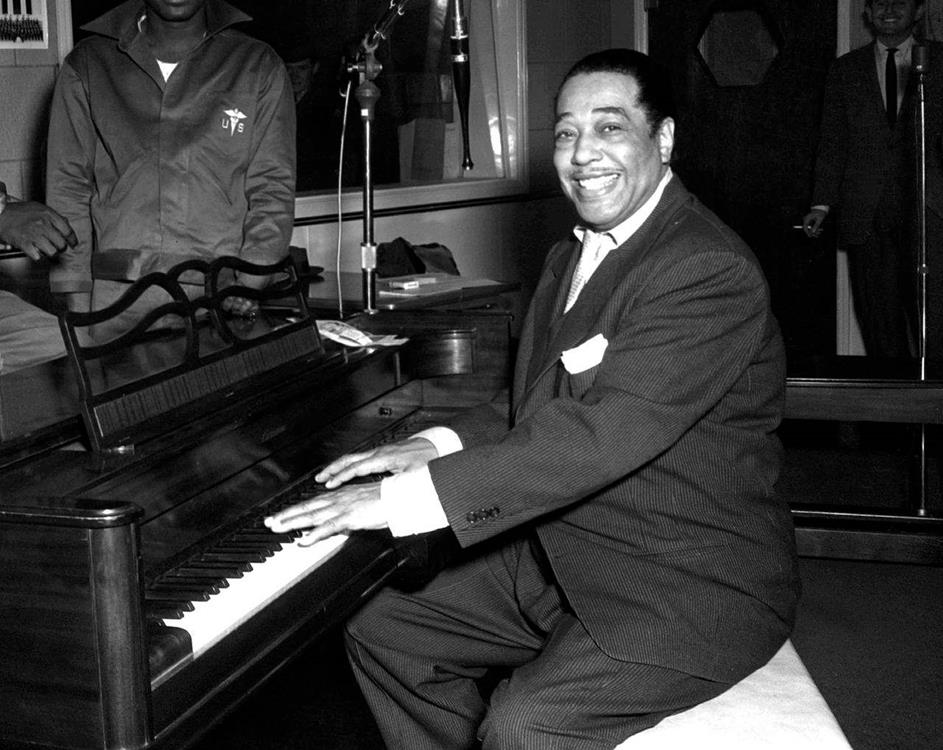
Duke Ellington was born on April 29, 1899, in Washington, D.C. He was a composer, pianist, and bandleader. Ellington’s career spanned more than 50 years, and he became a jazz legend. Ellington’s major hits include “Take the ‘A’ Train” and “It Don’t Mean a Thing (If It Ain’t Got That Swing).” His music was innovative and influential.
Ellington’s influence on jazz and the broader music landscape was profound. He composed thousands of pieces, blending various musical styles. His work paved the way for future jazz musicians and left an indelible mark on American music.
Iconic Vocalists
The 1940s were not only known for their big bands but also for their iconic vocalists. These singers captivated audiences with their powerful voices and memorable performances. They became symbols of hope and resilience during a challenging decade.
Frank Sinatra
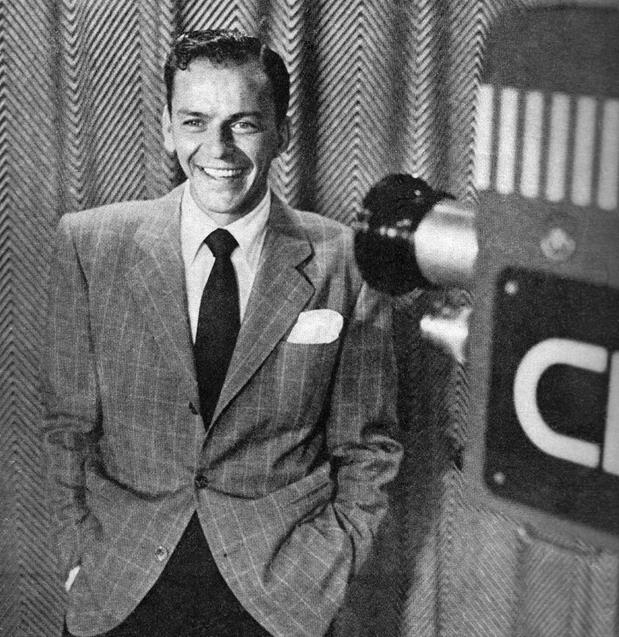
Frank Sinatra was born on December 12, 1915, in Hoboken, New Jersey. He became one of the most famous and influential singers of the 20th century. Sinatra started his career as a crooner in the swing era and later became a successful solo artist. Some of his signature songs from the 1940s include “I’ll Never Smile Again,” “Night and Day,” and “All or Nothing at All.” These songs helped establish him as a major star.
Sinatra’s smooth voice and emotive style influenced both pop and jazz music. He set new standards for vocal performance and became a cultural icon. His work in the 1940s laid the foundation for his enduring legacy.
The Andrew Sisters
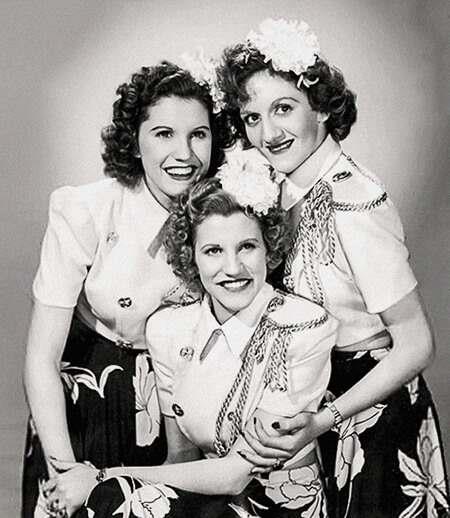
The Andrews Sisters were a close harmony singing group consisting of three sisters: LaVerne, Maxene, and Patty. They were born in Minnesota and began their career in the late 1930s. They became one of the best-selling female vocal groups of all time. Their major hits include “Boogie Woogie Bugle Boy,” “Don’t Sit Under the Apple Tree,” and “Rum and Coca-Cola.” These songs were widely popular and remain classics.
The Andrews Sisters played a significant role in boosting troop morale during World War II. They performed for soldiers at USO shows and recorded numerous V-Discs. Their upbeat and patriotic songs provided comfort and entertainment to the troops.
Influential Jazz Musicians
The 1940s were a golden age for jazz, marked by the emergence of several groundbreaking musicians. These artists pushed the boundaries of jazz, infusing it with emotion and innovation.
Billie Holiday
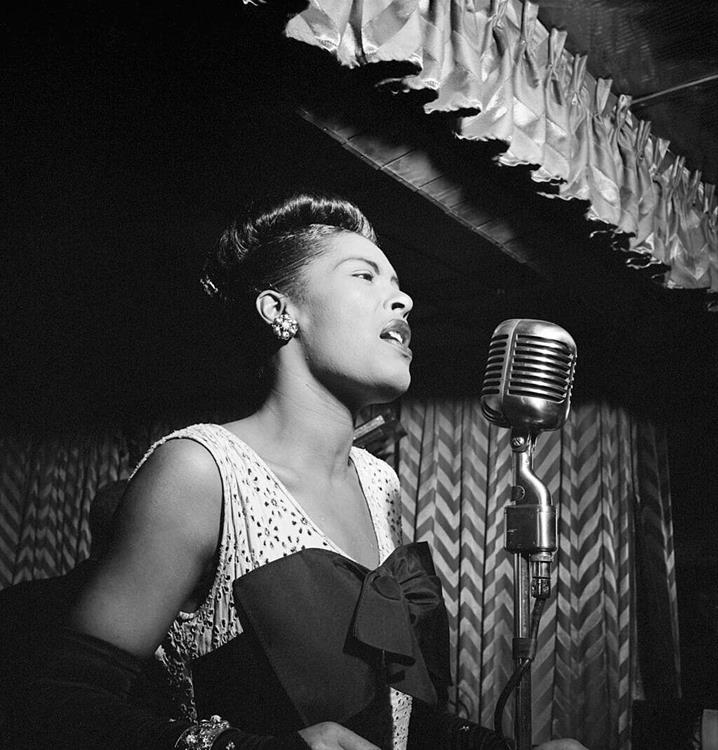
Billie Holiday was born on April 7, 1915, in Philadelphia, Pennsylvania. She is widely regarded as one of the greatest jazz vocalists of all time. Known for her emotive voice and unique phrasing, Holiday’s career began in the 1930s and flourished in the 1940s. Some of Billie Holiday’s signature songs include “Strange Fruit,” “God Bless the Child,” and “Lover Man.” These songs not only showcased her vocal talent but also addressed social issues, particularly “Strange Fruit,” which is a haunting protest against lynching.
Holiday’s impact on jazz is profound. She brought a deep emotional intensity to her performances, influencing countless artists. Additionally, her song “Strange Fruit” made a powerful statement about racial injustice, linking her legacy to the civil rights movement.
Ella Fitzgerald
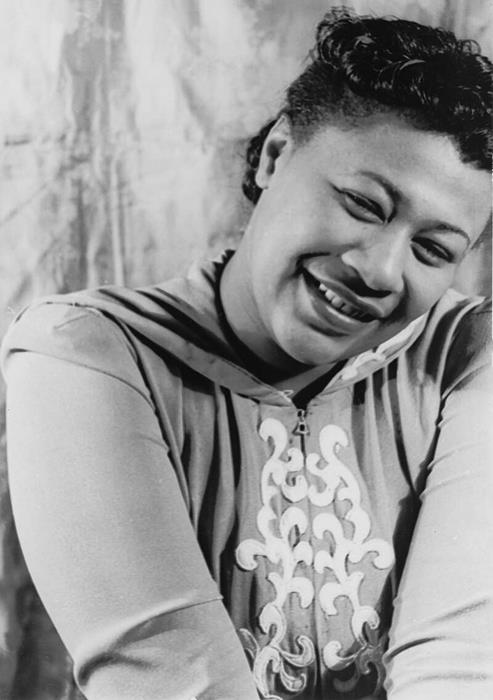
Ella Fitzgerald, known as the “First Lady of Song,” was born on April 25, 1917, in Newport News, Virginia. She started her career in the mid-1930s and quickly rose to fame with her wide vocal range and impeccable technique. Her major hits from the 1940s include “A-Tisket, A-Tasket,” “How High the Moon,” and “Undecided.” Her ability to interpret the Great American Songbook set her apart as one of the greatest jazz singers.
Fitzgerald’s contributions to jazz are immense. She popularized scat singing and brought a new level of sophistication to jazz vocals. Her recordings of the Great American Songbook have become definitive interpretations, influencing generations of singers. For more information on swing and jazz as popular music genres of the 1940s, check out our article, What Were the Hottest Pop Culture Trends of the 40s?
Other Notable Musical Acts of the 1940s
While big bands and iconic vocalists dominated the music scene, there were many other notable acts in the 1940s that made significant contributions to the era’s rich musical landscape. These artists brought unique styles and unforgettable songs that have stood the test of time.
Nat King Cole
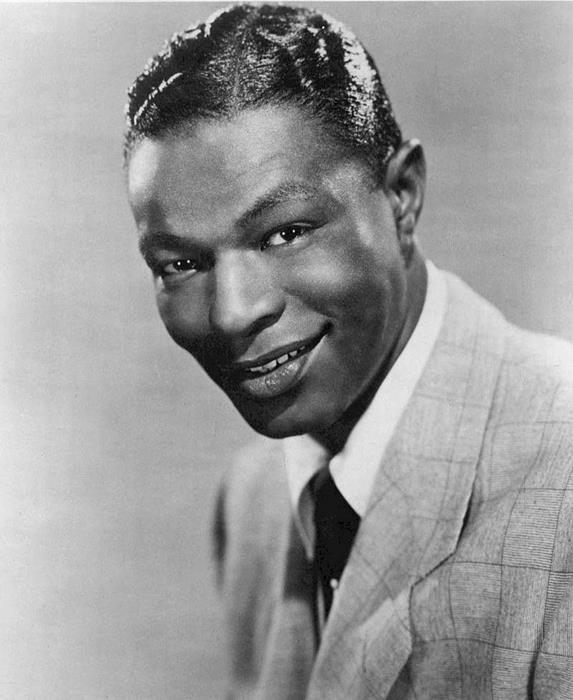
Nat King Cole was born on March 17, 1919, in Montgomery, Alabama. He began his career as a jazz pianist but soon gained fame as a smooth and charismatic vocalist. Cole’s major hits from the 1940s include “Straighten Up and Fly Right,” “Nature Boy,” and “Mona Lisa.” These songs showcased his silky voice and unique style.
Nat King Cole’s success paved the way for future African American artists in mainstream music. His transition from jazz to pop set a precedent, and his influence can be seen in the works of many later artists.
Bing Crosby
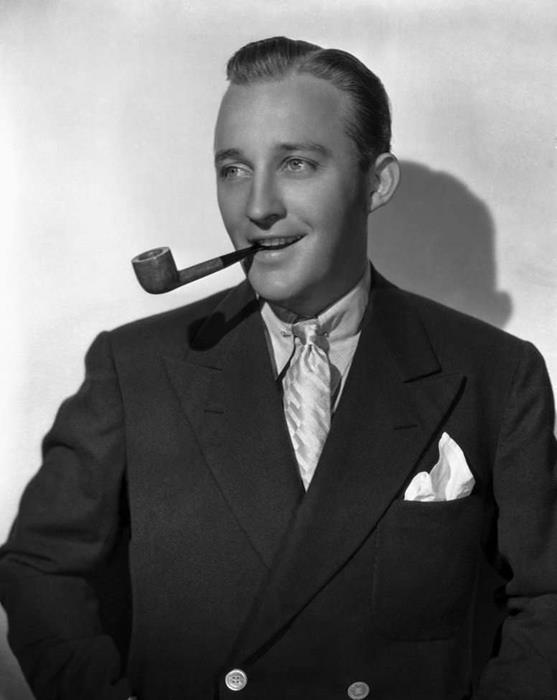
Bing Crosby was born on May 3, 1903, in Tacoma, Washington. He was one of the best-selling recording artists of the 20th century and a prominent figure in radio, film, and television. Crosby’s major hits include “White Christmas,” “Swinging on a Star,” and “Don’t Fence Me In.” His rendition of “White Christmas” remains one of the best-selling singles of all time.
Crosby’s warm, baritone voice and relaxed style made him a beloved figure. He played a significant role in popularizing crooning and had a major impact on the entertainment industry, including pioneering the use of magnetic tape for recording.
Louis Jordan
Louis Jordan was born on July 8, 1908, in Brinkley, Arkansas. Known as the “King of the Jukebox,” he was a pioneering figure in the development of rhythm and blues. Jordan’s major hits include “Caldonia,” “Choo Choo Ch’Boogie,” and “Saturday Night Fish Fry.” His upbeat and humorous songs were extremely popular during the 1940s.
Louis Jordan’s work bridged the gap between jazz and rock and roll. His energetic performances and innovative style influenced a wide range of artists and genres, contributing to the evolution of modern music.
The Legacy of 1940s Music

The enduring popularity of 1940s music, coupled with its cultural and historical significance, ensures that this era will always hold a special place in the history of music.
Influence on Future Musical Genres
The 1940s were instrumental in shaping several musical genres. Big band and swing music laid the groundwork for the development of rhythm and blues, which eventually led to the birth of rock and roll in the 1950s. Jazz musicians of the 1940s, like Duke Ellington and Billie Holiday, pushed the boundaries of the genre, leading to the emergence of bebop and modern jazz in the subsequent decades.
Continued Popularity of 1940s Music
Even today, the music of the 1940s remains popular. Songs from this era are frequently covered by contemporary artists, and classic recordings continue to be enjoyed by new generations. The timeless appeal of artists like Frank Sinatra, Glenn Miller, and The Andrews Sisters ensures that their music is still heard in movies, television shows, and commercials.
Cultural and Historical Significance
The 1940s music scene was deeply intertwined with the social and political climate of the time. During World War II, music served as a source of comfort and morale for both soldiers and civilians. Songs like “Boogie Woogie Bugle Boy” and “White Christmas” became symbols of the era, reflecting the sentiments and experiences of those living through the war.
Lasting Impact on Music Industry Practices
The 1940s also saw significant advancements in music industry practices. The use of radio and recordings became more widespread, allowing artists to reach larger audiences than ever before. This period marked the beginning of the modern music industry, with the rise of influential record labels and the standardization of recording techniques.
Conclusion
The music of the 1940s has left a lasting mark on the world. It was a hard time because of World War II, so people needed to be entertained. There were artists who changed the music industry in this era. Big bands, jazz musicians, and iconic singers from this time created songs that are still loved today. Their music influenced many future styles and brought joy during difficult times. The legacy of 1940s music continues to inspire and entertain people around the world.