

Broadway has seen many musicals, but some stand out as truly unforgettable. It could be the catchy songs, the relatable stories, the talented casts, or the impressive production values that make these shows special—or maybe it’s a mix of everything.
Here are some of the most well-loved Broadway musicals, the ones that have made a lasting impact and helped shape the world of Broadway.
The Phantom of the Opera
The Phantom of the Opera is the longest-running musical in Broadway history. It premiered in 1988 and has become a symbol of Broadway’s enduring appeal. The show tells the story of a mysterious, disfigured man who haunts the Paris Opera House, developing an obsession with a young soprano named Christine Daaé.
Key Themes:
The Phantom of the Opera blends romance, mystery, and tragedy. The Phantom’s unrequited love for Christine drives the emotional core of the story, while the intrigue surrounding his hidden existence adds a layer of suspense. The themes of beauty, loneliness, and love that can’t be are central to its dramatic appeal.
Music:
Andrew Lloyd Webber’s haunting score is one of the most iconic elements of The Phantom of the Opera. The music perfectly complements the show’s gothic atmosphere, creating an emotional experience for audiences. From the sweeping ballads to the eerie instrumental interludes, the music plays a significant role in the show’s timeless success.
Notable Songs:
The musical is packed with unforgettable numbers, including “The Music of the Night,” where the Phantom expresses his deep emotions to Christine, and “All I Ask of You,” a tender duet between Christine and her suitor Raoul. These songs, among others, have become classics in musical theater and continue to be beloved by audiences worldwide.
Hamilton
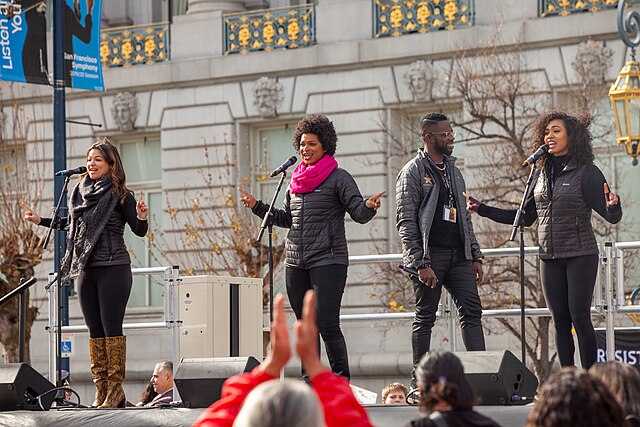
Hamilton revolutionized Broadway by seamlessly blending hip-hop, R&B, and traditional musical theater. It premiered in 2015 and quickly became a cultural phenomenon. It brought history to life in a fresh and modern way. It was written by Lin-Manuel and tells the story of Alexander Hamilton, one of America’s Founding Fathers, with a diverse cast and innovative musical approach.
Key Themes:
The musical explores the life of Alexander Hamilton, from his humble beginnings as an immigrant to his rise as a key figure in the founding of the United States. Key themes include ambition, legacy, politics, and the challenges of leadership. It also touches on larger themes of revolution, nation-building, and personal sacrifice, offering a dynamic portrayal of historical events with contemporary relevance.
Music:
The show’s groundbreaking score, composed by Lin-Manuel Miranda, fuses various genres like hip-hop, R&B, and Broadway-style ballads. This unique musical style has helped Hamilton appeal to a wide audience, breaking traditional boundaries in theater. The fast-paced, rhythm-driven songs tell Hamilton’s story in a way that feels both modern and timeless, engaging new generations of theatergoers.
Notable Songs:
The musical is packed with memorable songs that capture the essence of its themes and characters. “My Shot” is an anthem of ambition and determination, embodying Hamilton’s drive to make his mark on history. “The Room Where It Happens” delves into the behind-the-scenes political maneuvering that shaped the early days of America, showcasing the power dynamics at play. Both songs, along with many others, have become iconic parts of Hamilton’s lasting impact.
The Producers
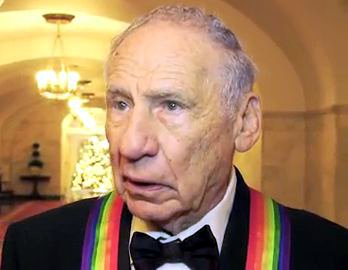
This is a Mel Brooks comedy that hilariously pokes fun at Broadway and the theater industry. It was originally a 1967 film adapted into a smash-hit musical in 2001. The story follows a down-on-his-luck Broadway producer, Max Bialystock, and a timid accountant, Leo Bloom, who hatch a scheme to produce the worst musical ever made to profit off its failure. Their outrageous plan backfires in the most comedic way possible.
Key Themes:
The Producers is a satire of the theater world, filled with exaggerated characters and absurd situations. It explores themes of greed, ambition, and failure, all through a comedic lens. The show humorously critiques the lengths people will go to for success, while also celebrating the eccentricities and excesses of show business.
Music:
The musical features a mix of traditional show tunes and comedic numbers that reflect the over-the-top nature of the story. Mel Brooks’ wit shines through in the lyrics, with each song contributing to the humor and absurdity of the plot. The music blends classic Broadway styles with tongue-in-cheek humor, keeping the audience entertained from start to finish.
Notable Songs:
“Springtime for Hitler” is the show’s most infamous number, a wildly inappropriate and comical song from the musical within the musical. It highlights the absurdity of the producers’ failed scheme. “I Wanna Be a Producer” is another standout, where Leo Bloom dreams of leaving his dull life behind to join the glamorous (but chaotic) world of Broadway. These songs are perfect examples of the show’s clever mix of satire and humor.
The Book of Mormon
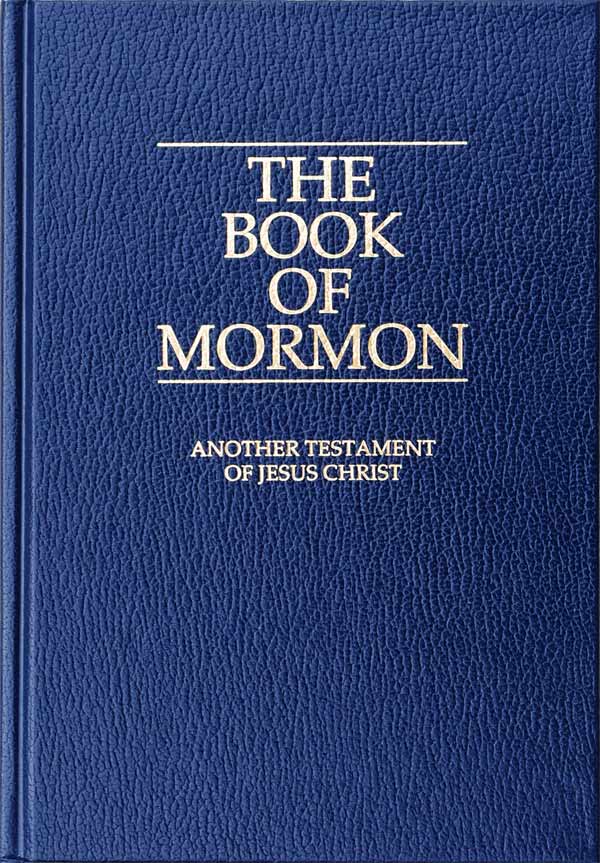
The Book of Mormon is a wildly popular musical created by Trey Parker and Matt Stone, the minds behind South Park, along with composer Robert Lopez. The show premiered in 2011. It takes a humorous look at religion through the story of two young Mormon missionaries sent to Uganda. The musical blends sharp wit with heart, delivering laughs while addressing deeper themes of belief and cultural differences.
Key Themes:
The Book of Mormon explores themes of faith, belief, and the clash between different cultures. It examines how religious ideas are interpreted and adapted in different environments, often with comedic results. The show humorously highlights the innocence and naiveté of the missionaries while also shedding light on the struggles faced by the Ugandan villagers they seek to convert. Underneath the laughs, the show asks serious questions about faith, hope, and human resilience.
Music:
The musical’s score features catchy and humorous songs with a satirical edge, combining upbeat show tunes with the creators’ signature comedic style. The music helps drive the humor of the show while also providing insight into the characters’ hopes and challenges. Each song is cleverly crafted to poke fun at religious and cultural tropes but with an underlying charm that makes it more than just a parody.
Notable Songs:
“I Believe” is a key song where Elder Price, one of the missionaries, defiantly reaffirms his faith in the face of overwhelming odds, blending humor with earnestness. “Hello” serves as the upbeat introduction, where the enthusiastic missionaries set out to share their beliefs, introducing the audience to the lighthearted but sharp tone of the musical. Both songs are perfect examples of how The Book of Mormon balances satire with a genuine sense of fun.
Les Misérables
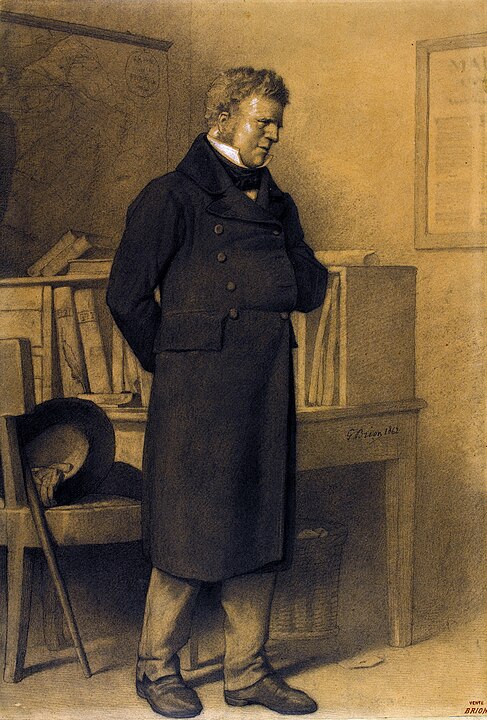
This is one of the most beloved and enduring musicals of all time. Based on Victor Hugo’s novel, the show premiered in 1985 and tells the story of redemption, revolution, and human struggle in 19th-century France. Its epic scope, powerful music, and rich characters have made it a staple in musical theater history.
Key Themes:
The musical deals with major themes such as justice, redemption, love, and the fight for freedom. It follows the journey of ex-convict Jean Valjean as he seeks to escape his past and find a new life, all while being pursued by the relentless Inspector Javert. The backdrop of the French Revolution amplifies the themes of social change, sacrifice, and hope.
Music:
The music of Les Misérables is grand and sweeping, with emotionally charged ballads and rousing anthems that bring the story’s struggles and triumphs to life. Its score, composed by Claude-Michel Schönberg, includes some of the most famous and recognizable songs in musical theater.
Notable Songs:
“I Dreamed a Dream” is a heartbreaking ballad sung by the character Fantine, expressing despair and loss. “Do You Hear the People Sing?” is a powerful anthem of revolution, reflecting the characters’ desire for freedom and change. Both songs encapsulate the emotional and dramatic core of the musical.
West Side Story
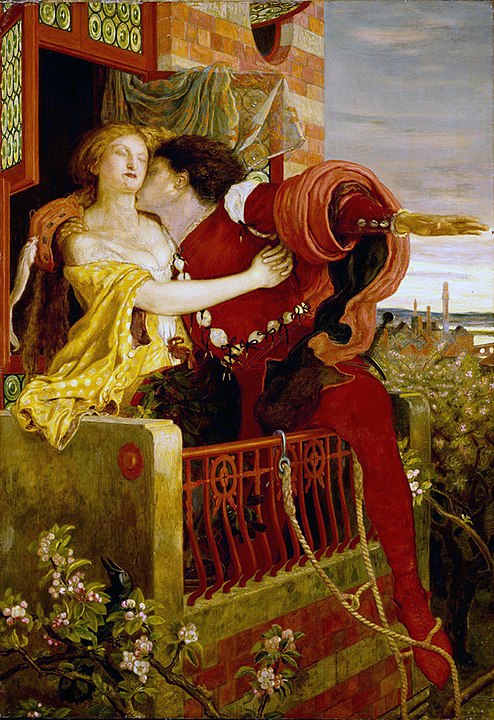
West Side Story is a modern retelling of Shakespeare’s Romeo and Juliet set in 1950s New York City. Premiering in 1957, the musical focuses on the rivalry between two street gangs, the Jets and the Sharks, and the love story between Tony and Maria, who come from opposite sides of the conflict.
Key Themes:
The musical explores themes of love, prejudice, and violence. It addresses the struggles of identity and belonging in an urban environment where different ethnic groups clash. The story’s central focus on love amidst conflict is timeless, while its portrayal of gang violence and cultural tension remains relevant.
Music:
With music by Leonard Bernstein and lyrics by Stephen Sondheim, West Side Story features a mix of Latin-inspired rhythms and classic Broadway styles. The choreography, designed by Jerome Robbins, is also an integral part of the show, blending dance with storytelling in a powerful way.
Notable Songs:
“Tonight” is a beautiful duet between Tony and Maria, expressing their hope for a future together despite the chaos around them. “America” is an energetic and humorous number, where the Puerto Rican characters debate the pros and cons of life in the United States. Both songs have become iconic pieces of Broadway history.
Wicked
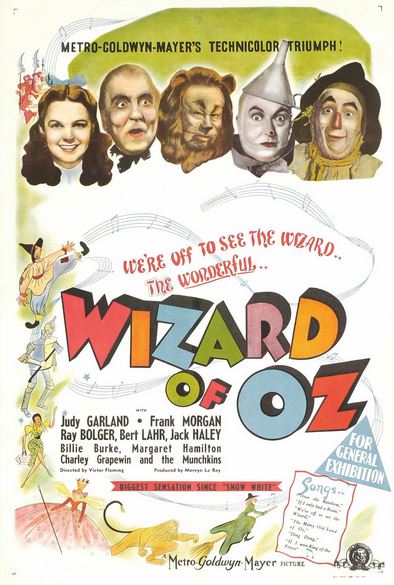
Wicked debuted in 2003. It is a reimagining of The Wizard of Oz from the perspective of the witches. It tells the story of Elphaba, the misunderstood green-skinned girl who becomes the Wicked Witch of the West, and her complex relationship with Glinda, the Good Witch.
Key Themes:
The musical explores themes of friendship, identity, and the nature of good and evil. It delves into the idea that people are often judged based on appearances or preconceived notions and that the line between good and evil is not always clear. At its heart, Wicked is about self-acceptance and standing up for what you believe in, even when the world is against you.
Music:
Stephen Schwartz’s score is filled with powerful ballads and upbeat show tunes that have become modern classics. The music captures the emotional depth of the characters while also adding to the fantastical world of Oz.
Notable Songs:
“Defying Gravity” is a show-stopping number where Elphaba decides to embrace her true self and rise above those who have judged her. “Popular” is a lighter, comedic song in which Glinda attempts to give Elphaba a makeover, reflecting the differences between the two characters. Both songs have become synonymous with the musical’s enduring appeal.
Chicago
This is a satirical musical that debuted in 1975, set in the 1920s and focusing on crime, scandal, and the quest for fame. The story follows two women, Roxie Hart and Velma Kelly, who are both accused of murder and use the media to turn their trials into sensational stories.
Key Themes:
The musical explores themes of corruption, fame, and the dark side of the justice system. It critiques how the media glamorizes criminals and how people will do anything for the spotlight. Chicago portrays a world where morality is flexible, and public opinion can be easily manipulated.
Music:
With music by John Kander and lyrics by Fred Ebb, the show is infused with a jazzy, vaudeville style that captures the spirit of the Roaring Twenties. The music is bold, brassy, and full of energy, reflecting the larger-than-life personalities of the characters.
Notable Songs:
“All That Jazz” is an iconic opening number that sets the tone for the musical’s glitzy yet cynical look at showbiz and crime. “Cell Block Tango” is a darkly humorous song where the female prisoners share their stories of how they ended up behind bars. Both songs are fan favorites and key to the show’s enduring popularity.
The Lion King
The Lion King is a stage adaptation of the beloved Disney animated film, and it premiered on Broadway in 1997. Set in the African savanna, it tells the story of Simba, a young lion cub who must overcome adversity to reclaim his place as king. The show is renowned for its stunning visuals, innovative puppetry, and costumes that bring the animal kingdom to life.
Key Themes:
The musical focuses on themes of family, identity, and the cycle of life. It explores Simba’s journey from a carefree cub to a responsible leader, along with the universal themes of loss, growth, and the importance of community.
Music:
The music, composed by Elton John and lyrics by Tim Rice, combines familiar songs from the original film with new African-inspired compositions. The score is vibrant and uplifting, blending traditional rhythms with contemporary musical styles.
Notable Songs:
“Circle of Life” is a breathtaking opening number that sets the stage for the story’s focus on the continuity of life and nature. “Hakuna Matata” is a lighthearted song that captures Simba’s carefree life with his friends Timon and Pumbaa. Both songs are integral to the musical’s charm and success.
Fiddler on the Roof
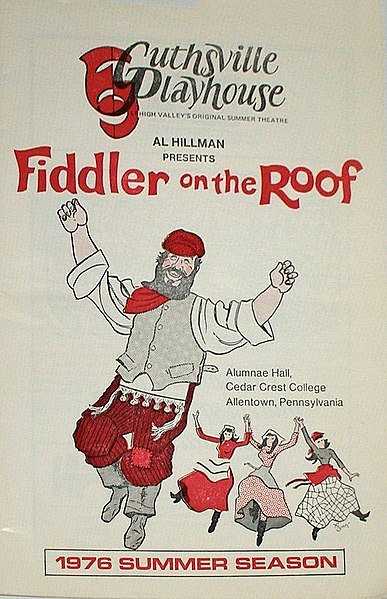
This musical premiered in 1964. It tells the story of Tevye, a poor Jewish milkman in the Russian village of Anatevka, who grapples with the challenge of maintaining his traditions in the face of social change. The musical is set in the early 20th century as political and cultural shifts begin to affect Tevye’s family and community.
Key Themes:
The musical explores themes of tradition, family, and change. It focuses on Tevye’s struggle to preserve his cultural and religious customs as his daughters grow up and challenge the old ways. The show deals with issues of identity, generational conflict, and the difficulties of adapting to a changing world.
Music:
The music, composed by Jerry Bock with lyrics by Sheldon Harnick, is rich with cultural influences and emotional depth. The songs reflect the central theme of tradition and Tevye’s internal battles as he tries to reconcile the old with the new.
Notable Songs:
“If I Were a Rich Man” is Tevye’s iconic solo, expressing his dreams of a better life. “Sunrise, Sunset” is a poignant song that reflects on the passage of time and the bittersweet nature of watching children grow up. Both songs have become timeless pieces of musical theater, beloved by audiences worldwide.
Rent
Rent, which debuted on Broadway in 1996, is a rock musical that explores life, love, and struggle in New York City’s East Village during the AIDS crisis of the late 1980s and early 1990s. Based loosely on Puccini’s opera La Bohème, the musical follows a group of young artists and friends as they navigate relationships, poverty, and illness.
Key Themes:
The central themes of Rent include friendship, creativity, survival, and love in the face of adversity. The show delves into the struggles of living with AIDS, as well as the broader difficulties faced by a generation trying to find meaning and purpose while grappling with hardship. It also celebrates the idea of living life to its fullest despite the challenges one may face.
Music:
Jonathan Larson’s rock-influenced score is raw, emotional, and energetic, capturing the spirit of rebellion and resilience of its characters. The music incorporates various styles, including rock, pop, and ballads, giving the show a unique sound that sets it apart from traditional musicals.
Notable Songs:
“Seasons of Love” is one of the show’s most recognizable songs, reflecting on the passage of time and the importance of love. “La Vie Bohème” is an upbeat anthem celebrating the bohemian lifestyle, filled with energy and defiance. Both songs highlight the musical’s core themes of love, community, and living in the moment.
Cats

This musical is based on T.S. Eliot’s Old Possum’s Book of Practical Cats. It premiered in 1981 and became one of the longest-running shows in Broadway history. The musical presents a series of whimsical, sometimes poignant stories about different cats attending the Jellicle Ball, where one will be chosen to ascend to the Heaviside Layer and be reborn.
Key Themes:
The show’s primary themes revolve around identity, rebirth, and the passage of time. Each cat has its own unique personality and story, and the musical explores their experiences and desires. The overarching theme of rebirth and second chances gives the show a sense of hope and renewal.
Music:
Andrew Lloyd Webber’s score is a mix of various musical styles, from classical to rock and jazz. The music helps bring to life the different personalities of the cats and creates a playful, imaginative atmosphere.
Notable Songs:
“Memory” is the musical’s most famous number, sung by Grizabella as she reflects on her past glory and dreams of being accepted again. It has become one of the most iconic songs in musical theater. “Jellicle Songs for Jellicle Cats” is a fun, energetic introduction to the Jellicle cats and sets the tone for the musical’s whimsical nature.
Evita
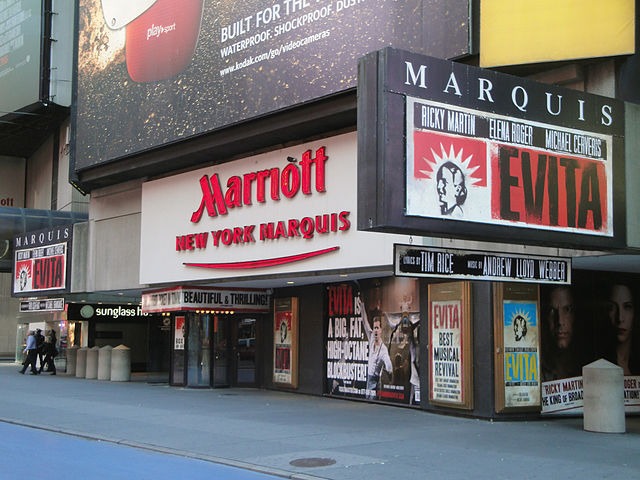
Evita premiered in 1979 and tells the story of Eva Perón, the First Lady of Argentina, who rose from poverty to become one of the most powerful women in her country. The musical, created by Andrew Lloyd Webber and Tim Rice, explores her rise to fame and influence and the complex legacy she left behind.
Key Themes:
The musical focuses on themes of power, ambition, and public perception. It examines Eva Perón’s journey from a poor actress to a political figure beloved by some and criticized by others. The show highlights the impact of image and propaganda, as well as the sacrifices made in the pursuit of power.
Music:
The music blends rock, classical, and Latin influences with powerful ballads and sweeping anthems that reflect the grandeur of Eva’s life. The score drives the emotional intensity of the story and helps convey the complexities of Eva’s character.
Notable Songs:
“Don’t Cry for Me Argentina” is the most iconic song from the show, and it is sung by Eva as she addresses the people of Argentina. The song reflects both her charisma and the dual nature of her public image. “Another Suitcase in Another Hall” is another standout, expressing the sense of transience and uncertainty in Eva’s early life. Both songs capture the emotional depth and dramatic arc of the musical.
Final Thoughts
Broadway has brought to life some of the most memorable musicals, each leaving a lasting impact with their unique stories, music, and performances. From classics like The Phantom of the Opera and Les Misérables to modern hits like Hamilton and The Book of Mormon, these shows have shaped Broadway into what it is today. These iconic productions are sure to entertain and inspire both long-term theater fans and those who are new to the world of musicals.