

Mary Poppins is a musical that has touched the hearts of people around the world. It is based on the famous children’s books by P.L. Travers and the classic 1964 Disney movie. The musical brings the magic of Mary Poppins to life in a whole new way.
With its memorable characters, catchy songs, and heartwarming story, Mary Poppins is a timeless adventure. It has been loved by audiences of all ages, from its first performance on the West End to its success on Broadway. In this article, we will give you more information about the history of the musical, its most famous productions, and the magic behind its unforgettable songs and story.
The Origins of Mary Poppins
Mary Poppins is one of the most beloved fictional characters in children’s literature and entertainment. The story of this magical nanny began long before the famous Disney film, rooted in the imagination of author P.L. Travers.
The Creation of the Original Mary Poppins Book
In 1934, Australian-born author P.L. Travers published the first Mary Poppins book, introducing readers to the strict but magical nanny who arrives at the Banks household. Travers created a world filled with wonder, where everyday life could suddenly be transformed into something extraordinary. Her writing combined fantasy with gentle lessons, making it appealing to both children and adults. Over time, Travers wrote several more books in the series, continuing the adventures of Mary Poppins and the Banks family.
How Mary Poppins Captured the Imagination of Readers
The character of Mary Poppins stood out because she was not like the typical sweet and doting nannies often found in children’s books. Instead, she was mysterious, firm, and had a no-nonsense attitude, all while performing miraculous feats, from flying with an umbrella to sliding up banisters. Readers were fascinated by her ability to mix magic with discipline. Mary Poppins wasn’t just a caretaker; she was a figure of awe, helping children and their parents see the world differently. Her mix of strictness and wonder resonated with people, making her an unforgettable character.
The Transition to the 1964 Disney Film

Walt Disney himself became enchanted by the story of Mary Poppins and spent over 20 years persuading P.L. Travers to let him adapt her books into a film. Finally, in 1964, Disney released the movie Mary Poppins, starring Julie Andrews as the magical nanny and Dick Van Dyke as her cheerful friend Bert. The film was an instant success, blending live-action and animation in groundbreaking ways. It brought Mary Poppins to an even wider audience, with its whimsical musical numbers and enchanting visuals.
Production History
The journey of Mary Poppins from P.L. Travers’ books to a celebrated stage musical is a story of creativity, determination, and collaboration. The character and story evolved from page to screen, and eventually to the stage, captivating audiences in every form.
Transition to a Stage Musical
The idea to adapt Mary Poppins into a stage musical came years later, with producer Cameron Mackintosh leading the project. After the success of Disney Theatrical Productions’ The Lion King on Broadway, Disney saw potential in turning Mary Poppins into a full-scale musical. Mackintosh worked in collaboration with Disney Theatrical Productions to develop the project, maintaining the spirit of both Travers’ books and the 1964 film while adding new elements to the stage.
Key Creative Team
The creative team for the stage adaptation was instrumental in bringing the story to life in a new format. Directed by Richard Eyre, the musical featured a script written by Julian Fellowes (known for Downton Abbey). The production cleverly blended elements from both the original books and the Disney film, creating a fresh yet familiar experience for audiences.
One of the most exciting aspects of the stage version was the inclusion of original music by the Sherman Brothers, who wrote the songs for the 1964 film. Songs like “Chim Chim Cher-ee” and “Let’s Go Fly a Kite” were preserved, while new songs were written specifically for the stage by George Stiles and Anthony Drewe. These new additions, such as “Practically Perfect” and “Anything Can Happen,” blended seamlessly with the original tunes, enriching the musical experience.
Original West End Production
The stage adaptation of Mary Poppins made its grand debut on the West End, bringing the beloved story of the magical nanny to life in a whole new way. Premiering in 2004, the production quickly became a major hit in London and set the stage for global success.
Premiere at the Prince Edward Theatre in 2004
Mary Poppins had its world premiere at the Prince Edward Theatre in London on December 15, 2004. This production marked the first major collaboration between Cameron Mackintosh and Disney Theatrical Productions, combining the rich history of P.L.
Travers’ books with the magic of Disney’s 1964 film. The show was directed by Richard Eyre, with Matthew Bourne serving as co-director and choreographer. The creative team carefully blended elements from both the original book series and the iconic film, while introducing new songs and moments specifically for the stage.
Critical Reception and Audience Response
The West End production received widespread acclaim from both critics and audiences. Critics praised the show’s dazzling special effects, inventive staging, and the seamless blending of familiar film elements with new material. Audiences were equally enthusiastic, with many fans of the original film thrilled to see Mary Poppins’ magic brought to life on stage. The production’s innovative set designs, such as the moment when Mary Poppins flies above the audience, captured the imagination of theatergoers and made the show a must-see event in London.
Notable Cast Members
The original West End cast featured standout performances from Laura Michelle Kelly as Mary Poppins and Gavin Lee as Bert.
- Laura Michelle Kelly delivered a practically perfect portrayal of the iconic nanny, winning critical praise for her combination of warmth, authority, and magical charm. Her performance earned her the prestigious Olivier Award for Best Actress in a Musical.
- Gavin Lee‘s performance as Bert, the cheerful chimney sweep, also received high praise. Lee reprised the role later in the Broadway production, and his joyful energy and impressive dance skills became a highlight of the show, especially in numbers like “Step in Time.”
Both Kelly and Lee’s performances were instrumental in bringing these beloved characters to life on stage, making them unforgettable for the audience.
Other Cast Members
- David Haig as George Banks
- Linzi Hateley as Winifred Banks
- Charlotte Spencer / Carrie Hope Fletcher as Jane Banks
- Harry Stott as Michael Banks
- Rosemary Ashe as Ms. Andrew
- Julia Sutton as Bird Woman
- Jenny Galloway as Mrs. Brill
- Gerard Carey as Robertson Ay
- Melanie La Barrie as Mrs. Corry
- Kevin Williams as Park Keeper
- Ian Murford as Admiral Boom
- Claire Machin as Miss Lark
- Stuart Neal as Neleus
- Nathan Taylor as Valentine
- Louisa Shaw as Katie Nanna
- Nathan Taylor as Northbrook
- Alan Vicary as Von Hussler
- Tim Morgan as Policeman
The West End production of Mary Poppins enjoyed immense success, running for more than three years and closing in January 2008. During its run, the show became one of London’s top theater attractions, drawing both local theatergoers and international visitors alike. Its success paved the way for future international productions, including the highly anticipated Broadway debut.
Original Broadway Production
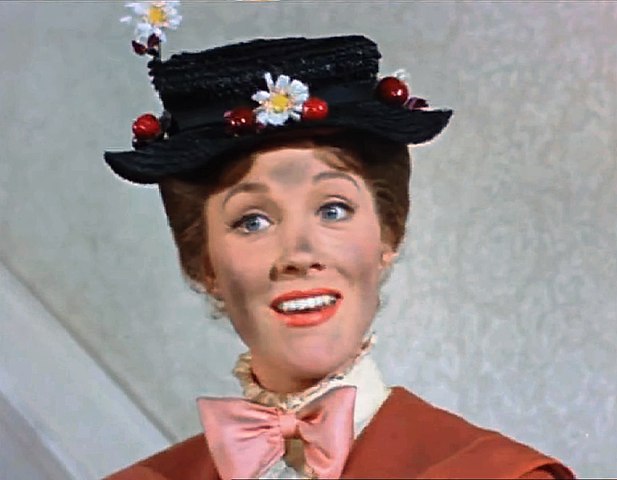
The success of Mary Poppins on the West End paved the way for its highly anticipated arrival on Broadway. In 2006, the beloved musical opened in New York, bringing the magic of Mary Poppins to American audiences.
Premiere at the New Amsterdam Theatre in 2006
Mary Poppins made its Broadway debut at the historic New Amsterdam Theatre on November 16, 2006. The production was a joint venture between Cameron Mackintosh and Disney Theatrical Productions, following the same creative vision as the West End version but with a few key differences tailored for Broadway. The show was met with great excitement, as fans of both the original film and the London production eagerly awaited its arrival in New York.
Comparison Between the West End and Broadway Productions
While the Broadway production retained much of what made the West End version a success, there were a few notable changes in set design, special effects, and other elements. For example:
- Set Design: On Broadway, the set designs were slightly reimagined to fit the larger New Amsterdam Theatre. The Broadway version used more expansive, elaborate set pieces, including more detailed backgrounds and enhanced stage mechanics to create magical moments, like Mary Poppins flying.
- Special Effects: Both productions featured breathtaking special effects, such as Mary Poppins flying over the audience and the famous “Step in Time” chimney sweep dance number. However, some effects were refined for Broadway to take advantage of the theater’s space and technology, creating even more jaw-dropping moments for audiences.
- Choreography and Staging: Minor adjustments were made in choreography and staging to better suit the preferences of Broadway audiences, while still keeping the core essence of the production intact.
Despite these changes, the heart of the show remained the same, capturing the charm and wonder of Mary Poppins’ world.
Notable Broadway Cast Members
The Broadway production featured a talented cast, with standout performances from:
- Ashley Brown as Mary Poppins: Brown made her Broadway debut in the role and was praised for her charming and confident portrayal of the magical nanny. Her voice and stage presence perfectly captured the spirit of Mary Poppins, helping her earn acclaim from both critics and audiences.
- Gavin Lee as Bert: Having already won over West End audiences with his portrayal of Bert, Gavin Lee reprised the role for the Broadway production. His performance, particularly in the physically demanding “Step in Time” number, was a major highlight of the show. Lee’s energy and charisma made him a fan favorite, and his tap dancing on the ceiling of the stage became an unforgettable moment for theatergoers.
Other Cast Members
- Daniel Jenkins as George Banks
- Rebecca Luker as Winifred Banks
- Katherine Doherty / Delaney Moro / Kathryn Faughnan as Jane Banks
- Matthew Gumley / Henry Hodges / Alexander Scheitinger as Michael Banks
- Ruth Gottschall as Ms. Andrew
- Cass Morgan as Bird Woman
- Jane Carr as Mrs. Brill
- Mark Price as Robertson Ay
- Janelle Anne Robinson as Mrs. Corry
- Nick Corley as Park Keeper
- Michael McCarty as Admiral Boom
- Ann Arvia as Miss Lark
- Brian Letendre as Neleus
- Tyler Maynard as Valentine
- Megan Osterhaus as Katie Nanna
- Matt Loehr as Northbrook
- Sean McCourt as Von Hussler
- James Hindman as Policeman
Plot Overview
Mary Poppins tells the enchanting story of a magical nanny who arrives to bring joy, wonder, and important life lessons to the Banks family in London. The story unfolds in early 20th-century England, where the Banks family is struggling to find balance between work, family, and happiness.
The Arrival of Mary Poppins
The plot begins with the Banks children, Jane and Michael, who are in need of a new nanny after their mischievous behavior drives away the previous one. Their parents, George and Winifred Banks, are overwhelmed by their own concerns—George is a strict and distant banker, while Winifred feels torn between supporting her husband and managing her family.
Enter Mary Poppins, a mysterious and magical nanny who literally floats down from the sky, umbrella in hand. She takes charge of the children in her own unique way, blending discipline with wonder. As she leads Jane and Michael on fantastical adventures, they begin to learn lessons about kindness, imagination, and the value of family.
Introduction of Key Characters
Mary Poppins: The title character, Mary Poppins, is a no-nonsense but magical nanny who brings both fun and structure to the lives of the Banks children. She appears seemingly out of nowhere, and her whimsical ways, such as pulling impossibly large items out of her carpet bag, amaze everyone around her.
- Bert: A friendly and charming chimney sweep and street artist, Bert is Mary Poppins’ close friend. He often joins the children and Mary on their adventures, providing wisdom and a positive outlook on life.
- George Banks: The father of Jane and Michael, George is a stern and practical banker who is disconnected from his children. Over the course of the story, he learns to soften and reconnect with his family, discovering what truly matters in life.
- Winifred Banks: George’s wife, Winifred is caught between her duties as a wife and mother. She struggles to balance her desire to support George and her love for her children, but ultimately she grows stronger in her role as a mother.
- Jane and Michael Banks: The curious and energetic children of the Banks family, Jane and Michael are the central focus of Mary Poppins’ lessons. Through their adventures with Mary, they grow in understanding and empathy.
Key Themes
- Family: At its core, Mary Poppins is about the importance of family. The Banks family is initially fractured, with George disconnected from his children and Winifred feeling torn. Through Mary Poppins’ influence, the family learns to come together, reconnect, and appreciate the joy of being a family.
- Magic: Mary Poppins brings magic into the everyday lives of the Banks family, showing that the ordinary can become extraordinary. From jumping into sidewalk chalk paintings to flying kites, the magic in the story adds a sense of wonder and teaches the children that life can be full of surprises.
- Personal Transformation: Each character undergoes personal growth and transformation throughout the story. George learns the value of family over work, the children become more empathetic and responsible, and even Winifred finds strength in her role as a mother. Mary Poppins’ magic serves as a catalyst for these changes, but the real transformation comes from within the characters themselves.
Songs
The music of Mary Poppins is one of its most memorable and beloved elements, blending iconic songs from the 1964 Disney film with new compositions created specifically for the stage.
Iconic Songs from the 1964 Film
Many of the most famous songs in Mary Poppins come directly from the 1964 Disney film, written by the Sherman Brothers, Richard and Robert Sherman. These songs remain timeless classics, and their inclusion in the stage musical is one of the highlights for fans of the original film.
- “A Spoonful of Sugar”: One of the most recognizable songs from the film, “A Spoonful of Sugar,” is sung by Mary Poppins as she teaches the children that even the most mundane tasks can be fun with the right attitude. It encapsulates Mary’s magical ability to make everything better.
- “Supercalifragilisticexpialidocious”: Perhaps the most famous song from Mary Poppins, this tongue-twister is performed during a whimsical adventure when Mary and the children jump into a chalk drawing. The word itself symbolizes the boundless fun and imagination that Mary Poppins brings into their lives.
- “Chim Chim Cher-ee”: Sung by Bert, this song is a tribute to chimney sweeps and is filled with warmth and charm. It won the Academy Award for Best Original Song and remains one of the most heartwarming moments of both the film and the stage show.
- “Let’s Go Fly a Kite”: This joyful song is sung towards the end of the show, marking a turning point for the Banks family. It’s a moment of celebration, as the family comes together, flying kites in the park, symbolizing the renewal of their bond.
New Songs for the Stage
In addition to the classic songs from the film, the stage adaptation of Mary Poppins features new music written by George Stiles and Anthony Drewe. These new songs blend seamlessly with the original tunes, adding depth to the characters and story.
- “Practically Perfect”: This song, sung by Mary Poppins when she first arrives at the Banks household, introduces her confident and capable nature. She declares herself “practically perfect in every way,” setting the tone for her character’s mix of discipline and magic.
- “Anything Can Happen”: This uplifting number encourages the children and the audience to believe that anything is possible with imagination and a positive attitude. It serves as a reminder of the magical possibilities in life, fitting well with the overall theme of the story.
- “Being Mrs. Banks”: A new addition to the stage version, this song is sung by Winifred Banks and adds depth to her character. It reflects her struggle to balance her responsibilities as a mother and wife, giving the audience insight into her feelings and personal growth.
The songs in Mary Poppins capture the heart of the show’s themes, from the importance of family to the power of imagination, while providing moments of joy, wonder, and reflection.
Awards
The stage adaptation of Mary Poppins was not only a commercial success but also critically acclaimed, earning numerous prestigious awards and nominations. Both the West End and Broadway productions were recognized for their outstanding performances, innovative design, and breathtaking choreography.
West End Awards
When Mary Poppins premiered in London in 2004, it quickly became a favorite among theatergoers and critics alike. The production was celebrated at the Laurence Olivier Awards, which are the highest honors in British theater.
- Laurence Olivier Award for Best Actress in a Musical (2005): Laura Michelle Kelly, who played Mary Poppins, received the Olivier Award for her stunning performance. Her portrayal was praised for its mix of charm, authority, and magical warmth, making her a standout in the production.
- Laurence Olivier Award for Best Theatre Choreography (2005): Matthew Bourne’s innovative choreography, particularly in numbers like “Step in Time,” was recognized with this prestigious award. The high-energy dance routines were a major highlight of the show and helped make the production visually stunning.
Broadway Awards
The Broadway production of Mary Poppins, which debuted in 2006, was equally celebrated, receiving several Tony Award nominations. While it didn’t win the top prize, it did take home honors in technical categories and was widely praised for its performances and production value.
- Tony Award for Best Scenic Design of a Musical (2007): Bob Crowley won the Tony Award for his breathtaking scenic design. The sets, which included the Banks’ home, the park, and fantastical locations like the chalk drawing world, were designed with extraordinary detail and creativity, helping to bring the magical world of Mary Poppins to life on stage.
- Tony Award Nominations: The Broadway production received seven Tony Award nominations, including:
- Best Musical
- Best Actress in a Musical (Ashley Brown as Mary Poppins)
- Best Featured Actor in a Musical (Gavin Lee as Bert)
- Best Choreography (Matthew Bourne)
Though it didn’t win in every category, these nominations showcased the production’s excellence and how it resonated with both audiences and critics alike.
International and Touring Productions
Beyond the West End and Broadway, international and touring productions of Mary Poppins also garnered awards and acclaim. Various productions around the world were recognized for their outstanding performances, staging, and choreography, ensuring that the legacy of Mary Poppins continued to shine in every country where it was performed.
Final Thoughts
Mary Poppins is a timeless musical that has captivated audiences with its magical story, memorable characters, and iconic songs. From its origins as a beloved book to the classic Disney film and award-winning stage adaptations, the tale of Mary Poppins continues to bring joy to people of all ages. With its themes of family, imagination, and personal growth, Mary Poppins remains a cherished piece of entertainment that will be enjoyed for generations to come.