

“Wicked” has soared beyond its Broadway origins, securing its place as one of the most enduring musicals of all time. Since its debut in 2003, the show has captivated audiences with its reimagining of the Land of Oz, told through the unlikely friendship of Elphaba and Glinda. With its powerful themes, unforgettable score, and striking visual design, “Wicked” continues to draw massive crowds and break records. Its influence extends far beyond the stage, shaping modern musical theater and inspiring generations of fans.
The Origins and Background of Wicked
View this post on Instagram
While many know Wicked as a Broadway sensation, its roots trace back to Gregory Maguire’s novel, which cleverly reimagines the world of Oz. This musical adaptation breathes life into Oz’s witches, offering a fresh perspective on their origin stories.
Wicked premiered on October 30, 2003, with standout performances by Idina Menzel as Elphaba and Kristin Chenoweth as Glinda. Despite mixed initial reviews and losing the Tony Award for Best Musical to Avenue Q, it quickly captured audiences’ hearts.
The show’s success lies in its careful character development, particularly through the evolving friendship and rivalry between Elphaba and Glinda. Through their relationship, themes of identity and societal judgment unfold, making Wicked a timeless masterpiece. The original Wizard of Oz, released on August 25, 1939, set the stage for future adaptations like Wicked to explore and expand the beloved world of Oz.
The Cultural Impact of “Defying Gravity”
Even though Wicked is filled with memorable numbers, “Defying Gravity” stands out as a powerful anthem of empowerment and self-discovery. It became a rallying cry for anyone who’s ever felt like an outsider. The song’s challenging high notes have made it a staple in talent shows and singing competitions, showcasing its aspirational quality. Over the years, “Defying Gravity” has also turned into a humorous cultural reference, popping up in diverse media, including The Simpsons.
For those who saw Wicked in the mid-2000s, it evokes nostalgic performances, a cherished yet slightly embarrassing memory. Its emotional depth and themes of reaching for the impossible resonate deeply, cementing its place in Broadway’s cultural tapestry.
Characters and Themes Explored in Wicked
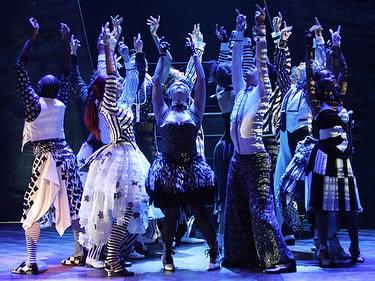
As “Defying Gravity” echoes themes of empowerment and self-discovery, Wicked further enriches its narrative through its complex characters and themes. Elphaba’s identity struggle as she tries to balance individuality with society’s expectations. Her transformation into the Wicked Witch highlights the power dynamics and moral complexities involved in challenging conformity.
Meanwhile, Glinda’s growth emphasizes the loyalty themes and acceptance path both witches undergo amid societal judgment. Their friendship defies the pressures that seek to categorize them, showing how character motivations evolve.
The Wizard’s manipulation deepens the exploration of good versus evil, questioning traditional binaries. By presenting Elphaba and Glinda as nuanced figures, Wicked challenges you to rethink familiar narratives and accept complexity.
The Evolution of Broadway Musicals Post-Wicked

Since its debut in 2003, Wicked has undeniably reshaped the Broadway musical landscape. Its focus on musical storytelling and character development set a new standard, pushing productions to plunge deeper into narratives and create multi-dimensional characters. This influence can be seen in shows like Bring It On and Mean Girls, which target teen audiences with relatable themes and complex personalities.
The popularity of belt-heavy songs, sparked by Wicked’s iconic numbers, inspired composers and performers alike, becoming a staple in modern musicals. Idina Menzel’s success further bridged the gap between Broadway and mainstream entertainment, especially with her role in Disney’s Frozen.
Wicked’s themes of empowerment and individuality continue to resonate, leaving an indelible mark on contemporary musical theater. Interestingly, just as The Wizard of Oz won the Oscar for Best Song for “Over the Rainbow”, *Wicked*’s music has also left a significant impact on audiences, highlighting the power of memorable melodies in storytelling.
The Creative Team Behind the Musical

Wicked’s transformative impact on Broadway owes much to the brilliant minds behind its creation. Joe Mantello’s direction infused the production with emotional depth, bringing the characters’ odysseys to life. His collaboration with composer Stephen Schwartz resulted in a score that masterfully weaves melody with storytelling.
Schwartz’s musical genius complements Winnie Holtzman’s narrative adaptation of Gregory Maguire’s novel, skillfully condensing its intricacies into a compelling stage experience. This creative collaboration guaranteed that Wicked’s characters were well-developed and its musical numbers engaging, enhancing its enduring appeal.
The team’s ability to blend fantasy with emotional resonance has reshaped traditional narratives in Broadway musicals. As a result, Wicked remains a reflection of the power of creative minds working together to create something truly unforgettable.
Reflections on the Musical’s Themes
While Wicked has left a global mark, its true magic lies in the personal connections it fosters through its themes. You find yourself drawn to Elphaba and Glinda’s friendship, which beautifully illustrates personal growth. Despite societal pressures, they support each other, reminding you of the importance of acceptance and understanding.
Elphaba’s quest of self-discovery resonates deeply as she battles societal judgment, inspiring you to welcome your individuality. The musical’s impact parallels the cultural influence of The Wizard of Oz, which has maintained its popularity for over 70 years.
The musical challenges you to rethink notions of good and evil, urging reflection on morality and the consequences of prejudice. “Defying Gravity” becomes a personal anthem of empowerment, encouraging you to rise above limitations. As you mature, your reflections deepen, finding new meanings in themes of friendship and ambition, echoing your personal challenges.
The Ever-growing Legacy of Wicked in Popular Culture

As Wicked continues to captivate audiences, its influence in popular culture only grows more profound. One can’t ignore how “Defying Gravity” has become a mainstay in media, from The Simpsons to countless talent shows. Its themes resonate widely, inspiring performers globally.
- Wicked merchandise: Fans enthusiastically collect everything from T-shirts to mugs, keeping the magic alive.
- Fan interpretations: Creative minds reimagine scenes and songs, sharing them online, expanding Wicked’s reach.
- Teen-centric musicals: Shows like Bring It On and Mean Girls share thematic similarities
- Influential cast members: Idina Menzel and Kristin Chenoweth’s impact extends beyond Wicked, shaping the musical landscape.
Wrapping Up
“Wicked” remains a theatrical powerhouse, proving that its magic shows no signs of fading. With its compelling storytelling, unforgettable music, and emotional depth, the musical continues to captivate new generations while maintaining its devoted fan base. Its impact on Broadway and beyond is undeniable, influencing modern productions and keeping audiences spellbound.