

In the 1980s, as America grooved to pop hits and fashion turned bold and bright, the country faced a serious challenge: the growing problem of drug abuse, especially among young people. Amidst the crisis, First Lady Nancy Reagan stepped into the spotlight with a simple but memorable message: “Just Say No.” Her campaign became a rallying cry for many who wanted to shield the next generation from drugs, yet it sparked mixed reactions as well. Some saw it as a powerful push toward healthier choices, while others felt it missed the bigger picture.
Let’s dive into the story behind Nancy Reagan’s “Just Say No” campaign—how it began, the message it carried, the reactions it stirred, and the legacy it left.
How the “Just Say No” Campaign Began
The “Just Say No” campaign didn’t just pop out of nowhere. It was a response to a very real, very pressing issue: the rise of drug use, especially among young people, in the 1980s. At the time, crack cocaine was sweeping across communities, and the media painted a picture of a crisis affecting families, schools, and whole neighborhoods. Parents, teachers, and politicians alike were worried, and there was a sense that young people needed something clear and memorable to help them resist drugs.
The story goes that the campaign’s slogan actually started with a spontaneous answer from Nancy Reagan herself. During a visit to an elementary school in California, a young girl asked Nancy what she should do if someone offered her drugs. Without skipping a beat, Nancy replied, “Just say no.” That one little phrase struck a chord, and before long, it became the heart of a nationwide campaign. For Nancy, this wasn’t just a catchy slogan; it was a mission to give young people the power to say no to drugs, without fear or hesitation.
The campaign also fit into a longer tradition of First Ladies taking on big social issues. Just as Thelma Catherine Ryan (Pat Nixon) had championed volunteerism and community spirit, Nancy saw an opportunity to address one of the biggest problems of her time. Her goal? To help kids make better choices and take charge of their futures.
The Campaign’s Core Messages and Goals
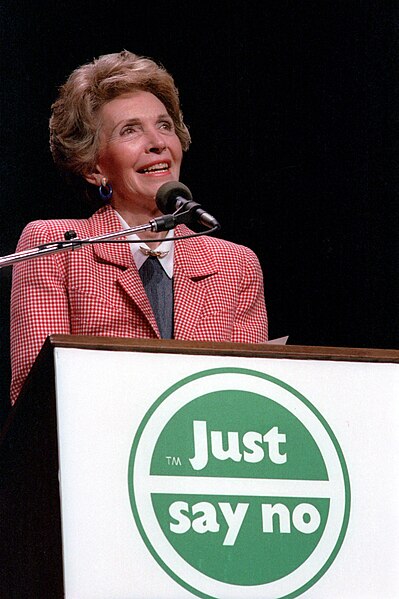
At its heart, the “Just Say No” campaign was about giving young people the confidence to say no to drugs. Nancy Reagan believed that young people needed both the courage and the tools to make healthy choices, especially when it came to peer pressure.
The campaign was built around three main messages:
- Personal Responsibility: Young people were reminded that they had the power to make their own choices, and saying “no” to drugs was a big part of taking control over their lives.
- Peer Support: The campaign recognized that young people are often influenced by their peers, so it encouraged youth to help each other resist drugs and share the message within their own communities.
- A Positive Lifestyle: Instead of just telling young people what not to do, the campaign highlighted the benefits of a drug-free life. Staying away from drugs wasn’t just about refusal; it was a step toward living a healthier, more positive life.
The “Just Say No” message reached young people in a few key ways:
- Peer-Led Discussions: Schools and communities encouraged young leaders to talk to their peers about the importance of staying drug-free. By getting youth involved in spreading the message, the campaign aimed to make “no” feel empowering, not restrictive.
- Workshops: Interactive workshops gave young people a chance to talk openly about the challenges they faced and practice ways to say no. These workshops aimed to boost their confidence and show them they weren’t alone.
- Media Campaigns: From TV commercials to magazine ads, the “Just Say No” message was everywhere. Media was a powerful tool in spreading this message, making it part of everyday life for young people across the country.
Together, these strategies aimed to create a supportive environment where young people felt empowered to make their own choices about drugs.
How the Public Reacted
The “Just Say No” campaign didn’t just create awareness—it sparked conversation. Some people loved its positive tone, appreciating that it focused on saying “yes” to better choices instead of just scaring kids away from drugs. For many families, teachers, and community leaders, this message felt like a breath of fresh air—a tool they could actually use to help guide young people in a healthy direction.
But not everyone thought it was effective. Critics argued that the campaign’s simplicity was also its biggest weakness. They pointed out that just telling kids to “say no” didn’t address the root causes of drug use, like poverty, stress, or a lack of support. Some wondered if the message was really enough for young people facing real-life challenges and hard choices.
Even with these critiques, the campaign did accomplish one major thing: it got people talking. Schools, families, and communities started having more open discussions about drug use, peer pressure, and making good choices. And while the message wasn’t perfect, it made “saying no” a normal part of the conversation.
The Strengths and Limitations of “Just Say No”
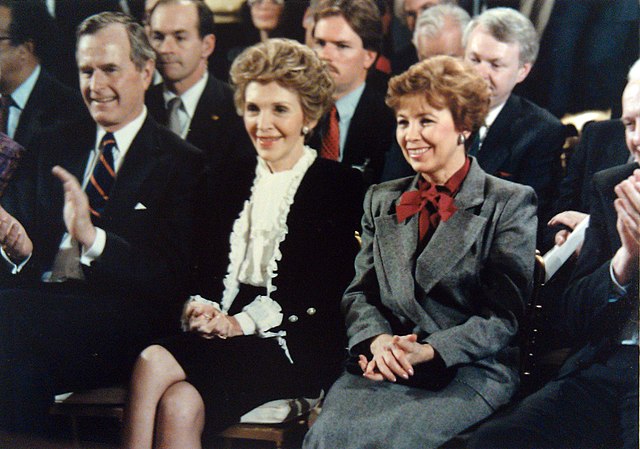
The “Just Say No” campaign is often remembered as a straightforward, memorable message that encouraged young people to take a stand against drugs. It was a simple, direct answer to a very complex problem—ideal for a public health campaign that needed to reach people quickly and clearly. But the simplicity of “Just Say No” also meant that it left out the deeper social, economic, and mental health issues that often drive people to use drugs in the first place.
The key limitations of “Just Say No” included:
- Oversimplicity: Critics argued that a simple “no” didn’t account for the challenges young people face, especially those in high-risk environments.
- Lack of Depth: The campaign didn’t offer in-depth resources or solutions for the factors that lead to drug use, like poverty, stress, and mental health issues.
- Media Representation: The campaign’s slogan was everywhere, but without a deeper message attached, some felt it became more of a catchphrase than a serious solution.
Despite these challenges, the campaign played an important role in raising awareness and encouraging conversations around drugs and personal responsibility.
The Campaign’s Legacy and Influence
Despite the criticisms, Nancy Reagan’s “Just Say No” campaign left a lasting legacy. The simple slogan became a fixture in American homes, schools, and communities, shaping how young people talked about drugs and choices for years. It was a cultural milestone that made conversations about personal responsibility, peer pressure, and positive decision-making feel more natural.
The campaign’s legacy can be seen in a few key areas:
- Cultural Impact: “Just Say No” became a part of American culture, shaping how families and communities approached the topic of drug use.
- Policy Influence: The campaign’s visibility influenced lawmakers, prompting them to allocate more funding for anti-drug programs.
- Educational Reach: Many schools integrated the campaign’s message into their curricula, making “saying no” a part of youth education.
While some critics felt the campaign oversimplified a complex issue, its influence is undeniable. “Just Say No” sparked a wave of conversations about substance abuse and prevention, creating a foundation for future campaigns that would tackle these issues with more nuance. Today, the campaign reminds us of the power that cultural messages can have in shaping public attitudes and the importance of supporting young people as they navigate life’s challenges.
Wrapping Up
Nancy Reagan’s “Just Say No” campaign was more than a slogan. It was a call for young people to feel empowered in their choices and to resist the pressures that came their way. While the campaign wasn’t perfect and faced its share of criticisms, its impact is still felt today. It reminds us of the importance of guiding young people toward healthy, positive choices and highlights the lasting effect that cultural campaigns can have on society.
In the end, “Just Say No” was a bold attempt to tackle a major issue with a simple, memorable message. And while the debate about its effectiveness continues, one thing is clear: it got people talking about the importance of choice, responsibility, and support—conversations that continue to shape the way we think about drug prevention and youth empowerment.