

The SYFY adaptation of The Wizard of Oz takes a bold leap with its reimagining of the Tin Man. In this version, the beloved character is no longer a simple figure searching for a heart but a complex creation tied to advanced technology and a mysterious past.
The series dives into the darker aspects of his story, introducing themes of identity and the cost of humanity. By blending sci-fi elements with the timeless appeal of Oz, SYFY crafts a version of the Tin Man that feels fresh and compelling for a modern audience. Here are the details that you should know about the wild and ambitious SYFY adaptation of The Wizard of Oz.
Reinventing a Classic Tale

In 2007, SYFY’s miniseries Tin Man brought a daring twist to the classic story of The Wizard of Oz. Premiering on December 2, the three-night event reimagined the Tin Man as Wyatt Cain, a former lawman turned resistance fighter in the oppressive realm of the O.Z. (Outer Zone).
Played by Neal McDonough, Cain is introduced as a hardened and haunted figure, trapped in a metallic suit used as a torture device by the sinister Sorceress. His quest for freedom and redemption serves as one of the central arcs of the series, blending grit and emotion in a way that captivated audiences.
The miniseries, directed by Nick Willing, redefined the classic characters while staying rooted in their core themes. Wyatt Cain’s story deepens during the second episode, aired on December 3, as flashbacks reveal the loss of his family at the hands of the Sorceress’s forces. These scenes show the emotional weight behind his actions and his struggle to regain his humanity.
Tin Man earned critical attention for its darker tone and modern take on L. Frank Baum’s universe, proving that even the most familiar tales can be reshaped into something bold and engaging.
Character Evolution
View this post on Instagram
The characters in Tin Man (2007) are reimagined in ways that add depth and complexity to the classic story. Neal McDonough’s Wyatt Cain begins as a broken and vengeful figure after enduring years of imprisonment and loss.
Over the course of the series, he regains his sense of purpose and reconnects with his humanity through his loyalty to DG and the fight against the Sorceress. His journey reflects the series’ focus on emotional resilience in the face of darkness.
Zooey Deschanel’s DG is also given a more layered backstory compared to Dorothy in the original tale. As she uncovers the truth about her royal heritage and her connection to Kathleen Robertson’s Sorceress Azkadellia, DG evolves from a curious outsider to a determined leader.
Alan Cumming’s Glitch, inspired by the Scarecrow, adds a tragic yet comedic element with his search for lost memories. Together, these characters form a dynamic group that redefines the relationships and challenges of the Oz story.
Visual Aesthetics
The visual aesthetics of Tin Man (2007) stand out as one of the most striking aspects of the miniseries. Director Nick Willing worked closely with production designer Michael Joy and cinematographer Thomas Burstyn to create a world that feels both familiar and entirely new.
The O.Z. (Outer Zone) is depicted as a dark and dystopian realm, with vast industrial landscapes, eerie forests, and decaying towns. These visuals contrast sharply with the whimsical look of the original Wizard of Oz film, giving the story a modern and gritty edge that resonates with a contemporary audience.
The costumes and makeup play a key role in defining the unique look of the series. Mona May, the costume designer, crafted outfits that mix steampunk influences with futuristic elements, perfectly reflecting the hybrid nature of the world.
Neal McDonough’s Wyatt Cain is dressed in a worn trench coat that symbolizes his hardened past, while Kathleen Robertson’s Sorceress Azkadellia wears elaborate, gothic-inspired gowns that highlight her menacing presence. These design choices, combined with bold special effects, create a visually immersive experience that sets Tin Man apart from other adaptations of L. Frank Baum’s classic tale.
Dark Themes Explored
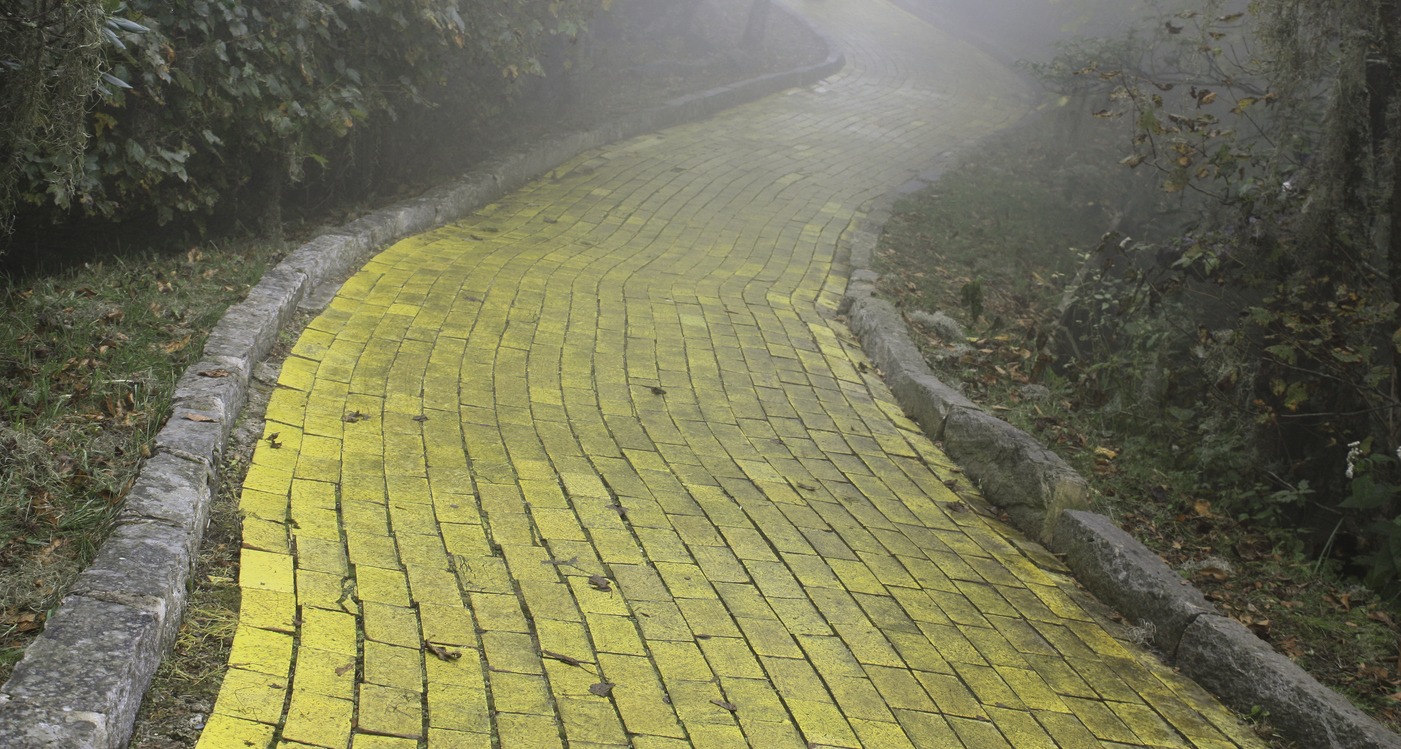
Tin Man (2007) takes a much darker approach to the classic tale that weaves in themes of oppression, loss, and personal trauma. The O.Z., reimagined as a dystopian world under the rule of the Sorceress Azkadellia, played by Kathleen Robertson, is a land of fear and despair.
Neal McDonough’s Wyatt Cain embodies the emotional toll of this darkness as a former lawman who lost his family and was tortured by the Sorceress’s forces. His internal struggles reflect the heavy cost of survival in a broken world.
The series also dives into the psychological battles faced by Zooey Deschanel’s DG, who learns of her forgotten past and connection to the Sorceress. Her nightmares and visions are key to unraveling the story while adding a haunting element to her character.
The darker tones are amplified by the eerie cinematography of Thomas Burstyn and the haunting score by Simon Boswell, creating an atmosphere that underscores the pain and complexity of the characters. Tin Man brings a shadowy edge to Oz that turns it into a place where every choice has weight and survival feels uncertain.
Critical Reception
Tin Man (2007) received mixed reviews from critics upon its release. While many praised its bold reimagining of The Wizard of Oz, others felt its darker tone and complex narrative were a departure that might not appeal to all viewers.
Neal McDonough’s performance as Wyatt Cain was widely appreciated for its depth and intensity, while Zooey Deschanel’s portrayal of DG drew divided opinions. Some found her performance engaging, while others criticized it as too subdued for the emotionally charged story.
The visual design and production values, led by director Nick Willing and production designer Michael Joy, earned praise for creating a unique and immersive version of the O.Z. Critics like Robert Bianco of USA Today highlighted the creative ambition of the series, while others, such as Matt Roush of TV Guide, felt the pacing could have been tighter across its three episodes.
Despite varying opinions, the miniseries managed to draw strong ratings during its December 2007 premiere and later received nine Emmy nominations, winning one for Outstanding Makeup.
Conclusion
The SYFY adaptation of The Wizard of Oz stands out as a daring reimagining of a beloved story. By combining bold storytelling, modern visuals, and a darker tone, it offers a fresh perspective on the classic characters and their world.
While it may not resonate with everyone, its ambitious approach shows the enduring power of Oz to inspire creativity in new and unexpected ways. This retelling proves that even the most timeless tales can be reshaped for a new generation.