

Few voices in entertainment history resonate as powerfully as that of Judy Garland, whose musical legacy continues to captivate audiences across generations. With timeless performances of “Over the Rainbow” and “The Trolley Song”, Garland’s artistry combined emotional depth, theatrical flair, and extraordinary vocal range.
Her ability to seamlessly blend heartfelt ballads with jazz-infused show tunes elevated her to legendary status, making her an enduring icon in both music and film. Continue reading to discover how her most unforgettable songs shaped 20th-century entertainment and secured her place in cultural history.
Key Takeaways
- Judy Garland’s breakthrough came in The Wizard of Oz (1939), where her iconic performance of “Over the Rainbow” earned her a Juvenile Academy Award and cemented her as a cultural icon.
- In the 1940s, she delivered chart-topping hits like “The Trolley Song” and “Have Yourself a Merry Little Christmas”, which became enduring classics of American music.
- Her live album Judy at Carnegie Hall (1961) won four Grammy Awards, including Album of the Year, and is still considered one of the greatest live recordings in history.
- Garland’s collaborations with Nelson Riddle and her Capitol Records releases displayed her emotional range and stylistic versatility, blending jazz, pop, and theatrical ballads.
- The 2022 centennial celebration of her birth featured tributes, archival material, and musical performances, reaffirming her lasting influence on music, film, and live performance.
Early Beginnings and Rise to Fame
Born Frances Ethel Gumm in 1922, Judy Garland was destined for the spotlight from a remarkably young age. She began performing at just two years old with her older sisters as part of the vaudeville trio The Gumm Sisters, captivating audiences with her precocious charm and unmistakable vocal talent.
By age 13, her extraordinary voice caught the attention of Metro-Goldwyn-Mayer (MGM), leading to a studio contract that would launch one of Hollywood’s most storied careers.
Garland’s breakthrough came in 1939 with her role as Dorothy Gale in The Wizard of Oz. Her poignant rendition of “Over the Rainbow” became an enduring symbol of hope and longing, earning a place in the Great American Songbook and later being voted the greatest movie song of all time by the American Film Institute. For her performance, Garland received a special Academy Juvenile Award, recognizing her exceptional contributions to film that year.
Her personal connection to her co-stars was also notable—Judy Garland referred to Ray Bolger as “My Scarecrow,” a testament to the close bonds formed during production. These early years, marked by resilience and an unmistakable talent, laid the foundation for Garland’s lasting legacy as a trailblazing performer in both music and cinema.
Iconic Hits of the 1940s
Judy Garland’s influence in the 1940s came to life through a series of unforgettable hits that showcased her incredible range and talent. During this period, she recorded numerous iconic songs that continue to resonate. Here are four standout tracks:
- “I’m Nobody’s Baby”: Featured in Andy Hardy Meets Debutante, this song solidified her status as a leading musical star.
- “The Trolley Song”: From *Meet Me In St. Louis*, it became a Top 20 hit, forever linked with Garland’s dynamic performance.
- “Have Yourself a Merry Little Christmas”: Her rendition turned it into a timeless holiday classic cherished by many.
- “On The Atchison, Topeka & The Santa Fe”: This hit reached the US Top 20 in 1945, showcasing her broad appeal and versatility.
These tracks exemplify Judy Garland’s lasting impact on music history, even before the establishment of the Grammy Awards. Garland’s role in The Wizard of Oz remains one of her most celebrated performances, contributing significantly to her enduring legacy in the entertainment industry.
Key Collaborations and Later Career Highlights
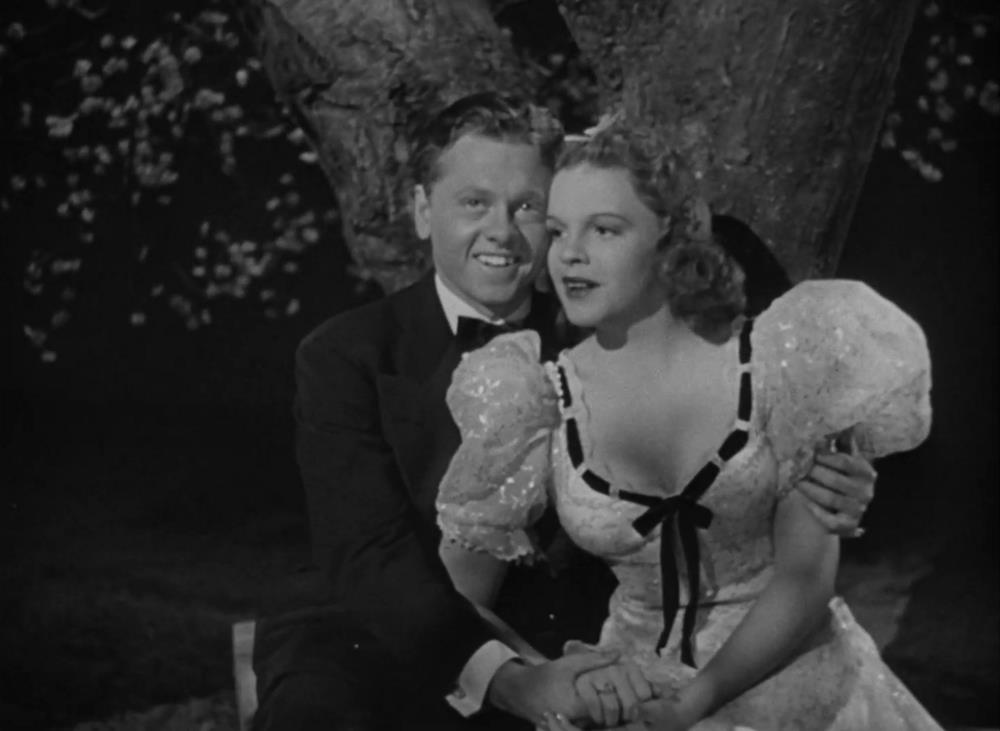
While her early career was defined by enchanting performances on the silver screen, Judy Garland’s later years revealed her prowess in collaboration and live performance.
After leaving MGM, she dazzled audiences in A Star Is Born, delivering unforgettable songs like “The Man That Got Away.” Signing with Capitol Records, she released seven albums, starting with Miss Show Business.
Her collaboration with arranger Nelson Riddle on the album “Judy” showcased her ability to blend jazz and emotion.
In 1962, Judy at Carnegie Hall became a landmark live recording, earning two Grammy Awards. With powerful renditions of songs like “Come Rain Or Come Shine,” Garland solidified her status as a legendary performer, enchanting audiences with her unforgettable voice and presence.
Emotional Depth and Musical Style
After enthralling audiences with her collaborations and live performances, Garland’s emotional depth and distinct musical style took center stage.
Her ability to blend vaudeville roots with Hollywood razzmatazz allowed her to deliver:
- Heartfelt ballads: Albums like “Alone” showcased her talent for expressing loss and heartbreak, as heard in “How About Me.”
- Jazz-infused orchestrations: Collaborations with Nelson Riddle on albums like “Judy” highlighted her ability to interpret songs with intricate arrangements.
- Iconic songs: “Over the Rainbow” became synonymous with Garland’s legacy, resonating deeply with audiences.
- Versatility: Her 1962 concert album “Judy At Carnegie Hall” featured a mix of energetic numbers and soft ballads, demonstrating her wide emotional range and versatility.
Judy Garland’s musical style and emotional depth continue to captivate hearts.
Live Performances and Legacy
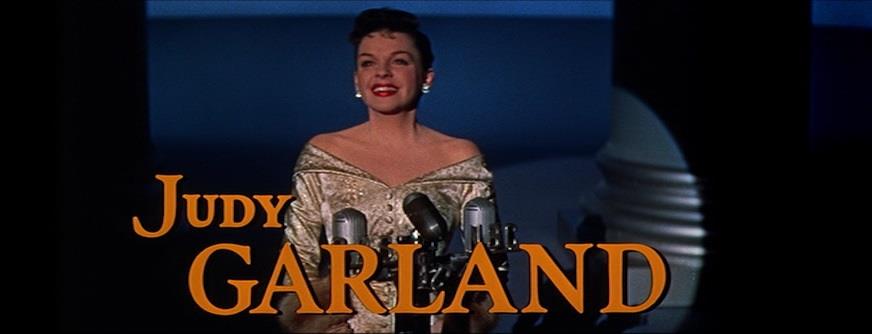
Among the most celebrated moments in live entertainment history, Judy Garland’s Carnegie Hall concert on April 23, 1961, stands out as a definitive testament to her talent and resilience. Often referred to as “the greatest night in show business,” the performance earned Garland four Grammy Awards, including Album of the Year, Best Female Vocal Performance, and Best Engineered Album—a groundbreaking achievement that made her the first woman to win Album of the Year.
The concert, captured in the acclaimed recording Judy at Carnegie Hall, highlighted her extraordinary versatility. She effortlessly moved between high-energy showstoppers like “That’s Entertainment” and introspective ballads such as “Do It Again,” revealing the full emotional spectrum of her voice. Her ability to convey both joy and vulnerability within a single performance captivated audiences and critics alike.
Beyond Carnegie Hall, Garland continued to mesmerize crowds with her live appearances, including her acclaimed engagement at The Cocoanut Grove and televised specials such as The Judy Garland Show. Her collaborations with musical directors like Nelson Riddle further emphasized her interpretive depth, blending sophisticated arrangements with raw emotional delivery.
Judy Garland’s dramatic stage presence, emotional authenticity, and fearless vulnerability left an indelible mark on the world of performance. She inspired generations of vocalists and entertainers, from Barbra Streisand to Rufus Wainwright, proving that live performance could be both electrifying and deeply human. Her legacy lives on as one of the most influential live performers of the 20th century.
Celebrating Judy Garland’s Centennial
As the world marked Judy Garland’s centennial in 2022, fans gathered to celebrate 100 years of her extraordinary contributions to music and film.
Her legacy was honored with performances of iconic songs like “Over the Rainbow” and “Get Happy.” The festivities featured:
- Special Performances: Artists revived Judy Garland’s classic tunes, including “Feel a Song Coming On” and “Come Rain Or Come Shine.”
- Film Clips and Recordings: Audiences enjoyed rare audio and big screen clips, showcasing Garland’s storied odyssey.
- Photo Exhibits: Never-before-seen photos depicted her life, from seven studio albums to personal challenges.
- Accolades and Awards: Garland recorded timeless music, earning Grammy Awards for her concert recordings, reinforcing her iconic status.
Judy Garland’s role in The Wizard of Oz helped catapult her to fame and remains a lasting part of her legacy. Garland’s centennial was a tribute to her timeless impact.
Audience Engagement and Lasting Impact
Judy Garland’s music possesses a rare, enduring power—one that continues to resonate with audiences across decades and generations. Her performances, including emotionally charged recordings like “The Man That Got Away” and “I’m Nobody’s Baby” for Decca Records, reveal her unmatched ability to infuse lyrics with vulnerability and strength. Though born Frances Ethel Gumm, Garland emerged as a singular figure in American entertainment, her authenticity and emotional truth forging a lasting connection with listeners around the world.
Garland’s legacy continues through ongoing tributes and centennial celebrations, reaffirming her timeless influence. Her ability, as she once said, to be a “first-rate version of herself” remains an enduring inspiration to artists and admirers alike.
And at the heart of it all lies her most iconic role—as Dorothy Gale in The Wizard of Oz—a performance that not only launched her to international fame but sealed her place as a Hollywood legend, forever linked to one of the most beloved songs in film history: “Over the Rainbow.”